US Army Awards Lockheed Martin Up to $58.6 Billion in Largest-Ever Patriot Deal
The US Army converted a one-year PAC-3 order into a seven-year agreement worth up to $58.6 billion on July 29, 2026, the largest Patriot interceptor contract ever placed, as the wars with Iran and in Ukraine drain American missile stocks.
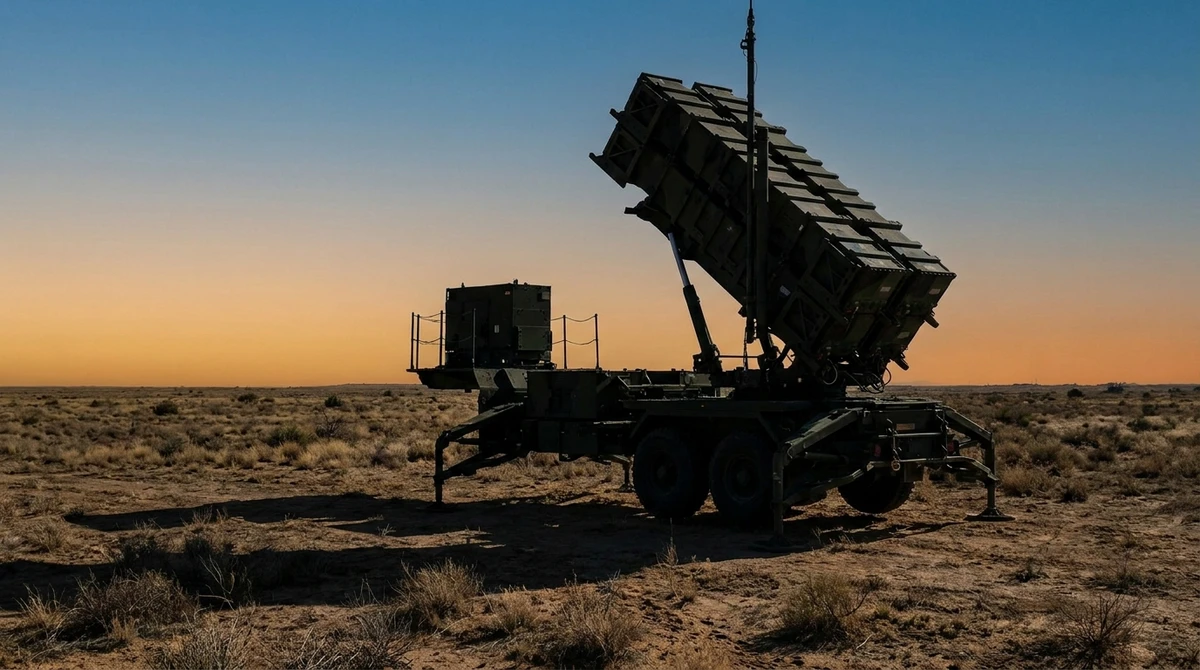
The US Army awarded Lockheed Martin a contract worth up to $58.6 billion on July 29, 2026 for the production of PAC-3 interceptors, the largest Patriot missile deal ever placed, the Pentagon announced.
The award converts a one-year agreement worth $4.7 billion, signed in April, into a seven-year arrangement running from fiscal 2026 through fiscal 2032. Lockheed Martin said the funding lets it follow through on a commitment to triple PAC-3 MSE production capacity by the end of 2030, and to raise employment at its Camden, Arkansas plant by about 50 percent, from roughly 1,200 to 1,850.
The company is separately investing $8 billion to $9 billion through 2030 to modernize more than 20 US facilities, including new munitions centers in Alabama and Arkansas.
The contract lands as two wars draw down American interceptor stocks faster than the industrial base was sized to replace them. Defense News reported the same week that roughly two-thirds of the pre-conflict US Patriot inventory has been expended since fighting with Iran began, a drawdown deep enough to force choices between defending forward-deployed forces and holding a strategic reserve. Ukraine is a second claim on the same production line: the US and Ukrainian presidents discussed manufacturing licenses for interceptor production on July 29.
The MIM-104 Patriot entered US service in 1981 and has been through repeated redesigns since. The PAC-3 family abandoned the original blast-fragmentation warhead for hit-to-kill interception, engaging targets at roughly Mach 5 out to about 160 km, and the MSE variant added a larger rocket motor and control fins to extend that envelope against maneuvering ballistic threats. It is the round the Army has been firing in the Middle East, and the round the contract buys.
Two structural problems sit behind the size of the award. The first is that interceptor production has historically been ordered a year at a time, which gives manufacturers little basis for the capital investment that new lines require; a seven-year commitment is meant to remove that argument. The second is arithmetic: a single engagement can consume two interceptors against one incoming missile, so defensive expenditure scales with an adversary's offensive inventory rather than with the defender's plans. GMN's tracker for the 2026 Iran conflict records the tempo of strikes and losses on both sides that has produced the current shortfall.
The $58.6 billion figure is a ceiling rather than a committed value, and actual spending will depend on the orders placed against the agreement year by year. The Army has not published annual quantities. Deliveries under the arrangement begin in fiscal 2026.
More News
All news →
Chile Opens Search for a Replacement of Its 50-Year-Old F-5 Tiger III Fighters
Chile's defense minister announced in Punta Arenas on September 24 that the Chilean Air Force has formally begun the process of replacing its F-5E/F Tiger III fighters, in service since 1976, within a package that also covers transports, helicopters, maritime patrol and Antarctic capabilities.
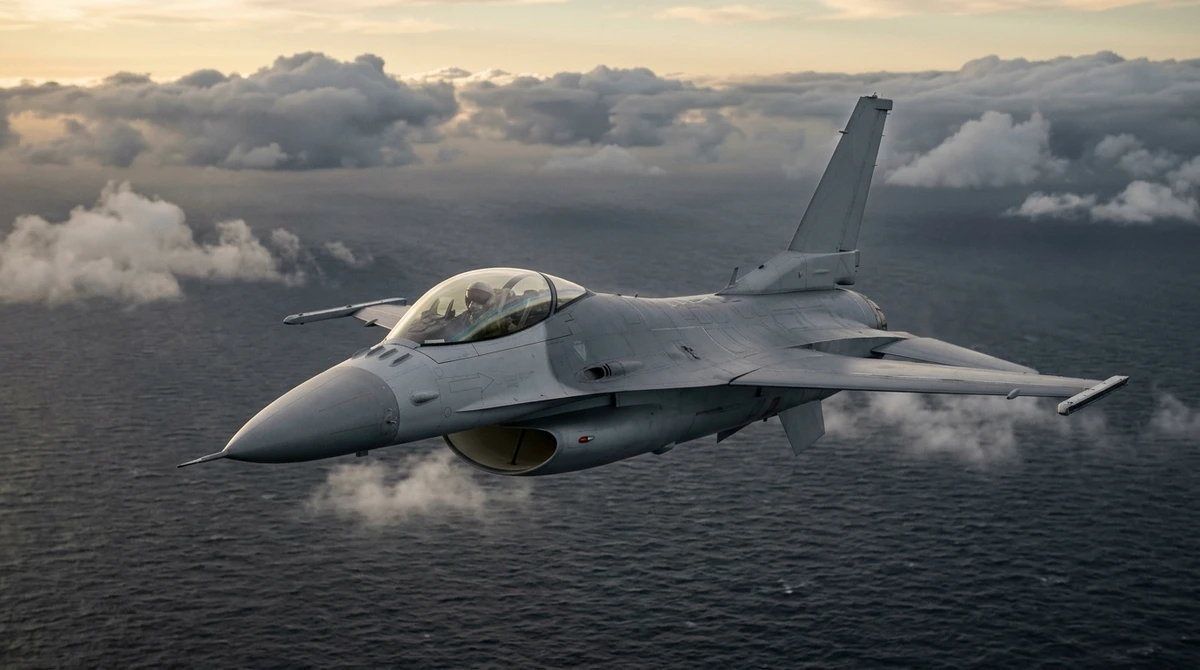
Portugal's F-16 Replacement Draws Eurofighter Bid Plan and Rafale Offer Before Any Tender Opens
Airbus said on Sept. 24 it plans an unsolicited Eurofighter Typhoon proposal to Lisbon in late October or early November, a day after Dassault disclosed a July French government Rafale submission, while Portugal has yet to open a formal tender to replace its upgraded F-16s.

Canada Signs Preliminary Deal With Saab for Six GlobalEye Early-Warning Aircraft
Saab and Canada's Defence Investment Agency signed a non-binding term sheet on September 25, 2026, setting the framework for negotiations on six GlobalEye airborne early warning aircraft for the Royal Canadian Air Force.

Italy Orders Two 13,500-Tonne DDX Destroyers, Nearly Twice the Size of Its Horizon Class
Orizzonte Sistemi Navali, the Fincantieri-Leonardo joint venture, signed a contract worth about €3.7 billion with OCCAR on September 24 for two DDX air and missile defense destroyers for the Italian Navy, with deliveries due in 2033 and 2035.
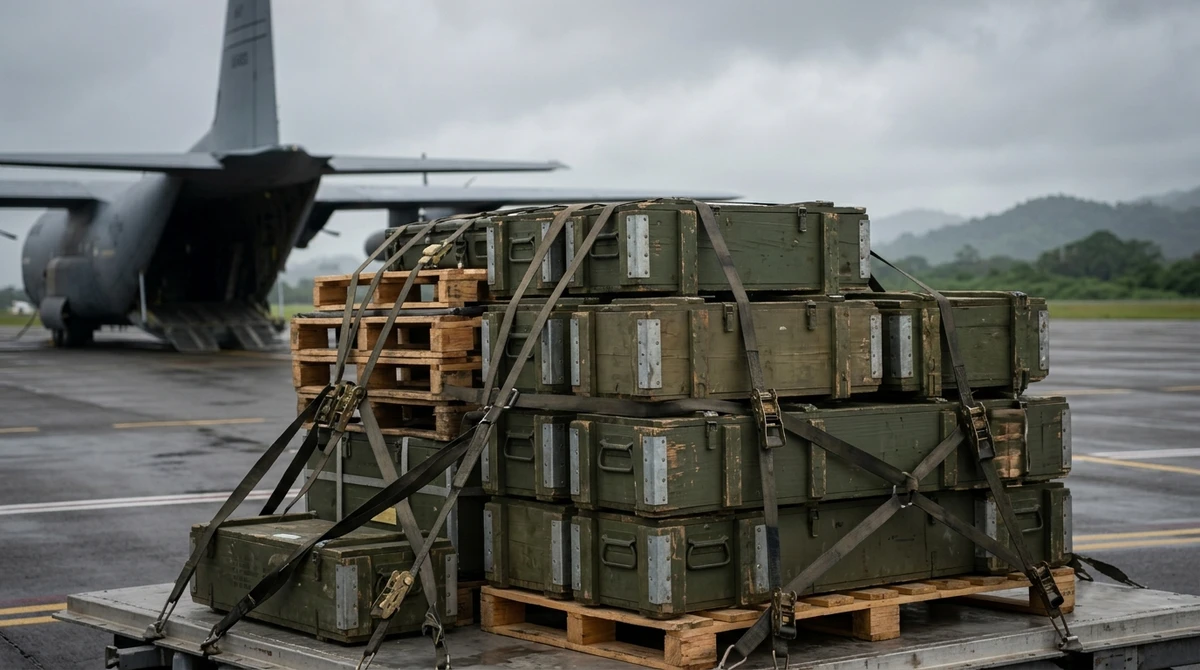
Guatemala Receives First Lot of More Than 2,000 M4A1 Carbines in First US Arms Purchase in Decades
Guatemala's army formally took delivery on 21 September 2026 of a first lot of more than 2,000 US-made M4A1 carbines at La Aurora International Airport in Guatemala City, the opening tranche of a US$5 million Foreign Military Sales order for a new jungle brigade in Petén.
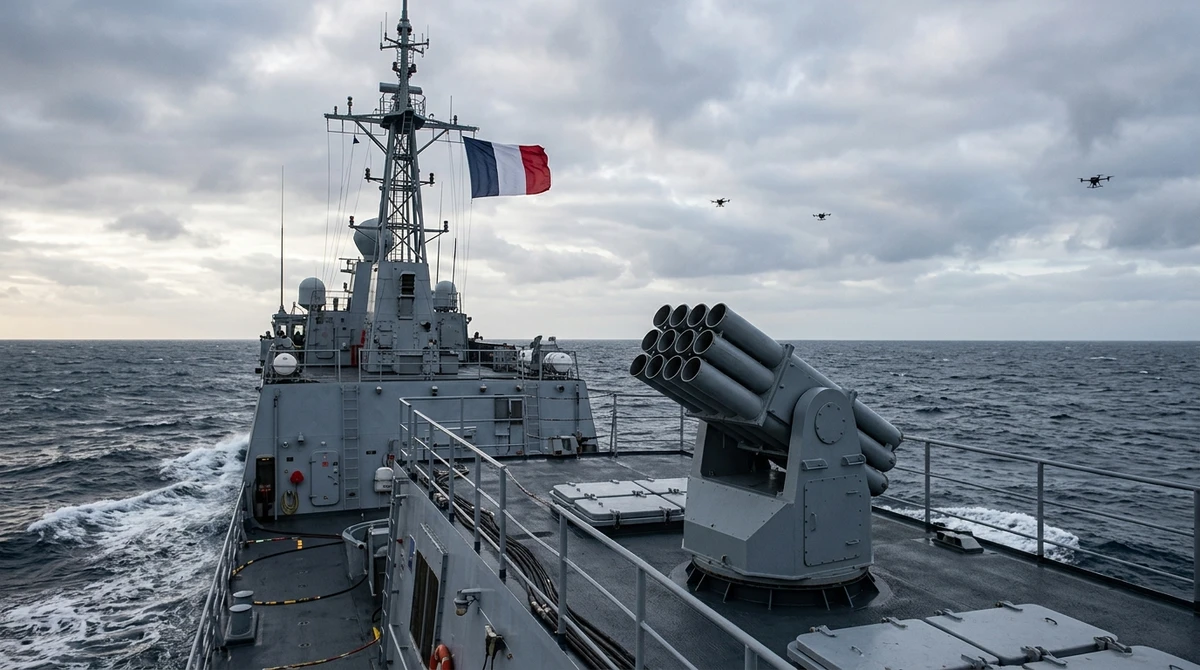
Naval Group's Rampart Counter-Drone Launcher Fitted to French Mistral-Class Ship Ahead of Sea Trials
Naval Group's modular Rampart close-in weapon system was spotted aboard a French Navy Mistral-class amphibious assault ship in Toulon, according to reports of September 22, 2026, ahead of a first at-sea firing campaign scheduled for October during the counter-drone exercise WildFire.