Canada Signs Preliminary Deal With Saab for Six GlobalEye Early-Warning Aircraft
Saab and Canada's Defence Investment Agency signed a non-binding term sheet on September 25, 2026, setting the framework for negotiations on six GlobalEye airborne early warning aircraft for the Royal Canadian Air Force.

Saab said on September 25, 2026, that it had signed a non-binding term-sheet agreement with Canada's Defence Investment Agency establishing the scope and foundation for detailed negotiations on the acquisition of its GlobalEye airborne early warning and control (AEW&C) aircraft for the Royal Canadian Air Force. Canada intends to acquire six aircraft, including associated systems, training and support, according to the company and the Government of Canada.
The agreement follows Ottawa's announcement on May 27, 2026, identifying Saab as preferred supplier for its future AEW&C capability. Both Saab and the Government of Canada said the term sheet "does not constitute a contract or commitment to procure aircraft." The government added that it "represents concrete progress toward the acquisition of the GlobalEye platform," as quoted by CBC News, which reported that no specific timeline or final cost has been provided.
Negotiations will focus on what the government described, in a statement quoted by CBC News, as a "Canadian configuration and development program designed to meet Canada's requirements," along with industrial participation, capability development, program execution and schedule.
GlobalEye is built on the Bombardier Global 6500 business jet, which is manufactured in Canada. The government said Canada intends to become "a centre for future missionization and support activities" for the type. CBC News reported that Ottawa is working with Saab to manufacture some aircraft for other clients in Canada, listing NATO, Sweden, France, the Netherlands and the UAE as current or potential GlobalEye customers.
Saab describes GlobalEye as an AEW&C solution with an array of active and passive sensors providing long-range surveillance. CBC News described the aircraft as able to detect and track threats such as enemy aircraft, missiles and drones at long distances.
"The term-sheet agreement reflects the strong collaboration between Saab and Canada and establishes a clear framework for the next phase of our engagement," Saab President and CEO Micael Johansson said in the company's release.
"Canada's approach to defence procurement must deliver more than military equipment. It must defend Canadians while strengthening our economy, growing Canadian industrial capacity and opening new opportunities for Canadian companies to compete globally," Stephen Fuhr, Secretary of State responsible for defence procurement, said in a statement quoted by CBC News.
CBC News, citing sources, reported that GlobalEye has met only a handful of the military's requirements and will need important modifications; the government said the American competitors, Boeing and L3Harris, are in the same situation and that GlobalEye was selected on geopolitical and economic criteria. The Conservative Party has criticized proceeding without a tender and is calling on the auditor general and the parliamentary budget officer to investigate the project, CBC News reported.
The Royal Canadian Air Force currently has no airborne early warning aircraft in its inventory, according to GlobalMilitary.net data. The United Arab Emirates operates five GlobalEye. Sweden has ordered three, and France has two on order. On July 7, 2026, eleven NATO allies announced the joint procurement of up to 10 GlobalEye to succeed the alliance's E-3 AWACS fleet, months after the E-7 was dropped as NATO's presumptive successor.
Airborne early warning remains a rare capability: just 20 of the 162 air forces tracked by GlobalMilitary.net operate such aircraft in 2026. The Boeing E-7 Wedgetail, which GlobalMilitary.net has compared with the GlobalEye, flies with Australia (six), South Korea (four) and Turkey (four). The older E-3 Sentry AWACS serves with the United States (14), Saudi Arabia (five), France (four) and Chile (two).
Detailed negotiations on the Canadian configuration, industrial participation and schedule now follow. Until a contract is signed, the government has said, the term sheet is not a commitment to procure any aircraft.
More News
All news →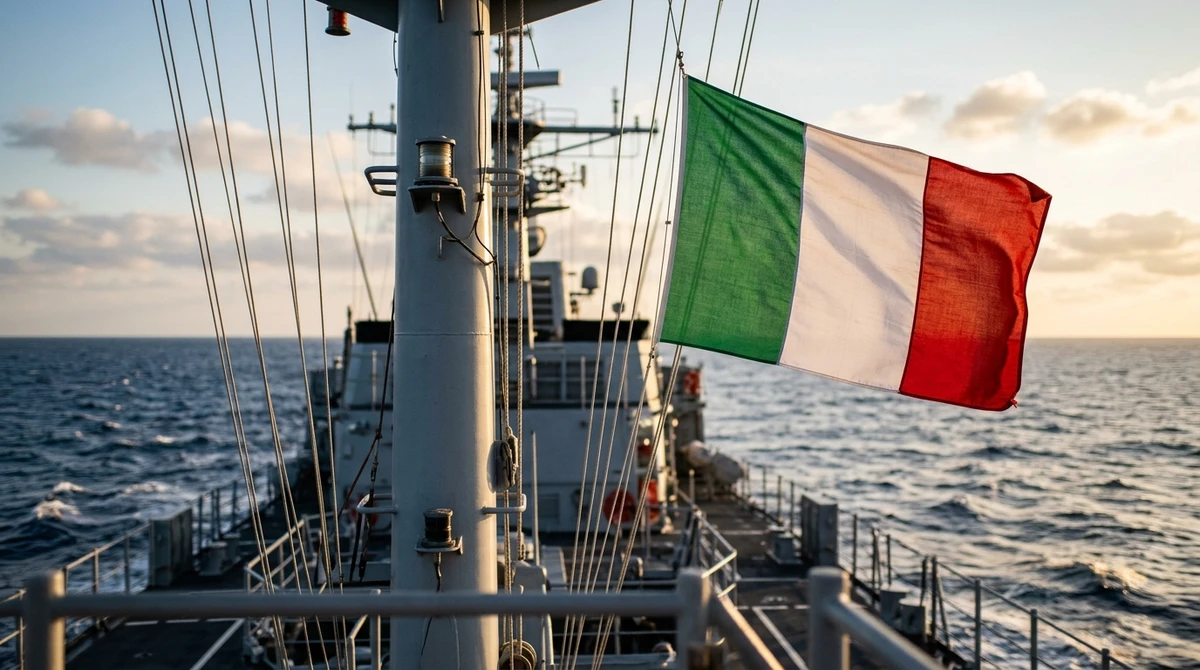
Italy Orders Two 13,500-Tonne DDX Destroyers, Nearly Twice the Size of Its Horizon Class
Orizzonte Sistemi Navali, the Fincantieri-Leonardo joint venture, signed a contract worth about €3.7 billion with OCCAR on September 24 for two DDX air and missile defense destroyers for the Italian Navy, with deliveries due in 2033 and 2035.
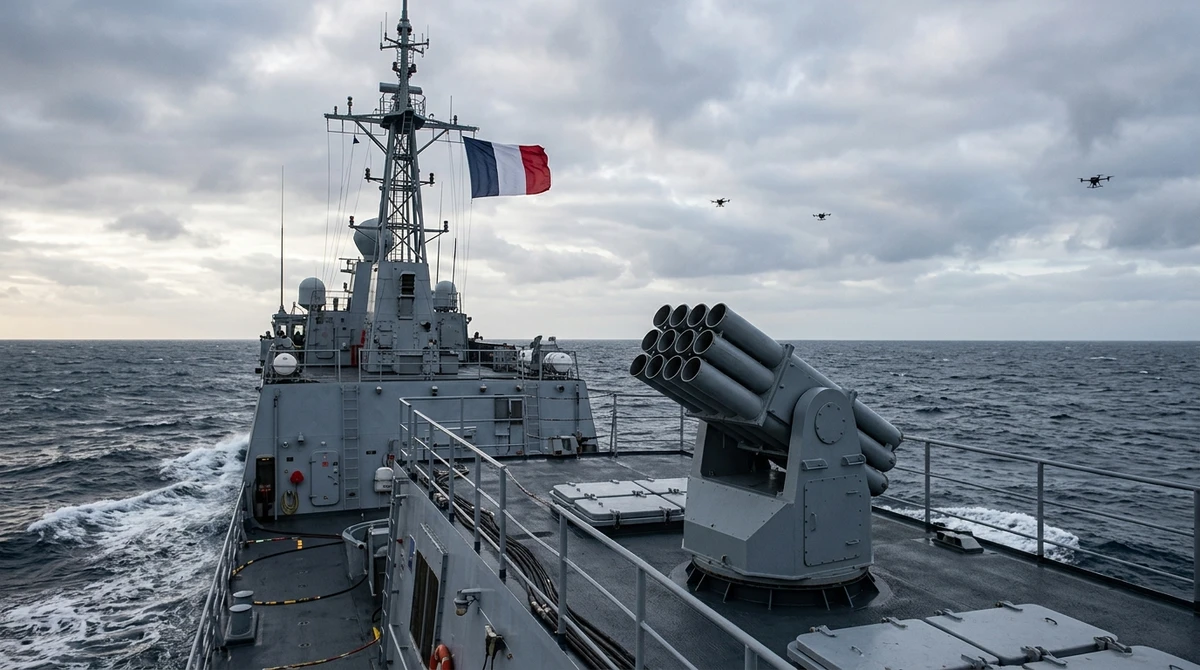
Naval Group's Rampart Counter-Drone Launcher Fitted to French Mistral-Class Ship Ahead of Sea Trials
Naval Group's modular Rampart close-in weapon system was spotted aboard a French Navy Mistral-class amphibious assault ship in Toulon, according to reports of September 22, 2026, ahead of a first at-sea firing campaign scheduled for October during the counter-drone exercise WildFire.

Argentina's Draft 2027 Budget Proposes $3.5 Billion for Three Submarines and Two Frigates
Argentina's draft 2027 national budget, submitted to Congress on September 15, 2026, authorizes up to $2.3 billion in financing for three conventional submarines and $1.2 billion for two multimission frigates, Naval News and MercoPress reported.
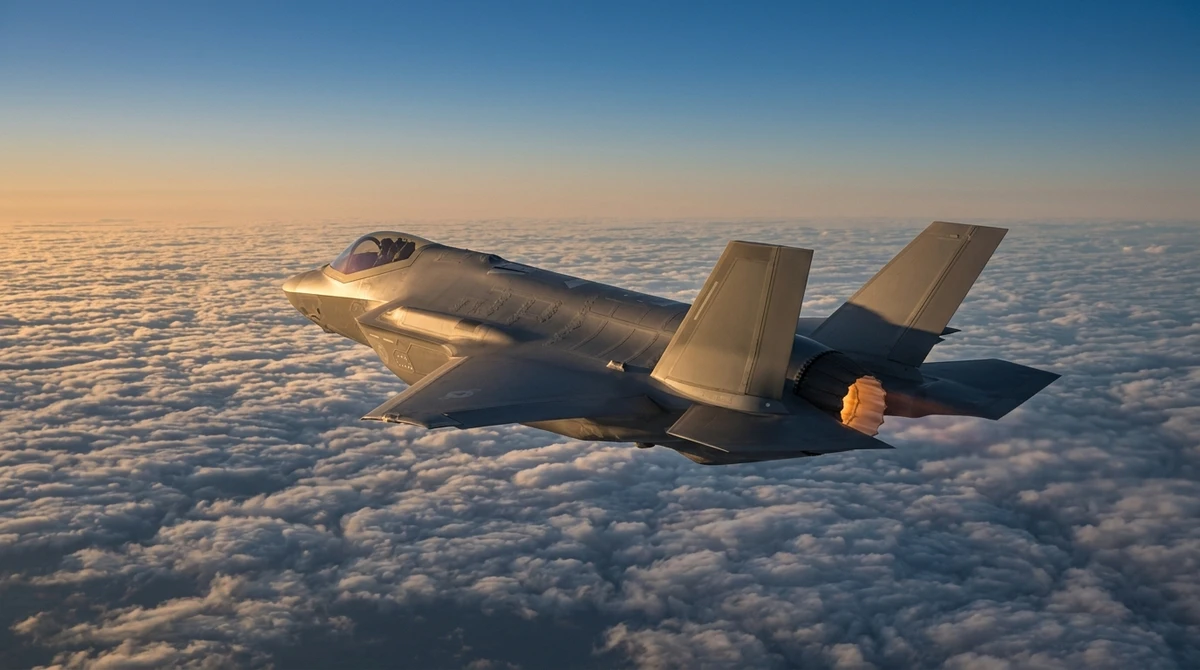
General Atomics Delivers FQ-42 Vengeance Uncrewed Fighter to Creech Air Force Base
General Atomics delivered one FQ-42 Vengeance uncrewed fighter to Creech Air Force Base, Nevada, on September 18, as the company says it is on track to build six a month and the Secretary of the Air Force expects at least 500 autonomous aircraft in service by 2032.
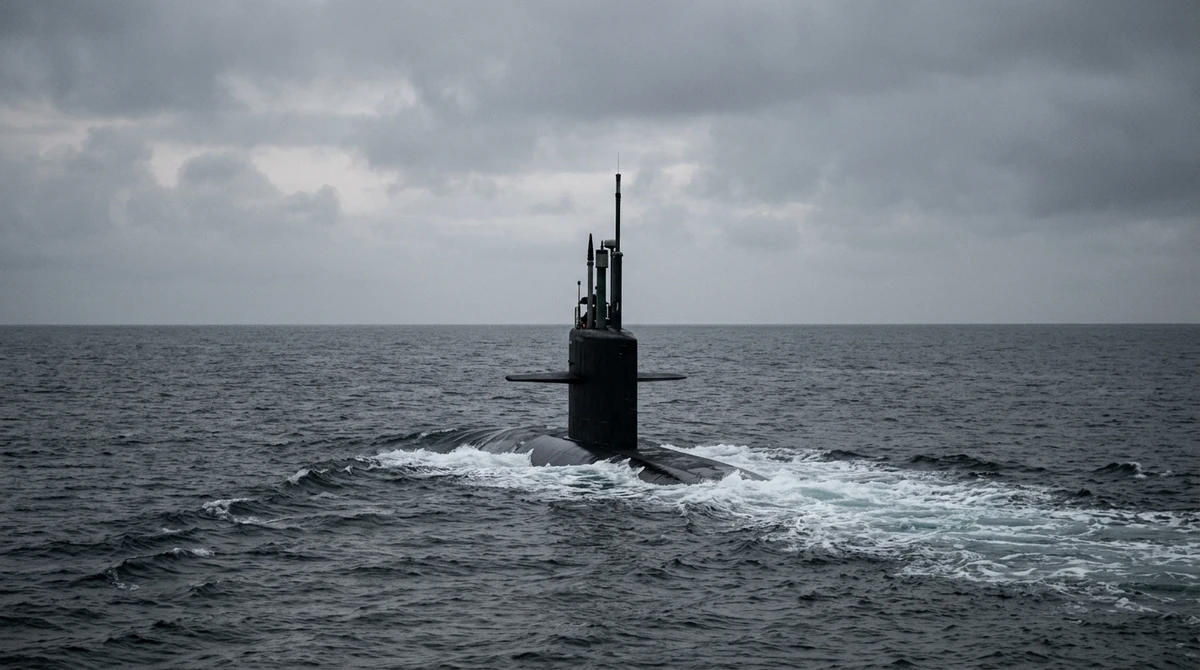
Nuclear vs Air-Independent Propulsion: How a Submarine Runs Without Air, and What Japan Is Weighing
After Japan's defense minister declined on September 11, 2026 to rule out nuclear-powered submarines, a technical explainer on how a reactor, a Stirling engine, a fuel cell and a lithium-ion battery each keep a boat under water, and what each one buys.

Latvia Picks Czech Morana Howitzers Over Sweden's Archer
Latvia's Cabinet of Ministers decided on September 15, 2026 to procure Excalibur Army's Morana 155 mm wheeled howitzers, setting aside a June 2025 letter of intent with Sweden for 18 BAE Systems Bofors Archer systems, the Ministry of Defence said.