Guatemala Receives First Lot of More Than 2,000 M4A1 Carbines in First US Arms Purchase in Decades
Guatemala's army formally took delivery on 21 September 2026 of a first lot of more than 2,000 US-made M4A1 carbines at La Aurora International Airport in Guatemala City, the opening tranche of a US$5 million Foreign Military Sales order for a new jungle brigade in Petén.
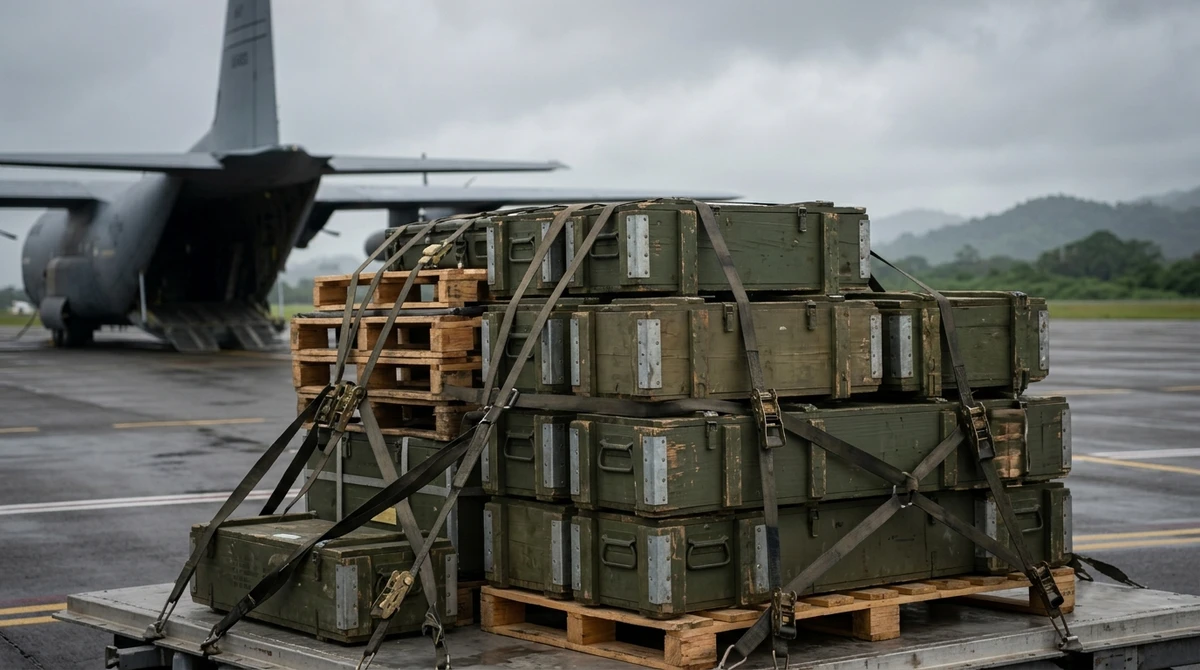
Guatemala's army on Monday, 21 September 2026, formally received a first lot of more than 2,000 carbines bought from the United States, at a ceremony in Guatemala City attended by President Bernardo Arévalo, the defense minister and the US embassy's chargé d'affaires. The weapons are M4A1 carbines, the type carried by US forces, and arrived aboard a US Army aircraft, according to Infobae. The handover took place on the military ramp of the Guatemalan Air Force at La Aurora International Airport.
The order was placed through the US Foreign Military Sales program and paid from Guatemala's own budget. The US chargé d'affaires stressed that Guatemala was investing its own resources and called the purchase "historic", the first of its kind in about five decades, Prensa Libre reported.
The itemized order, as published by La Hora on 22 September, with the rifle figure also carried by the government's Diario de Centro América, comprises:
- 2,699 M4A1 rifles, US$3.61 million
- 59 M240 machine guns, US$1.05 million
- 57 grenade launchers, US$165,453
- 11,220 30-round magazines, US$205,101
The total comes to about US$5.03 million, according to La Hora. The grenade launchers had already arrived in an earlier lot, and the next lot will be the machine guns, the defense minister said. Arévalo described the acquisition as more than 14,000 units of modern armament within an investment of more than US$5 million, and said deliveries will continue over the coming months until the full order is received.
The equipment is destined for the new Special Jungle Operations Brigade (Brigada Especial de Operaciones de Selva) in Petén, the northern department bordering Mexico. The brigade's missions are counter-narcotics operations, guarding the border with Mexico and protecting natural resources; its installation in Petén is in the final stage of construction, the defense minister told La Hora. The kit also includes communications systems of Israeli technology and helmets with night-vision mounts, according to Diario de Centro América. The US chargé d'affaires said the delivery is part of a larger effort to field nearly 8,000 additional rifles to strengthen 16 Guatemalan battalions, and linked it to the US-led Coalition of the Americas against cartels, Prensa Libre reported.
The purchase ends a restriction that Arévalo traced to November 1977, under Public Law 95-148, the foreign assistance appropriations act for fiscal year 1978 passed by the US Congress, adopted over serious human rights violations during Guatemala's internal armed conflict, according to Diario de Centro América. AP reports that the United States blocked arms sales in 1978 over massacres of civilians, and that truth commission reports held the army and paramilitary groups responsible for 97% of deaths in the 1960-1996 conflict. Diario Las Américas reports that the conflict left some 200,000 dead and disappeared, that Washington lifted the ban in March 2026, and that despite the embargo the United States kept donating equipment to Guatemala's armed forces for counter-narcotics work. "The army of today is fundamentally different from the army of 1978," Arévalo told AP. In August 2026, a United Nations working group on enforced disappearances urged the Guatemalan government to open the army's wartime archives, according to AP.
Guatemala ranks 104th of 221 countries in GlobalMilitary.net's ATLAS Index of military power, with a score of 14.2 out of 100; its armed forces number 18,050 active personnel and 63,850 reservists. Arévalo said that since 2024 the army had seized more than 34,000 kg of cocaine and more than 6,000 firearms and disabled 16 clandestine airstrips, Infobae reported.
Further lots are due over the coming months, with the machine guns next in line. The defense minister said Guatemala also expects in future to acquire aircraft, boats and other special equipment; the defense ministry had said it planned to spend about US$52.2 million this year on arms and equipment for the armed forces, according to Infobae.
More News
All news →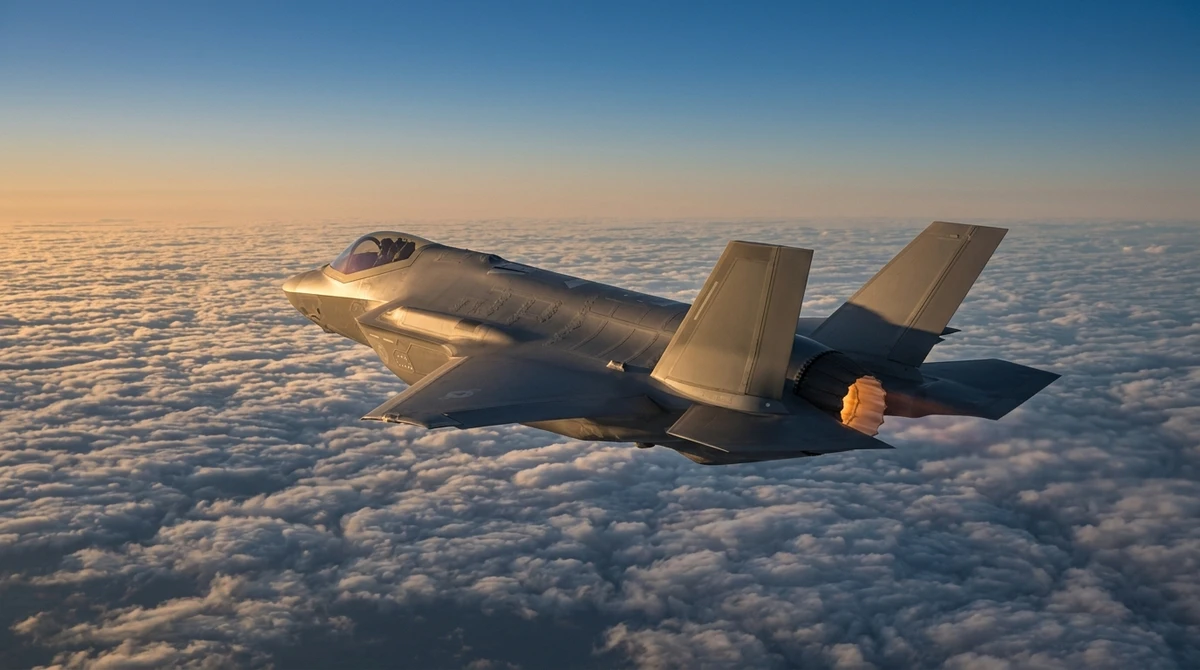
General Atomics Delivers FQ-42 Vengeance Uncrewed Fighter to Creech Air Force Base
General Atomics delivered one FQ-42 Vengeance uncrewed fighter to Creech Air Force Base, Nevada, on September 18, as the company says it is on track to build six a month and the Secretary of the Air Force expects at least 500 autonomous aircraft in service by 2032.
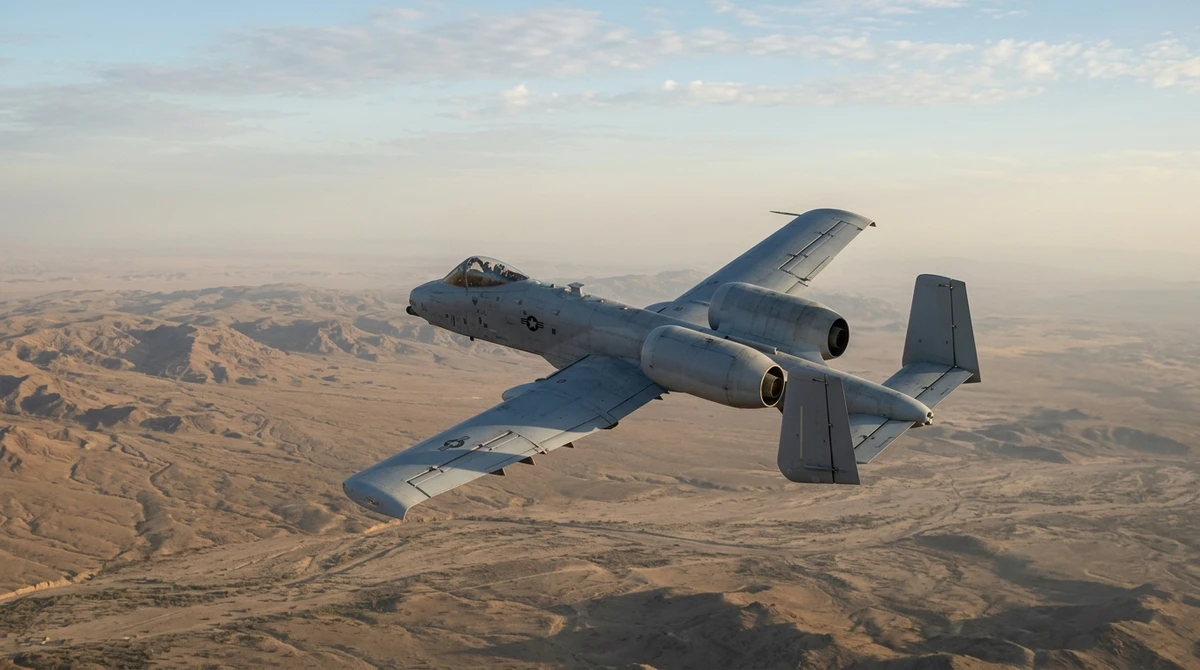
Davis-Monthan Inactivates Four A-10 Units, Ending the Base's Thunderbolt II Mission
The US Air Force inactivated four A-10 units at Davis-Monthan Air Force Base, Arizona, on September 18, 2026, ending the type's presence at the base while the FY2026 defense authorization act holds the fleet at no fewer than 103 aircraft through fiscal 2026.
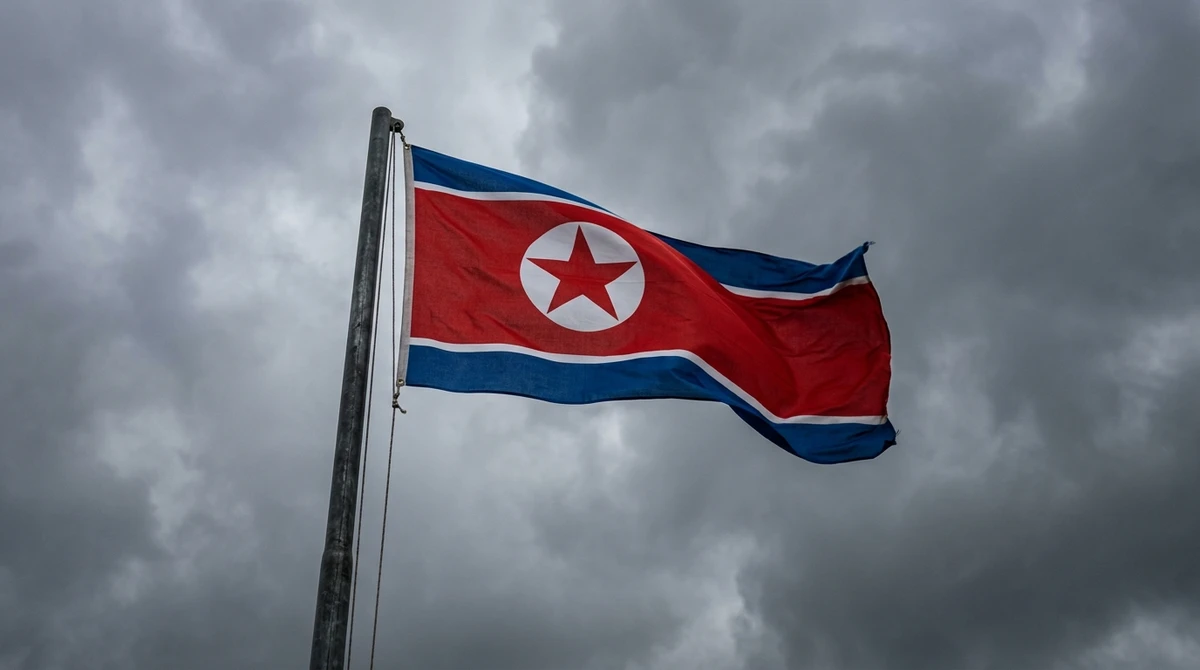
North Korea Fires Two Short-Range Ballistic Missiles Toward the East Sea
North Korea launched two short-range ballistic missiles from the Wonsan area toward the East Sea on September 20, 2026, one flying about 450 km and the other more than 600 km, South Korea's Joint Chiefs of Staff said; Japan said neither landed in its territorial waters.
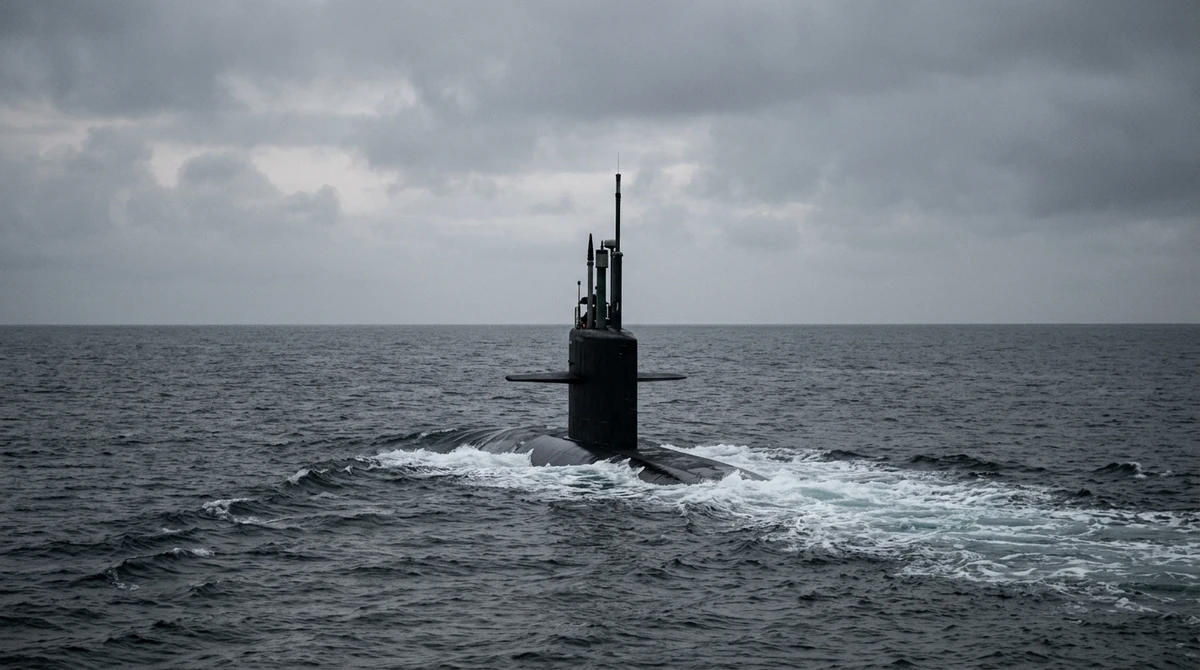
Nuclear vs Air-Independent Propulsion: How a Submarine Runs Without Air, and What Japan Is Weighing
After Japan's defense minister declined on September 11, 2026 to rule out nuclear-powered submarines, a technical explainer on how a reactor, a Stirling engine, a fuel cell and a lithium-ion battery each keep a boat under water, and what each one buys.
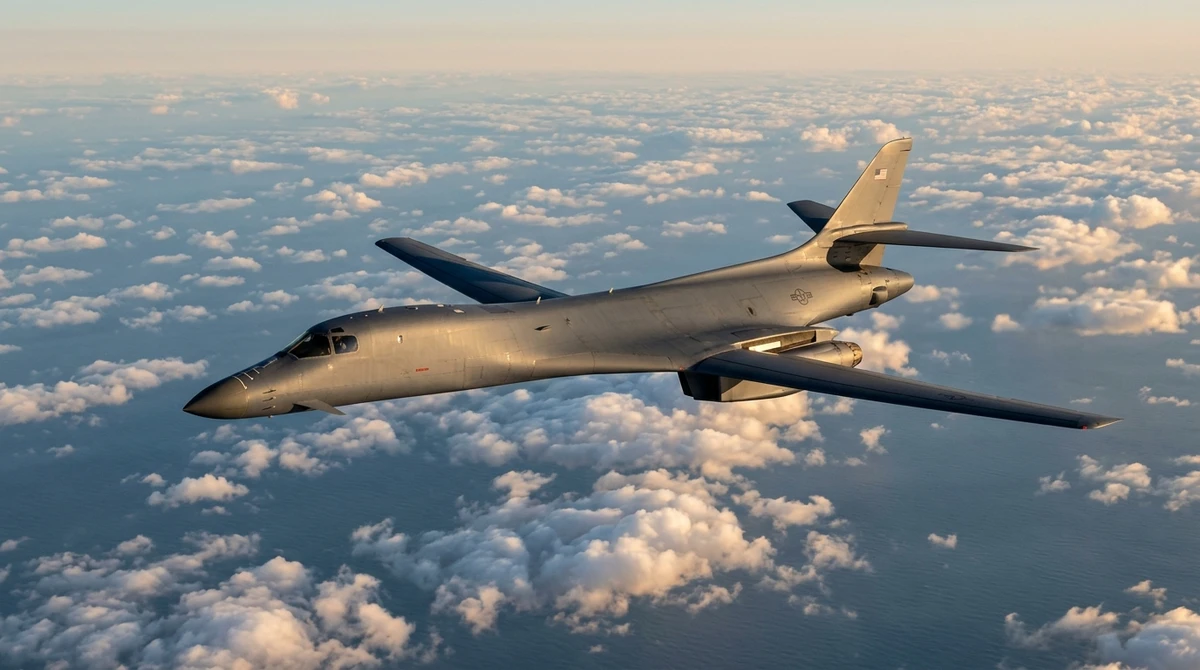
US Air Force to Extend B-1 and B-2 Service Lives With Only Three B-21s in the Fleet
Air Force Global Strike Command said on 17 September 2026 that the B-1 Lancer and B-2 Spirit will fly beyond their planned retirements, keeping a US bomber force built on 1955, 1986 and 1993 designs in service while the B-21 Raider arrives at three aircraft.
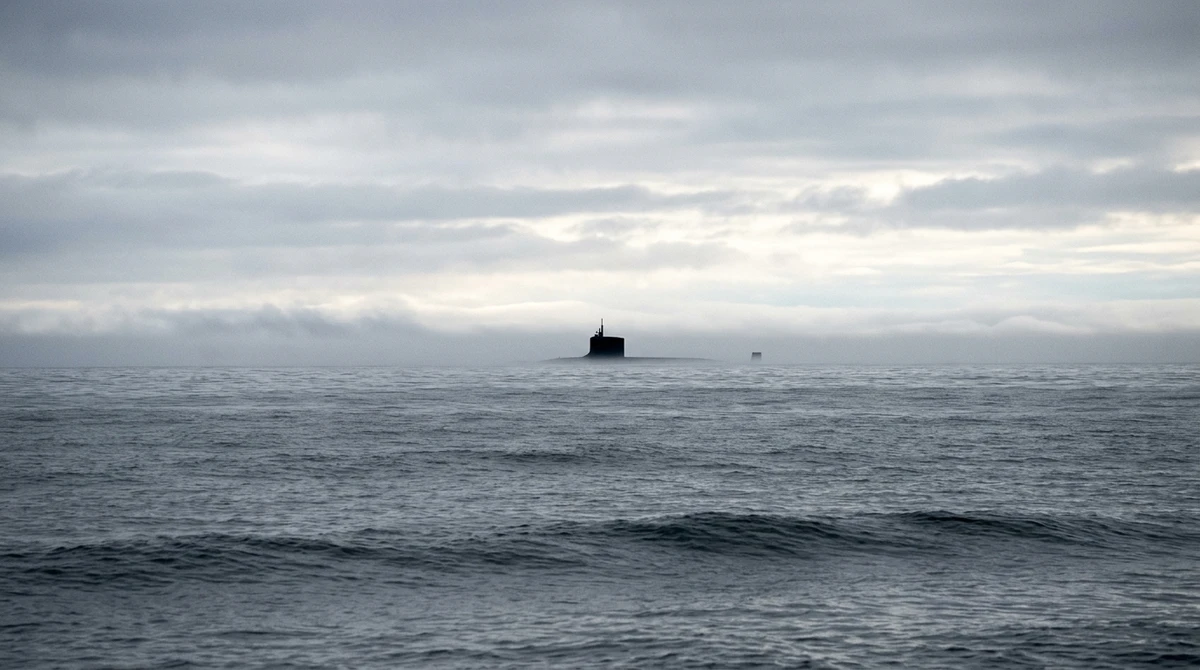
Japan Will Not Rule Out Nuclear-Powered Submarines as Six Navies Field 140 Between Them
Japan's defense minister said on 11 September 2026 that nuclear-powered submarines "will not be ruled out" in the year-end revision of the country's security documents, an option that would put the JMSDF alongside the six navies operating 140 nuclear boats today.