
National Air Force of Angola
Força Aérea Nacional de Angola — The National Air Force of Angola (FANA) is structured along a Soviet-era model, organized into aviation regiments corresponding to specific air bases. This framework includes fighter, transport, and helicopter units. With a …
Full inventory in 2026
26 aircraft typesAngolan National Air Force
| Aircraft | Origin | Model year | Active | Δ YoY | Ordered | |
|---|---|---|---|---|---|---|
| Combat | ||||||
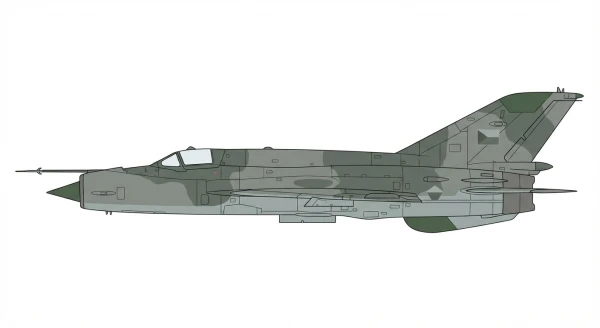
|
MiG-21 | 🇷🇺 Ex-USSR | 1958 | 23 | — | — |
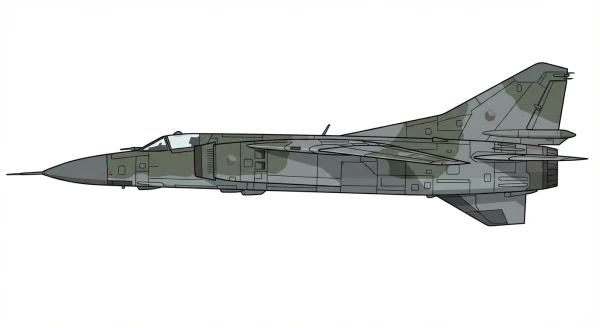
|
MiG-23 | 🇷🇺 Ex-USSR | 1970 | 22 | — | — |

|
K-8 |
🇨🇳 China 🇵🇰 Pakistan |
1994 | 12 | — | — |
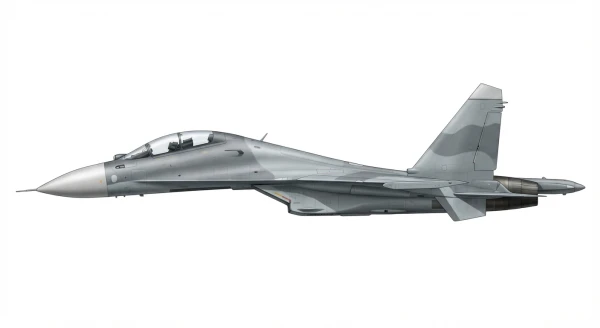
|
Su-30 | 🇷🇺 Ex-USSR | 1996 | 12 | — | — |
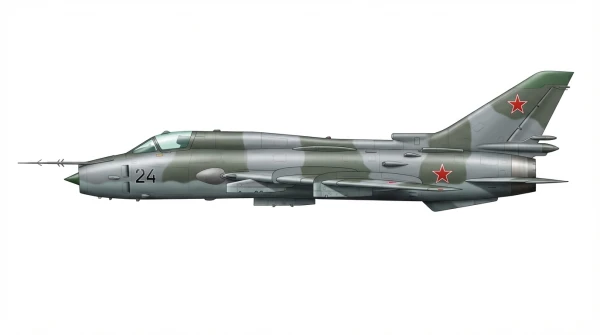
|
Su-22 | 🇷🇺 Ex-USSR | 1971 | 11 | -3 | — |
|
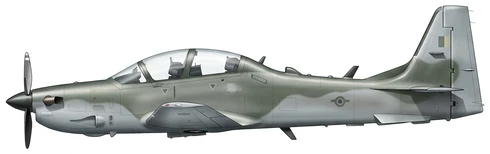
EMB-314 | 🇧🇷 Brazil | 2003 | 6 | — | — |
|
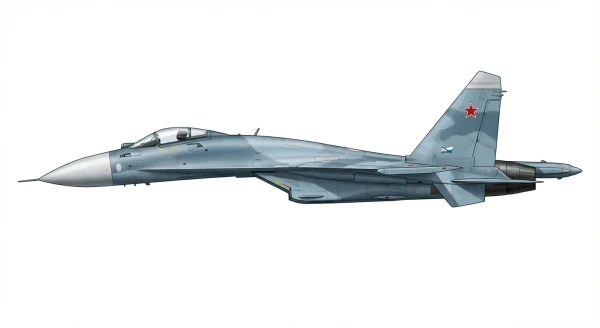
Su-27 | 🇷🇺 Ex-USSR | 1984 | 1 | — | — |
|
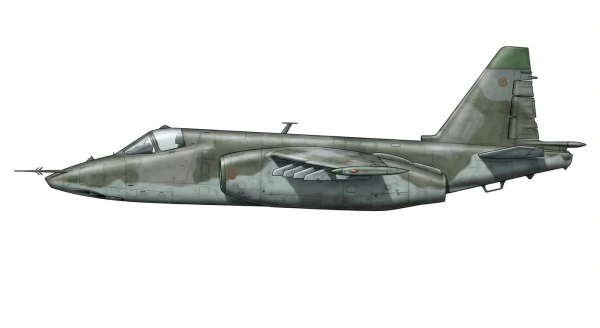
Su-25 | 🇷🇺 Ex-USSR | 1981 | — | -11 | — |
| Helicopter | ||||||
|
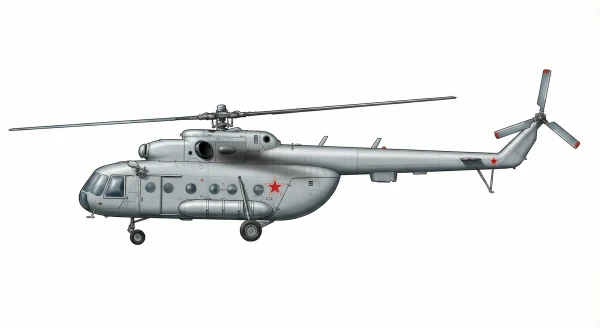
Mi-8/17/171 | 🇷🇺 Ex-USSR | 1967 | 65 | — | — |
|
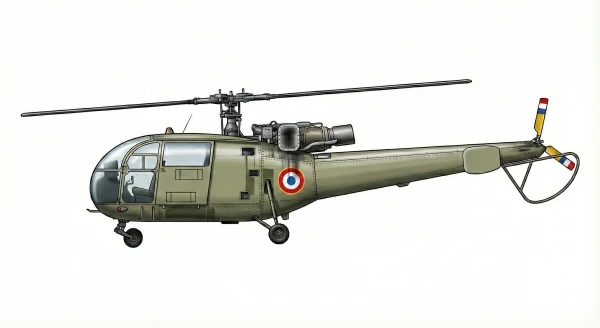
SA316/319/SE3160 | 🇫🇷 France | 1961 | 21 | — | — |
|
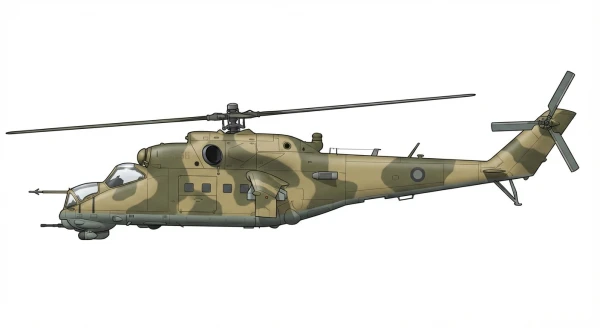
Mi-24 | 🇷🇺 Ex-USSR | 1972 | 14 | -1 | — |
|
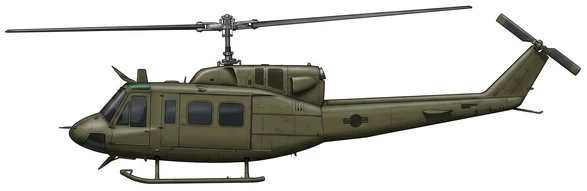
Bell 212 | 🇺🇸 United States | 1970 | 9 | — | — |
|
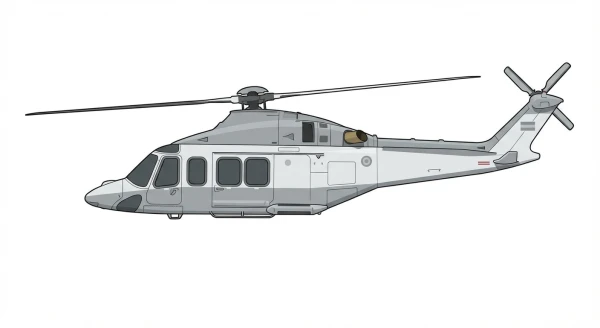
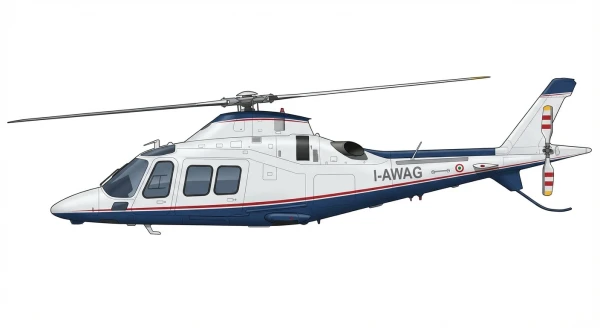
AW139 |
🇬🇧 United Kingdom 🇮🇹 Italy |
2003 | 4 | — | — |
|
AW109 |
🇬🇧 United Kingdom 🇮🇹 Italy |
1976 | 2 | — | +4 |
| Transport | ||||||
|
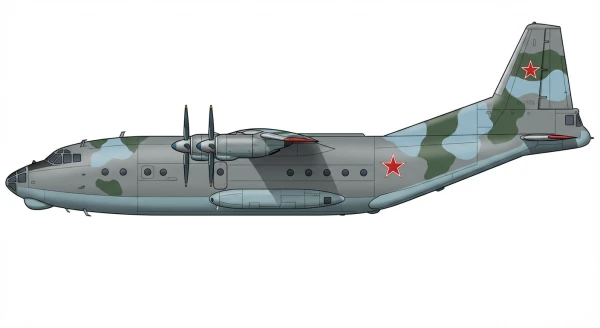
An-12 | 🇺🇦 Ukraine | 1959 | 8 | — | — |
|
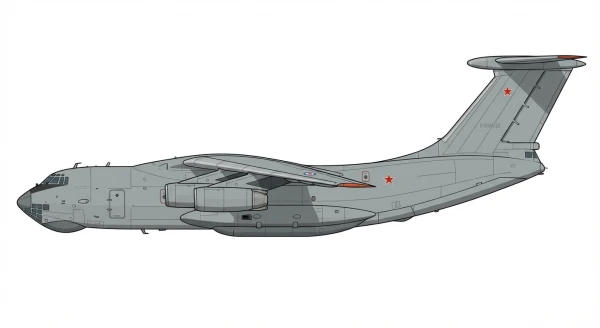
Il-76 | 🇷🇺 Ex-USSR | 1974 | 7 | — | — |
|
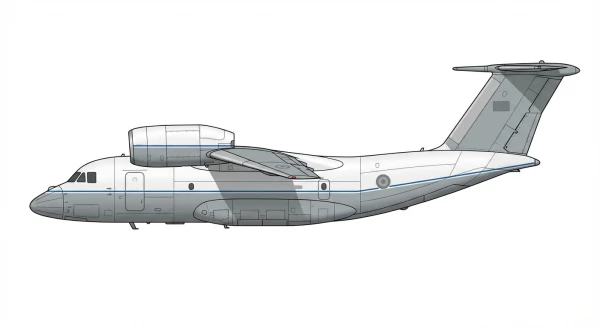
An-72 | 🇷🇺 Ex-USSR | 1985 | 5 | +1 | — |
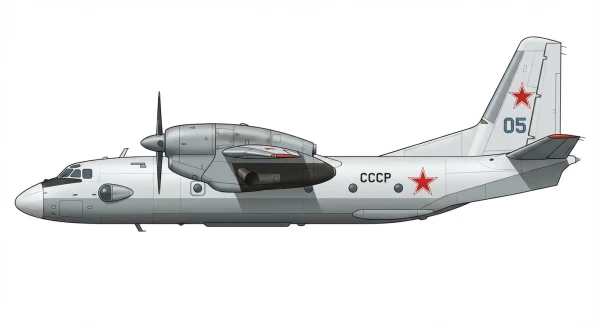
|
An-32 | 🇺🇦 Ukraine | 1982 | 4 | — | — |
|
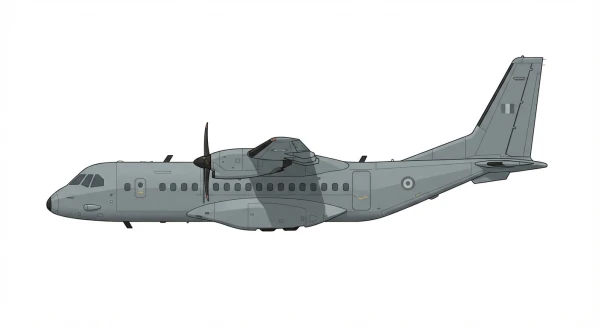
C295 |
🇪🇸 Spain 🇮🇩 Indonesia |
2001 | 3 | — | — |
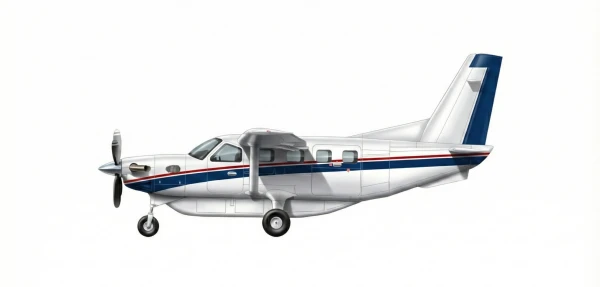
|
Kodiak 100 | 🇺🇸 United States | 2008 | 3 | — | — |
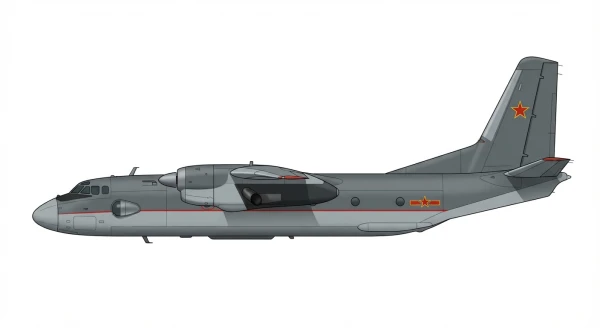
|
MA60 | 🇷🇺 Ex-USSR | 1969 | 2 | — | — |

|
C212 | 🇪🇸 Spain | 1974 | 2 | +1 | — |
|
|
An-26 | 🇷🇺 Ex-USSR | 1969 | 1 | — | — |
|
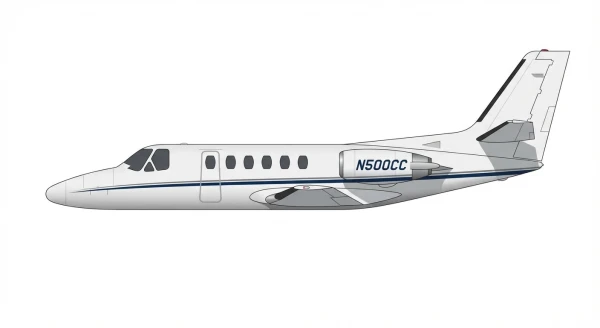
Citation I | 🇺🇸 United States | 1971 | 1 | — | — |
| Training | ||||||
|
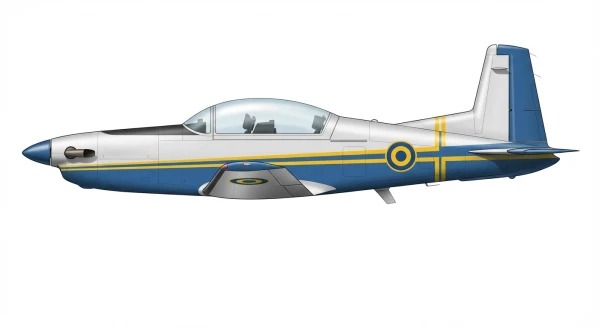
PC-7 | 🇨🇭 Switzerland | 1978 | 22 | — | — |
|
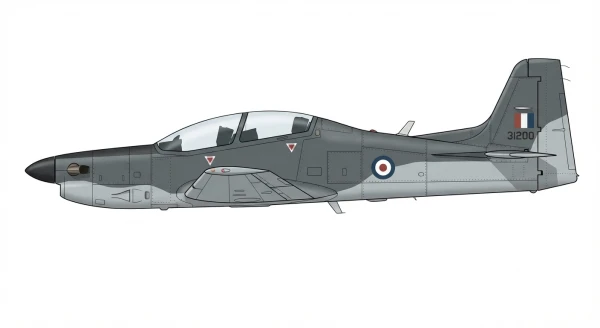
EMB-312 | 🇧🇷 Brazil | 1983 | 12 | — | — |
|
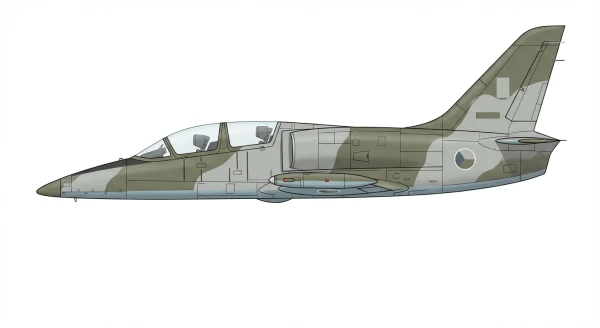
L-39 | 🇨🇿 Czechia | 1972 | 4 | — | — |
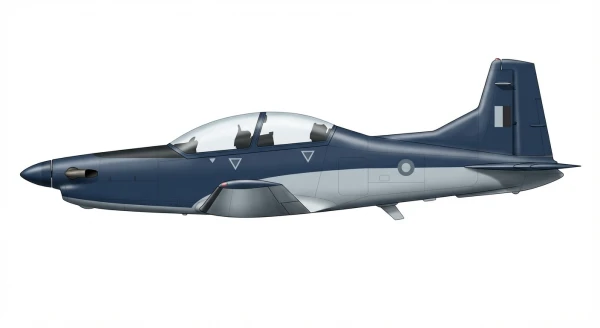
|
PC-9 | 🇨🇭 Switzerland | 1987 | 4 | — | — |
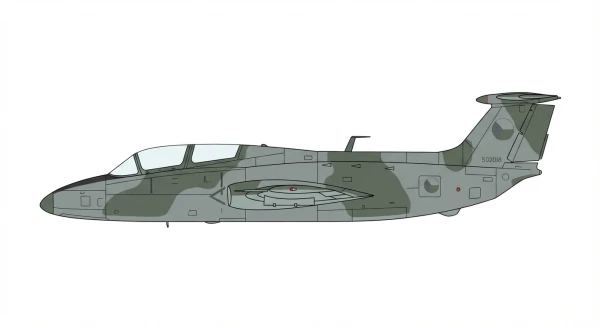
|
L-29 | 🇨🇿 Czechia | 1961 | — | -6 | — |
Overview
The National Air Force of Angola (FANA) is structured along a Soviet-era model, organized into aviation regiments corresponding to specific air bases. This framework includes fighter, transport, and helicopter units. With a personnel strength of approximately 8,000, FANA is, on paper, one of the larger air arms in sub-Saharan Africa. However, the operational status of its extensive inventory remains a key question, with many aircraft delivered during the Cold War being out of service. The active fleet's main role has often been transport and logistics, vital for connecting the vast country.
FANA’s operational capabilities are rooted in its long history of conventional warfare during the Angolan Civil War. Its primary strategic purpose was air defense and direct support for army maneuvers, a doctrine influenced by its Soviet and Cuban advisors. This legacy is reflected in its mix of equipment, which includes fighter-interceptors, ground-attack aircraft, and a substantial fleet of attack and transport helicopters. While its historical adversary was the South African Air Force, its modern doctrine has shifted towards guaranteeing national airspace sovereignty and contributing to regional security architectures like the Southern African Development Community (SADC). This includes participation in regional military exercises.
Recent efforts focus on rebuilding and upgrading capabilities that atrophied after the civil war. Angola is acquiring new aircraft and refurbishing existing platforms. Notable programs include the acquisition of Chinese K-8W jets for training and light attack roles and associated plans to build new maintenance hangars and training facilities. There is also a program to overhaul and modernize the L-39C trainer fleet with new engines and avionics, converting them to the L-39CW standard, with the first upgraded aircraft expected in 2025. The government has expressed intent to develop a domestic military-industrial base to enhance strategic autonomy, though these plans have faced funding challenges.