GlobalMilitary.net Open-source military intelligence Updated daily
Asia ยท Jakarta

Indonesia Military Forces

Open-source order of battle for 2026: 404,500 active troops, 483 aircraft, 345 warships, 1,663 ground vehicles.

World rank #29 Military index 47.2/100
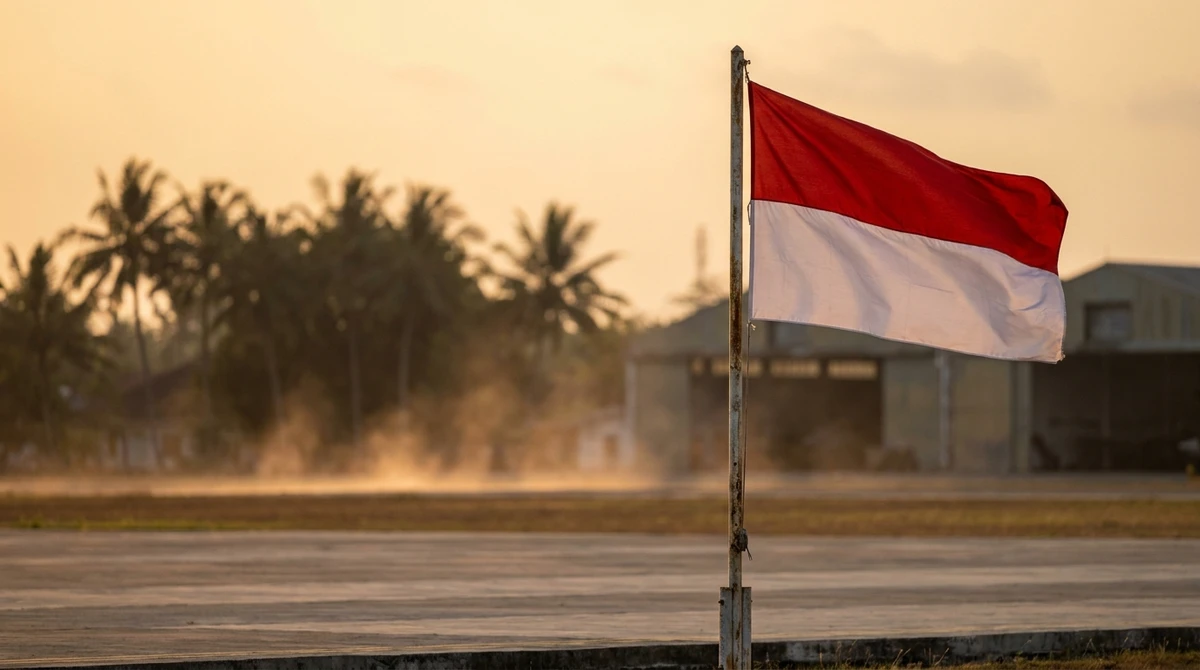
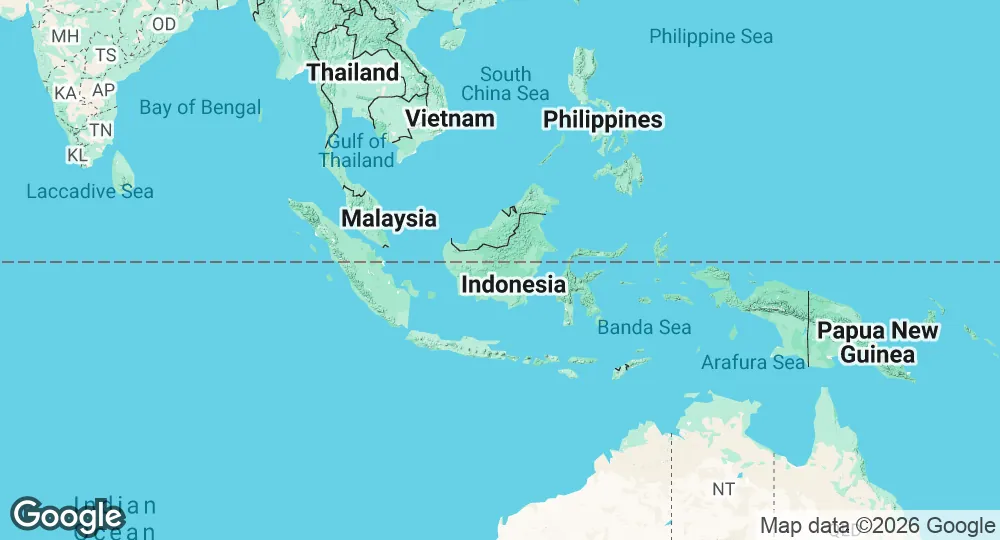
Map of Indonesia Flag of Indonesia
Active troops
404K
Reserve troops
400K
Defense budget
$11B2024
Share of GDP
0.8%
Population
283.5M2024

Armed Forces in 2026

Domain Strength Composition
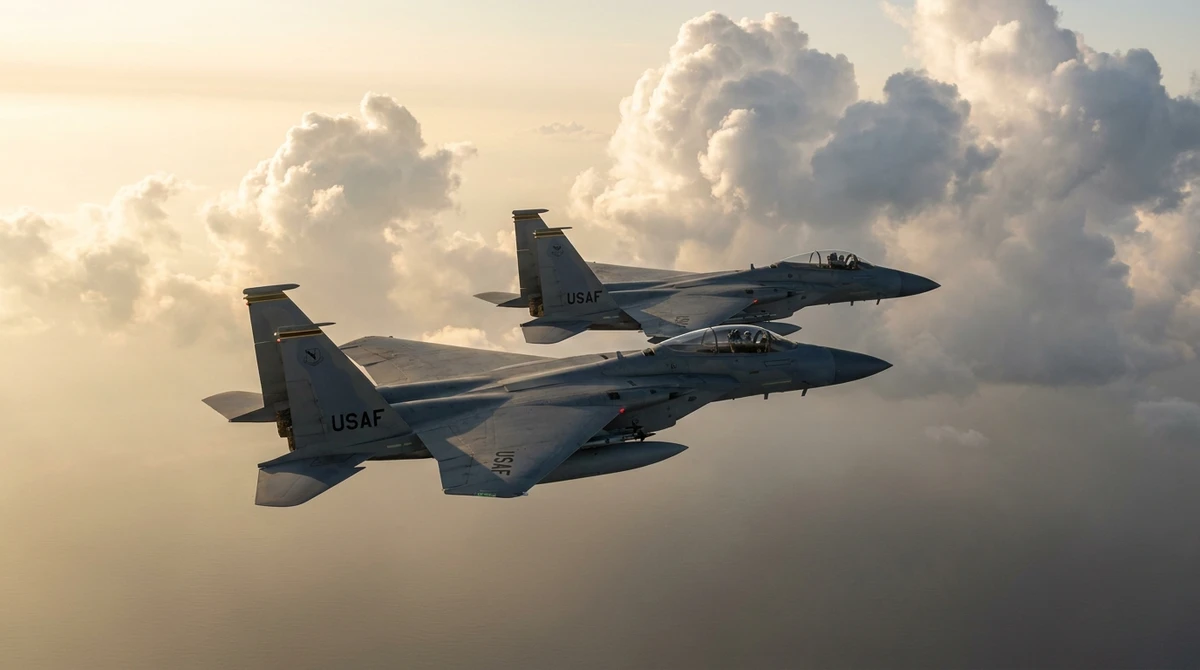
Air Force 483 aircraft 65 combat 220 helicopters 19 air bases +162 on order
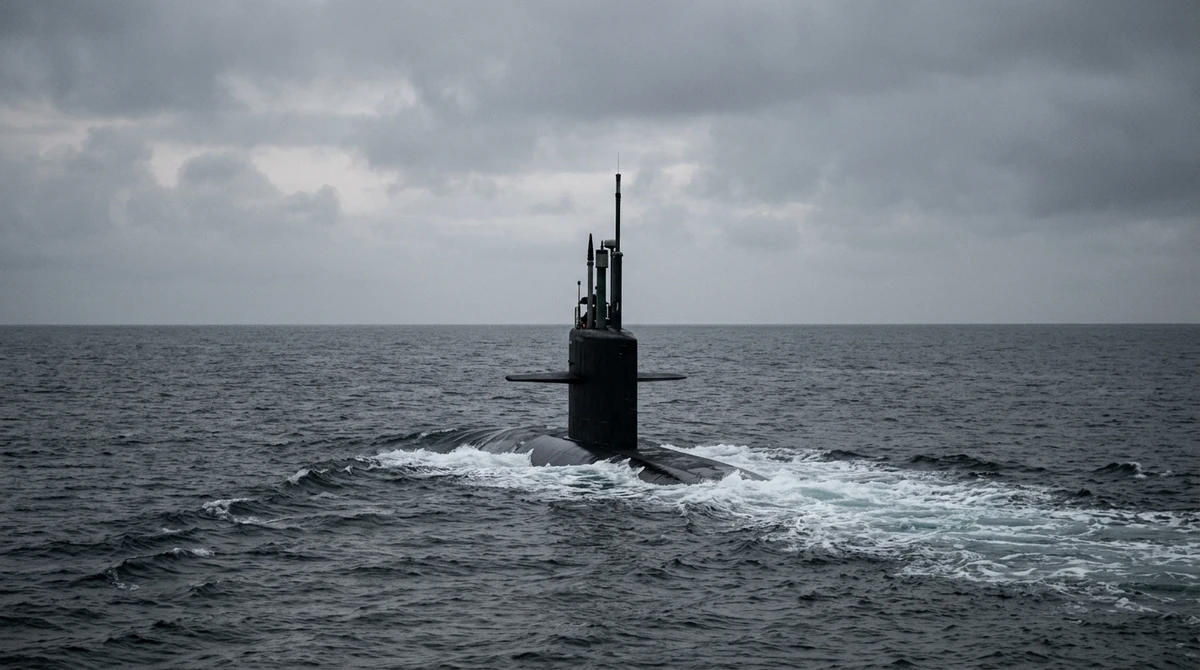
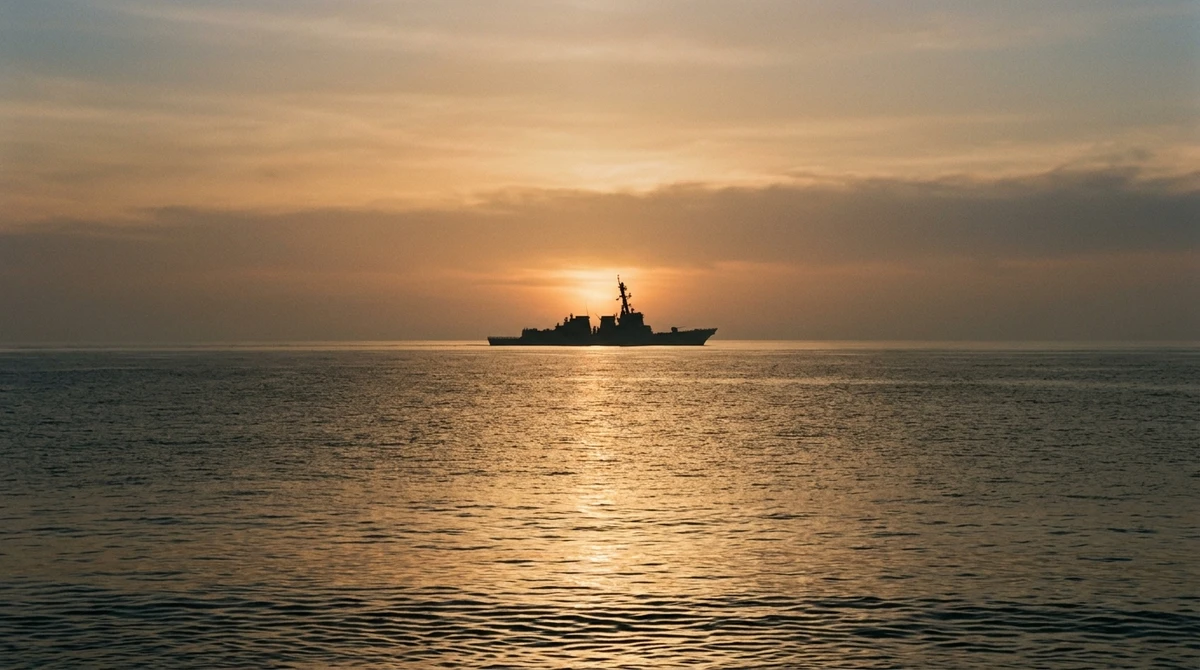
Indonesian Navy 345 warships 13 major combatants 4 submarines
Ground Forces 1,663 vehicles 331 main battle tanks
Personnel 404,500 active 400,000 reserve 290,200 paramilitary

ARMS Index (Aggregate Rating of Military Strength)

Full ranking โ†’
Score & Pillar Breakdown World #29
47.2/ 100
Indonesia ranks #29 of 175 in the ARMS Index (Aggregate Rating of Military Strength) with a score of 47.2/100. The ARMS Index scores Indonesia's overall capability on a 0โ€“100 scale from verifiable data across six pillars: manpower, ground forces, naval power, air power, nuclear deterrent and defense budget, with a readiness modifier derived from budget per soldier.
Pillar Weight Score Basis
Manpower 15% 84.5 Active, reserve & paramilitary personnel
Ground forces 20% 51.8 Tanks, armor & artillery weighted by type
Naval power 20% 64.4 Weighted by hull type: carrier tiers, nuclear vs conventional submarines
Air power 25% 51.1 Weighted by aircraft type and fleet age
Nuclear deterrent 10% 0.0 No declared nuclear capability
Defense budget 10% 62.5 Annual spending, purchasing-power adjusted
Readiness modifier ×0.98 Budget per soldier: proxy for training, maintenance & technology

Country File

Defense Statistics & Key Metrics
Population283.5M (2024)
GDP$1.4 trillion (2024)
GDP per capita$4,925
Military budget$11B (2024)
Share of GDP0.8% (2024)
Military spending per capita$39 (2024)
Inflation rate2.18% (2024)
Military Budget History
2020 โ€” $8.5B, 0.80% of GDP $8.5B 2020 2021 โ€” $9.5B, 0.80% of GDP $9.5B 2021 2022 โ€” $11B, 0.80% of GDP $11B 2022 2023 โ€” $11B, 0.80% of GDP $11B 2023 2024 โ€” $11B, 0.80% of GDP $11B 2024
Budget (US$) Share of GDP (0-1%)
Share of GDP (line): CIA World Factbook (public domain). Budget in US$ (bars): that share applied to World Bank GDP (CC BY 4.0). Estimates.
Geography
CapitalJakarta
RegionAsia
Land area1,811,569 kmยฒ
Coastline54,716 km
Land borders2,830 km
Bordering countries3
CurrencyIDR
National Flag Adopted 1945
Flag of Indonesia
Aspect ratio2:3
ColorsRed, white
Compare this Country
๐Ÿ‡ฎ๐Ÿ‡ฉ Indonesia vs

Strategic Overview in 2026

Strategic Position

Indonesia occupies an archipelagic position at the intersection of the Indian and Pacific Oceans, controlling several global maritime chokepoints, including the Malacca, Sunda, and Lombok Straits. Defense policy is governed by the doctrine of Sishankamrata (Total Peopleโ€™s Defense), which integrates military and civilian resources to maintain territorial integrity across more than 17,000 islands.

Primary security concerns involve maritime sovereignty in the North Natuna Sea, where Indonesian exclusive economic zones overlap with regional maritime claims. Strategic priorities include maritime domain awareness and the protection of Archipelagic Sea Lanes (ALKI).

Indonesia maintains a "free and active" foreign policy, avoiding formal military alliances in favor of strategic partnerships. In August 2024, Indonesia and Australia signed a treaty-level Defense Cooperation Agreement (DCA) to enhance interoperability and allow for reciprocal military access. This agreement was further extended during bilateral negotiations in early 2026. Indonesia also maintains a Comprehensive Strategic Partnership with the United States and engages in defense technology cooperation with South Korea, France, and Turkey.

Military Forces

The Indonesian National Armed Forces (TNI) comprises approximately 400,000 active-duty personnel. The force is structured into three branches: the Army (TNI-AD), Navy (TNI-AL), and Air Force (TNI-AU), all overseen by the TNI Commander who reports to the President.

The Army is the largest branch and maintains a territorial command structure known as KODAM. As of 2026, the military is undergoing a restructuring that includes the formation of 150 new territorial development battalions annually to secure state assets. The Army fields Leopard 2RI main battle tanks, Harimau medium tanks, and Anoa 6x6 armored personnel carriers. Long-range strike capabilities include the Khan short-range ballistic missile system.

The Navy operates a fleet categorized into three regional commands (KOARMADA I, II, and III). Major surface combatants include Martadinata-class frigates and PKR frigates. In 2025 and 2026, the fleet was expanded with the arrival of the frigates KRI Brawijaya and KRI Prabu Siliwangi. The submarine force includes Type 209/1400 vessels, with Scorpene Evolved diesel-electric submarines currently on order.

The Air Force is undergoing a modernization cycle focused on multi-role fighter capabilities. It operates F-16 variants and Sukhoi Su-27/30 aircraft. Deliveries of the Dassault Rafale began in 2026, with 42 units total on order. The branch also maintains T-50i Golden Eagle lead-in fighter trainers and C-130J-30 Super Hercules transport aircraft. Specialized capabilities include the Kopassus (Army special forces), Denjaka (Navy tactical unit), and Kopasgat (Air Force rapid reaction force).

Defense Industry

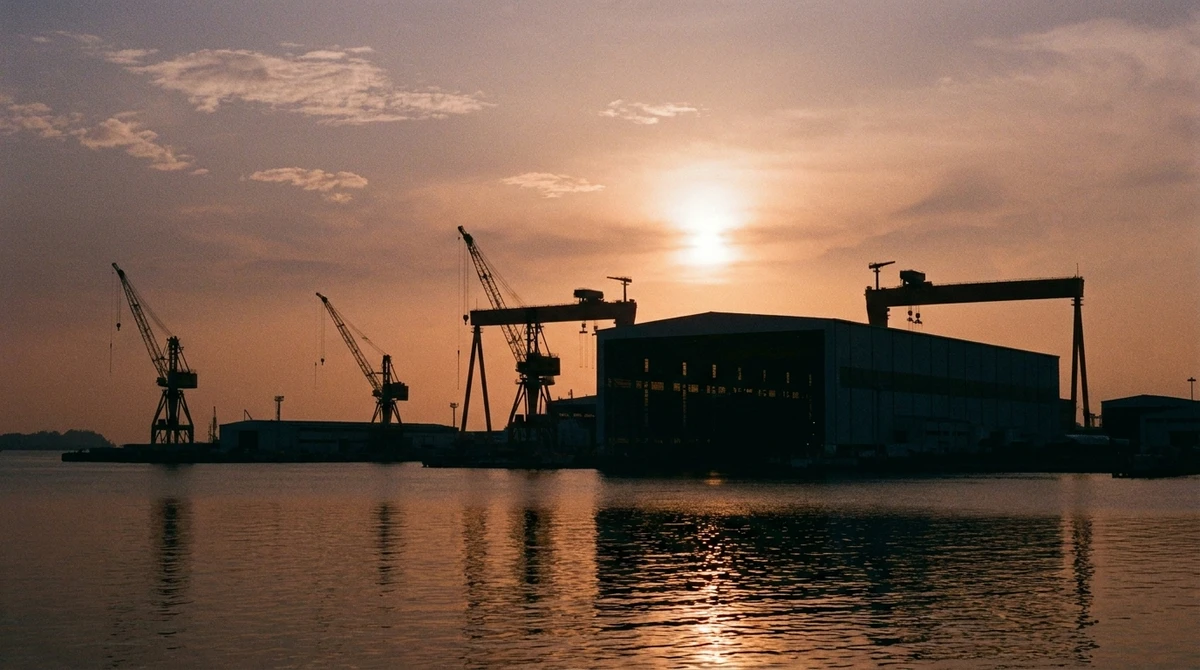
Indonesiaโ€™s defense industry is consolidated under the state-owned holding company DEFEND ID, which coordinates the activities of PT Pindad (land systems), PT PAL (naval shipbuilding), PT Dirgantara Indonesia (aerospace), PT Dahana (explosives), and PT Len Industri (electronics).

Domestic production includes the Anoa and Komodo armored vehicles, the Harimau medium tank, and the SS series of assault rifles. PT PAL serves as the lead integrator for naval vessels, including the Red White frigate program and domestic submarine maintenance. PT Dirgantara Indonesia (PTDI) produces the CN-235 and NC212i transport aircraft, which are exported to regional and international markets.

In 2025 and 2026, the government increased focus on resource sovereignty, specifically the extraction and processing of rare earth elements to support domestic defense electronics and battery production.

Strategic Trends

The 2026 defense budget reached approximately 335.3 trillion rupiah ($23.4 billion), representing a 37% increase from 2025 projections. This spending aligns with the transition from the "Minimum Essential Force" (MEF) to a new roadmap focused on "Optimum Essential Force."

Modernization efforts prioritize the procurement of high-end aerial and naval platforms, including the Rafale and potential F-15IDN acquisitions, alongside indigenous drone development such as the Anka-S program. A notable doctrinal shift involves the expanded role of the military in non-traditional security sectors, including food security and national infrastructure protection.

Constraints facing the military include the logistical challenge of maintaining a diverse inventory of equipment from multiple global suppliers (USA, Russia, France, Turkey, and China) and the fiscal balancing required to sustain rapid modernization alongside large-scale domestic development projects.

Population, GDP, Inflation and Personnel: World Bank.
Military Expenditure: CIA World Factbook. Last updated on 4 August 2026. Suggest a change

Indonesian Defense Manufacturing

Designed in Indonesia
Naval Shipbuilding 10 classes
Makassar Landing platform dockTeluk Bintuni Tank landing shipClurit Missile boatSampari Missile boatDiponegoro Multi-purpose corvetteMandau Missile boatBung Tomo Multi-role corvetteFatahillah CorvetteNagapasa Attack submarineTarlac Landing platform dock
Firearms 1 model
Pindad SS2 Assault rifle

In the News

All news โ†’

Frequently Asked Questions

How large is Indonesia's military?
Indonesia has 404,500 active military personnel with an additional 400,000 in reserve. This includes army, navy, and air force service members.
What is Indonesia's defense budget?
Indonesia's annual defense budget is approximately $11.2 billion. This covers personnel costs, equipment procurement, operations, and maintenance of military forces.
How does Indonesia rank militarily in the world?
Indonesia ranks #29 globally on the ARMS Index with a score of 47.2 out of 100. This composite index measures military capability across manpower, ground forces, naval power, air power, nuclear deterrent, and defense budget, adjusted for equipment quality and readiness.
Does Indonesia have nuclear weapons?
No, Indonesia does not possess nuclear weapons and is a non-nuclear weapon state.
How many aircraft does Indonesia's air force have?
Indonesia operates 483 military aircraft including 65 combat aircraft. The fleet includes fighters, transport planes, helicopters, and training aircraft.
How large is Indonesia's navy?
Indonesia's navy operates 345 vessels including 4 submarines. The fleet includes surface combatants, support ships, and coastal patrol craft.
How many tanks does Indonesia have?
Indonesia operates approximately 331 main battle tanks. This figure includes both active inventory and reserve stocks available for mobilization.
What percentage of GDP does Indonesia spend on defense?
Indonesia spends approximately 0.8% of its GDP on defense.
What is Indonesia's military personnel per capita?
Indonesia has approximately 1.4 active military personnel per 1,000 citizens. This ratio reflects the country's military manpower relative to its population of 283,487,931.
Does Indonesia have submarines?
Yes, Indonesia operates 4 submarines. The submarine fleet may include nuclear-powered attack submarines, ballistic missile submarines, and conventional diesel-electric boats depending on the country's naval doctrine.
Does Indonesia have paramilitary forces?
Yes, Indonesia maintains 290,200 paramilitary personnel. These forces typically include gendarmerie, border guards, coast guard, and internal security troops that supplement regular military capabilities.
Latest Data Updates
  1. AUG 42026 Updated Global Military Index updated in a site-wide editorial pass
  2. AUG 32026 Updated Global Military Index updated
  3. JUL 242026 Updated Global Military Index updated
  4. JUL 162026 Updated Global Military Index updated in a site-wide editorial pass
  5. JUL 12026 Updated Rank insignia and ranks overview updated
  6. JUN 162026 Updated Yearly statistics, military spending and 2 more fields updated
  7. JAN 172026 Updated Main battle tank count and Global Military Index updated