Saudi Arabia (ranked #14 globally) holds a stronger overall military position than Iran (#30) on the ARMS Index. Iran fields 650,000 active troops — 2.3:1 Saudi Arabia's 282,000, backed by 350,000 reserves and 40,000 paramilitary. Saudi Arabia's $88B defense budget is 9.3:1 that of Iran ($9.5B).
Six-pillar composite: manpower, ground forces, naval power, air power, nuclear deterrent and defense budget, with a readiness modifier from budget per soldier. Full methodology.
Pillar
Weight
Score
Basis
Manpower
15%
85.9
797000 effective
Ground forces
20%
72.4
1713 main battle tanks
Naval power
20%
40.6
Carrier tiers, nuclear vs conventional submarines
Air power
25%
58.4
Weighted by aircraft type & fleet age
Nuclear deterrent
10%
6.5
No declared capability
Defense budget
10%
60.9
$9.5B, PPP-adjusted
Readiness
modifier
×0.94
Budget per soldier
🇸🇦 Saudi Arabia
World #14
56.1/ 100
Six-pillar composite: manpower, ground forces, naval power, air power, nuclear deterrent and defense budget, with a readiness modifier from budget per soldier. Full methodology.
🇮🇷 Iran: Achieve strategic depth and deter attack through a "forward defense" doctrine, utilizing a vast network of regional proxies, a formidable ballistic missile/UAV arsenal, and asymmetric naval capabilities to counter technologically superior adversaries.
🇸🇦 Saudi Arabia: Protect the Kingdom, its monarchy, and its vital energy infrastructure by leveraging immense financial resources to acquire advanced Western military technology, maintaining a key strategic alliance with the U.S., and projecting power to counter Iranian influence.
2. Combat Power Snapshot
Domain
🇮🇷 Iran
🇸🇦 Saudi Arabia
Edge
Air Power
Large but antiquated fleet of US, Russian, and Chinese aircraft. Heavily reliant on drones and surface-to-air missiles for air defense.
Technologically superior force with advanced US (F-15SA) and European (Typhoon) jets, supported by robust C4ISR and aerial refueling capabilities.
🇸🇦
Ground Forces
Numerically vast force (active & reserve) with extensive combat experience via proxies. Equipment is largely obsolete but numerous.
Smaller, professional force equipped with modern Western armor (M1A2 Abrams, M2 Bradley). Lacks experience in large-scale conventional warfare.
⚖️
Naval Power
Dual-navy structure. IRGC Navy is optimized for asymmetric swarm tactics and mining in the Persian Gulf to control chokepoints.
Conventional blue-water navy with modern Western frigates and corvettes, focused on open-sea operations in the Red Sea and Arabian Sea.
🇮🇷
Strategic Arms
Large, diverse, and domestically produced arsenal of ballistic missiles and attack drones forms the core of its deterrent. Actively pursuing nuclear capabilities.
Operates an older, limited force of Chinese CSS-2 IRBMs. Possesses no nuclear program but invests heavily in advanced missile defense systems.
🇮🇷
3. Scenario: First 7 Days of War
A covert Iranian special forces operation sabotages a key Saudi desalination plant, causing mass civilian disruption. Riyadh presents undeniable evidence and declares it an act of war.
Hours 0-24: The Royal Saudi Air Force (RSAF), supported by US intelligence, launches Operation Desert Retribution. Coordinated strikes by F-15SAs and Typhoons target IRGC naval bases in Bandar Abbas, airfields, and known missile command centers. Saudi Patriot batteries are on high alert.
Days 2-3: Iran retaliates with Operation Promised Retaliation, launching hundreds of ballistic missiles and Shahed drones at Saudi energy infrastructure (Ras Tanura, Abqaiq), military airfields, and Riyadh. The IRGC Navy deploys fast attack craft and mines to threaten the Strait of Hormuz, effectively halting all tanker traffic.
Days 4-5: Saudi and US missile defenses are partially successful but overwhelmed by the volume of the Iranian barrage. Significant damage occurs at several Saudi oil facilities. The RSAF continues its air campaign, but struggles to locate and destroy Iran's mobile and hardened missile launchers. Iran's regional proxies, notably the Houthis in Yemen, open a second front with missile and drone attacks.
Days 6-7: The global economy is in shock as oil prices skyrocket. Both nations have sustained heavy economic and military losses. The RSAF maintains localized air superiority but cannot halt the missile/drone attacks. Iran has successfully disrupted global energy flows but its naval and air infrastructure is severely degraded.
Outcome: The conflict descends into a devastating war of attrition with both sides locked in a cycle of strategic strikes, creating a regional and global economic crisis.
4. Wildcards
🤝 Proxy Escalation: Iran's activation of its full "Axis of Resistance"—Hezbollah, Iraqi militias, and the Houthis—could open multiple fronts, overwhelming Saudi defenses and bogging down its forces far from the Iranian homeland.
🇺🇸 Direct U.S. Intervention: Decisive U.S. air and naval intervention on Saudi Arabia's behalf would cripple Iran's conventional military but risks a wider regional conflagration that could draw in other powers and engulf the Middle East.
🏛️ Internal Fracture: A long, costly war could prove unsustainable. Iran's populace, already under severe economic sanctions, could revolt. In Saudi Arabia, a failure to protect the population and economy could undermine the monarchy's authority.
5. Verdict
A direct military conflict between Iran and Saudi Arabia would be catastrophic for both nations and the global economy, with no plausible scenario for a clean, decisive victory for either side.
Short War (1-4 Weeks)
Long War (6+ Months)
Conventional
🇸🇦 Saudi Arabia inflicts greater damage via air superiority.
🇮🇷 Iran's strategic depth and manpower advantage win a war of attrition.
Hybrid/Asymmetric
🇮🇷 Iran's missile/proxy strikes cause immediate, disproportionate harm.
🇮🇷 Iran's doctrinal strengths protract the conflict and bleed Saudi Arabia.
This analysis is a speculative scenario generated by artificial intelligence for informational and entertainment purposes only. It does not constitute a military assessment and should not be interpreted as a prediction of any real-world outcome.
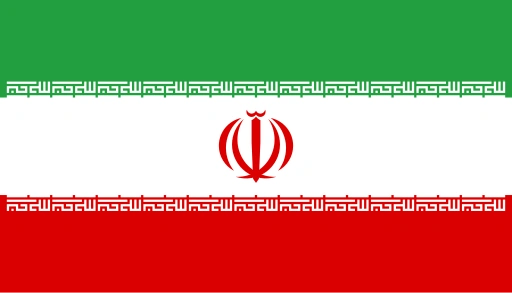 Iran vs
 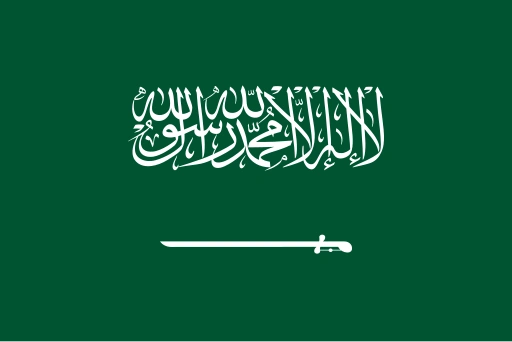 Saudi Arabia