GlobalMilitary.net Open-source military intelligence Updated daily
Asia ยท Riyadh

Saudi Arabia Military Forces

Open-source order of battle for 2026: 257,000 active troops, 914 aircraft, 30 warships, 5,608 ground vehicles.

World rank #14 Military index 56.1/100
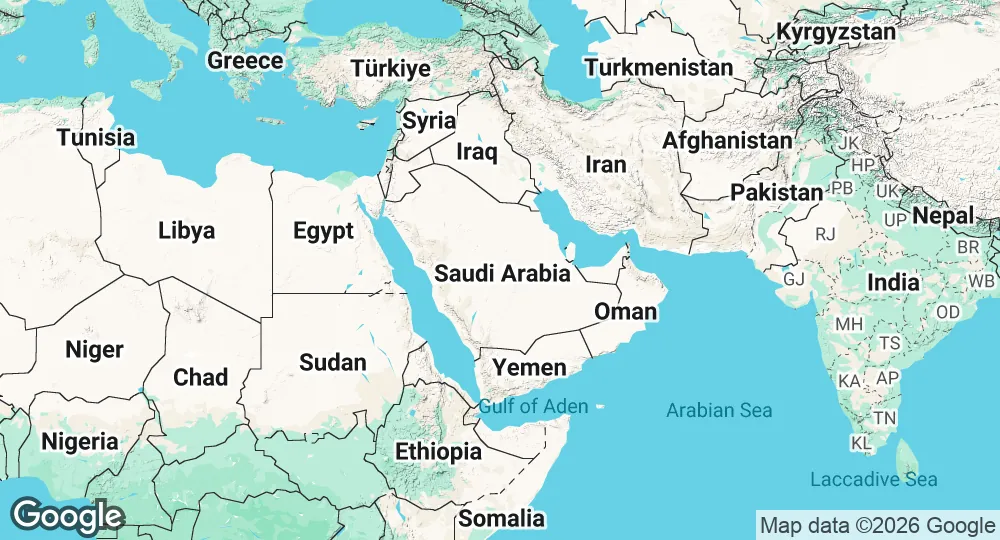
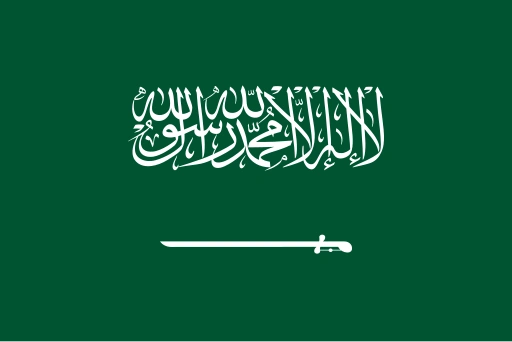
Map of Saudi Arabia Flag of the Saudi Arabia
Active troops
257K
Defense budget
$88B2024
Share of GDP
7.1%
Population
35.3M2024
2026 Iran Conflict โ€” losses logged daily Open losses tracker โ†’

Armed Forces in 2026

Domain Strength Composition
Royal Saudi Air Force 914 aircraft 384 combat 262 helicopters 12 air bases +319 on order
Royal Saudi Navy 30 warships 7 major combatants 2 naval bases
Ground Forces 5,608 vehicles 840 main battle tanks
Personnel 257,000 active 24,500 paramilitary

ARMS Index (Aggregate Rating of Military Strength)

Full ranking โ†’
Score & Pillar Breakdown World #14
56.1/ 100
Saudi Arabia ranks #14 of 175 in the ARMS Index (Aggregate Rating of Military Strength) with a score of 56.1/100. The ARMS Index scores Saudi Arabia's overall capability on a 0โ€“100 scale from verifiable data across six pillars: manpower, ground forces, naval power, air power, nuclear deterrent and defense budget, with a readiness modifier derived from budget per soldier.
Pillar Weight Score Basis
Manpower 15% 75.0 Active, reserve & paramilitary personnel
Ground forces 20% 66.9 Tanks, armor & artillery weighted by type
Naval power 20% 36.7 Weighted by hull type: carrier tiers, nuclear vs conventional submarines
Air power 25% 67.6 Weighted by aircraft type and fleet age
Nuclear deterrent 10% 0.0 No declared nuclear capability
Defense budget 10% 77.6 Annual spending, purchasing-power adjusted
Readiness modifier ×1.15 Budget per soldier: proxy for training, maintenance & technology

Country File

Defense Statistics & Key Metrics
Population35.3M (2024)
GDP$1.2 trillion (2024)
GDP per capita$35,122
Military budget$88B (2024)
Share of GDP7.1% (2024)
Military spending per capita$2,494 (2024)
Inflation rate1.69% (2024)
Military Budget History CIA World Factbook
2020 โ€” $59B, 8.00% of GDP $59B 2020 2021 โ€” $61B, 7.00% of GDP $61B 2021 2022 โ€” $81B, 6.50% of GDP $81B 2022 2023 โ€” $85B, 7.00% of GDP $85B 2023 2024 โ€” $88B, 7.10% of GDP $88B 2024
Budget (US$) Share of GDP (0-10%)
Geography
CapitalRiyadh
RegionAsia
Land area2,149,690 kmยฒ
Coastline2,640 km
Land borders4,431 km
Bordering countries8
CurrencySAR
National Flag Adopted 1973
Flag of the Saudi Arabia
Aspect ratio2:3
ColorsGreen, white
Compare this Country
๐Ÿ‡ธ๐Ÿ‡ฆ Saudi Arabia vs

Strategic Overview in 2026

Strategic Position

Saudi Arabiaโ€™s defense posture is defined by its geographical position between the Red Sea and the Persian Gulf, necessitating the protection of critical energy infrastructure and global maritime chokepoints, specifically the Bab al-Mandab Strait and the Strait of Hormuz. The primary security concern remains the regional influence of Iran and its network of non-state proxies, particularly regarding ballistic missile and unmanned aerial vehicle (UAV) threats. While a diplomatic rapprochement with Tehran was initiated, the Kingdom maintains a posture of conventional deterrence.

The Kingdom is a founding member of the Gulf Cooperation Council (GCC) and the Islamic Military Counter Terrorism Coalition (IMCTC). It maintains a long-standing bilateral security partnership with the United States, which includes extensive training programs and the stationing of personnel. Defense cooperation is also maintained with the United Kingdom through the Al-Yamamah and Al-Salam programs, and with France and Spain for naval and aerospace systems. In 2025 and 2026, the Kingdom expanded its defense ties with China and Pakistan, focusing on missile technology and potential combat aircraft procurement.

Military Forces

The Saudi Arabian Armed Forces are organized under the Ministry of Defense, which oversees five service branches: the Royal Saudi Land Forces (RSLF), Royal Saudi Air Force (RSAF), Royal Saudi Naval Forces (RSNF), Royal Saudi Air Defense Forces (RSADF), and the Royal Saudi Strategic Missile Force (RSSMF). The Royal Saudi National Guard (SANG) remains a separate entity reporting directly to the King, focused on internal security and the protection of the royal family. Total active personnel are estimated at approximately 250,000, with an additional 100,000 in the National Guard.

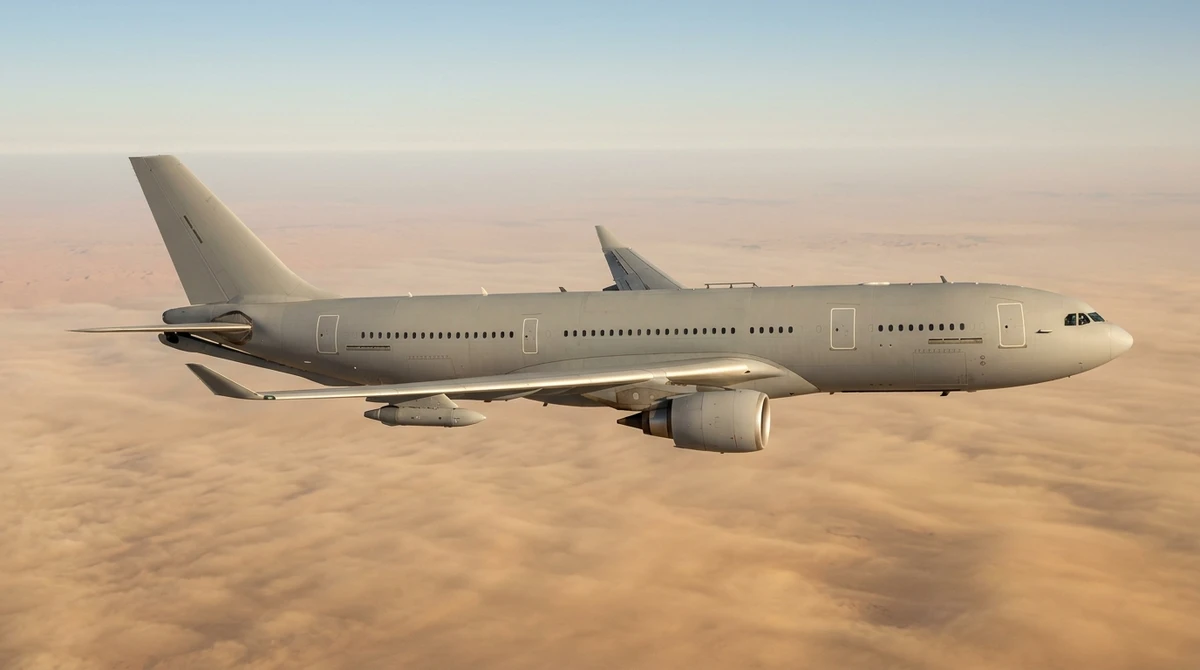
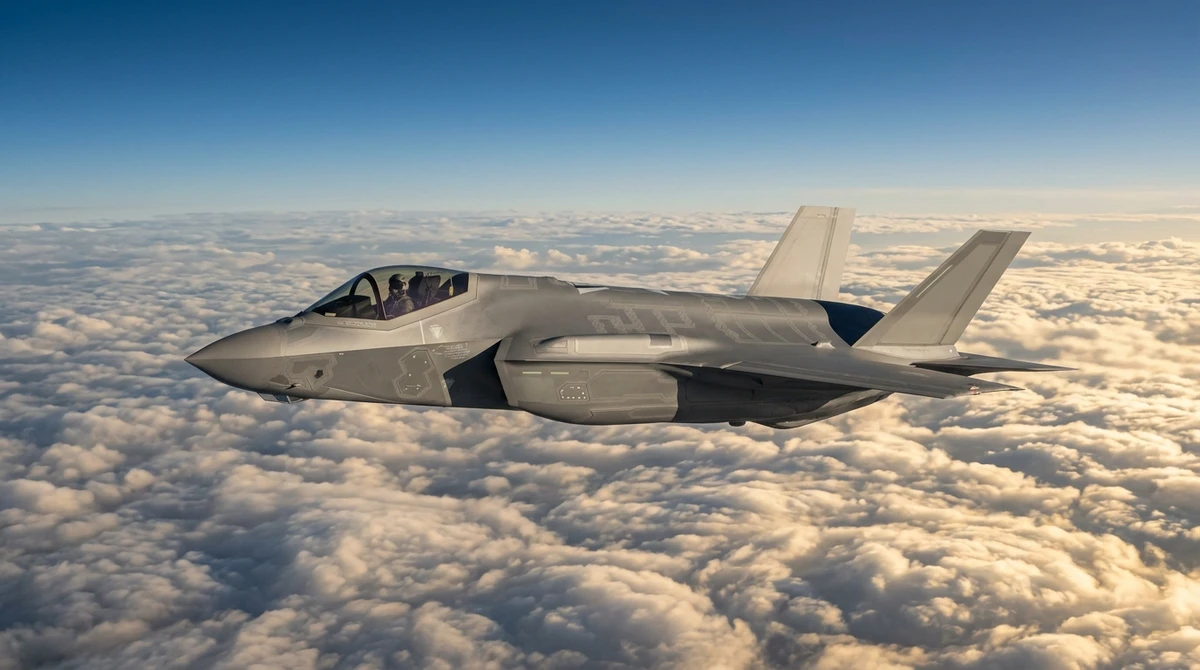
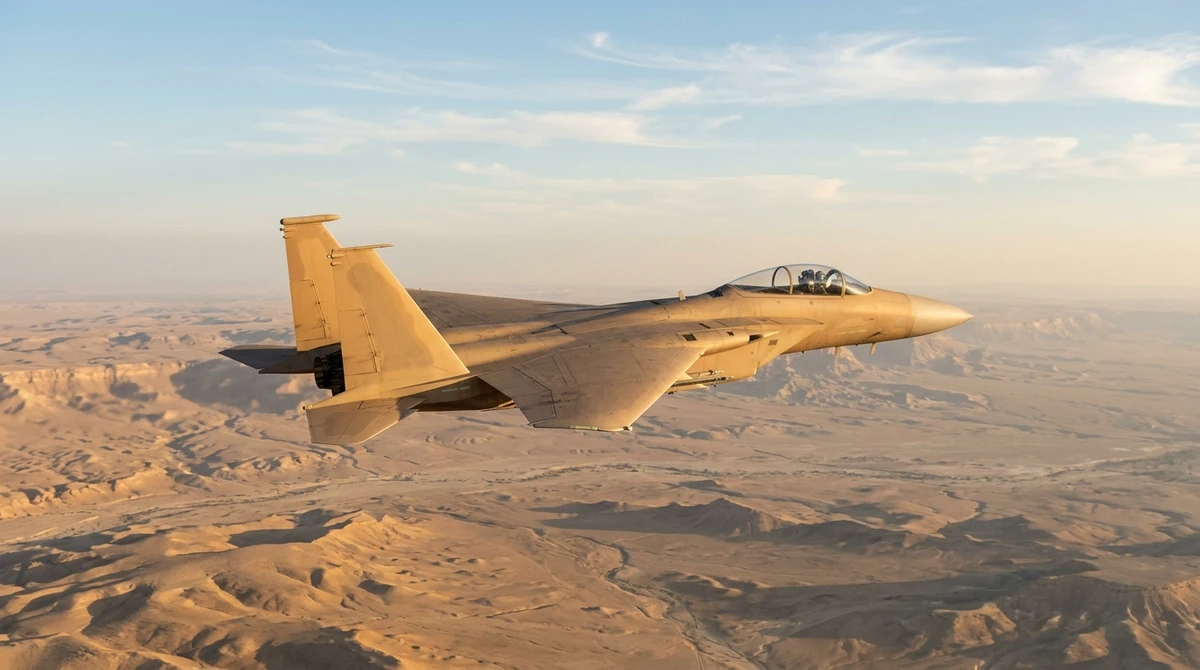
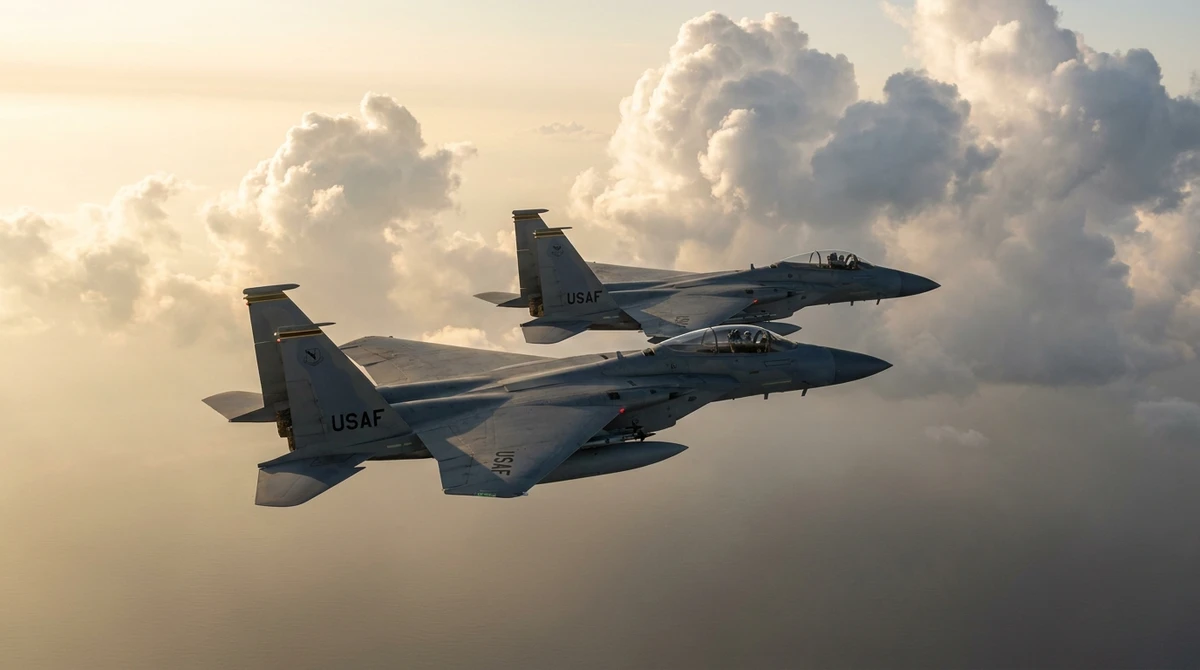
The RSLF operates M1A2S Abrams, M60A3, and AMX-30 main battle tanks. Mechanized units utilize M2 Bradley infantry fighting vehicles and M113 armored personnel carriers. The RSAF maintains a fleet of F-15 (C, D, S, and SA variants), Eurofighter Typhoon, and Panavia Tornado IDS multirole fighters. Support assets include A330 MRTT aerial tankers and E-3 Sentry AWACS aircraft. In 2026, the RSAF continued evaluations for fifth-generation platforms and potential multi-sourced acquisitions of Rafale or JF-17 aircraft.

The RSNF is divided into the Western Fleet (Red Sea) and the Eastern Fleet (Persian Gulf). Major surface combatants include Al Riyadh-class and Al Madinah-class frigates, and the Al Jubail-class (Avante 2200) corvettes. The RSSMF operates Chinese-origin DF-3 and DF-21 intermediate-range ballistic missiles, with evidence of domestic solid-propellant motor production facilities. Integrated air defense is managed by the RSADF, which utilizes MIM-104 Patriot and Terminal High Altitude Area Defense (THAAD) systems.

Defense Industry

The Saudi defense industry is regulated by the General Authority for Military Industries (GAMI), while Saudi Arabian Military Industries (SAMI) serves as the primary state-owned commercial entity. Under the Vision 2030 framework, the government aims to localize 50% of its military expenditure by 2030. As of 2025, localization rates were reported at approximately 19%.

The Land Systems Industrial Complex in Al-Kharj, spanning one million square meters, is scheduled to be fully operational in early 2026. This facility focuses on the assembly and maintenance of armored vehicles and artillery systems. Domestic products include the Al-Shibl and Al-Masmak armored vehicles and the Saker series of UAVs. SAMI maintains joint ventures with Lockheed Martin for missile defense integration, Navantia for naval vessel construction and maintenance, and Boeing for aerospace sustainment. In 2025, SAMI launched its first domestically developed combat management system for naval platforms.

Strategic Trends

The defense budget for 2026 is projected at approximately $78-$80 billion, representing roughly 7.3% of GDP. This reflects a shift from active involvement in external conflicts toward a posture of domestic deterrence and industrial self-sufficiency. A major leadership reshuffle in August 2025 within the Ministry of Defense was aimed at accelerating the "Transformation Program," which seeks to improve joint-force interoperability and centralize command structures.

Procurement priorities are focused on Integrated Air and Missile Defense (IAMD) to counter asymmetric threats to energy facilities, such as those operated by Saudi Aramco. The 2026 energy defense strategy specifically emphasizes maritime surveillance and cybersecurity for export infrastructure. Challenges include the technical complexity of integrating equipment from diverse international suppliers and the ongoing requirement for specialized training to transition the workforce from foreign-led maintenance to indigenous technical management.
Population, GDP, Inflation and Personnel: World Bank.
Military Expenditure: CIA World Factbook. Last updated on 4 August 2026. Suggest a change

Saudi Arabian Defense Manufacturing

Designed in Saudi Arabia
Naval Shipbuilding 2 classes
Al Madinah FrigateBadr Corvette

In the News

All news โ†’
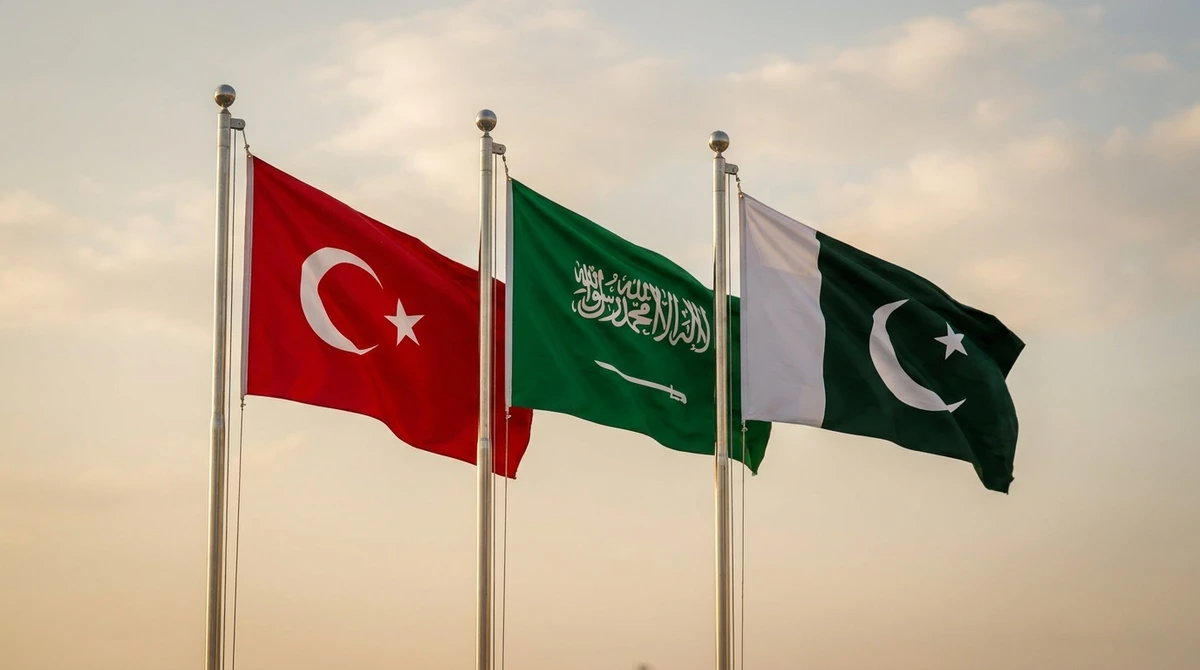
Turkey, Saudi Arabia and Pakistan Sign Mecca Joint Deterrence Agreement
AUG 10, 2026

Turkey, Saudi Arabia and Pakistan Sign Mecca Joint Deterrence Agreement

Signed in Mecca on 7 August 2026 by Erdogan, Mohammed bin Salman and Shehbaz Sharif, the pact treats an armed attack on any one of the three states as an attack on all. Together they field 3,350 military aircraft and 1.27 million active troops.

๐Ÿ‡ต๐Ÿ‡ฐ ๐Ÿ‡ธ๐Ÿ‡ฆ ๐Ÿ‡น๐Ÿ‡ท

Frequently Asked Questions

How large is Saudi Arabia's military?
Saudi Arabia has 257,000 active military personnel. This includes army, navy, and air force service members.
What is Saudi Arabia's defense budget?
Saudi Arabia's annual defense budget is approximately $88 billion. This covers personnel costs, equipment procurement, operations, and maintenance of military forces.
How does Saudi Arabia rank militarily in the world?
Saudi Arabia ranks #14 globally on the ARMS Index with a score of 56.1 out of 100. This composite index measures military capability across manpower, ground forces, naval power, air power, nuclear deterrent, and defense budget, adjusted for equipment quality and readiness.
Does Saudi Arabia have nuclear weapons?
No, Saudi Arabia does not possess nuclear weapons and is a non-nuclear weapon state.
How many aircraft does Saudi Arabia's air force have?
Saudi Arabia operates 914 military aircraft including 384 combat aircraft. The fleet includes fighters, transport planes, helicopters, and training aircraft.
How large is Saudi Arabia's navy?
Saudi Arabia's navy operates 30 vessels. The fleet includes surface combatants, support ships, and coastal patrol craft.
How many tanks does Saudi Arabia have?
Saudi Arabia operates approximately 840 main battle tanks. This figure includes both active inventory and reserve stocks available for mobilization.
What percentage of GDP does Saudi Arabia spend on defense?
Saudi Arabia spends approximately 7.1% of its GDP on defense. This meets the NATO target of 2% of GDP.
What is Saudi Arabia's military personnel per capita?
Saudi Arabia has approximately 7.3 active military personnel per 1,000 citizens. This ratio reflects the country's military manpower relative to its population of 35,300,280.
Does Saudi Arabia have paramilitary forces?
Yes, Saudi Arabia maintains 24,500 paramilitary personnel. These forces typically include gendarmerie, border guards, coast guard, and internal security troops that supplement regular military capabilities.
Latest Data Updates
  1. AUG 42026 Updated Global Military Index updated in a site-wide editorial pass
  2. JUL 162026 Updated Global Military Index updated in a site-wide editorial pass
  3. JUN 302026 Updated Rank insignia updated (66 entries)
  4. JUN 162026 Updated Yearly statistics, military spending and 2 more fields updated
  5. JAN 172026 Updated Main battle tank count and Global Military Index updated
  6. JAN 132026 Updated Description updated