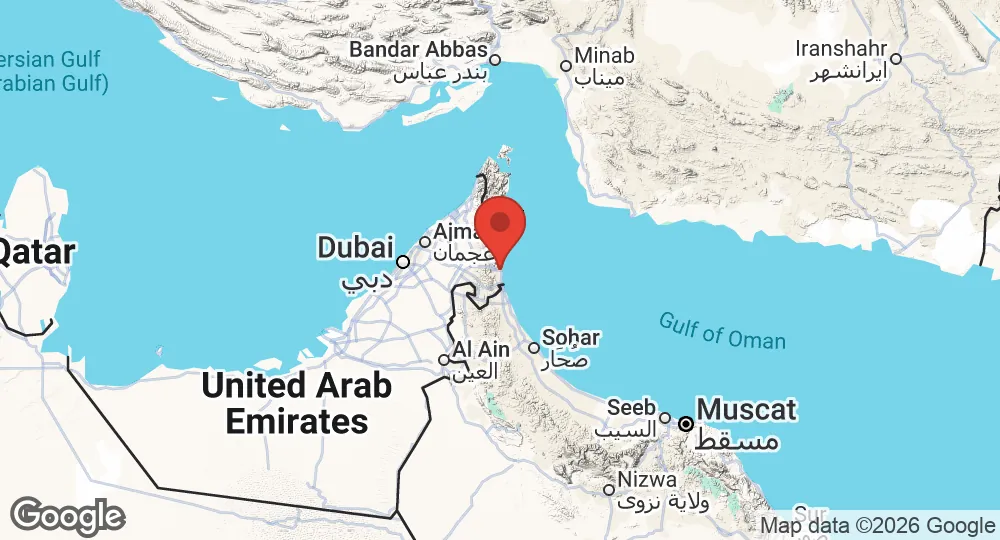
On June 13, 2019, two tankers transiting the Gulf of Oman were struck in a second wave of attacks a month after the Fujairah sabotage. The Marshall Islands-flagged Front Altair, carrying naphtha, caught fire roughly 19 nautical miles off Iran's coast; the Panama-flagged Kokuka Courageous, carrying methanol, was hit about 21 nautical miles offshore. Both crews were evacuated and rescued by US and Iranian vessels; no fatalities were reported. US officials, citing intelligence and a video allegedly showing an IRGC boat removing an unexploded mine, blamed Iran. Iran denied responsibility.
Daily figures from IMF PortWatch around June 13, 2019; the day's value is compared with the trailing 30-day average. Week comparisons are shown only when the series covers both full weeks.
IMF PortWatch data published on GMN's Strait of Hormuz tracker shows commercial ship transits averaging 3.17 a day over 1-6 September 2026, against 85.5 a day in 2025; other counters read higher, but every independent count is a small fraction of the pre-war norm.
Iran's Revolutionary Guard said on 8 September 2026 it had recovered a US Navy Anduril Dive-LD autonomous underwater vehicle at the entrance to the Strait of Hormuz; US Central Command said the vehicle had malfunctioned more than a day earlier, and Anduril confirmed the loss.
The United States decommissioned its four Bahrain-based Avenger-class mine hunters in September 2025 and shipped the hulls home in January 2026. When Iran began mining the Strait of Hormuz two months later, according to CENTCOM, the Navy had to sail two of its last four minesweepers from Japan.