Iran says it recovered US Navy Dive-LD undersea drone at Strait of Hormuz; CENTCOM cites malfunction
Iran's Revolutionary Guard said on 8 September 2026 it had recovered a US Navy Anduril Dive-LD autonomous underwater vehicle at the entrance to the Strait of Hormuz; US Central Command said the vehicle had malfunctioned more than a day earlier, and Anduril confirmed the loss.
Iran's Islamic Revolutionary Guard Corps said on 8 September 2026 that it had recovered a United States Navy uncrewed submersible at the entrance to the Strait of Hormuz, and released video showing the vehicle on a barge. The vehicle was identified as an Anduril Dive-LD, a large autonomous underwater vehicle. The United States military and the manufacturer both confirmed the loss, while giving an account of how it occurred that differs from Tehran's.
The Dive-LD is built by Anduril Industries, a California defense company. It is 5.8 m (19 ft) long, about 2 m in diameter and weighs roughly 3 tons. Its missions include mine countermeasures, seabed mapping, intelligence gathering and the inspection of undersea infrastructure such as cables and pipelines. According to Anduril's website, the vehicle can operate for up to 10 days without returning to base and is designed to dive to depths of up to 6,000 m. In US Navy service the type is operated by Unmanned Undersea Vehicle Group 1 and its Undersea Vehicle Squadron 3; the first vehicles were delivered to the group in 2025.
The IRGC, through the Iranian state media outlet Tasnim, announced the capture, identified the vehicle as a Dive-LD and published footage of it aboard a barge. A US Central Command spokesman, a Navy captain, said the vessel had been surveilling regional waters and had "malfunctioned more than a day ago", adding that it "neither collected sensitive data nor carried any classified sonar or radar equipment". The Pentagon characterized the vehicle as defective and as an older model. Iran's account of how it obtained the vehicle and the US account of a malfunction followed by a recovery are not the same claim, and neither side has reconciled its version with the other's.
Anduril confirmed the loss of a Dive-LD operating in the region. "Dive-LD is an attritable autonomous system, meaning it is designed from the outset to operate in dangerous environments where loss of the vehicle is an expected possibility," the company said. "Its purpose is to keep warfighters out of the most dangerous parts of the undersea mission."
GlobalMilitary.net records the incident as a navy event dated 8 September 2026: a US Navy Dive-LD, captured, Strait of Hormuz. It follows a run of US uncrewed losses in the same theater. Three MQ-9 Reaper drones have been shot down over or beside the strait since the start of August 2026 — on 3 August, on 14 August over Qeshm Island in Hormozgan Province, and on 31 August — while a fourth was lost on 1 September over Khomein, in central Iran. Across 2026 as a whole, GMN's event log records 50 US uncrewed airframes lost, all tied to the 2026 Iran conflict; 48 of those were MQ-9 Reapers.
The Dive-LD joins a small group of large uncrewed maritime vehicles documented on GMN:
- the US Navy's Orca extra-large uncrewed undersea vehicle;
- the US Navy's Sea Hunter uncrewed surface vessel;
- Australia's Ghost Shark extra-large autonomous underwater vehicle.
Iran also has a long record of seizing merchant vessels in and around the strait; the most recent tanker seizure GMN logs there is that of the tanker Talara off Khor Fakkan in November 2025. The naval and aerial incidents in the waterway, including the Reaper shootdowns and this recovery, are compiled in GlobalMilitary.net's Strait of Hormuz activity tracker.
The IRGC video shows the vehicle in Iranian hands; neither Tehran nor Washington has said what will become of it. GMN's naval events log will carry any further detail either side releases on the circumstances of the loss.
More News
All news →
US Has Lost 50 Uncrewed Aircraft in 2026, All in the Iran Conflict, GMN Data Shows
GlobalMilitary.net has logged 50 US uncrewed aircraft lost in 34 events between January 1 and September 9, 2026, 48 of them MQ-9 Reapers and all attached to the Iran conflict; on September 8 Iran said it had recovered a US Navy underwater drone at the entrance to the Strait of Hormuz.
US Navy fast-tracks Tomahawk warhead housings, citing 'current international conflict'
In a contract notice dated September 2, 2026, the US Navy contracted General Dynamics Ordnance and Tactical Systems to deliver Tactical Tomahawk warhead housings within nine months, weeks after a $22.9 billion Raytheon award to lift output from about 60 missiles a year toward more than 1,000.
Saudi Arabia Cleared to Buy 10,004 JDAM Guidance Kits and 60 Abrams Engines in $5.75 Billion Package
The US State Department on September 4, 2026 approved two possible Foreign Military Sales to Saudi Arabia: a $5.0 billion JDAM-Extended Range package of 10,004 guidance kits with matching bombs, and 60 AGT-1500 engines for the kingdom's M1 Abrams tanks at $750 million.
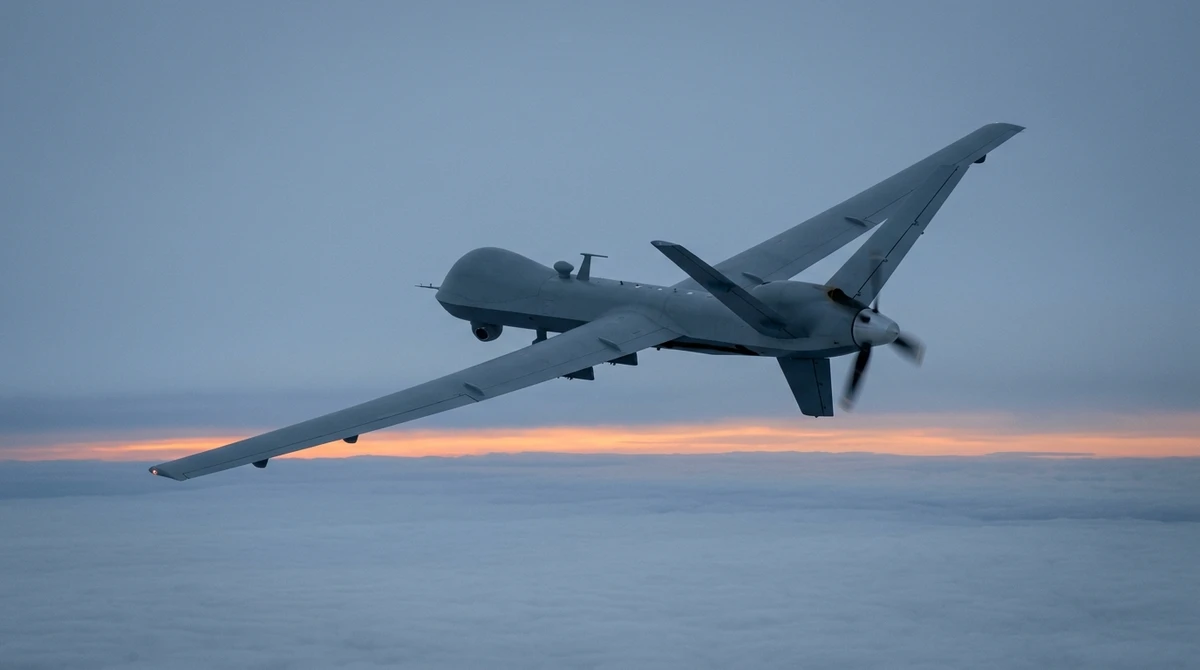
Air Force Sets $10 Million Unit-Cost Target for MQ-9 Successor and Pulls Initial Fleet Forward
Lt. Gen. Christopher Niemi, the US Air Force's Chief Modernization Officer, told a Pentagon roundtable on September 3, 2026 that the Massed Modular Aircraft should cost about $10 million per airframe before mission equipment, with an initial fleet of 20 now wanted within roughly three years.
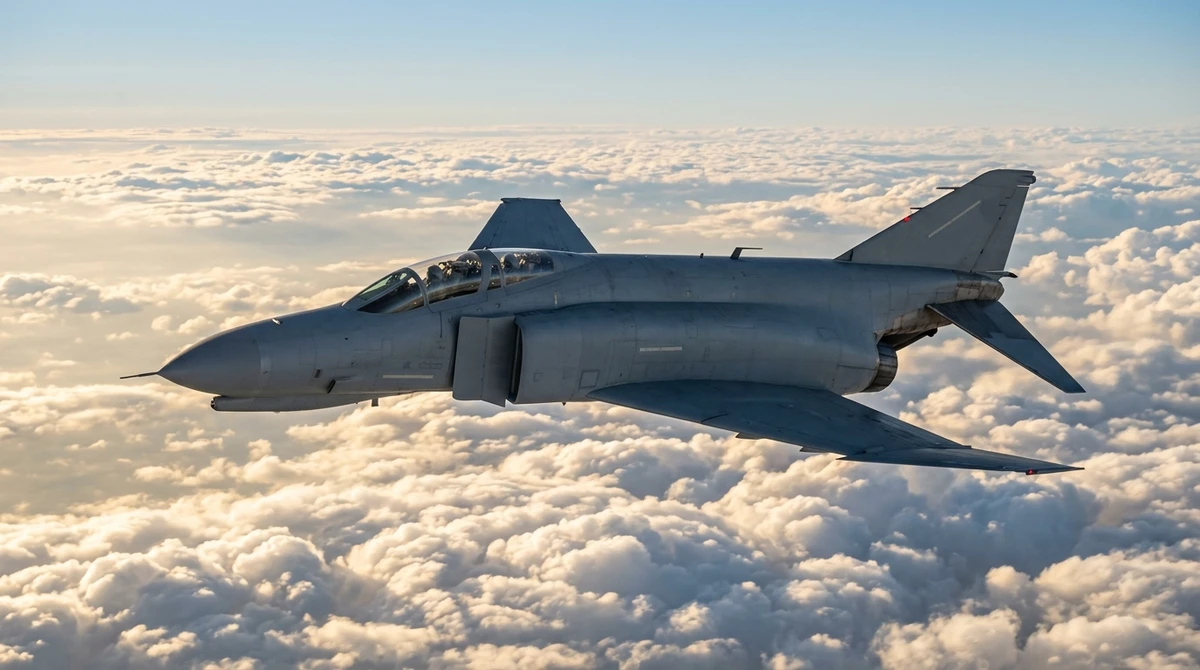
Only Three Air Forces Still Fly the F-4 Phantom II, and Greece Has Just Lost Another
A Hellenic Air Force F-4E Phantom II crashed during its display at Athens Flying Week on 5 September 2026, killing both crew members, the Hellenic Air Force said, and leaving 127 Phantoms in service worldwide with Greece, Turkey and Iran.
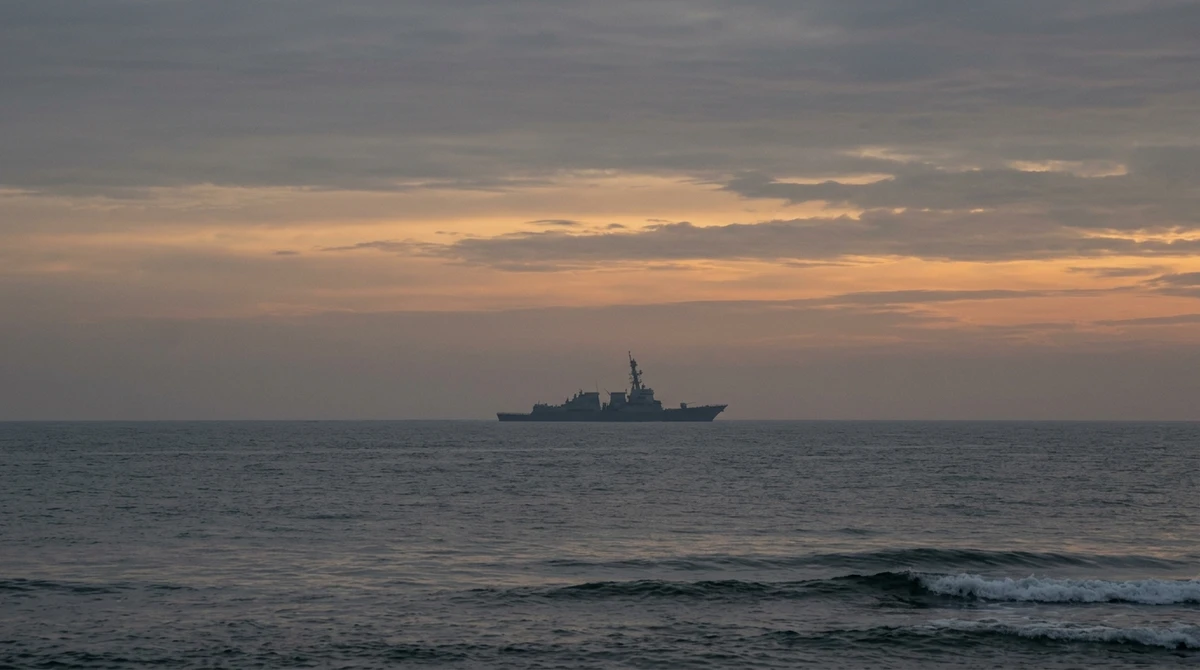
US Navy Opens Formal Study of Japanese, Korean and Turkish Frigates After Constellation Cancellation
The US Navy has opened a formal evaluation of the Japanese Mogami, South Korean Chungnam and Turkish Istanbul frigate designs for a new class of frigates, USNI News reported on 1 September 2026, with the assessment due on 12 November.