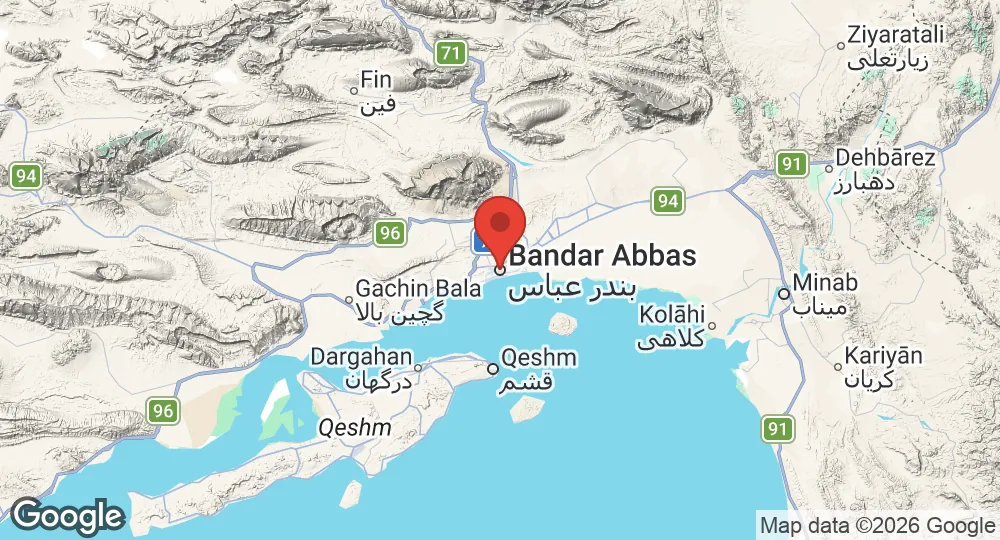
On the opening day of Operation Epic Fury, US strikes sank or destroyed much of Iran's surface fleet at its moorings in Bandar Abbas and Konarak naval bases, at the northern shore of the Strait of Hormuz. Commercial shipping reacted within days: AIS transit calls through the strait, which had averaged around 70 ships per day in the preceding weeks, fell by more than ninety percent in March as insurers withdrew cover and operators rerouted or held cargoes. According to Janes, the strikes amounted to the effective demise of Iran's conventional navies as a fighting force.
Daily figures from IMF PortWatch around February 28, 2026; the day's value is compared with the trailing 30-day average. Week comparisons are shown only when the series covers both full weeks.
IMF PortWatch data published on GMN's Strait of Hormuz tracker shows commercial ship transits averaging 3.17 a day over 1-6 September 2026, against 85.5 a day in 2025; other counters read higher, but every independent count is a small fraction of the pre-war norm.
Iran's Revolutionary Guard said on 8 September 2026 it had recovered a US Navy Anduril Dive-LD autonomous underwater vehicle at the entrance to the Strait of Hormuz; US Central Command said the vehicle had malfunctioned more than a day earlier, and Anduril confirmed the loss.
The United States decommissioned its four Bahrain-based Avenger-class mine hunters in September 2025 and shipped the hulls home in January 2026. When Iran began mining the Strait of Hormuz two months later, according to CENTCOM, the Navy had to sail two of its last four minesweepers from Japan.