Strategic Position
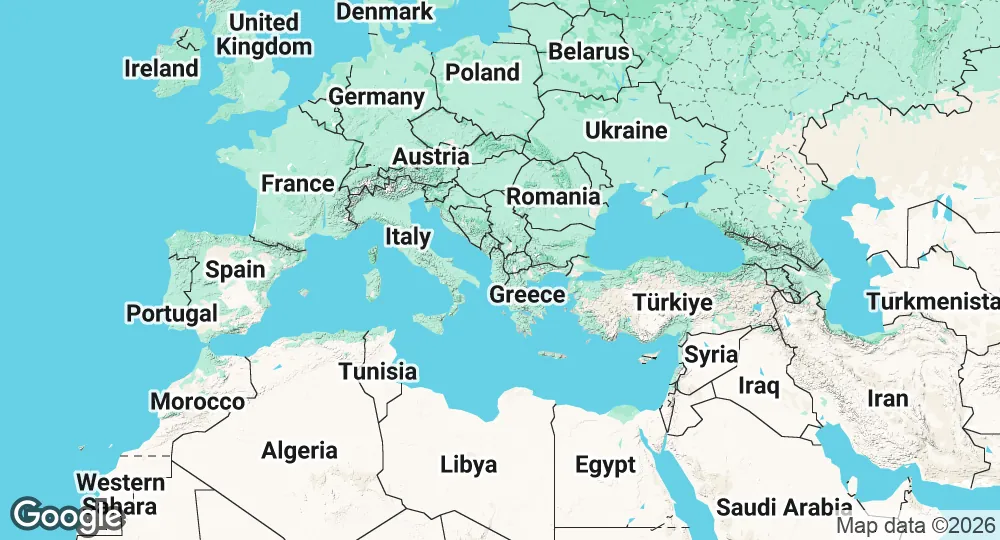
Albania is a member of NATO and serves as a primary security partner for the United States and European Union in the Western Balkans. The nation’s defense doctrine is centered on collective security through the Alliance and the maintenance of regional stability. Geopolitically, the country prioritizes maritime security in the Adriatic and Ionian Seas and maintains a strategic orientation toward the integration of the Western Balkans into Euro-Atlantic structures.
Bilateral defense cooperation is most prominent with the United States, Italy, and Turkey. Albania hosts the Kuçovë Air Base, which operates as a NATO tactical hub for air policing and logistical support in the region. Regional engagement is further managed through the Adriatic Charter (A5) and participation in multinational exercises such as the Defender series. Defense priorities include enhancing interoperability with NATO standards and contributing to international peacekeeping and crisis management missions.
Military Forces
The Albanian Armed Forces (AAF) are directed by the General Staff and organized into three primary branches: the Land Force, the Air Force, and the Naval Force. Support structures include the Training and Doctrine Command, the Support Command, and the Military Police. Active personnel numbers are approximately 8,500, with official plans to expand the force to 9,500 by 2029. A formal Reserve Force is also maintained to support civil emergencies and cyber defense.
The Land Force is the largest branch and is structured around infantry regiments and a specialized Special Operations Battalion (BOS). Inventory focuses on high-mobility and armored protection rather than heavy armor. The force operates MaxxPro Mine-Resistant Ambush Protected (MRAP) vehicles, Humvees, and M113 armored personnel carriers. As of 2025, the Land Force has integrated the Javelin anti-tank missile system, with additional deliveries scheduled for 2026 to certify a full battalion group.
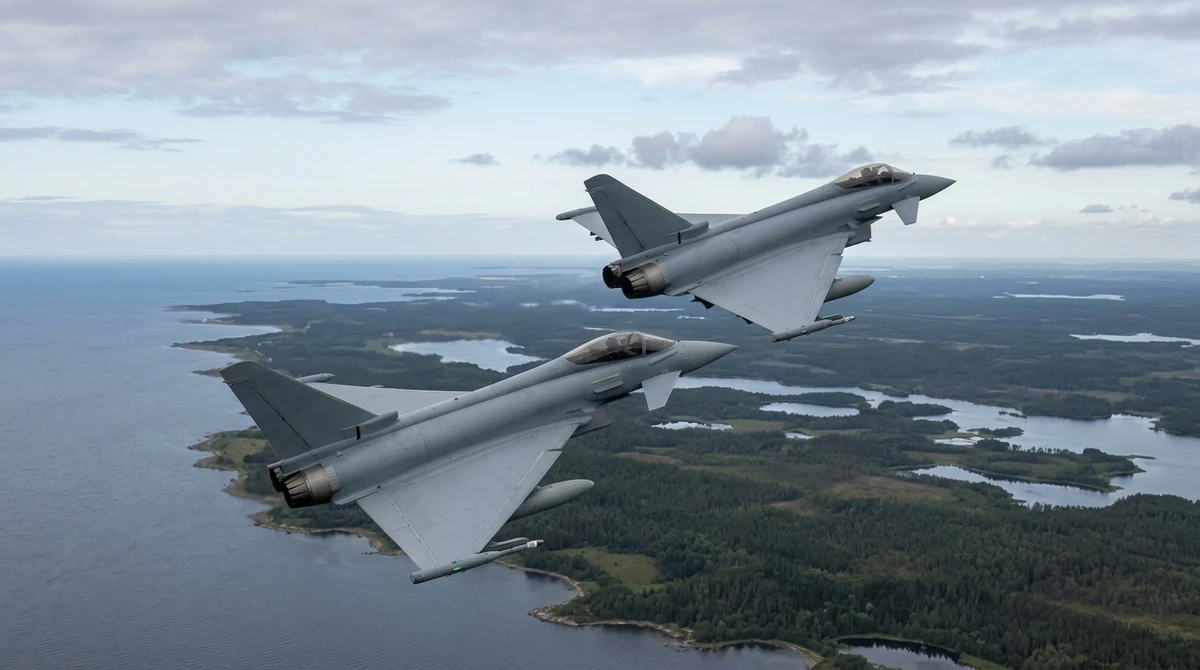
The Air Force operates a rotary-wing fleet and unmanned aerial systems (UAS), as it does not maintain fixed-wing fighter aircraft. The inventory includes Black Hawk (UH-60) and Cougar (AS532) utility helicopters, alongside Agusta-Bell platforms. Unmanned capabilities are centered on Bayraktar TB2 strike drones stationed at the Kuçovë Air Base. In 2025, the air force also integrated strike drones used for surveillance and combat missions.
The Naval Force is responsible for coastal defense and maritime policing. It operates a fleet of patrol vessels, including the Iliria-class (Damen Stan Patrol 4207) and other littoral craft. Modernization efforts include the planned procurement of combat-capable patrol ships and the development of naval infrastructure.
Defense Industry
Albania is currently revitalizing its domestic defense industry under the "Made in Albania" initiative. The state-owned company KAYO has been established to oversee the production and trade of military equipment, including ammunition, light weaponry, and armored vehicles. Production focuses on small and medium-caliber ammunition to meet national requirements and export demand, with full-scale production lines expected to be operational in 2026.
The government has entered into public-private partnerships and co-production agreements with international defense firms from Israel, the United States, and the Czechia. Notable projects include the assembly of drones and the manufacturing of military uniforms and accessories. Facilities at Mjekës, Poliçan, and the Pashaliman Naval Base are being modernned to support these industrial programs.
Strategic Trends
The defense budget has trended upward, reaching approximately 2.12% of GDP in 2026. This fiscal shift supports a long-term modernization program focused on air defense, digitalization, and situational awareness. Procurement priorities for 2026 include the delivery of Thales Ground Master 400 Alpha radar systems for airspace monitoring and the acquisition of multi-role Air Tractor aircraft for aerial surveillance and emergency response.
Future force structure plans emphasize the development of Short Range Air Defense (SHORAD) capabilities and enhanced cyber warfare units. Strategic infrastructure projects are also a priority, specifically the construction of a new military port at Porto Romano to serve as a NATO naval facility and the development of Corridor VIII to facilitate Alliance mobility across the Balkans. Albania is also transitioning toward American soft-loan financing schemes to accelerate the acquisition of advanced firepower and air defense systems.