Royal Navy Trident Submarine Returns to Faslane After 217-Day Patrol, a Reported Record
A Royal Navy ballistic missile submarine returned to HM Naval Base Clyde on November 15 after a deterrent patrol that Navy Lookout put at 217 days, a length the Ministry of Defence has not confirmed.
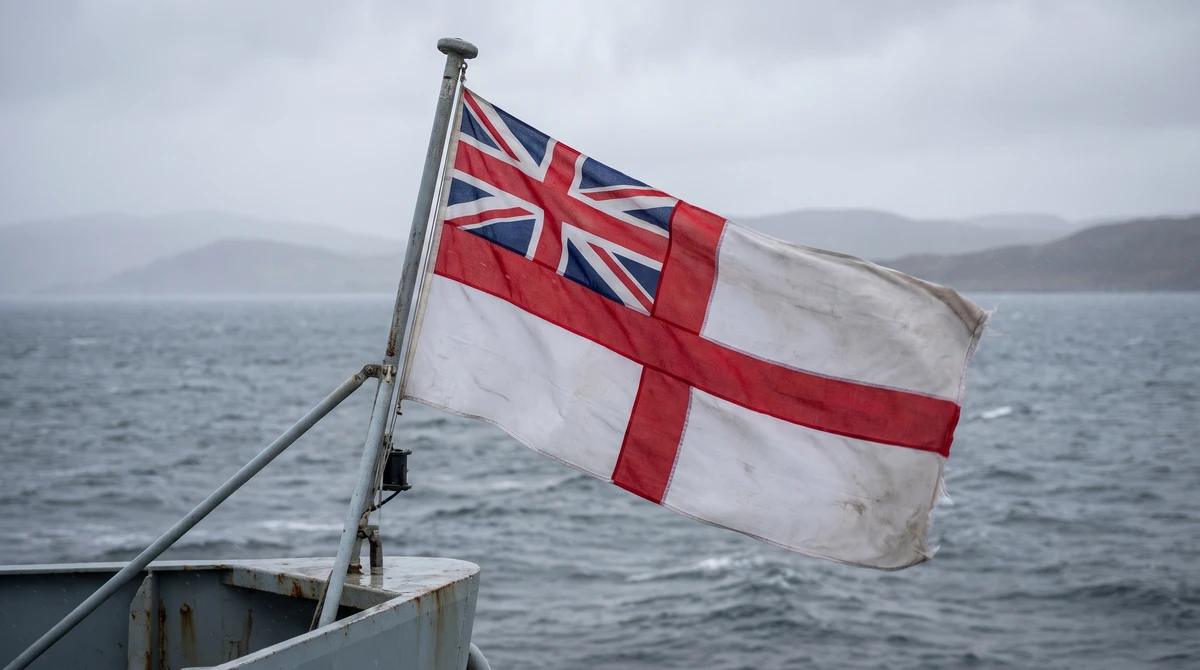
A Royal Navy Vanguard-class ballistic missile submarine returned to HM Naval Base Clyde at Faslane, Scotland, on November 15, 2026, after a deterrent patrol that Navy Lookout reported lasted 217 days, the longest Royal Navy deterrent patrol ever publicly reported.
The Ministry of Defence said in a statement the same day that Royal Navy submariners had returned home after a deterrent patrol and that the defense secretary and the first secretary of state welcomed the crew at the base. The ministry's statement did not give the length of the patrol or identify the submarine, and details of deterrent patrols are kept secret.
The 217-day figure is therefore Navy Lookout's and not an official one. The specialist publication reported that the submarine sailed on April 12 and returned to Faslane on the morning of November 15, and that the previous record of 205 days was set by a patrol completed earlier in 2026.
Navy Lookout reported that the patrol was extended by at least a week beyond its planned length because the submarine due to take over had an issue that forced it back to Faslane for assistance. The next patrol will likely last into spring 2027, Navy Lookout said.
The Ministry of Defence said the mission, known as Operation Relentless, ensures that at least one nuclear-powered, nuclear-armed ballistic missile submarine is at sea at all times, and that as one submarine returns another is already at sea. Aboard what it described as the "15,000-tonne submarine," the two ministers thanked around 140 submariners, the ministry said, adding that the boat carries the UK's Trident nuclear missiles.
The Royal Navy has four Vanguard-class submarines, all based at Clyde: HMS Vanguard, in service since 1993, HMS Victorious (1995), HMS Vigilant (1996) and HMS Vengeance (1999). Britain's nuclear arsenal is estimated at 225 warheads, of which an estimated 120 are deployed.
The class was built with a 25-year design life and its oldest boats have now served for more than three decades, according to Navy Lookout, which reported that HMS Victorious remains in deep maintenance at Devonport. Three Vanguard-class boats were at sea during October, Navy Lookout reported. When continuous at-sea deterrence began in the late 1960s, patrols lasted eight to 12 weeks, according to the publication.
The Vanguard boats are due to be replaced by four Dreadnought-class submarines now on order: Dreadnought, Valiant, Warspite and King George VI. GlobalMilitary.net has previously reported on production funding for the class.
Navy Lookout cited a Treasury value-for-money study on "mega projects," published this year, which it said found that the Dreadnought program started four years late, in 2010, to save money in the short term, leading to expensive life extensions for the Vanguard class. HMS Dreadnought's construction is taking at least 15 years, according to Navy Lookout.
The Ministry of Defence said the government has committed £63 billion over the next four years to the Defence Nuclear Enterprise under the Defence Investment Plan, including around £47 billion for submarines, maintenance and infrastructure, alongside the sovereign warhead program. The ministry also pointed to Project Royal Oak, an investment in the bases, and to a multi-decade infrastructure program to transform HM Naval Base Clyde.
The ministry described a "more than 57-year commitment" to continuous deterrent patrols by the United Kingdom, and cited a supply chain of more than 6,000 UK companies and over 47,000 jobs.
More News
All news →
Former USS Enterprise, First Nuclear Aircraft Carrier, Arrives in Mobile for Dismantling
The former USS Enterprise (CVN-65), the world's first nuclear-powered aircraft carrier, was escorted by tugboats into Mobile Harbor, Alabama, on November 13, 2026, to be dismantled, the US Army Corps of Engineers said.
Royal Navy to Buy Three Norwegian-Designed Mine-Hunting Motherships, First Due in 2031
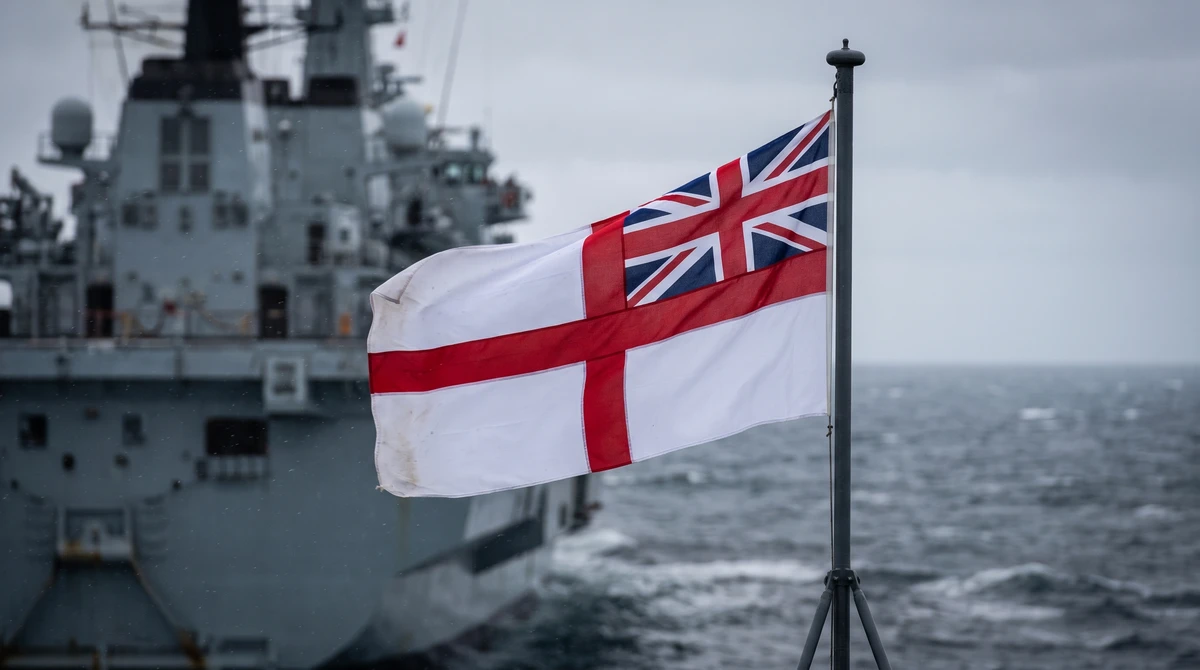
The UK Ministry of Defence announced on November 12 in Oslo that the Royal Navy will acquire three Norwegian-designed Offshore Support Vessels as motherships for uncrewed mine-hunting systems, joining Norway's P1118 Standardised Vessel Programme, with the first ship due in 2031.
Northern Navies Initiative Joins 10 JEF Fleets With 25 Destroyers and Frigates and 19 Attack Submarines
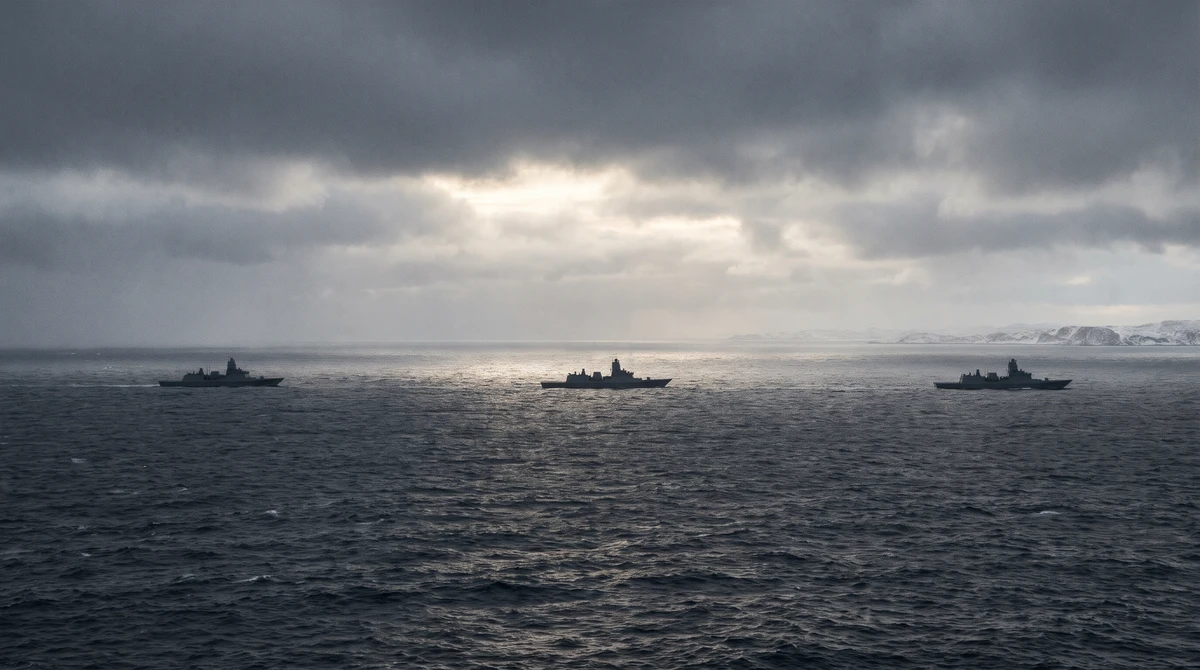
The UK Ministry of Defence said on November 10 that the 10 Joint Expeditionary Force maritime nations signed a Northern Navies Initiative aboard HMS Prince of Wales in Oslo; GlobalMilitary.net's inventory counts 25 destroyers and frigates and 19 attack submarines among them.
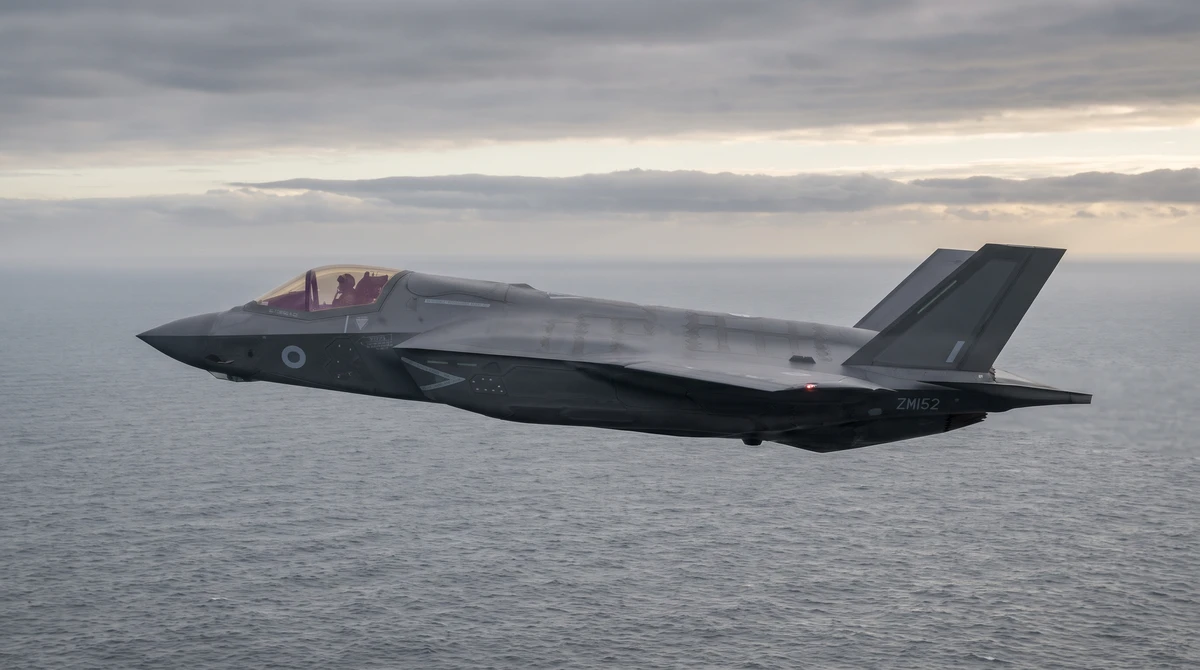
F-35B Completes First Meteor Missile Release From Its Internal Weapons Bay
An F-35B flown by a Royal Navy test pilot jettisoned an inert MBDA Meteor from its internal weapons bay at Naval Air Station Patuxent River, Maryland, on October 7, the F-35 Joint Program Office and MBDA said on November 5, the first of a series of trials ahead of live firings.
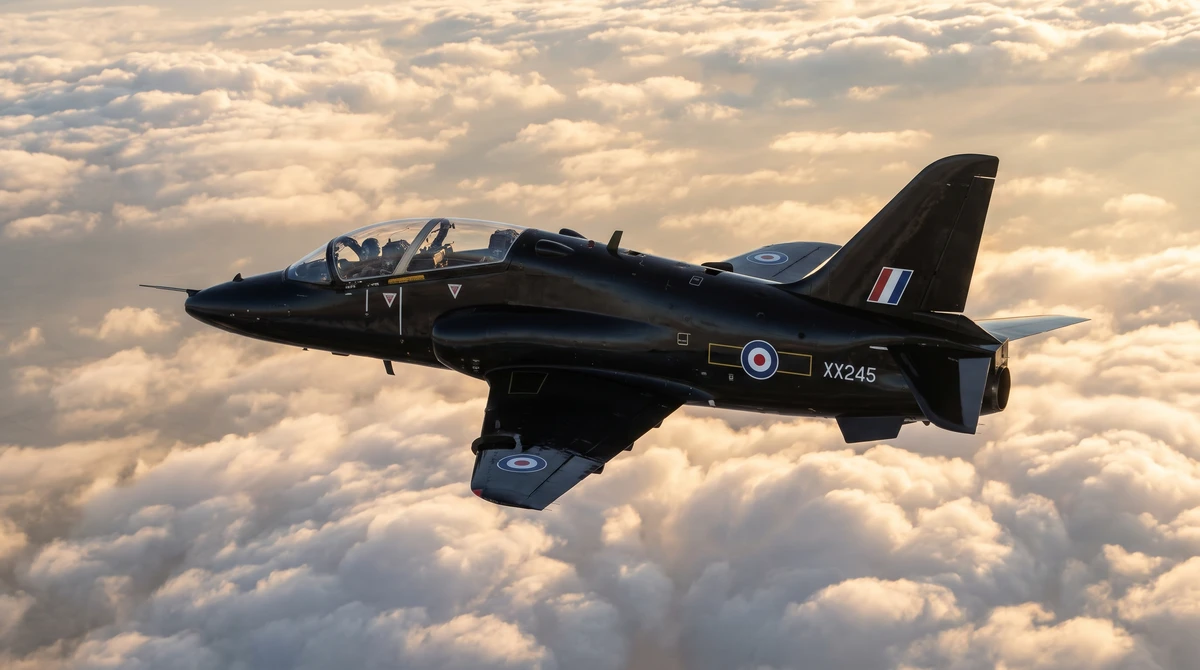
Hawk Jet Trainer at 50: RAF Launches Replacement Program as US Navy Moves to Replace T-45 Goshawk
Fifty years after the Hawk entered Royal Air Force service in late 1976, the UK Ministry of Defence has opened a Jet Training System program to replace it and the US Navy is in source selection for a successor to its Hawk-derived T-45 Goshawk, with an award intended for fiscal 2027.
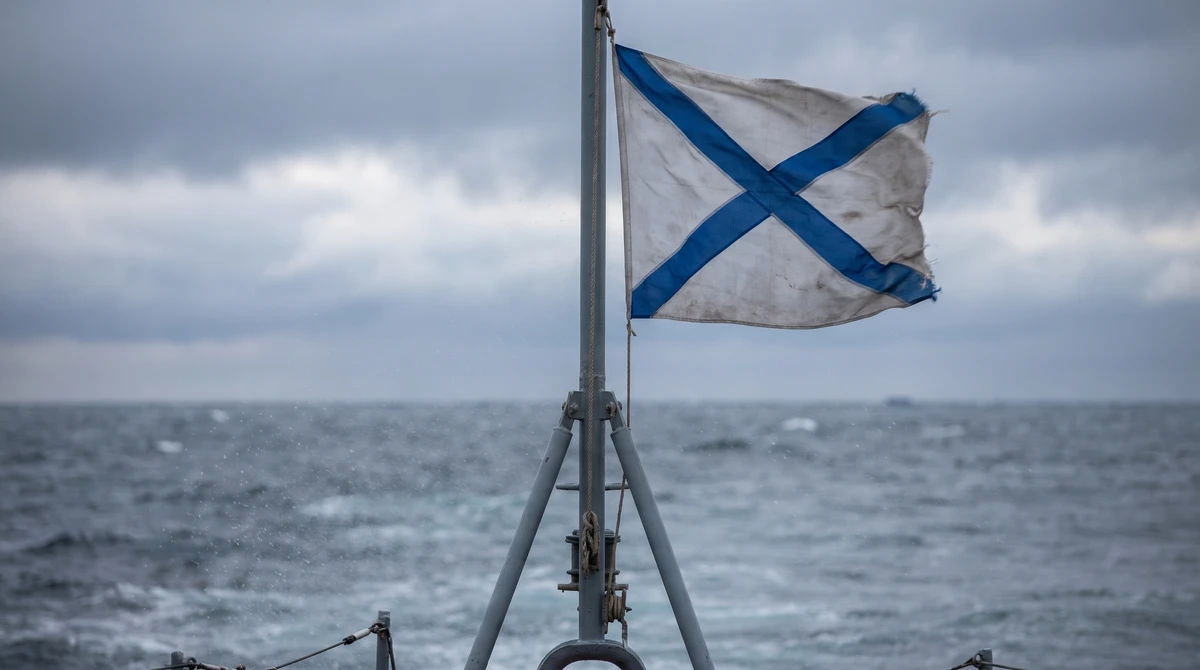
Russia Says Pacific Fleet Submarine Generalissimus Suvorov Fired Bulava Missile From Sea of Okhotsk
The Borey-class submarine Generalissimus Suvorov launched a Bulava intercontinental ballistic missile from a submerged position in the Sea of Okhotsk on October 28, the Russian Ministry of Defence said, in what the Russian Strategic Nuclear Forces project calls a rare Pacific Fleet firing.