US Army Aviation, Larger Than All but Two Foreign Militaries' Air Fleets, Sees Class A Flight Mishaps Double
The Army's aviation branch fields 4,263 aircraft and about one in five of the world's military helicopters on GMN's count, and its own safety newsletter lists 10 Class A flight mishaps in fiscal 2026, up from five, as the under secretary says readiness is below goal.
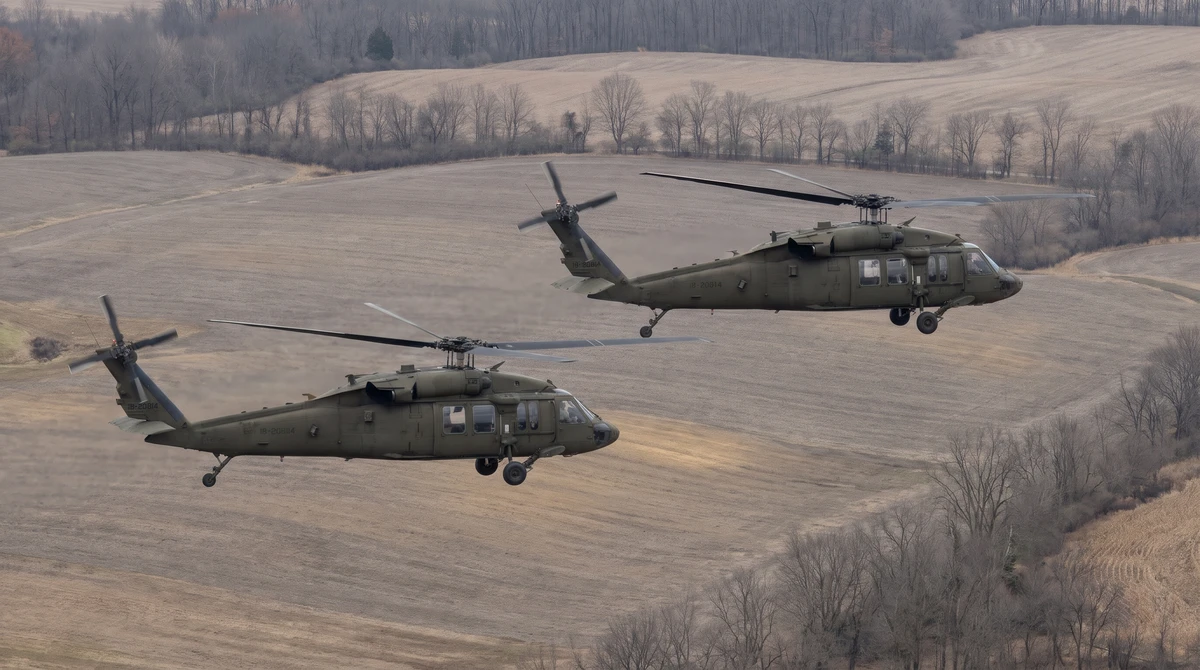
The US Army's under secretary said on November 17 that Army aviation is recording more accidents while flying fewer hours, and that its readiness rates have settled well below the service's goal, according to Breaking Defense. The Army's own safety newsletter puts a number on the first point: the US Army Combat Readiness Center's Flightfax lists 10 Class A flight mishaps for fiscal 2026, twice the five it reported for fiscal 2025.
Those figures concern a fleet whose size is rarely set beside them. On GlobalMilitary.net's inventory data, Army aviation alone operates 4,263 manned aircraft, more than the entire military aviation of any country other than the United States itself, China and Russia, and it holds about one in five of the world's military helicopters.
Speaking at an Association of the US Army event, the under secretary said fully mission capable rates below 60 percent have become "a norm" against a 75 percent goal, Breaking Defense reported. "More accidents this year, and we flew 150,000 hours less than we did three years ago," he said, according to the outlet, adding: "Eighty two percent of our Class A accidents are human factors." He gave no accident figures. The Army's safety center publishes them.
What the Army's safety data show
The October 2026 issue of Flightfax, the Combat Readiness Center's aviation safety newsletter, carries the fiscal 2026 table of manned aircraft mishaps. It records 133 manned mishaps over 647,423 flight hours, of which 73 were Class A through C flight mishaps: 10 Class A, 9 Class B and 54 Class C. The same table lists three Army fatalities and 26 Army injuries for the year.
The AH-64E, a variant of the AH-64 Apache attack helicopter, accounts for four of the 10 Class A flight mishaps in the Flightfax table, on 80,158 flight hours. The HH-60M and UH-60L, both variants of the UH-60 Black Hawk, are listed with one each, as is the UH-72A. The UH-60M flew more hours than any other type, at 149,392. The table states counts and hours; it does not assign causes.
The table does not support a fleet-wide rate for the year. Special-operations types, the MH-60M, MH-47G and MH-6M, are listed without flight hours, so the hours total does not cover every aircraft whose mishaps are counted.
The category also needs reading with care. The Army classes a mishap as Class A when damage reaches $2.5 million or more, an aircraft is destroyed or someone is killed. A Class A mishap is therefore not necessarily a lost airframe, and the Army's counts cannot be set against GlobalMilitary.net's own log of aircraft losses, which records something different. The same applies to GMN's earlier analysis of military aircraft crashes worldwide in 2026, which is drawn from that log.
The doubling starts from a low base. In its fiscal 2025 annual assessment, published in the January 2026 issue of Flightfax, the Combat Readiness Center counted five Class A flight mishaps, down from 15 in fiscal 2024, and a manned Class A flight rate of 0.66 per 100,000 flying hours, which the newsletter called the third best in recorded history. Ten Class A flight mishaps in fiscal 2026 is twice the fiscal 2025 figure and below the fiscal 2024 one.
The same assessment carried a warning lower down the scale. It put the fiscal 2025 rate for Class A through C flight mishaps at 10.06 per 100,000 hours, "higher than in any of the last 10 years," and noted that Class C mishaps had risen three years running even as flying hours went down.
A fleet larger than most countries' air power
GlobalMilitary.net's inventory, replayed with logged events through November 19, 2026, counts 4,263 manned aircraft in Army service, 4,094 of them helicopters. That makes Army aviation the second-largest single air arm in GMN's database, ahead of China's air force by a narrow margin on GMN's count:
- US Air Force: 4,907 aircraft
- US Army: 4,263
- China's PLA Air Force: 4,071
- Russian Air Force: 3,882
- US Navy: 2,427
- Indian Air Force: 1,699
- US Marine Corps: 1,297
Counting every service of each country, only three national totals exceed the Army's own. The US military aircraft inventory as a whole stands at 12,894, China's at 5,662 and Russia's at 5,301. India follows at 2,353, a little over half the Army's figure.
The gap is wider for rotorcraft. GMN counts 21,392 military helicopters worldwide, and the Army's 4,094 amount to about 19 percent of them. The United States fields 5,505 across all its services. Russia has 1,583, China 1,263 and India 987; together those three hold 3,833, fewer than the US Army alone.
Four types make up nearly all of the Army's rotary-wing fleet. The Black Hawk family is the largest, at 2,201 aircraft, followed by 822 Apaches. The CH-47 Chinook heavy-lift helicopter accounts for 544 and the UH-72A Lakota light utility helicopter for 477. The inventory also lists 39 AH-6 Little Bird light helicopters and 11 Soviet-built Mi-8/17 and Mi-24 helicopters. The remaining 169 aircraft are fixed-wing, mostly small transports and utility types such as the King Air, C-12, Citation, Metroliner and C-27J.
These figures are GMN's own compilation, drawn from the sources listed on the inventory page, and they cover manned aircraft only. Drones, including the MQ-1C Gray Eagle, are excluded, as they are from the Flightfax manned mishap table.
What comes next
The under secretary pointed to training as the response, according to Breaking Defense. He cited Flight School Next, an Army program to buy a new training helicopter and rebuild the flight school curriculum around basic stick-and-rudder skills.
GMN's data also show 354 more aircraft on order for Army aviation. What the October Flightfax table establishes is the count: 10 Class A flight mishaps in a year, across a helicopter fleet that on GMN's count is larger than those of Russia, China and India combined.
More News
All news →
Senate Energy Bill Funds a New B94 Nuclear Bomb at $77.1 Million, Cuts SLCM-N Warhead by 59%
The Senate Appropriations Committee's fiscal 2027 Energy and Water Development bill, released on November 12, 2026, opens a B94 line at $77.108 million and reduces the W80-5 warhead for the nuclear sea-launched cruise missile from $186.0 million to $76.9 million.
Senate FY2027 Defense Bill Adds F-35s and a Second Destroyer, Cuts F-15EX Buy From 24 to 18
The Senate Appropriations Committee's fiscal 2027 defense bill, released on November 16, 2026, funds more F-35s, C-130Js and a second DDG-51 than requested, and fewer F-15EX, P-8A, KC-130J and E-2D aircraft, its explanatory statement shows.
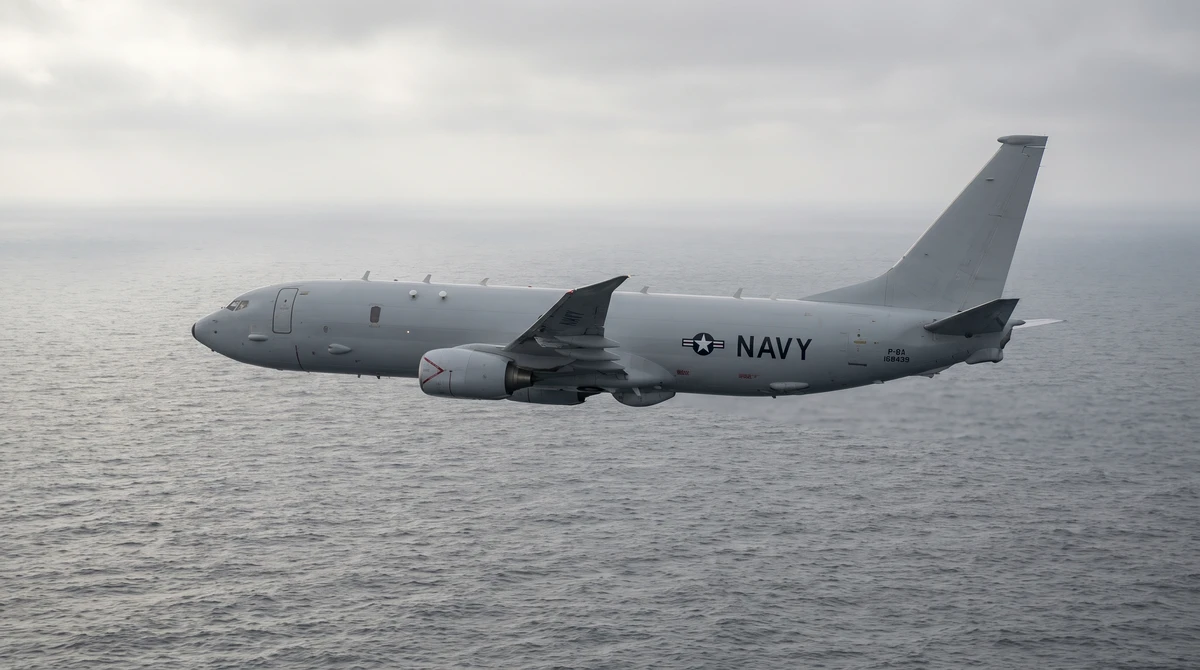
Senate Appropriators Fund 4 of 12 P-8A Poseidons as Worldwide Fleet Stands at 171 Aircraft
The Senate Appropriations Committee's fiscal 2027 defense bill, released November 16, 2026, funds four of the 12 P-8A Poseidons the US Navy requested, a cut to an aircraft GlobalMilitary.net's inventory data counts at 171 in service in eight countries.
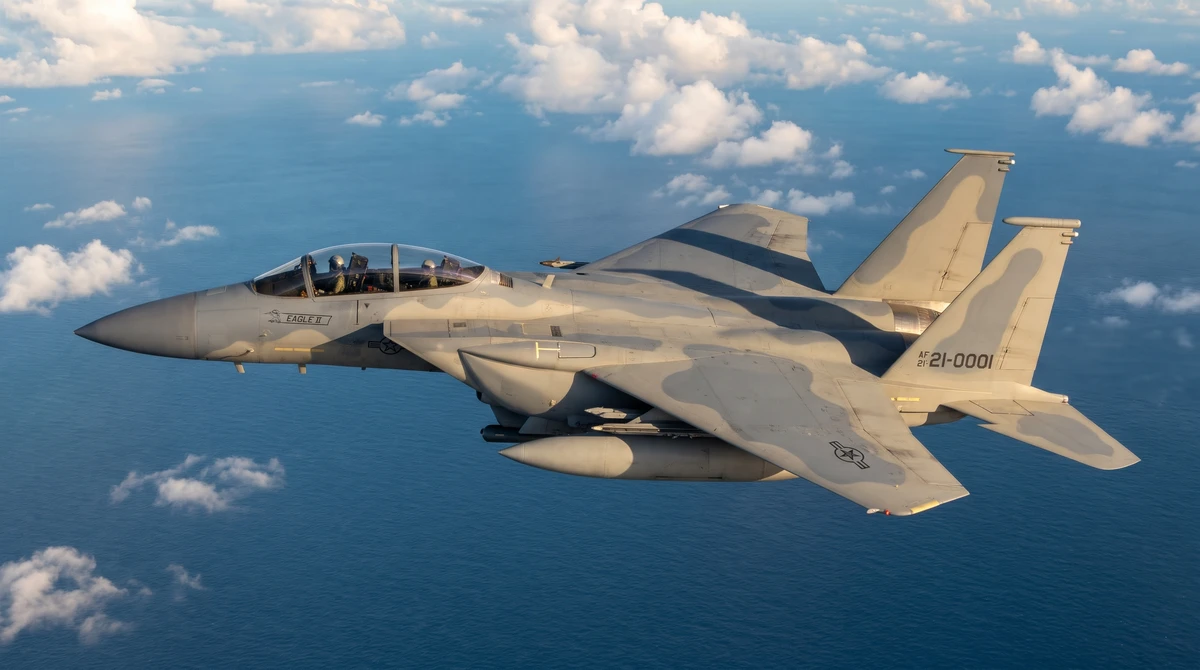
First Permanently Assigned US Air Force F-15EX Eagle II Arrives at Kadena Air Base, Okinawa
The first U.S. Air Force F-15EX Eagle II permanently assigned to Kadena Air Base, Okinawa, arrived on Nov. 15, 2026, the 18th Wing said, making Kadena the first overseas Air Force installation to receive combat-coded examples of the fighter.
Former USS Enterprise, First Nuclear Aircraft Carrier, Arrives in Mobile for Dismantling
The former USS Enterprise (CVN-65), the world's first nuclear-powered aircraft carrier, was escorted by tugboats into Mobile Harbor, Alabama, on November 13, 2026, to be dismantled, the US Army Corps of Engineers said.
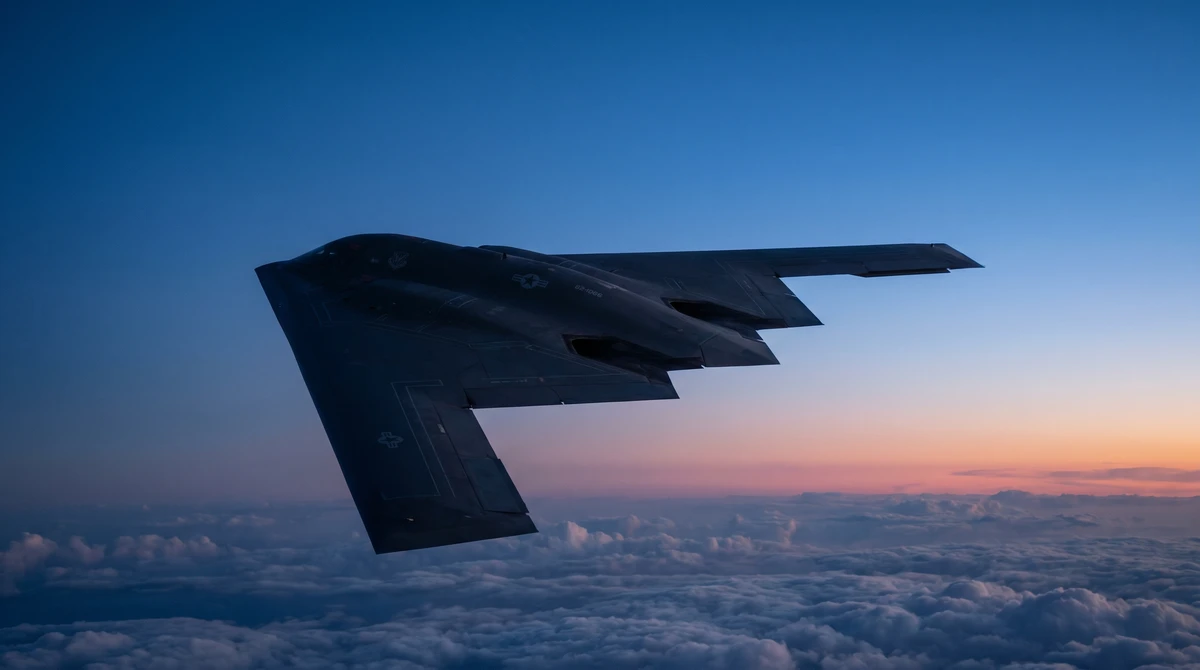
B-21 Raider Completes Conventional Weapons Release Test, US Air Force Says
The US Air Force said on November 13 that a B-21 Raider flying out of Edwards Air Force Base released a conventional weapon in a test, without identifying the weapon or giving the date.