GlobalMilitary.net Open-source military intelligence Updated daily
Destroyer Β·Ingalls Shipbuilding

Arleigh Burke-class (DDG-51)

American guided-missile destroyer, 9,900 tons displacement, entered service in 1991. Key figures: displacement 9,900 tons, length 155 m, top speed 31 knots, crew 323, unit cost $2.2B, built 78. In service with 1 navy β€” United States (75).

Displacement
9,900tons
Max speed
31knots
Ships built
78
Approx. unit cost
$2200million
Technical Specifications
SubtypeGuided-missile destroyer
Displacement9900 tons
Crew323 members
Width20.0 m (65.6 ft)
Length155.3 m (509.5 ft)
Propulsion

4 Γ— General Electric LM2500 gas turbines each generating 26,250 bhp (19,570 kW); coupled to two shafts, each driving a five-bladed reversible controllable-pitch propeller; Total output: 105,000 bhp (78,000 kW)

Shaft power105,000 hp
Performance
Range 4,400 nm at 20 knots
Maximum speed31 knots
Armament
Armament
  • 1 Γ— 127 mm/54 Mk 45 Mod 1/2 or 1 Γ— 127 mm/62 Mk 45 Mod 4 lightweight gun
  • 1 or 2 Γ— 20 mm Phalanx CIWS
  • 1 Γ— SeaRAM (on select ships)
  • 2 Γ— 25 mm M242 Bushmaster equipped Mk 38 machine gun systems
  • 4 Γ— 12.7 mm M2 Browning heavy machine guns
  • 2 Γ— Mk 141 Harpoon anti-ship missile launchers (Flights I & II only)
  • 4 Γ— Naval Strike Missile (DDG-62)
  • 90 or 96 cell Mk 41 vertical launching system (BGM-109 Tomahawk, RIM-161 SM-3, RIM-174 SM-6, RIM-156 SM-2ER Blk. IV, RIM-66 SM-2MR, RIM-162 ESSM, RUM-139 vertical launch ASROC)
  • 2 Γ— Mark 32 triple torpedo tubes (Mark 46, Mark 50, or Mark 54 lightweight torpedoes)
  • 1 Γ— Optical Dazzling Interdictor, Navy (on select ships)
  • 1 Γ— HELIOS laser (DDG-88)
Air Park
Operators
πŸ‡ΊπŸ‡Έ United States
Ships In Class
DDG-100 USS KiddDDG-101 USS GridleyDDG-102 USS SampsonDDG-103 USS TruxtunDDG-104 USS SterettDDG-105 USS DeweyDDG-106 USS StockdaleDDG-107 USS GravelyDDG-108 USS Wayne E. MeyerDDG-109 USS Jason DunhamDDG-110 USS William P. LawrenceDDG-111 USS SpruanceDDG-112 USS Michael MurphyDDG-113 USS John FinnDDG-114 USS Ralph JohnsonDDG-115 USS Rafael PeraltaDDG-116 USS Thomas HudnerDDG-117 USS Paul IgnatiusDDG-118 USS Daniel InouyeDDG-119 USS Delbert D. BlackDDG-120 USS Carl M. LevinDDG-121 USS Frank E. Petersen Jr.DDG-122 USS John BasiloneDDG-123 USS Lenah Sutcliffe HigbeeDDG-124 USS Harvey C. Barnum Jr.DDG-125 USS Jack H. LucasDDG-126 USS Louis H. Wilson Jr.DDG-127 USS Patrick GallagherDDG-128 USS Ted StevensDDG-129 USS Jeremiah DentonDDG-130 USS William CharetteDDG-131 USS George M. NealDDG-132 USS Quentin WalshDDG-133 USS Sam NunnDDG-134 USS John E. KilmerDDG-135 USS Thad CochranDDG-136 USS Richard G. LugarDDG-137 USS John F. LehmanDDG-138 USS J. William MiddendorfDDG-139 USS Telesforo TrinidadDDG-140 USS Thomas G. KelleyDDG-141 USS Ernest E. EvansDDG-142 USS Charles J. FrenchDDG-143 USS Richard J. DanzigDDG-144 USS Michael G. MullenDDG-145 USS IntrepidDDG-146 USS Robert KerreyDDG-147 USS Ray MabusDDG-148 USS Kyle CarpenterDDG-149 USS Robert R. IngramDDG-51 USS Arleigh BurkeDDG-52 USS BarryDDG-53 USS John Paul JonesDDG-54 USS Curtis WilburDDG-55 USS StoutDDG-56 USS John S. McCainDDG-57 USS MitscherDDG-58 USS LaboonDDG-59 USS RussellDDG-60 USS Paul HamiltonDDG-61 USS RamageDDG-62 USS FitzgeraldDDG-63 USS StethemDDG-64 USS CarneyDDG-65 USS BenfoldDDG-66 USS GonzalezDDG-67 USS ColeDDG-68 USS The SullivansDDG-69 USS MiliusDDG-70 USS HopperDDG-71 USS RossDDG-72 USS MahanDDG-73 USS DecaturDDG-74 USS McFaulDDG-75 USS Donald CookDDG-76 USS HigginsDDG-77 USS O'KaneDDG-78 USS PorterDDG-79 USS Oscar AustinDDG-80 USS RooseveltDDG-81 USS Winston S. ChurchillDDG-82 USS LassenDDG-83 USS HowardDDG-84 USS BulkeleyDDG-85 USS McCampbellDDG-86 USS ShoupDDG-87 USS MasonDDG-88 USS PrebleDDG-89 USS MustinDDG-90 USS ChafeeDDG-91 USS PinckneyDDG-92 USS MomsenDDG-93 USS Chung-HoonDDG-94 USS NitzeDDG-95 USS James E. WilliamsDDG-96 USS BainbridgeDDG-97 USS HalseyDDG-98 USS Forrest ShermanDDG-99 USS Farragut
Similar Ships
Arleigh Burke-class vs

Description

The Arleigh Burke class was developed in the 1980s to replace the Charles F. Adams and Farragut classes as part of a modernization strategy to field Aegis-equipped vessels. Bath Iron Works and Ingalls Shipbuilding began construction in 1988, and the lead ship entered service in 1991. Following the curtailment of the Zumwalt class, production of the Arleigh Burke class resumed in 2009. It represents the longest production run of any U.S. Navy surface combatant.

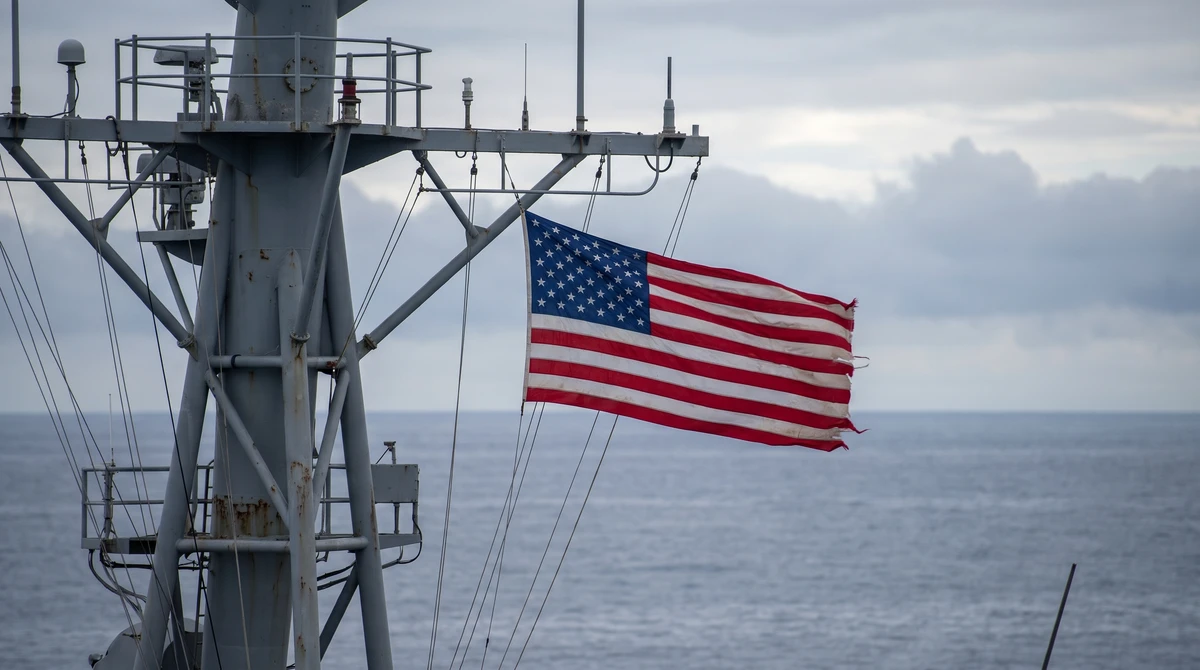
The class is built around the Aegis Combat System, utilizing either passive or active electronically scanned array radars for target tracking and fire control. The design features a large waterplane area hull with a flaring bow to improve seakeeping in heavy seas. To enhance survivability, the Navy utilized all-steel construction with Kevlar splinter protection for vital spaces, moving away from the aluminum superstructures used in previous classes. Stealth techniques, including angled surfaces and a raked tripod mast, are used to reduce radar detection. These vessels were the first U.S. warships designed with air-filtration systems for protection against nuclear, biological, and chemical warfare. Multi-mission capabilities include anti-aircraft, anti-submarine, anti-surface, and land-attack warfare. Flight IIA and Flight III variants include hangars for helicopter operations, whereas earlier flights featured only a flight deck.

Operational history began with Tomahawk cruise missile strikes during operations in Iraq in 1996, 1998, and 2003. Ships of the class are forward-deployed to Rota, Spain, to provide ballistic missile defense for NATO. In 2000, USS Cole sustained hull damage from a suicide boat attack in Aden, Yemen. The class has been involved in several major accidents, notably collisions involving USS Fitzgerald and USS John S. McCain in 2017. Between 2016 and 2024, destroyers in the Red Sea engaged anti-ship missiles and drones using a combination of surface-to-air missiles and close-in weapon systems. In April 2024, vessels of the class performed the first combat interceptions of ballistic missiles using the SM-3 interceptor. Navies in Japan and South Korea also operate derivative classes based on the Arleigh Burke design.
Wikipedia (CC BY-SA) and other open sources. Last updated on 8 August 2026. Suggest a change

Frequently Asked Questions

What type of ship is the Arleigh Burke-class?
The Arleigh Burke-class is a destroyer (Guided-missile destroyer) built by United States.
What is the displacement of the Arleigh Burke-class?
The Arleigh Burke-class has a displacement of 9,900 tons.
What is the maximum speed of the Arleigh Burke-class?
The Arleigh Burke-class has a maximum speed of 31 knots (57 km/h).
What is the range of the Arleigh Burke-class?
The Arleigh Burke-class has a range of 4,400 nautical miles (8,148 km) at 20 knots.
How many crew members serve on the Arleigh Burke-class?
The Arleigh Burke-class has a crew complement of 323 personnel.
How many Arleigh Burke-class ships have been built?
Approximately 78 vessels of the Arleigh Burke-class have been built.
Which countries operate the Arleigh Burke-class?
The Arleigh Burke-class is operated by United States.
How much does a Arleigh Burke-class cost?
The Arleigh Burke-class has an estimated unit cost of approximately $2200 million.
Latest Data Updates
  1. AUG 82026 Updated Thrust updated
  2. APR 72026 Updated Description updated in a site-wide editorial pass
  3. JAN 242026 Updated Max speed and range at cruise speed updated
  4. JAN 182026 Updated Type, manufacturer and 11 more fields updated