USS Pinckney Begins US Navy's First SPY-6(V)4 Radar Installation on an Arleigh Burke Destroyer
The US Navy said on October 22 that the Arleigh Burke-class destroyer USS Pinckney (DDG 91) has entered a Depot Modernization Period at General Dynamics NASSCO in San Diego, the service's first installation of the SPY-6(V)4 radar and HESC cooling plants under the DDG MOD 2.0 program.
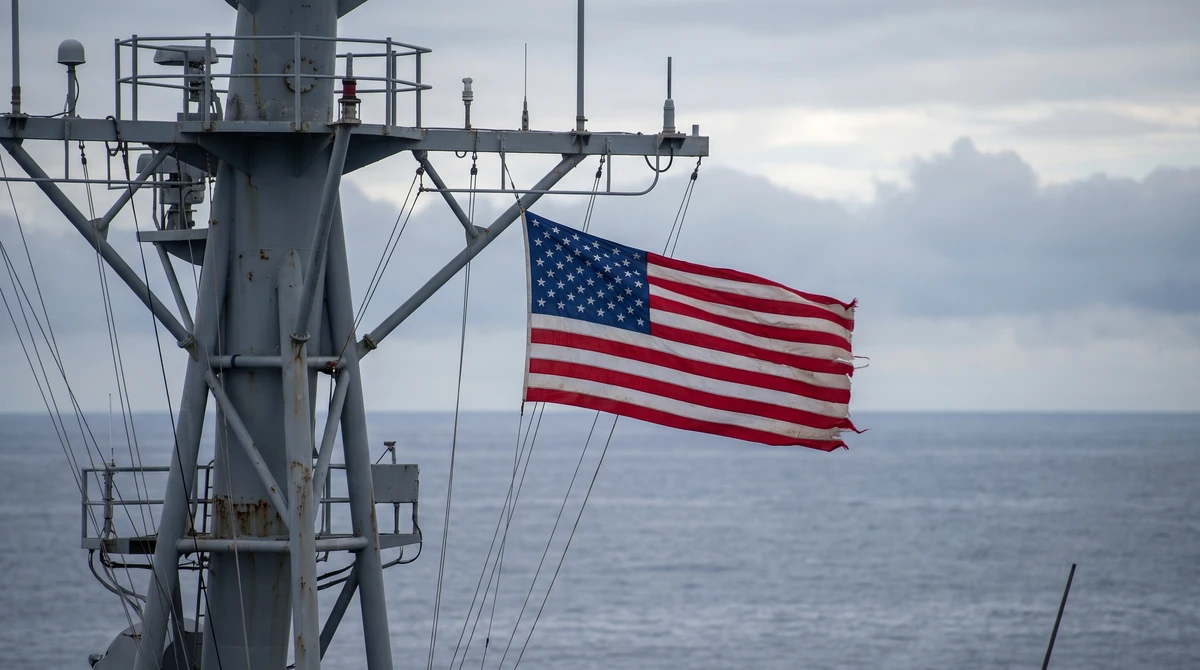
The US Navy said on October 22 that the Arleigh Burke-class guided missile destroyer USS Pinckney (DDG 91) has begun the second phase of its upgrade under the Destroyer Modernization 2.0 (DDG MOD 2.0) program, a Depot Modernization Period at General Dynamics NASSCO in San Diego. The availability is the service's first installation of both the SPY-6(V)4 radar and High Efficiency Super-Capacity (HESC) air-conditioning plants, the Navy said.
According to the release, issued by the Portfolio Acquisition Executive for Maritime, which the Navy describes as the single accountable organization for delivering surface ships to the service, the availability centers on fitting the SPY-6(V)4 radar fully integrated with Aegis Combat System Baseline 10. The HESC plants are being installed to meet the electrical and thermal demands of the new combat system. The Navy said DDG MOD 2.0 has used a "Split Start" approach of phased installations, intended "to maximize learning" across its industry partners.
Pinckney also led the program's earlier step. The Navy said the destroyer completed a "1.5 DMP" availability in 2024 as the first warship to receive the SLQ-32(V)7 Surface Electronic Warfare Improvement Program (SEWIP) system and sponson modifications, then deployed to the Pacific and Middle East. "Upon Depot Modernization Period completion, USS Pinckney will rejoin the Fleet equipped with the most comprehensive multi-spectral integrated sensor suite designed to maintain maritime superiority for decades to come," the program manager for DDG MOD 2.0 said in the release.
Naval News reported on October 24 that Pinckney returned to its homeport at Naval Base San Diego on August 9 after an eight-and-a-half-month deployment to the Middle East and Pacific. The work is expected to finish by September 2028 and forms part of a $149.6 million contract awarded to General Dynamics, according to Naval News. The radar is Raytheon's AN/SPY-6(V)4, and Aegis Baseline 10, developed by Lockheed Martin, enables simultaneous air and ballistic missile defense, the outlet reported.
Naval News also set out the structure of the program's first phase: four destroyers, Pinckney, USS Chung-Hoon (DDG 93), USS James E. Williams (DDG 95) and USS Halsey (DDG 97), were fitted with SEWIP Block III, and each of the four is to receive the radar in a later refit. Future DDG MOD 2.0 installations will combine both upgrades in a single shipyard availability, starting with USS Sterett (DDG 104), the program manager told Naval News.
GlobalMilitary.net's US Navy inventory lists 76 Arleigh Burke-class destroyers in active service, with further hulls fitting out and on order. Recent changes logged by the site include the commissioning of USS Ted Stevens, a Flight III Arleigh Burke, at Whittier, Alaska, on October 3.
In late September, two Ticonderoga-class cruisers, a type the Navy is retiring, left service. USS Lake Erie was decommissioned at Naval Base San Diego on September 25, and USS Shiloh was decommissioned at Joint Base Pearl Harbor-Hickam on September 30.
Pinckney is due to remain at NASSCO until September 2028, by Naval News's account, before returning to the fleet with the new radar and combat system. Later ships will follow a combined schedule, with USS Sterett the first to receive the electronic warfare and radar upgrades in a single availability, according to the program manager's comments to Naval News.
More News
All news →
UK Restarts Tank and Howitzer Barrel Production as US Army Seeks New 155mm Tube Makers
Rheinmetall UK has begun making 120mm and 155mm barrels in Telford, the Ministry of Defence said on 22 October, a day after a US Army contracting command posted a market survey for domestic makers of Paladin and M777 cannon tubes.
Pentagon and Lockheed Martin Unveil 10-Year F-35 Framework for 850 US Jets, Pending Congress
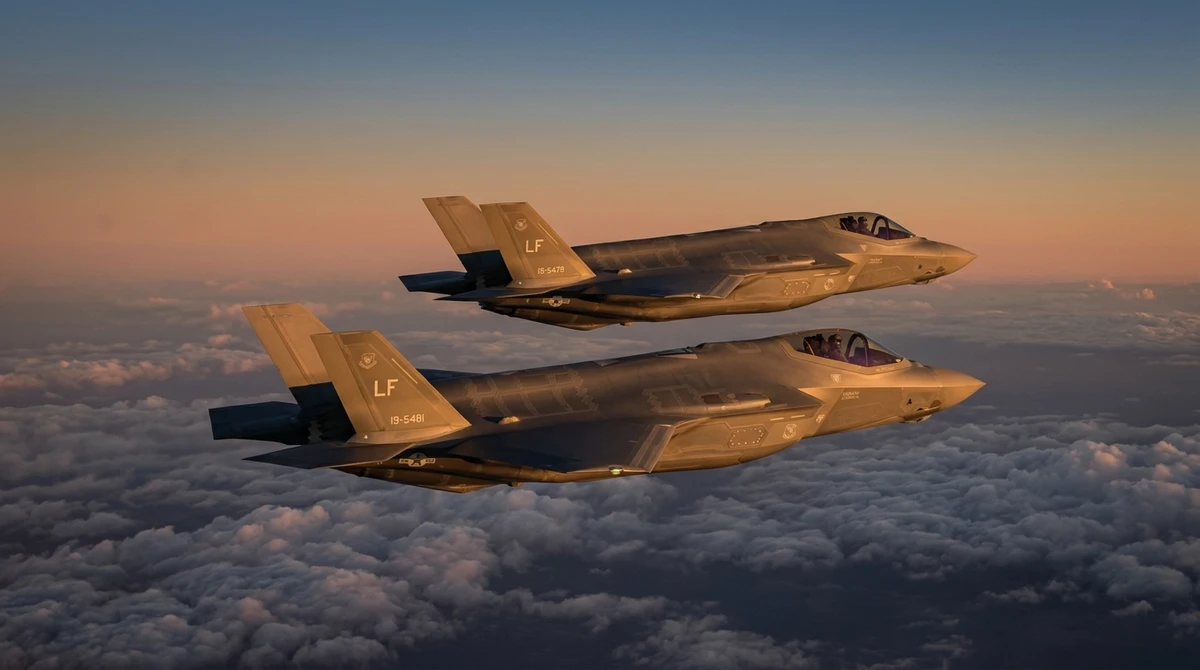
The Department of War and Lockheed Martin announced on October 22 a framework agreement covering 850 US F-35s over 10 years at a steady 156 aircraft a year, an arrangement that requires multiyear authority and appropriations from Congress before any contract is awarded.
US Air Force Wants 1,509 Combat-Coded Fighters by 2035 as F-35 Share Rises to About 40%
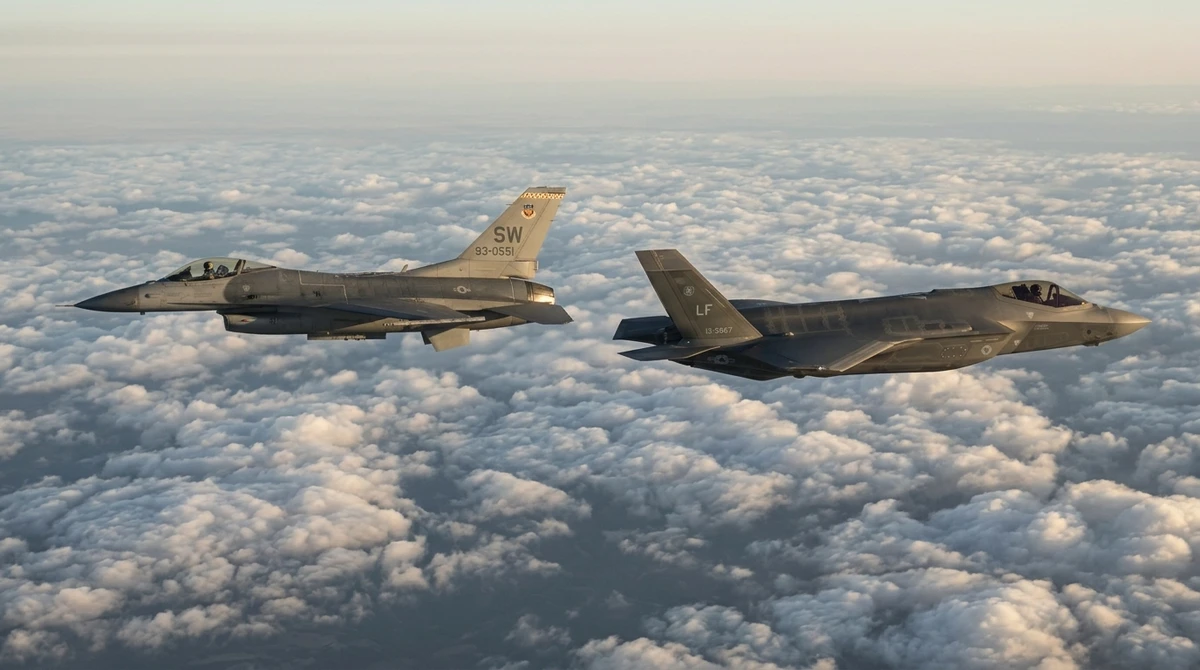
The US Air Force told Congress on October 16, 2026 that it needs 1,509 combat-coded fighters by 2035; GlobalMilitary.net sets the report's approximate type shares against its own count of 1,816 USAF F-16s, F-35As, F-15s and F-22s.
US Army Activates Air Defense Battalion on Guam as Its Part of the Guam Defense System
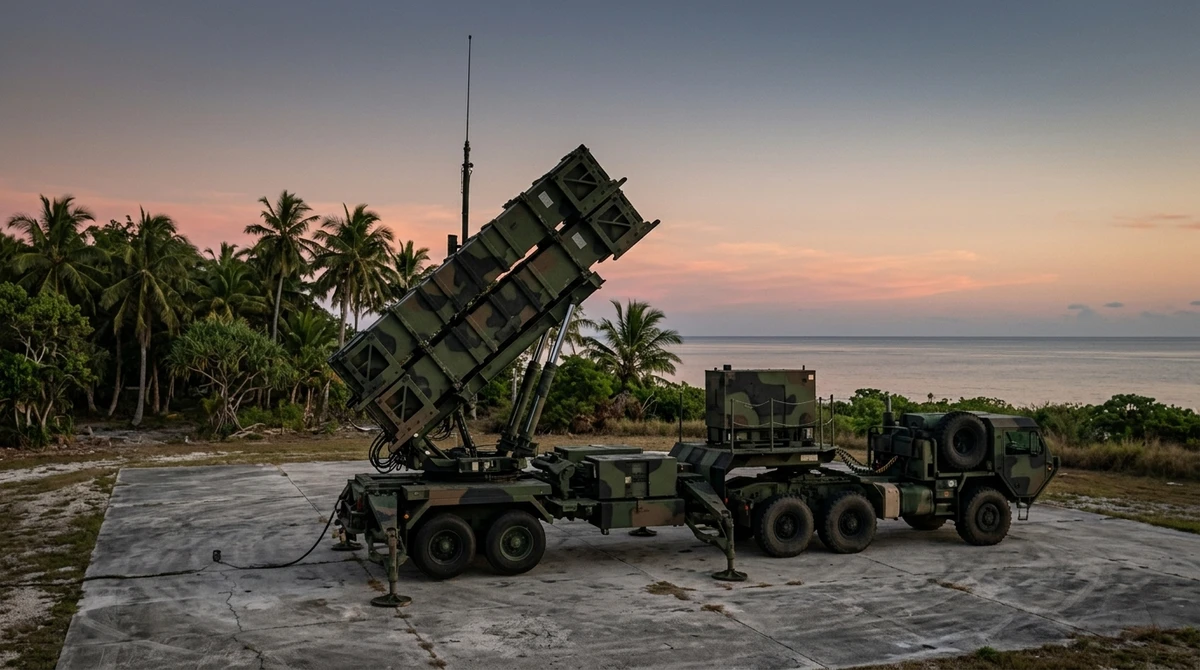
The 3rd Battalion, 43rd Air Defense Artillery Regiment was activated at Andersen Air Force Base on October 16, 2026, building on more than a decade of Task Force Talon operations on Guam and, per an Army spokesperson quoted by The War Zone, set to field Patriot and Enduring Shield.
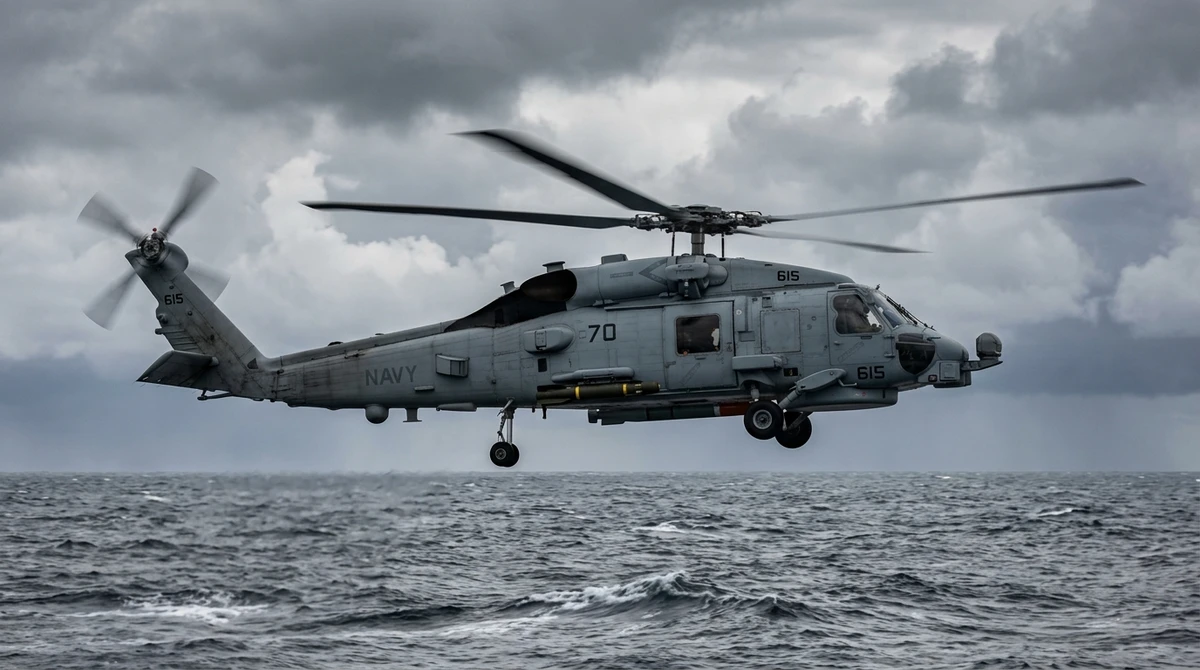
New Zealand's MH-60R Order Makes 15 Seahawk Operators; the SH-2 Seasprite Is Down to Three
New Zealand signed on 16 October to buy five MH-60R Seahawks, delivered from 2030, to replace its five SH-2G Super Seasprites, bringing the naval Seahawk family to 15 operators in GlobalMilitary.net's data while the Seasprite is left with 17 helicopters and three operators.
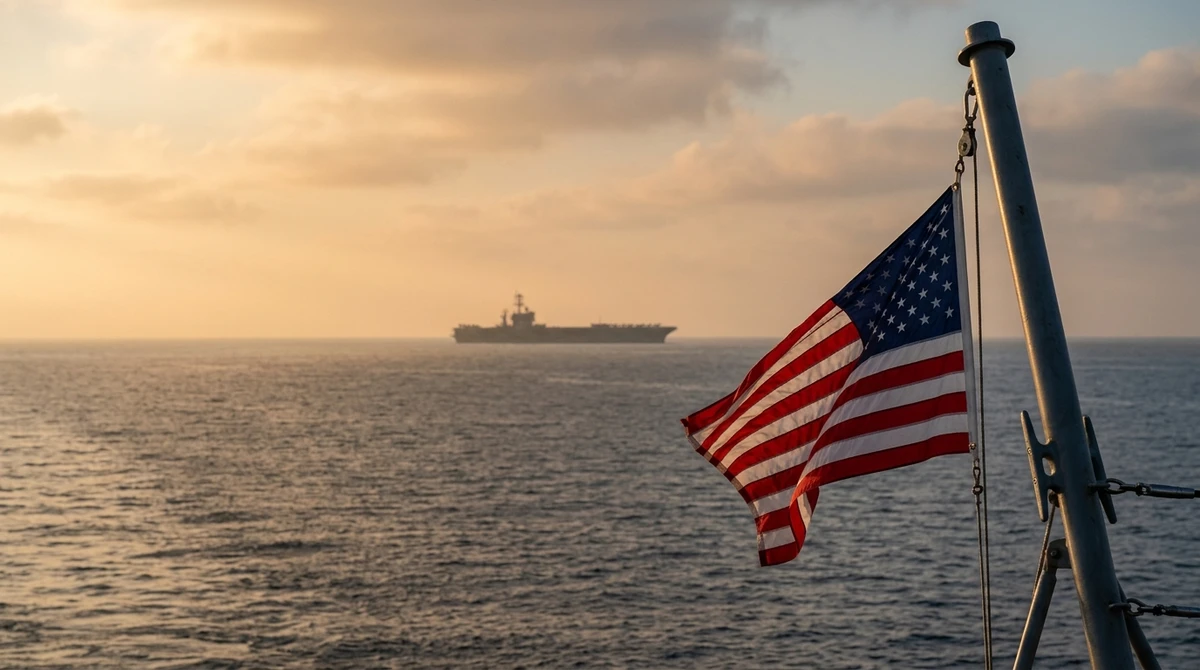
USS Theodore Roosevelt Turns 40 as It Prepares for Keen Sword Off Japan
The Nimitz-class carrier, docked at Yokosuka since 16 October with the cruiser USS Chosin and the destroyer USS Decatur, marks 40 years since its commissioning on 25 October 1986 ahead of the US-Japan exercise Keen Sword.