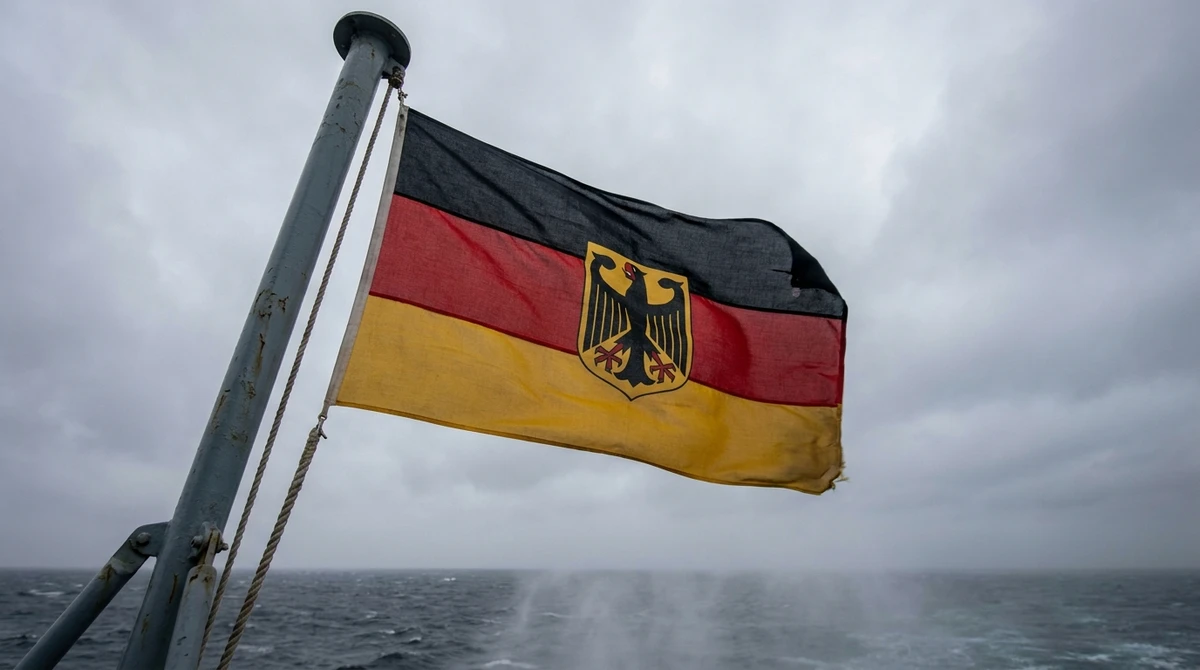
The Type 332 Frankenthal class consists of minehunters built for the German Navy by Lürssen, Abeking & Rasmussen, and Krögerwerft. Developed as a successor to the Type 343 Hameln-class minesweeper, the Frankenthal class utilizes a similar hull, machinery, and superstructure design. Twelve vessels were completed and commissioned between 1992 and 1998.
The vessels are constructed with non-magnetic steel hulls. The propulsion system includes MTU diesel engines and controllable pitch propellers, with additional electric motors used for silent maneuvering during mine-hunting operations. For the detection and neutralization of sea mines, the ships are equipped with hull-mounted sonar and Pinguin B3 remotely operated vehicles. The class also carries equipment for mine divers, including a decompression chamber and a crane. Defensive systems include Bofors dual-purpose guns, which are being upgraded to MLG 27 autocannons, and Stinger surface-to-air missiles. Electronic warfare equipment includes navigation radar and decoy launchers.
The German Navy operates the class within the 3. and 5. Minensuchgeschwader. These squadrons are based in Kiel and form part of Einsatzflottille 1. German vessels regularly contribute to Standing NATO Mine Countermeasures Groups SNMCG 1 and SNMCG 2. Several units have undergone modification or transfer to foreign navies. Two ships, formerly the Frankenthal and Weiden, were sold to the United Arab Emirates in 2006. Turkey operates a variant of the design known as the A class. In 2019, the Indonesian Navy ordered two minehunters based on a modified Frankenthal design designated the Pulau Fani class.
Within the German fleet, the Rottweil and Bad Rappenau were refitted for use with specialized naval units. Operational history includes the 2007 grounding and salvage of the Grömitz in Norway. In 2017, the United Arab Emirates vessel Al-Qasnah was reported sunk during conflict near Al-Mukha.