GlobalMilitary.net Open-source military intelligence Updated daily
Europe · Berlin

Germany Military Forces

Open-source order of battle for 2026: 183,500 active troops, 589 aircraft, 72 warships, 4,166 ground vehicles.

World rank #10 Military index 57.8/100
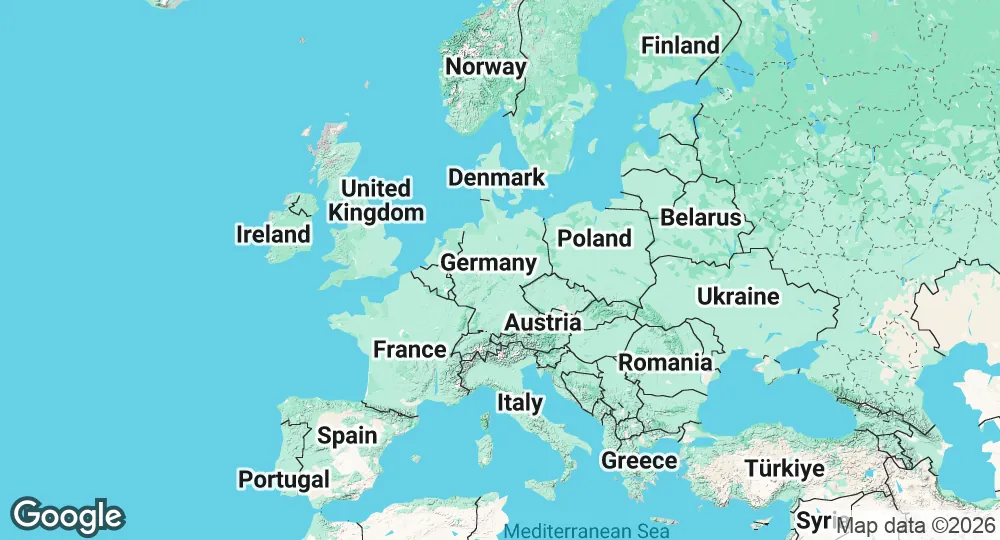
Map of Germany Flag of Germany
Active troops
183K
Reserve troops
34K
Defense budget
$112B2025
Share of GDP
2.4%
Population
83.5M2024

Armed Forces in 2026

Domain Strength Composition
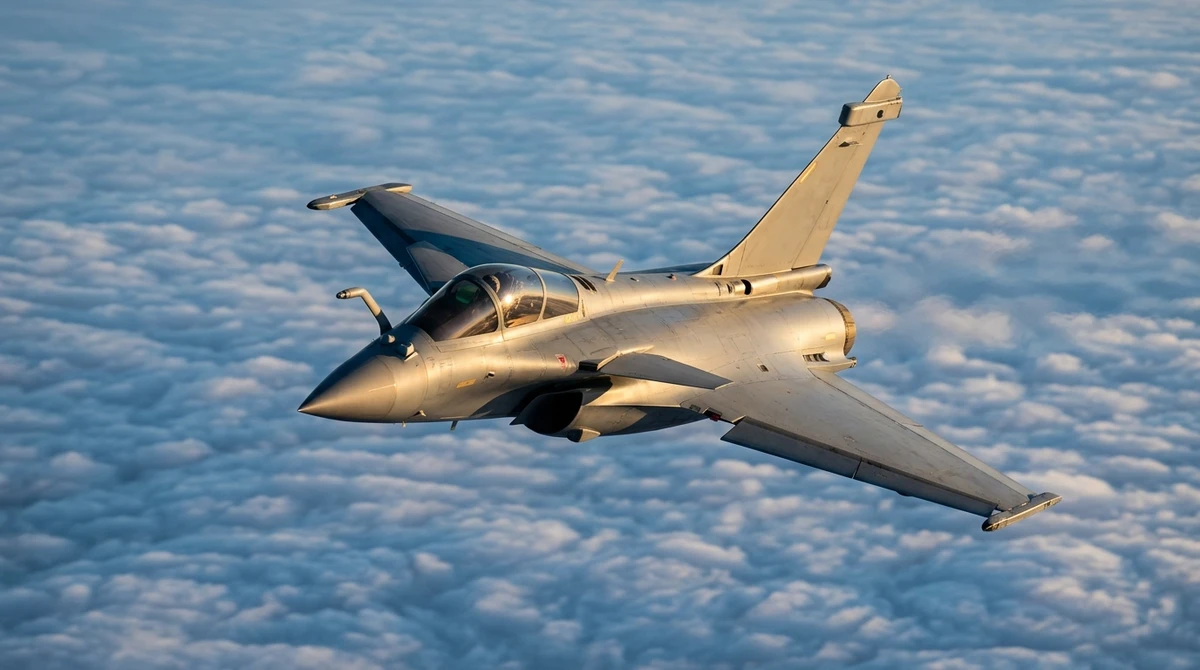
Air Force 589 aircraft 224 combat 290 helicopters 24 air bases +302 on order
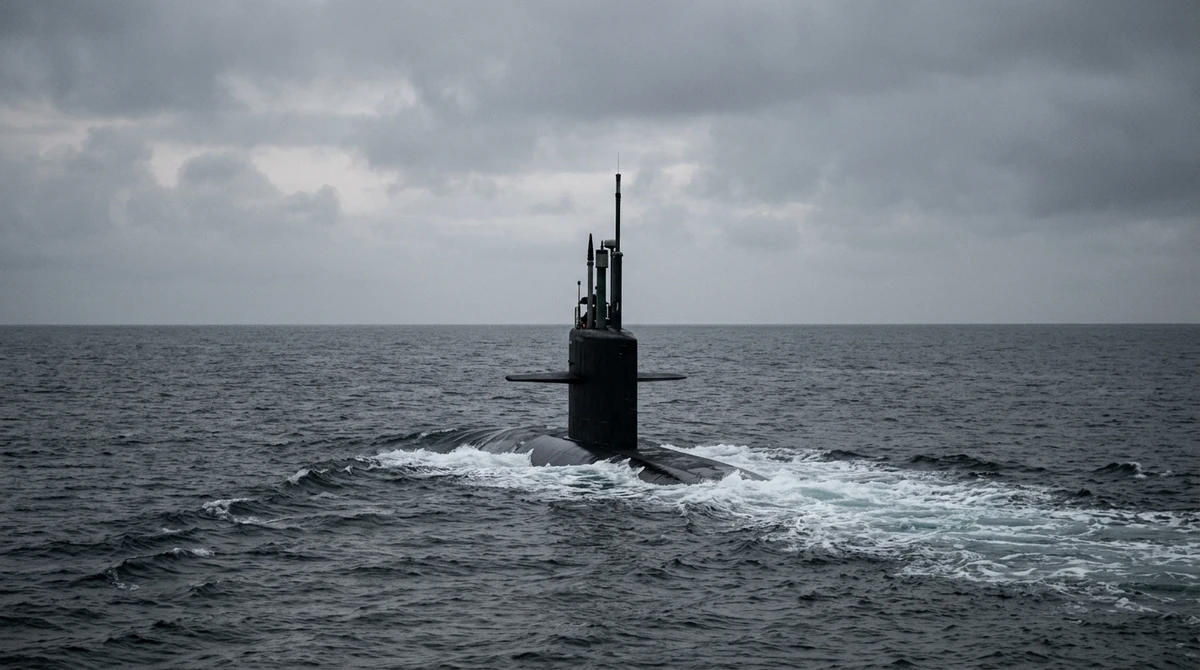
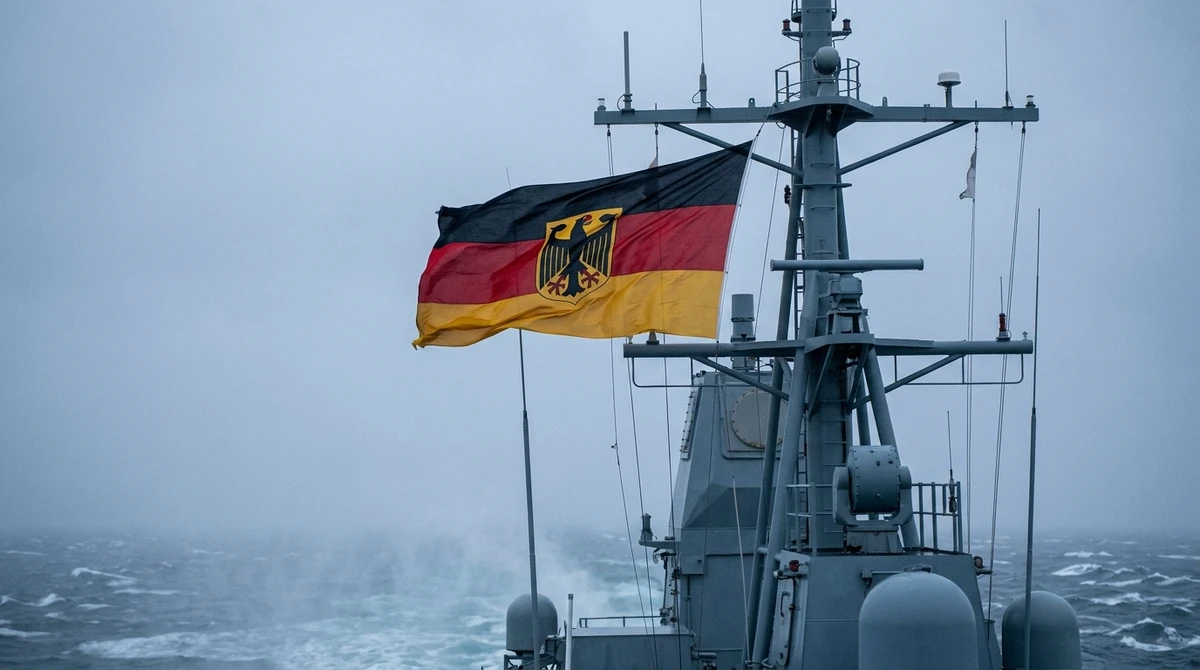
German Navy 72 warships 17 major combatants 6 submarines 4 naval bases
Ground Forces 4,166 vehicles 296 main battle tanks
Nuclear Forces Host 15 hosted Air
Personnel 183,500 active 34,100 reserve

Global Military Index

Full ranking →
Score & Pillar Breakdown World #10
57.8/ 100
The Global Military Index scores Germany's overall capability on a 0–100 scale from verifiable data across six pillars: manpower, ground forces, naval power, air power, nuclear deterrent and defense budget, with a readiness modifier derived from budget per soldier.
Pillar Weight Score Basis
Manpower 15% 72.4 Active, reserve & paramilitary personnel
Ground forces 20% 60.7 Tanks, armor & artillery weighted by type
Naval power 20% 49.4 Weighted by hull type: carrier tiers, nuclear vs conventional submarines
Air power 25% 63.4 Weighted by aircraft type and fleet age
Nuclear deterrent 10% 2.4 No declared nuclear capability
Defense budget 10% 76.7 Annual spending, purchasing-power adjusted
Readiness modifier ×1.19 Budget per soldier: proxy for training, maintenance & technology

Country File

Defense Statistics & Key Metrics
Population83.5M (2024)
GDP$4.7 trillion (2024)
GDP per capita$56,104
Military budget$112B (2025)
Share of GDP2.4% (2025)
Military spending per capita$1,346 (2025)
Inflation rate2.26% (2024)
Military Budget History CIA World Factbook
2021 — $61B, 1.40% of GDP $61B 2021 2022 — $63B, 1.50% of GDP $63B 2022 2023 — $73B, 1.60% of GDP $73B 2023 2024 — $94B, 2.00% of GDP $94B 2024 2025 — $112B, 2.40% of GDP $112B 2025
Budget (US$) Share of GDP (0-2.5%)
Geography
CapitalBerlin
RegionEurope
Land area348,672 km²
Coastline2,389 km
Land borders3,621 km
Bordering countries9
CurrencyEUR
National Flag Adopted 1949
Flag of Germany
Aspect ratio3:5
ColorsRed, yellow, black
Compare this Country
🇩🇪 Germany vs

Strategic Overview in 2026

Strategic Position

Germany's defense posture is defined by the Zeitenwende policy, which shifts the focus of the armed forces from international crisis management toward national and alliance defense. Within NATO, Germany serves as the primary logistical hub and "bridgehead" for the Eastern Flank. Operational plans as of 2026 designate German territory as the central transit corridor for up to 800,000 allied personnel and their equipment in a collective defense scenario.

A cornerstone of this position is the permanent stationing of Panzerbrigade 45 "Litauen" in Lithuania. This deployment represents the first permanent basing of a German combat brigade outside domestic borders since 1945. By 2026, the brigade is scheduled to integrate existing rotational NATO Enhanced Forward Presence elements into its permanent command structure. Regional security cooperation is further managed through the Weimar Triangle with France and Poland, as well as the European Sky Shield Initiative (ESSI), a German-led project to coordinate integrated air defense across Europe.

Military Forces

The Bundeswehr consists of the Army (Heer), Air Force (Luftwaffe), Navy (Deutsche Marine), and the Cyber and Information Domain Service (CIR), supported by the Joint Support Service and Joint Medical Service. Active duty personnel total approximately 184,000, with an additional reserve force that is currently being expanded toward a target of 200,000.

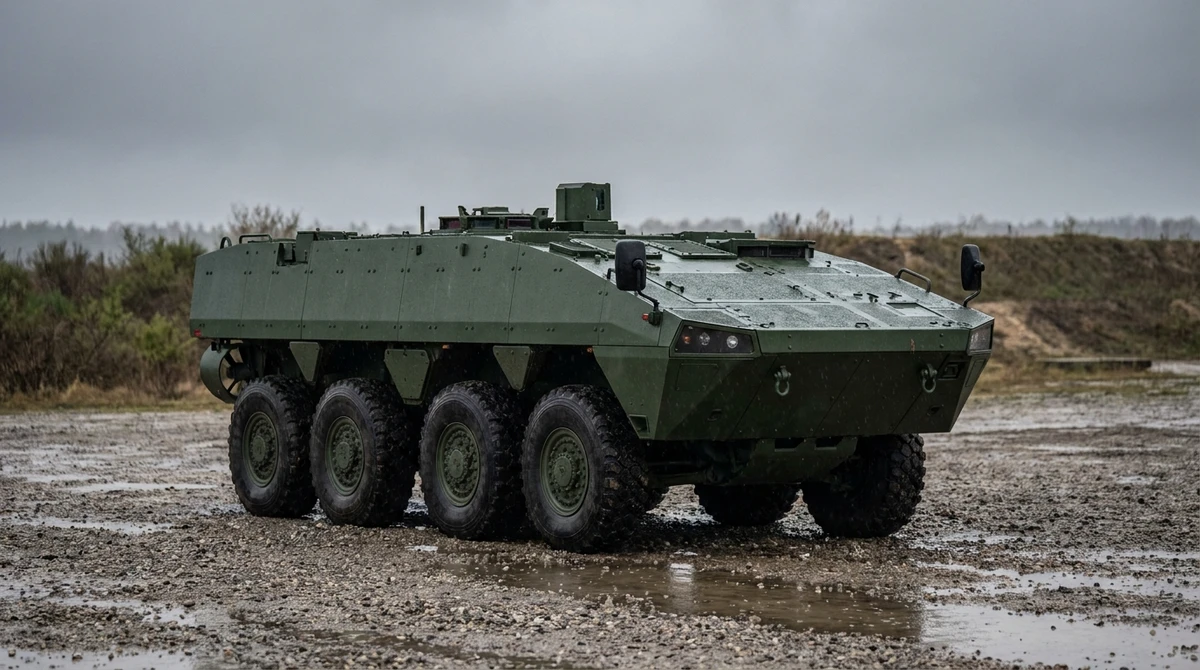
The Army operates the Leopard 2 main battle tank, with the 2A7V and 2A8 being the primary active variants. Mechanized units utilize the Puma and Marder infantry fighting vehicles, while the Boxer 8x8 serves as the modular wheeled armored vehicle for infantry and specialized roles. Artillery capabilities are centered on the PzH 2000 self-propelled howitzer and the MARS II multiple launch rocket system.

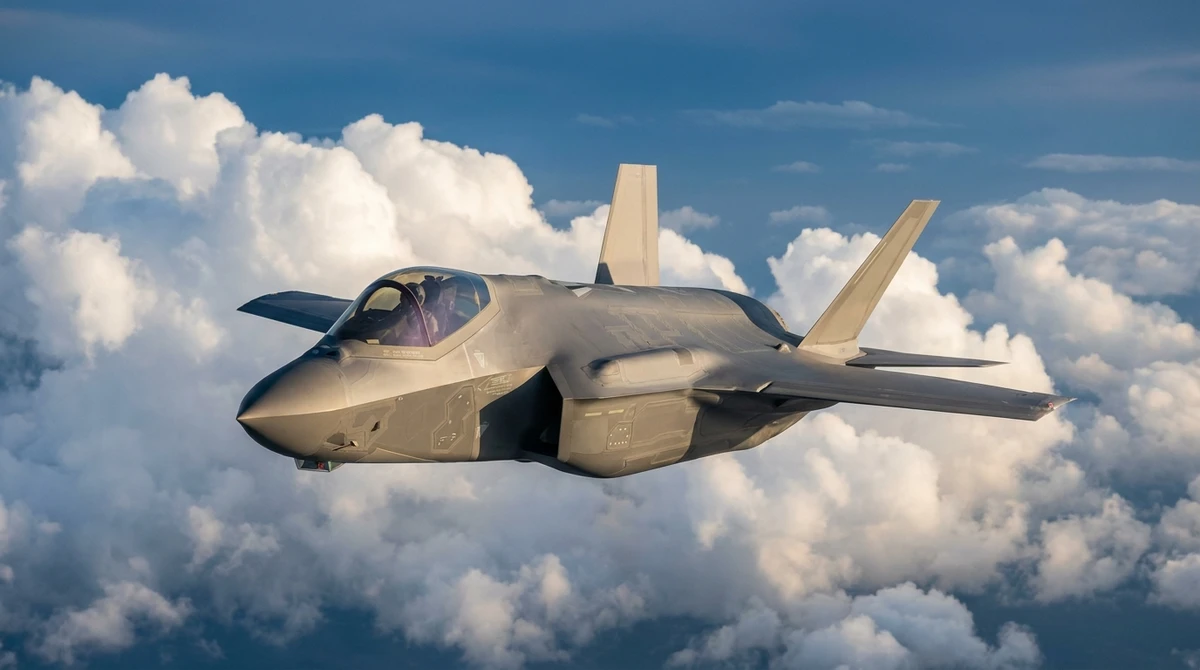
The Air Force maintains a fleet of Eurofighter Typhoon multirole fighters. In 2026, the branch is undergoing the integration of the F-35A Lightning II, which is designated to replace the Panavia Tornado for NATO nuclear sharing missions. The transport fleet is composed of A400M aircraft, while air defense is provided by Patriot systems and the IRIS-T SLM.

The Navy focuses on maritime security in the Baltic and North Seas, operating Type 212A diesel-electric submarines and a surface fleet of F125-class frigates and K130 corvettes. Construction is underway for the F126 frigate class. Specialized capabilities include the Special Forces Command (KSK), which conducts unconventional warfare and counter-terrorism operations.

Defense Industry

Germany possesses a domestic defense sector that is a major global exporter of armored vehicles and naval platforms. Primary manufacturers include Rheinmetall, KNDS, ThyssenKrupp Marine Systems (TKMS), Diehl Defence, and Hensoldt. The industry provides high levels of self-sufficiency in land systems, such as the Leopard 2 and Boxer, and conventional submarine technology.

The sector is increasingly integrated with European partners through large-scale development programs. These include the Main Ground Combat System (MGCS) for a next-generation tank and the Future Combat Air System (FCAS), both conducted with France and Spain. While domestic production is extensive, Germany relies on imports for specific high-technology assets, including American F-35 aircraft and the Israeli Arrow 3 missile defense system.

Strategic Trends

The defense budget for 2026 is approximately €83 billion, which, when combined with the remaining allocations from the €100 billion special fund (Sondervermögen), brings total spending to approximately 2.8% of GDP. This maintains Germany’s commitment to the NATO target of at least 2% of GDP.

Current modernization efforts prioritize "Warfighting Readiness" (Kriegstüchtigkeit), focusing on the digitalization of battlefield management and the replenishment of ammunition stocks. A primary constraint remains personnel recruitment and retention. In response, a new military service model was implemented on January 1, 2026, requiring all 18-year-old citizens to complete a questionnaire to determine their suitability and willingness for service, aimed at reaching an active force goal of 203,000 by the early 2030s. Procurement focuses include the Arrow 3 system for long-range ballistic missile defense and the acquisition of additional Leopard 2A8 tanks to replace units transferred to international partners.
German Defense Manufacturing

Designed in Germany
Naval Shipbuilding 29 classes
Type 209 Diesel-electric attack submarineMeko 200 FrigateKapitan Pattimura Anti-submarine corvetteBarbe Utility landing craftType 206 Diesel-electric submarineSon Won-il Diesel-electric submarineType 214 Diesel-electric attack submarineType 205 Diesel-electric submarineFrankenthal MinehunterAlbatros Fast attack craftTodaro Diesel-electric attack submarineType 212 Diesel-electric attack submarineBremen FrigateBraunschweig CorvetteElbe TenderMeko 140 Frigate / corvetteVictory CorvetteEnsdorf MinesweeperKulmbach MinehunterMeko 360 FrigateAlmirante Brown DestroyerBaden-Württemberg FrigateBrandenburg Anti-submarine frigateValour Guided-missile frigateBerlin Replenishment oilerSachsen Air-defense frigateVasco da Gama FrigateF126 FrigateType 212CD Attack submarine
Military Vehicles 10 models
Leopard 1 Medium Main Battle TankLeopard 2 Heavy Main Battle TankMarder Infantry fighting vehicleATF Dingo Infantry mobility vehicleKMW Fennek Scout carGTK Boxer 8x8 Armored Personnel CarrierLuchs 2 Reconnaissance Armored VehiclePzH 2000 Self-Propelled HowitzerPuma IFV Infantry fighting vehicleRCH 155 Wheeled self-propelled howitzer
Missile Systems 9 systems
Milan Anti-TankCobra / Mamba Anti-TankHOT Anti-TankIris-T Air-to-AirTrigat Anti-TankTaurus KEPD 350 CruiseRoland Surface-to-AirIRIS-T SLM Surface-to-AirKormoran Anti-Ship
Firearms 23 models
DSR 50 Anti materiel sniper rifleDSR-1 Sniper rifleG-3 Assault rifleG-36 Assault rifleG-41 Assault rifleHK 416 Assault rifleHK G28 Sniper rifleHK MG5 Machine gunHK USP Semi-automatic pistolHK VP9 / SFP9 Semi-automatic pistolHK-21 / HK-23 Machine gunHK-33 Assault rifleHK-417 Assault rifleHK433 Assault rifleMG-3 Machine gunMG-4 / -43 Machine gunMP5 Submachine gunMP7 Submachine gunMSG-90 Sniper riflePSG-1 Sniper rifleUMP Submachine gunWalther MPL / MPK Submachine gunWalther P99 Semi-automatic pistol

In the News

All news →

Frequently Asked Questions

How large is Germany's military?
Germany has 183,500 active military personnel with an additional 34,100 in reserve. This includes army, navy, and air force service members.
What is Germany's defense budget?
Germany's annual defense budget is approximately $112.5 billion. This covers personnel costs, equipment procurement, operations, and maintenance of military forces.
How does Germany rank militarily in the world?
Germany ranks #10 globally on the Global Military Index with a score of 57.8 out of 100. This composite index measures military capability across manpower, ground forces, naval power, air power, nuclear deterrent, and defense budget, adjusted for equipment quality and readiness.
Does Germany have nuclear weapons?
Germany does not possess its own nuclear weapons but hosts nuclear warheads under NATO nuclear sharing arrangements.
How many aircraft does Germany's air force have?
Germany operates 589 military aircraft including 224 combat aircraft. The fleet includes fighters, transport planes, helicopters, and training aircraft.
How large is Germany's navy?
Germany's navy operates 72 vessels including 6 submarines. The fleet includes surface combatants, support ships, and coastal patrol craft.
How many tanks does Germany have?
Germany operates approximately 296 main battle tanks. This figure includes both active inventory and reserve stocks available for mobilization.
What percentage of GDP does Germany spend on defense?
Germany spends approximately 2.4% of its GDP on defense. This meets the NATO target of 2% of GDP.
What is Germany's military personnel per capita?
Germany has approximately 2.2 active military personnel per 1,000 citizens. This ratio reflects the country's military manpower relative to its population of 83,516,593.
Does Germany have submarines?
Yes, Germany operates 6 submarines. The submarine fleet may include nuclear-powered attack submarines, ballistic missile submarines, and conventional diesel-electric boats depending on the country's naval doctrine.
Population, GDP, Inflation and Personnel: World Bank.
Military Expenditure: CIA World Factbook. Last updated on 11 August 2026. Suggest a change
Latest Data Updates
  1. AUG 112026 Updated Global Military Index updated
  2. AUG 42026 Updated Global Military Index updated in a site-wide editorial pass
  3. AUG 32026 Updated Global Military Index updated
  4. JUL 162026 Updated Global Military Index updated in a site-wide editorial pass
  5. JUN 162026 Updated Yearly statistics, military spending and 2 more fields updated
  6. MAR 162026 Updated Reserve personnel updated
  7. JAN 232026 Updated Rank insignia updated (1 entry)