Germany Pulls Minehunter Fulda and Tender Mosel Back as Hormuz Mission Stalls
Berlin confirmed on 23 July that the minehunter Fulda and the tender Mosel are leaving Djibouti for the eastern Mediterranean, with no prospect of a European mine-clearing mission in the Strait of Hormuz.
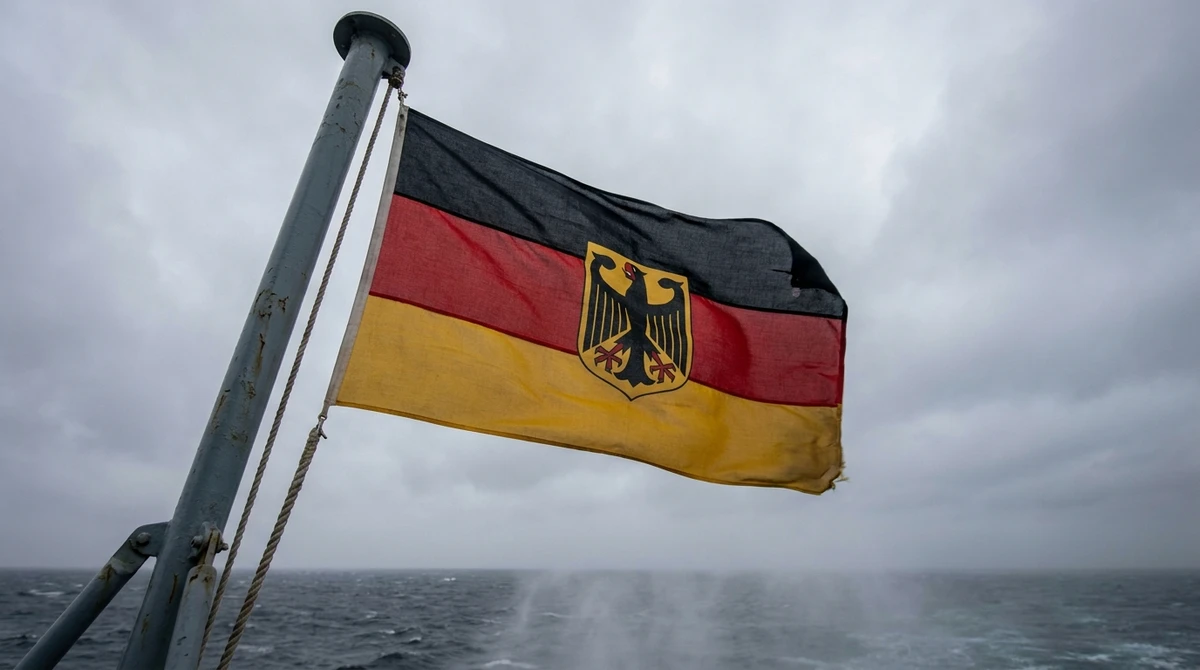
Germany is withdrawing two naval vessels from the Gulf of Aden after concluding that a European-led mine-clearing mission in the Strait of Hormuz is unlikely to materialise, the German defence ministry confirmed on 23 July 2026. The minehunter Fulda and the tender Mosel will leave Djibouti for the eastern Mediterranean.
The two ships were sent to the Horn of Africa in June as a forward-positioning move, placing German mine-countermeasures capability within reach of the Gulf should European navies be asked to reopen the strait after the outbreak of the conflict between the United States and Iran. Open hostilities resumed after a period of relative calm, and Berlin reassessed the deployment rather than commit the vessels to an operation with no political mandate and no defined start date.
A second, more prosaic reason was cited. The vessels' cooling systems draw sea water and were not designed for the water temperatures of the Gulf of Aden, a constraint that limits how long they can usefully remain on station. Both ships will stay on standby in the eastern Mediterranean and could be sent back if operational conditions change, the ministry said.
Fulda is a Frankenthal-class mine countermeasures vessel, pennant M1058, one of ten of the class still active in German service. Mosel is an Elbe-class tender, pennant A512, one of the support ships that give small German combatants the endurance to operate far from home ports. GlobalMilitary.net's inventory records 12 mine warfare vessels and 20 support ships in the German Navy alongside 11 frigates, six submarines and five corvettes.
Mine countermeasures are the capability the Strait of Hormuz scenario turns on. The strait is roughly 33 kilometres across at its narrowest point, with shipping lanes narrower still, and mining it is among the cheapest options available to Iran for closing the waterway. Clearing it is a slow, specialised task that only a handful of European navies can contribute to, and Germany's dozen minehunters represent one of the larger such fleets in NATO. Germany ranks 10th among the strongest militaries in the world.
The withdrawal is a signal about European appetite rather than European capability. Berlin has kept the ships available, but has declined to leave them in theatre indefinitely for a mission that no European government has yet committed to launching. The eastern Mediterranean keeps them on the Suez route should that change, while removing the political awkwardness of German warships idling off the Horn of Africa waiting for a mandate that may never arrive.
More News
All news →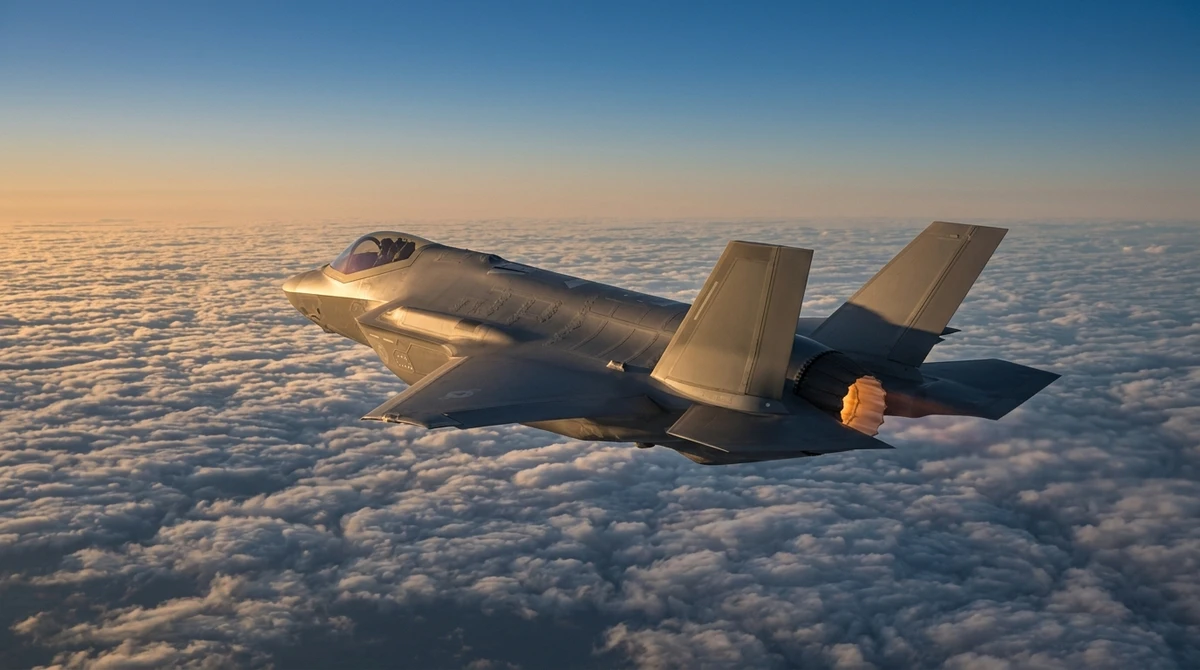
General Atomics Delivers FQ-42 Vengeance Uncrewed Fighter to Creech Air Force Base
General Atomics delivered one FQ-42 Vengeance uncrewed fighter to Creech Air Force Base, Nevada, on September 18, as the company says it is on track to build six a month and the Secretary of the Air Force expects at least 500 autonomous aircraft in service by 2032.
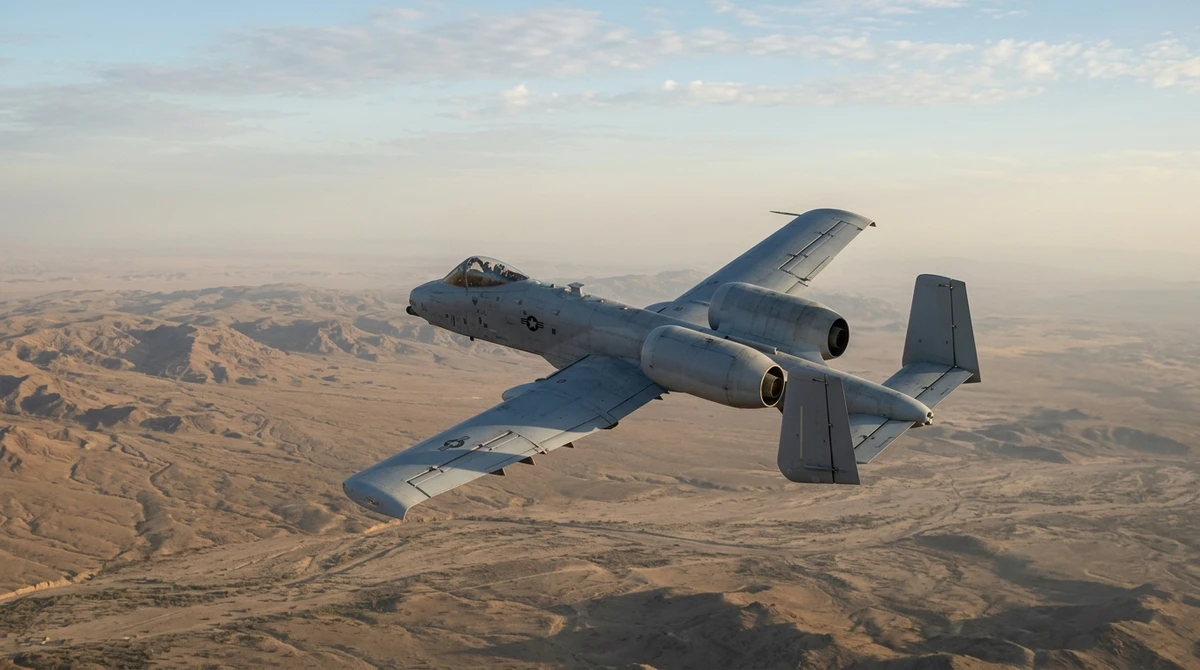
Davis-Monthan Inactivates Four A-10 Units, Ending the Base's Thunderbolt II Mission
The US Air Force inactivated four A-10 units at Davis-Monthan Air Force Base, Arizona, on September 18, 2026, ending the type's presence at the base while the FY2026 defense authorization act holds the fleet at no fewer than 103 aircraft through fiscal 2026.
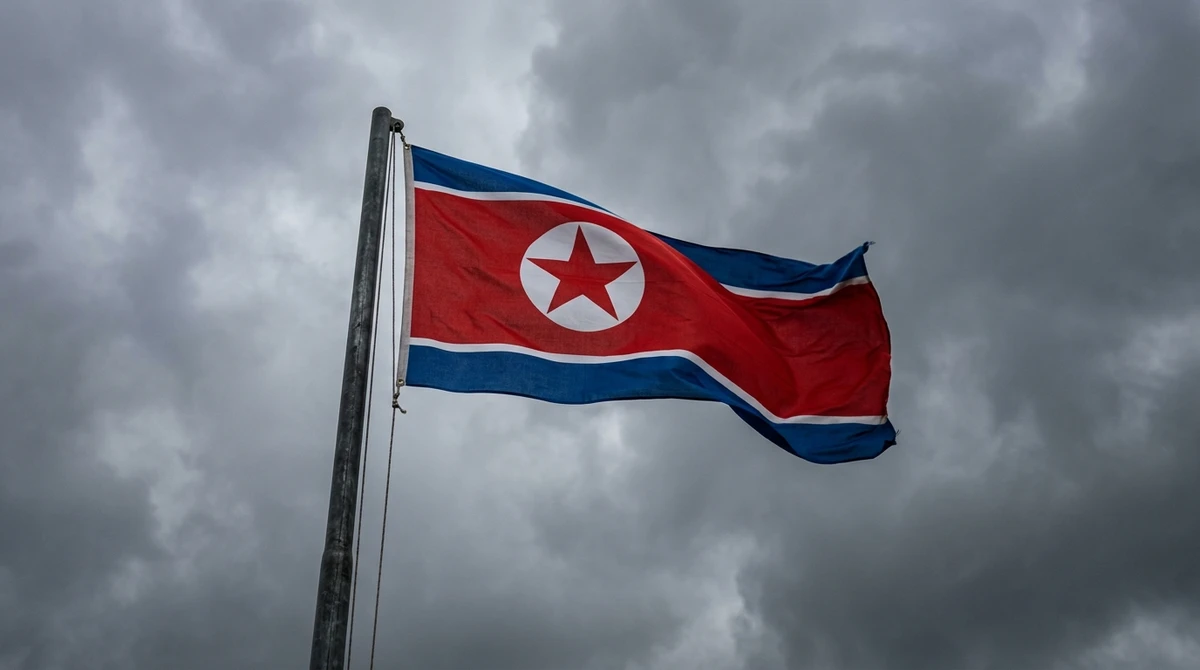
North Korea Fires Two Short-Range Ballistic Missiles Toward the East Sea
North Korea launched two short-range ballistic missiles from the Wonsan area toward the East Sea on September 20, 2026, one flying about 450 km and the other more than 600 km, South Korea's Joint Chiefs of Staff said; Japan said neither landed in its territorial waters.
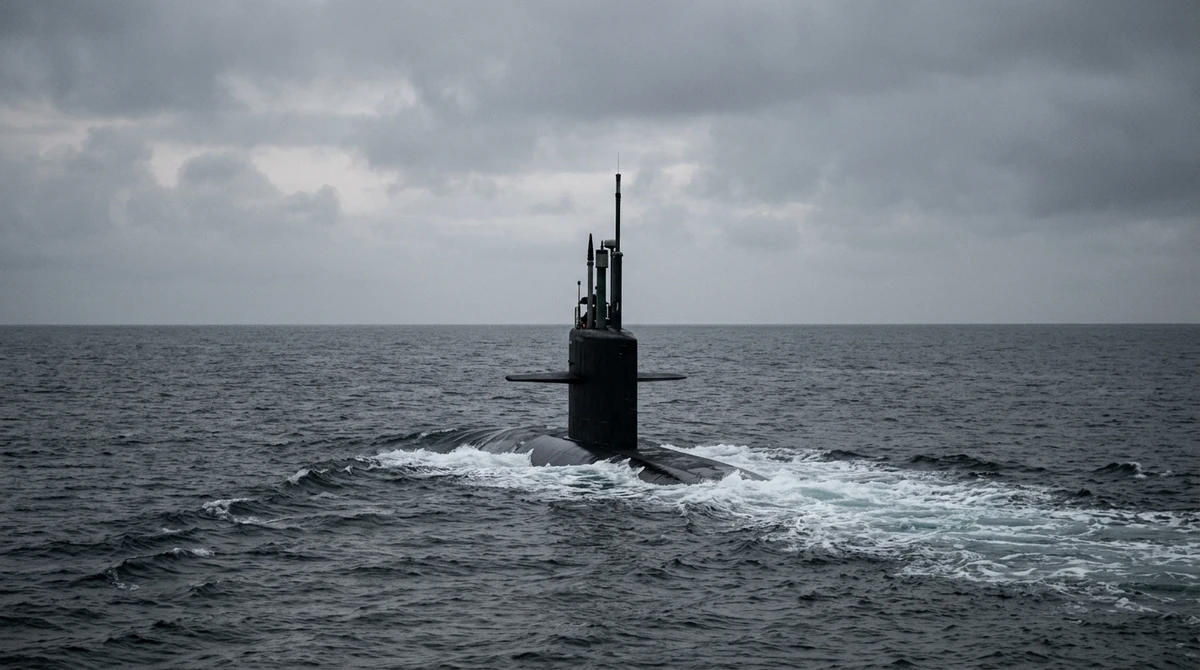
Nuclear vs Air-Independent Propulsion: How a Submarine Runs Without Air, and What Japan Is Weighing
After Japan's defense minister declined on September 11, 2026 to rule out nuclear-powered submarines, a technical explainer on how a reactor, a Stirling engine, a fuel cell and a lithium-ion battery each keep a boat under water, and what each one buys.
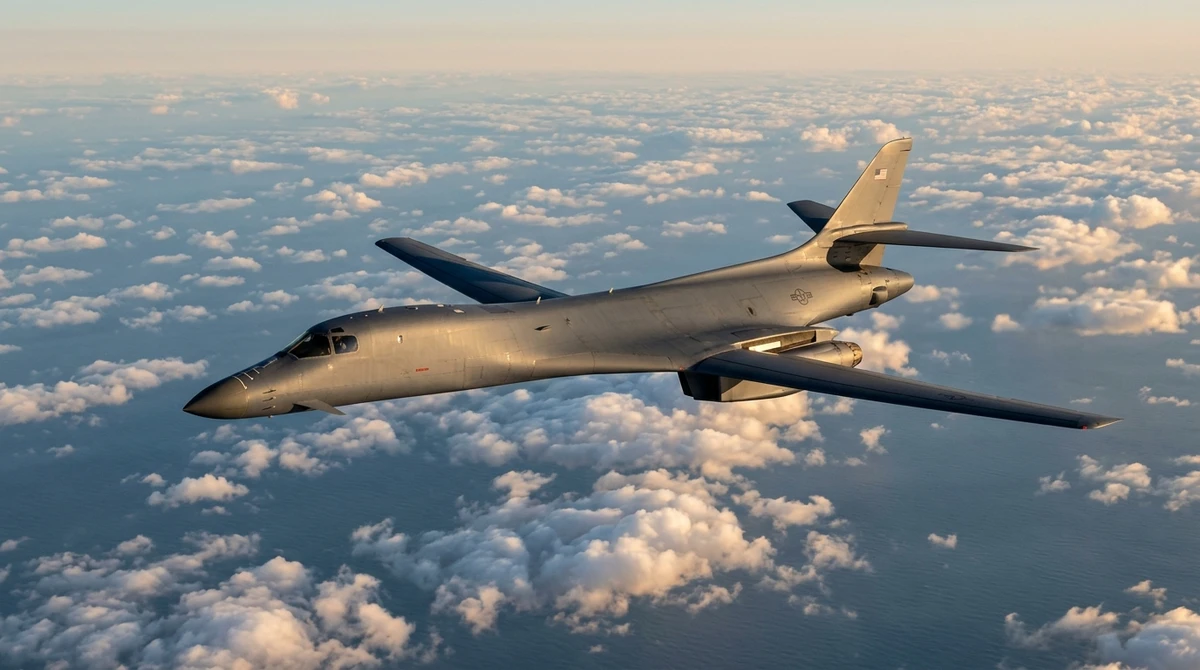
US Air Force to Extend B-1 and B-2 Service Lives With Only Three B-21s in the Fleet
Air Force Global Strike Command said on 17 September 2026 that the B-1 Lancer and B-2 Spirit will fly beyond their planned retirements, keeping a US bomber force built on 1955, 1986 and 1993 designs in service while the B-21 Raider arrives at three aircraft.
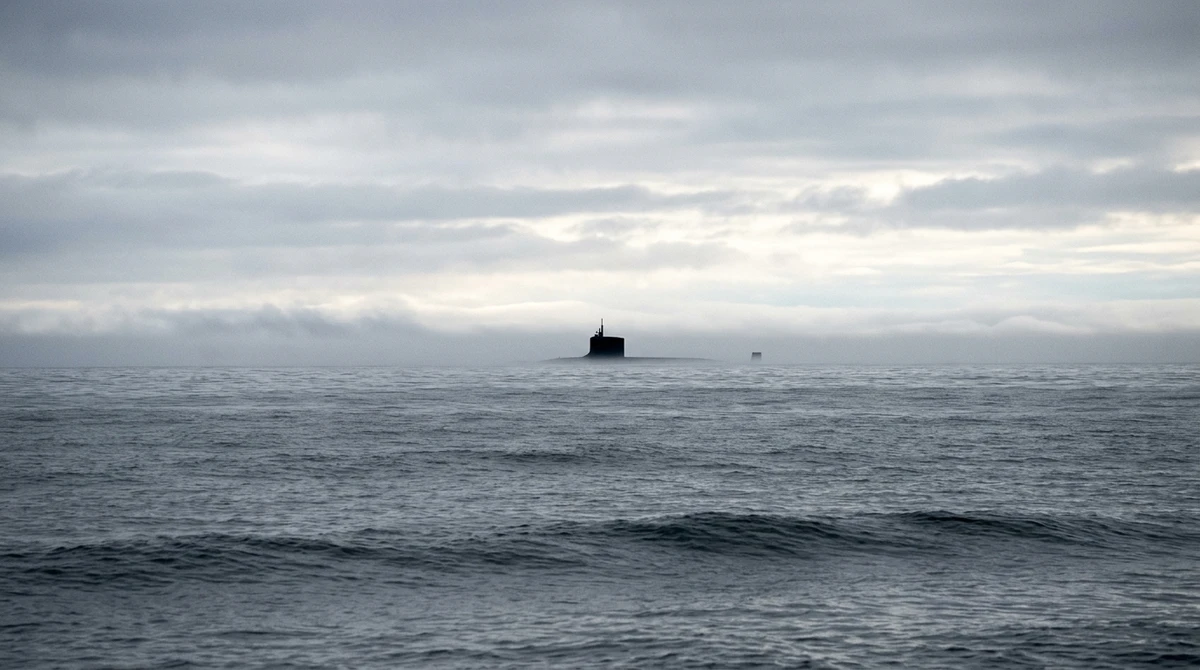
Japan Will Not Rule Out Nuclear-Powered Submarines as Six Navies Field 140 Between Them
Japan's defense minister said on 11 September 2026 that nuclear-powered submarines "will not be ruled out" in the year-end revision of the country's security documents, an option that would put the JMSDF alongside the six navies operating 140 nuclear boats today.