
Nigerian Air Force
Nigerian Air Force — The Nigerian Air Force (NAF) is structured to address both internal security threats and conventional external defense roles, organized into six commands: Tactical Air Command, Special Operations Command, Mobility Command, Air Training …
Full inventory in 2026
26 aircraft typesNigerian Air Force
| Aircraft | Origin | Model year | Active | Δ YoY | Ordered | |
|---|---|---|---|---|---|---|
| Combat | ||||||
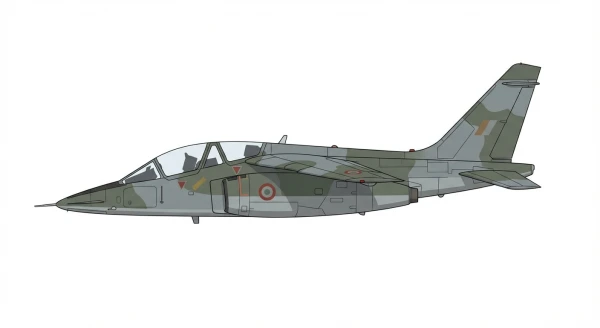
|
Alpha Jet |
🇩🇪 Germany 🇫🇷 France |
1978 | 13 | +1 | — |
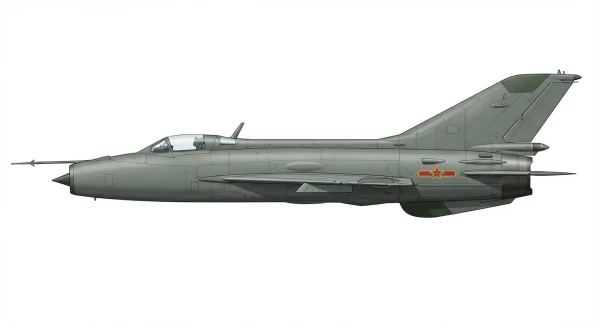
|
F-7 | 🇨🇳 China | 1966 | 8 | -3 | — |
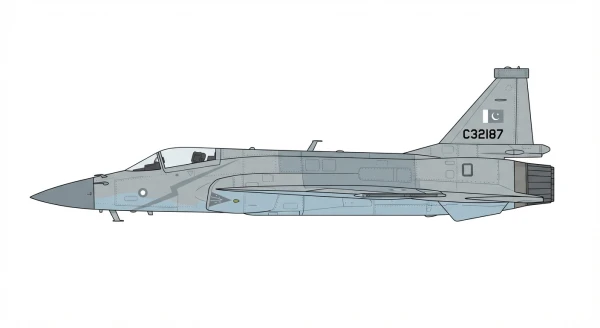
|
JF-17 |
🇨🇳 China 🇵🇰 Pakistan |
2007 | 3 | — | — |
| Helicopter | ||||||
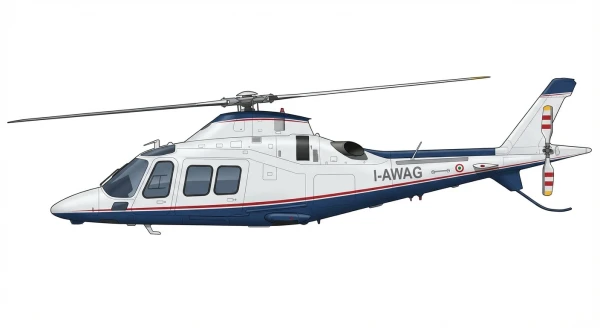
|
AW109 |
🇬🇧 United Kingdom 🇮🇹 Italy |
1976 | 15 | -2 | — |
|
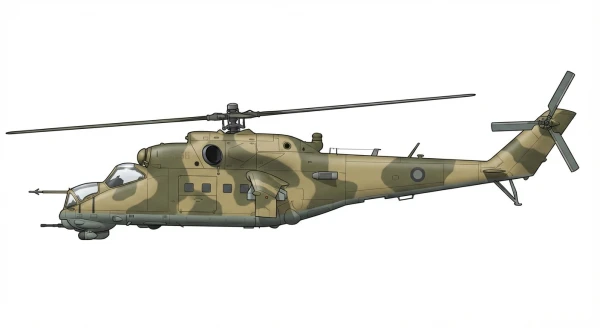
Mi-24/35 | 🇷🇺 Ex-USSR | 1972 | 15 | — | — |
|
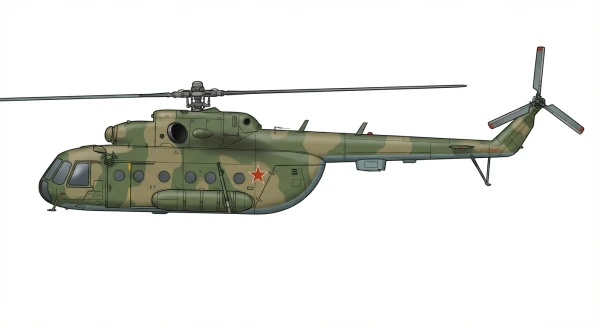
Mi-17/171 | 🇷🇺 Ex-USSR | 1977 | 6 | — | — |
|
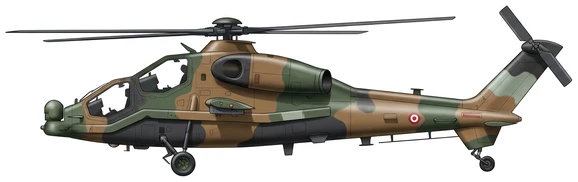
T129 | 🇹🇷 Turkey | 2014 | 6 | +2 | — |
|
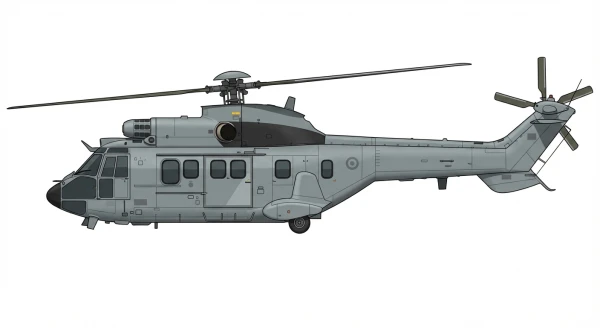
H215M/AS332 |
🇩🇪 Germany 🇫🇷 France |
1978 | 5 | — | — |
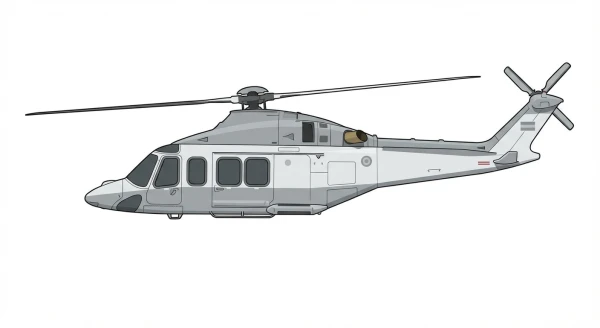
|
AW139 |
🇬🇧 United Kingdom 🇮🇹 Italy |
2003 | 3 | +2 | — |
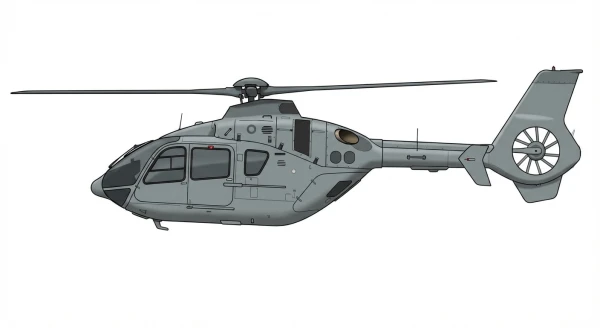
|
H135 | 🇫🇷 France | 1996 | 3 | — | — |
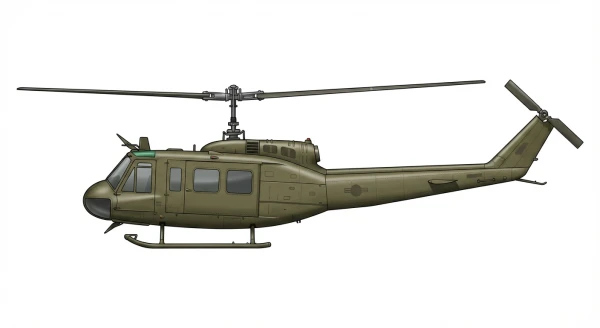
|
Bell 412 | 🇺🇸 United States | 1959 | 2 | — | — |
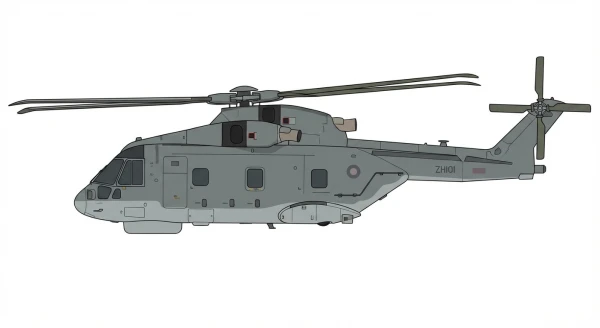
|
AW101 |
🇬🇧 United Kingdom 🇮🇹 Italy |
1999 | 2 | +2 | — |
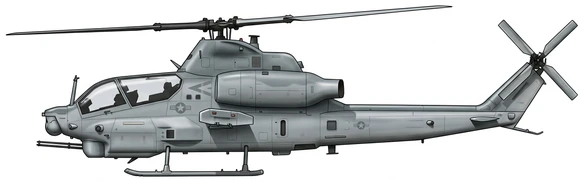
|
AH-1Z | 🇺🇸 United States | 2010 | — | — | +12 |
| Transport | ||||||
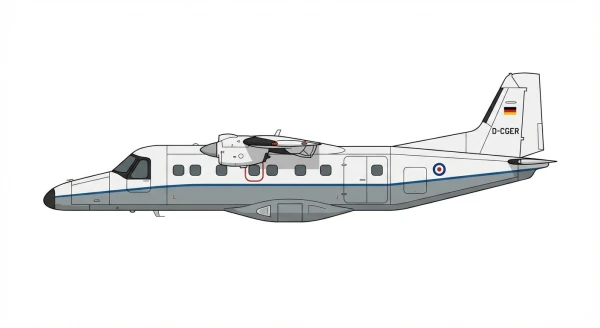
|
Dornier 228 | 🇩🇪 Germany | 1982 | 6 | -1 | — |
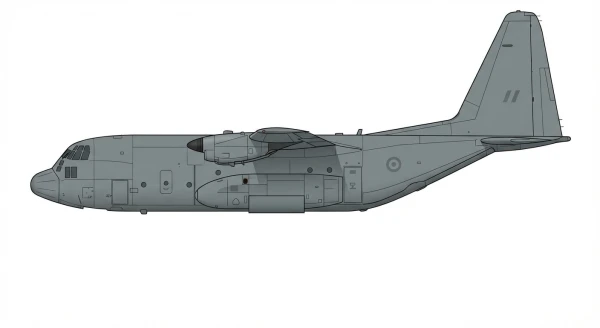
|
C-130H | 🇺🇸 United States | 1956 | 3 | +1 | — |
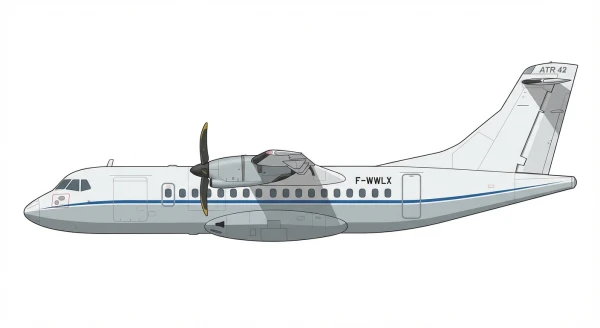
|
ATR 42 |
🇫🇷 France 🇮🇹 Italy |
1985 | 2 | +1 | — |
|
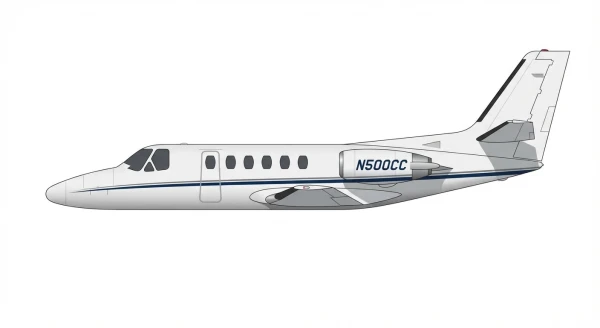
Citation CJ3 | 🇺🇸 United States | 1971 | 1 | — | — |
|
|
Citation Sovereign | 🇺🇸 United States | 1971 | 1 | — | — |
|
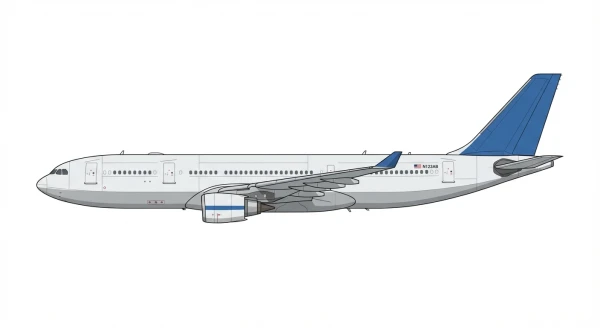
A330 | 🇪🇺 Europe | 1994 | 1 | +1 | — |
|
C295 |
🇪🇸 Spain 🇮🇩 Indonesia |
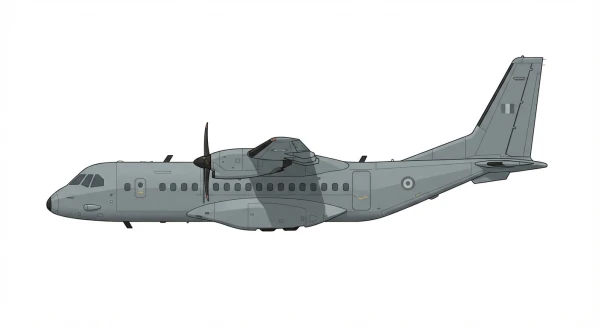
2001 | — | — | +3 |
| Training | ||||||
|
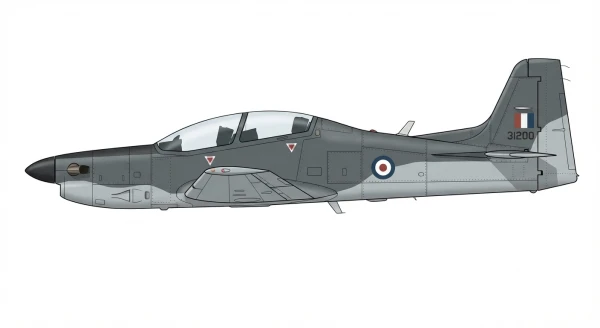
EMB-314 (A-29) | 🇧🇷 Brazil | 1983 | 12 | — | — |
|
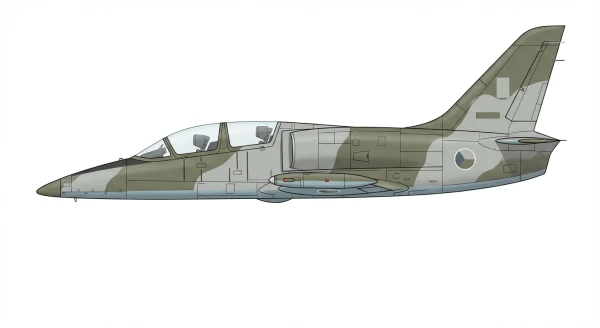
L-39 | 🇨🇿 Czechia | 1972 | 11 | — | — |
|
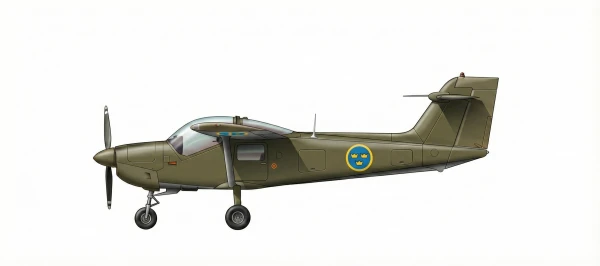
MFI-395 | 🇸🇪 Sweden | 1972 | 8 | -2 | — |

|
MB-339 | 🇮🇹 Italy | 1979 | 6 | — | — |
|
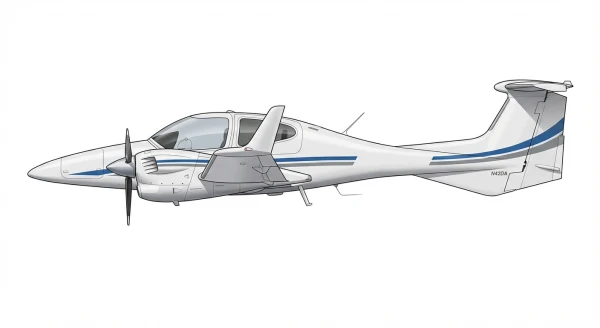
DA42 | 🇦🇹 Austria | 2004 | 1 | — | — |
|
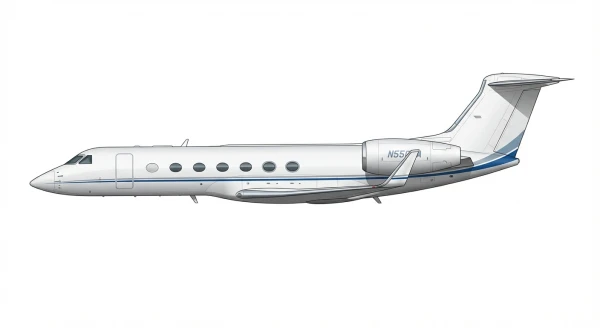
Gulfstream G550 | 🇺🇸 United States | 2004 | 1 | +1 | — |
|
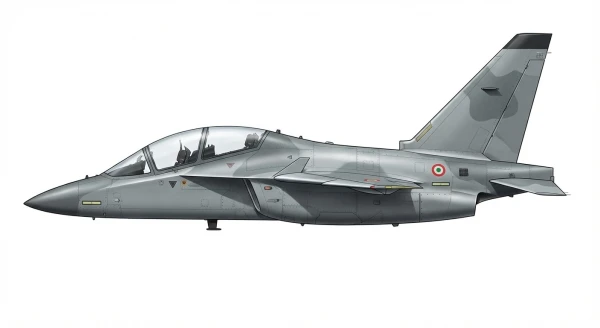
M-346FA | 🇮🇹 Italy | 2015 | — | — | +24 |
| Other | ||||||
|
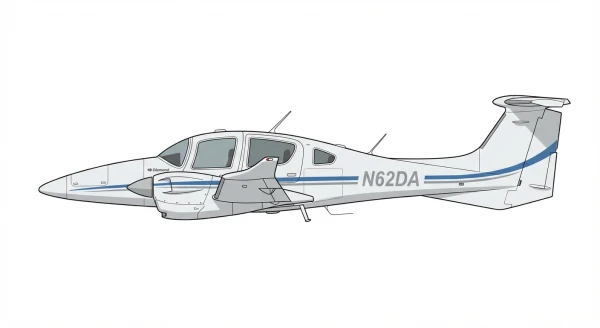
DA62 | 🇦🇹 Austria | 2015 | 4 | — | — |
|
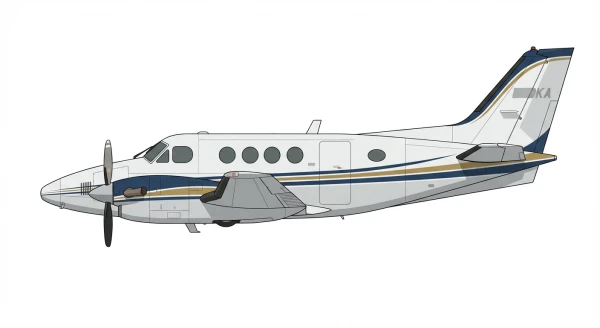
King Air 350 | 🇺🇸 United States | 1964 | 2 | — | — |
|
|
King Air 360 | 🇺🇸 United States | 1964 | 2 | — | — |
Nigerian Army
| Aircraft | Origin | Model year | Active | Δ YoY | Ordered | |
|---|---|---|---|---|---|---|
| Helicopter | ||||||
|
|
UH-1H | 🇺🇸 United States | 1959 | 2 | — | — |
|
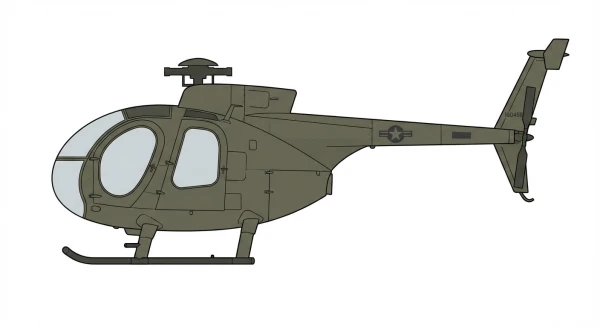
MD530F | 🇺🇸 United States | 1967 | — | — | +36 |
| Transport | ||||||
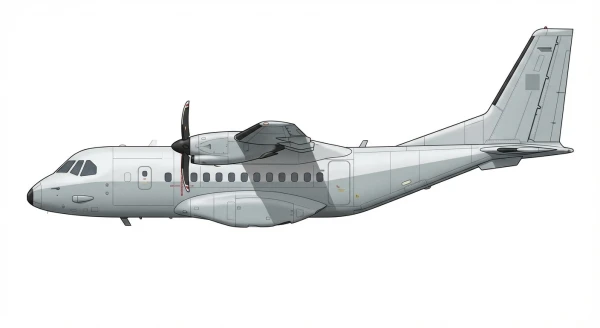
|
CN235 |
🇪🇸 Spain 🇮🇩 Indonesia |
1988 | 4 | — | — |
Nigerian Navy
| Aircraft | Origin | Model year | Active | Δ YoY | Ordered | |
|---|---|---|---|---|---|---|
| Helicopter | ||||||
|
|
AW109 |
🇬🇧 United Kingdom 🇮🇹 Italy |
1976 | 12 | +3 | — |
|
|
AW139 |
🇬🇧 United Kingdom 🇮🇹 Italy |
2003 | 2 | +1 | — |
| Transport | ||||||
|
|
ATR 42 |
🇫🇷 France 🇮🇹 Italy |
1985 | 2 | +2 | — |
Overview
The Nigerian Air Force (NAF) is structured to address both internal security threats and conventional external defense roles, organized into six commands: Tactical Air Command, Special Operations Command, Mobility Command, Air Training Command, Ground Training Command, and Logistics Command. This structure is underpinned by a strategic doctrine of "ACTIVE DEFENCE, FORWARD ENGAGEMENT," which dictates a defensively-oriented strategic posture while maintaining a tactically offensive approach. Doctrinally, the NAF prioritizes the attainment of air superiority as a prerequisite for any successful military operation and is prepared to employ air power either independently or in conjunction with other services.
Operationally, the NAF is heavily engaged in counter-insurgency and counter-terrorism operations, primarily in the northeast of the country against Boko Haram and other insurgent groups. Its contributions are integral to the Multi-National Joint Task Force. These engagements involve a wide spectrum of air operations, including intelligence, surveillance, and reconnaissance (ISR), close air support for ground forces, and air interdiction to disrupt enemy logistics and freedom of movement. The NAF's involvement in these asymmetric warfare scenarios has shaped its operational focus and procurement strategies, emphasizing precision strikes and force protection.
To meet the demands of this operational tempo, the NAF has undertaken a significant modernization and fleet expansion program, by the acquisition of a diverse range of platforms from various international partners. Recent additions include the PAC JF-17 Thunder multi-role fighter, the Embraer A-29 Super Tucano light attack aircraft, and orders for Leonardo M-346FA light combat aircraft. Rotary-wing capabilities have been enhanced with new attack helicopters, including the TAI T-129 and Bell AH-1Z. A critical component of this modernization is the expansion of its unmanned aerial vehicle (UAV) fleet, incorporating systems like the Wing Loong II and Bayraktar TB2 for persistent ISR and precision strike missions. These acquisitions provide a qualitative leap in capability but also present the challenge of sustaining a diverse and technologically advanced inventory. The NAF has also focused on developing indigenous capacity through the Air Force Institute of Technology (AFIT) and the Air Force Research and Development Centre (AFRDC).