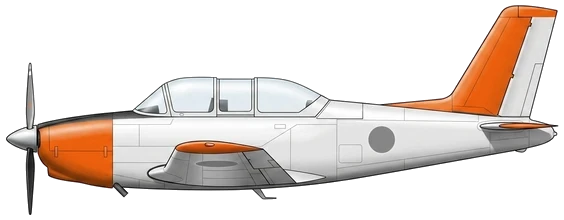
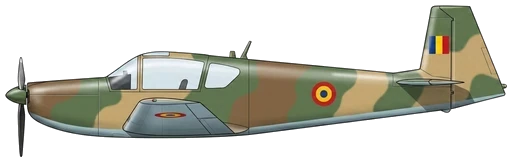
Fuji T-7 vs IAR-823
Fuji T-7 vs IAR-823 at a glance — max takeoff weight 1,585 vs 1,500 kg, built 49 vs 80 units.
Specifications
|
Fuji T-7 |
IAR-823 |
| Origin country |
🇯🇵 Japan |
🇷🇴 Romania |
| Category |
Military Training Aircraft |
Military Training Aircraft |
| Manufacturer |
Fuji |
IAR |
| First flight |
1 January 2002 |
10 June 1973 |
| Year introduced |
2003 |
1974 |
| Number produced |
49 units |
80 units |
| Average unit price |
-- |
-- |
| Wing area |
16.5 m² |
15.0 m² |
| Wingspan |
10.0 m |
10.0 m |
| Height |
3.0 m |
2.5 m |
| Length |
8.6 m |
8.2 m |
| Maximum speed |
-- km/h |
310 km/h |
| Operational range |
-- km |
1,800 km |
| Service ceiling |
-- m |
5,600 m |
| Max. takeoff weight |
1,585 kg |
1,500 kg |
| Empty weight |
-- kg |
900 kg |
| Total thrust |
1 x 336 kW
|
1 x 216 kW
|
Detailed Comparison
Loading analysis...
Generating comparison analysis...
Unable to generate comparison at this time.
Change comparison
vs
Which is heavier, the Fuji T-7 or IAR-823?
The Fuji T-7 has a higher maximum takeoff weight at 1,585 kg compared to the IAR-823's 1,500 kg.
Which is larger, the Fuji T-7 or IAR-823?
The Fuji T-7 is longer at 8.6 meters compared to the IAR-823's 8.2 meters.
Which entered service first, the Fuji T-7 or IAR-823?
The IAR-823 entered service first in 1974, 29 years before the Fuji T-7 which entered service in 2003.
Which has been built in greater numbers, the Fuji T-7 or IAR-823?
The IAR-823 has been produced in greater numbers with 80 units compared to 49 units of the Fuji T-7.