Strategic Position
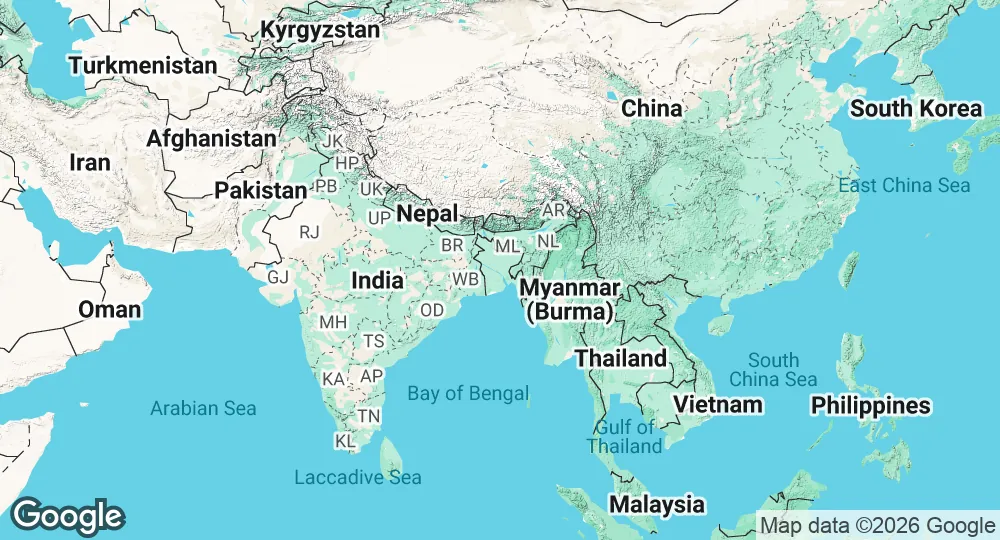
Bangladesh is situated in South Asia, bordering India to the west, north, and east, and Myanmar to the southeast. Its southern coastline provides access to the Bay of Bengal, a region of focus for maritime security and the protection of the Exclusive Economic Zone. Primary security concerns involve the spillover of the internal conflict in Myanmar’s Rakhine State, which includes border incursions, landmine casualties, and the management of a large Rohingya refugee population.
The national defense doctrine is primarily defensive, centered on the "Forces Goal 2030" modernization program. This roadmap emphasizes territorial integrity and the development of a three-dimensional force capable of regional deterrence. Geopolitical shifts in 2025 and 2026 have led to a diversification of defense partnerships. While maintaining security cooperation with India, the current administration has increased engagement with China, Turkey, and Pakistan to satisfy procurement requirements and balance regional influence. Bangladesh is a frequent contributor to United Nations peacekeeping operations, maintaining a high volume of personnel in overseas missions.
Military Forces
The Bangladesh Armed Forces consist of the Army, Navy, and Air Force, coordinated through the Armed Forces Division of the Prime Minister's Office. Paramilitary organizations including the Border Guard Bangladesh (BGB) and the Bangladesh Coast Guard provide internal security and frontier defense. Total active personnel is approximately 170,000, supported by a reserve force and various paramilitary elements.
The Army operates a range of armored vehicles and artillery. The tank inventory includes VT-1A (Type 90-II) and VT-5 main battle tanks, alongside modernized Type 69-IIG and Type 59 variants. Artillery capabilities include Serbian Nora B-52 self-propelled howitzers and WS-22 Multiple Launch Rocket Systems. Recent acquisitions include the SY-400 short-range ballistic missile system and various unmanned aerial vehicles (UAVs) for reconnaissance.
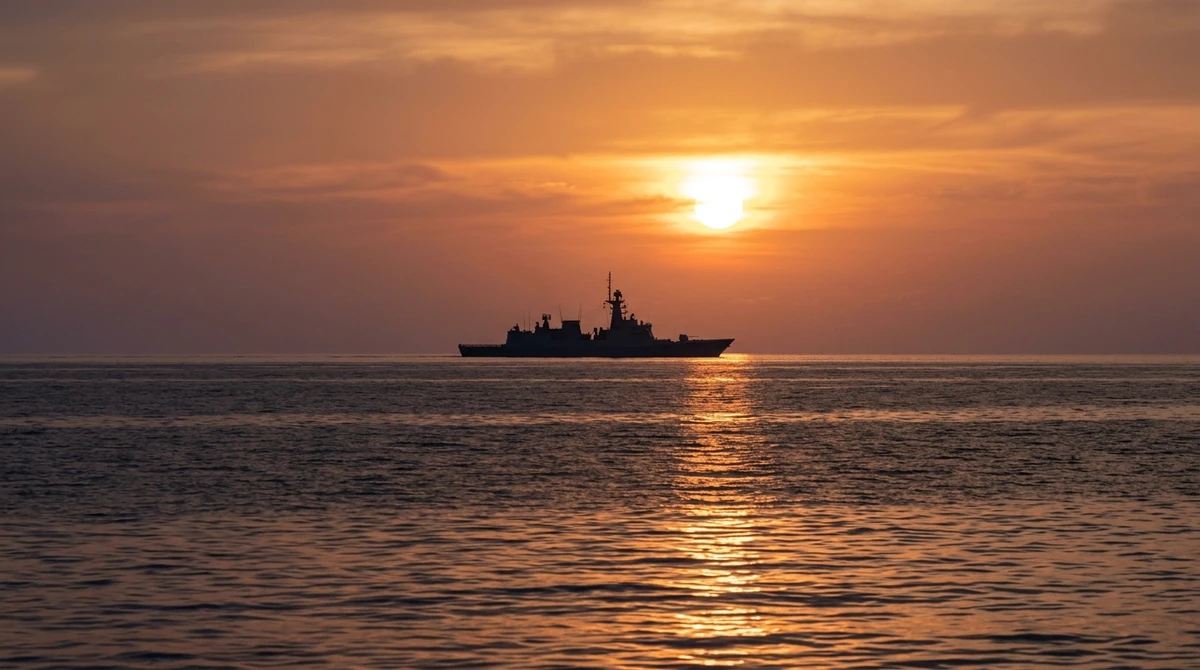
The Navy operates as a three-dimensional force with the inclusion of a submarine branch. The fleet includes Type 035G Ming-class diesel-electric submarines and a variety of frigates and corvettes, primarily of Chinese origin (Type 053 and Type 056). Naval aviation is maintained through maritime patrol aircraft and anti-submarine warfare helicopters. Development programs in 2025 focus on the procurement of additional large patrol craft and the construction of indigenous frigates.
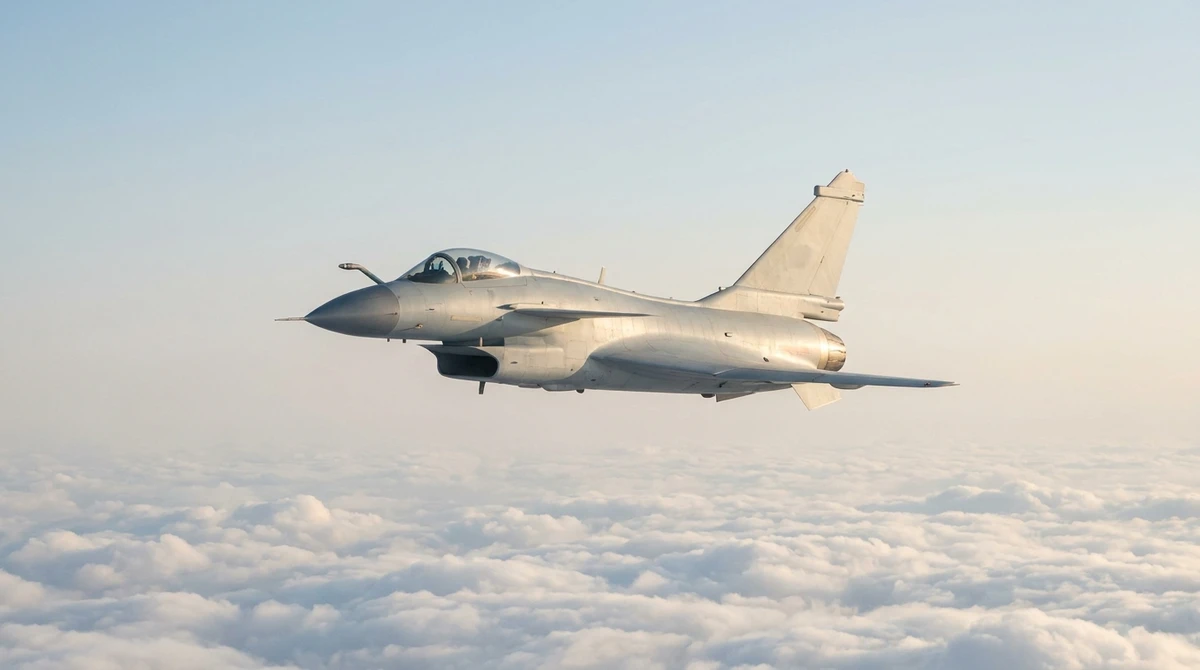
The Air Force maintains a fleet of F-7BGI and MiG-29 fighters. Advanced pilot training is conducted using Yak-130 and K-8W jet trainers. For transport, the force utilizes C-130J and An-32 aircraft. Modernization efforts in 2026 involve evaluations of the JF-17 Block III, J-10C, and Eurofighter Typhoon to replace aging airframes. Air defense is supported by FM-90 surface-to-air missile systems and specialized radar units.
Defense Industry
The domestic defense industry is centered on several state-owned enterprises focused on ammunition production, ship repair, and vehicle assembly. Bangladesh Ordnance Factories (BOF) manufactures small arms, including the BD-08 assault rifle, along with mortar shells, grenades, and various calibers of ammunition. Bangladesh Machine Tools Factory (BMTF) assembles tactical vehicles and provides maintenance for armored units.
Shipbuilding is a developed sector, with Khulna Shipyard and Chittagong Dry Dock Limited undertaking the construction of patrol vessels and auxiliary craft for the Navy and Coast Guard. In 2025, the government initiated the establishment of a specialized Defense Economic Zone to foster public-private partnerships and attract foreign investment from countries such as Turkey and China. This program aims to increase self-sufficiency in drone production and electronics.
Strategic Trends
Defense spending for the 2025–26 fiscal year is approximately Tk 40,698 crore, representing a slight decrease in total allocation compared to the previous cycle. This shift reflects a policy of fiscal restraint by the interim government while prioritizing essential maintenance and border security.
Current procurement trends show a shift toward Turkish and Pakistani hardware, including talks for 48 JF-17 Block III fighters and the potential acquisition of the SİPER long-range air defense system. The "Forces Goal 2030" plan has been revised in 2026 to emphasize rapid response capabilities and network-centric warfare. Constraints include the high cost of Western platforms and the challenge of integrating systems from diverse manufacturing origins. Border security remains a priority due to the ongoing volatility in Myanmar and the presence of insurgent groups in the Chittagong Hill Tracts.