Strategic Position
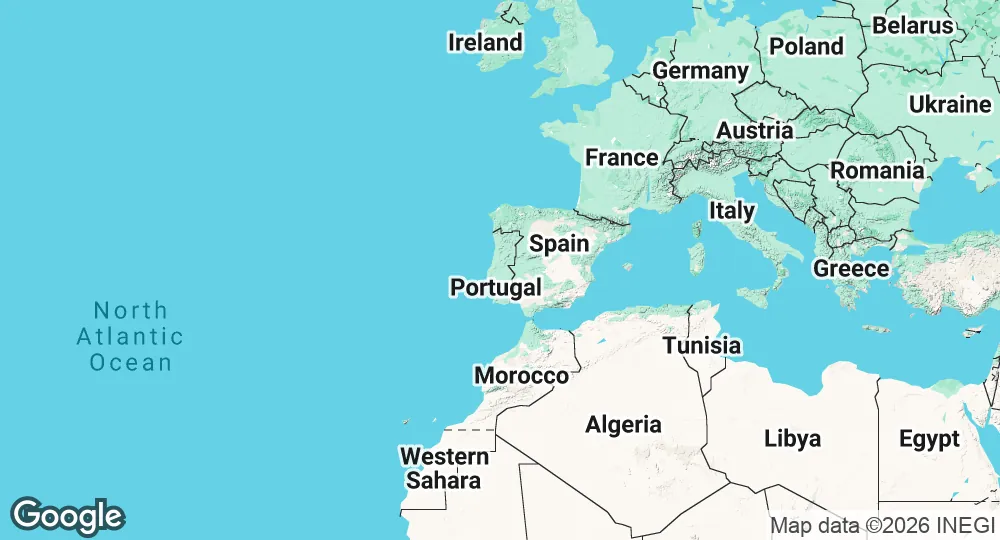
The defense posture of Portugal is defined by its membership in NATO and the European Union, with a primary focus on maritime security in the North Atlantic. Its geopolitical priorities center on the "Atlantic Triangle," formed by mainland Portugal, the Azores, and Madeira, which necessitates the surveillance of one of the largest Exclusive Economic Zones (EEZ) in Europe. Security concerns include the protection of critical subsea infrastructure, such as fiber-optic cables, and monitoring maritime routes between Europe, Africa, and the Americas.
Portugal maintains specialized defense relationships with Lusophone nations through the Community of Portuguese Language Countries (CPLP), providing military technical cooperation and maritime security assistance in the Gulf of Guinea. The 2025–2026 strategic cycle emphasizes the "Safe" initiative, a framework for integrated air and space defense designed to counter emerging missile and drone threats. Defense policy is currently oriented toward meeting NATO capability targets while expanding sovereign capabilities in cyber defense and space-based surveillance.
Military Forces
The Portuguese Armed Forces (Forças Armadas) are organized under the General Staff of the Armed Forces (EMGFA). Personnel levels are approximately 25,000 active-duty members.
Army (Exército): The army maintains a structure centered on three main brigades: the Mechanized Brigade, the Intervention Brigade, and the Rapid Reaction Brigade. Its armored inventory includes Leopard 2A6 main battle tanks and Pandur II 8x8 wheeled armored vehicles. In early 2026, the army began doctrinal and personnel training for the CAESAR MkII 155 mm self-propelled howitzer, which is designated to replace legacy towed artillery. The service is also in the process of replacing its M113 tracked carriers with modern infantry fighting vehicles and is integrating new short-range air defense (SHORAD) systems. Specialized units include the Commando, Paratrooper, and Special Operations troops.
Navy (Marinha): The navy's primary role is maritime patrol and power projection. The fleet operates Vasco da Gama and Bartolomeu Dias-class frigates, which are undergoing mid-life upgrades. Undersea capabilities are provided by Tridente-class diesel-electric submarines. The surface fleet is expanding its patrol capacity with Viana do Castelo-class Ocean Patrol Vessels (OPVs). A major addition to the fleet is the Multi-Mission Ship (NRP D. João II), designed for research, drone deployment, and amphibious support. Mid-2026 marks the planned introduction of new coastal surveillance trimarans to reinforce the Madeira Maritime Zone.
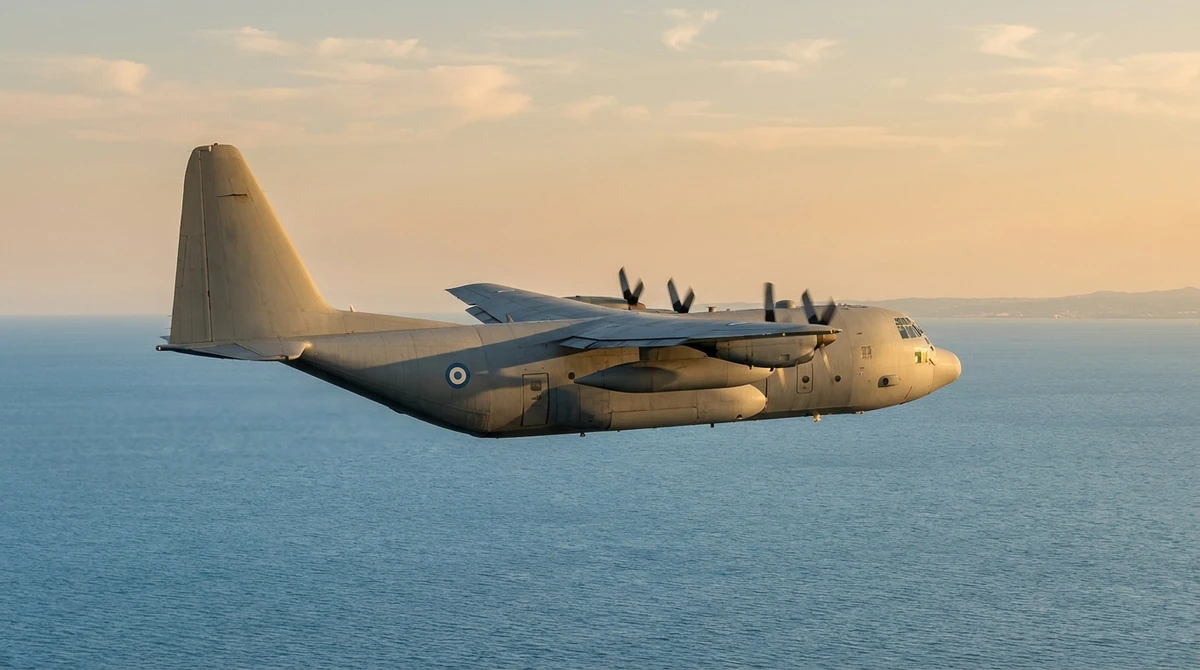
Air Force (Força Aérea): The air force operates F-16AM/BM fighters for air superiority and NATO Baltic Air Policing missions. As of late 2025, the Portuguese government confirmed the F-35 Lightning II as the preferred successor for the F-16 fleet, with a formal Letter of Request expected in early 2026. Strategic transport and aerial refueling are provided by the KC-390 Millennium, which replaced the legacy C-130 fleet. Maritime patrol and anti-submarine warfare are conducted using P-3C Orion aircraft.
Defense Industry
The Portuguese defense industrial base is managed by the state holding company idD Portugal Defence. Domestic capabilities are concentrated in aeronautics, shipbuilding, and communications technology.
OGMA (Indústria Aeronáutica de Portugal) serves as a major maintenance and manufacturing hub, providing support for Embraer and Airbus platforms and producing components for the KC-390. The naval sector is centered on the Alfeite Naval Yard (Arsenal do Alfeite), which is undergoing modernization through international partnerships to support frigate maintenance and the construction of patrol vessels. Domestic firms such as EID provide advanced tactical communications and command-and-control (C2) software used across several NATO militaries. Portugal increasingly leverages the European Defence Fund (EDF) for cooperative R&D in unmanned systems and cyber defense.
Strategic Trends
The primary trend in Portuguese defense is an accelerated increase in spending to meet the NATO benchmark of 2% of GDP, a target achieved in 2025. The 2026 defense budget includes a 23% year-on-year increase, totaling approximately €3.8 billion. This funding supports the Military Programming Law (LPM) 2023–2034, which prioritizes the digitization of command structures, the acquisition of fifth-generation fighters, and the renewal of the surface fleet.
A long-term objective established in 2025 aims to reach a defense and security investment level of 5% of GDP by 2035. This target includes 3.5% for traditional military expenditures and 1.5% for dual-use investments in cybersecurity and critical infrastructure resilience. Constraints facing the military include the need to modernize aging platforms while managing rising personnel costs and the recruitment challenges common to European volunteer forces. Current procurement is increasingly conducted through European joint frameworks, such as the CAESAR MkII artillery project and the European Sky Shield Initiative for integrated air defense.