Indonesia Starts Building Its First Submarine From Scratch, a Scorpène Evolved Due in 2032
PT PAL cut the first steel for a Scorpène Evolved at Surabaya on August 7, opening an eight-year build for the first of two boats ordered from Naval Group in a $2.16 billion deal. Indonesia currently fields four submarines, the oldest commissioned in 1981.
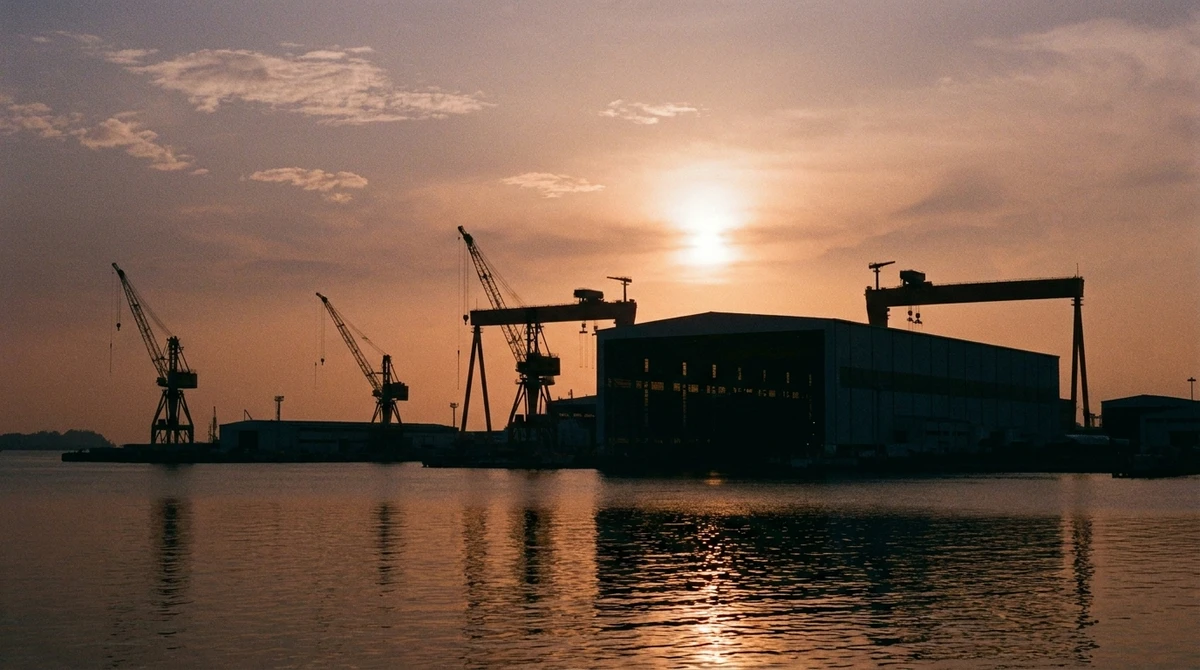
Indonesia's state-owned shipbuilder PT PAL cut the first steel for a Scorpène Evolved submarine at its Surabaya yard on August 7, 2026, formally opening construction of what the Indonesian Navy describes as the first submarine built from scratch in the country. The service's chief of staff put the build at 96 months, placing delivery of the first boat in 2032.
The submarine is the first of two ordered from France's Naval Group under a contract signed on March 28, 2024 and valued at about $2.16 billion. Both are to be assembled entirely at Surabaya under a technology transfer covering hull outfitting, mechanical and machinery installation, electrical systems integration and weapons system assembly, with harbor and sea acceptance trials run from the same yard. Construction of the second boat is due to start in 2027 for delivery in 2033. PT PAL put overall program progress at 20.5 percent on the day of the ceremony; the steel-cutting milestone had slipped from an earlier target, Janes reported.
The Indonesian boats are the Full LiB configuration of the Scorpène Evolved, built around a lithium-ion battery system rather than conventional lead-acid cells. Naval Group says the arrangement increases usable energy, shortens charging time and improves the indiscretion rate — the share of time a diesel-electric submarine must expose a mast to run its engines — while making full speed available regardless of the state of charge. Indonesian officials put the length at close to 72 meters, against 61.7 meters for the baseline Scorpène class in GlobalMilitary.net data, and describe the variant as diving deeper and staying submerged longer than its predecessors.
The step matters because Indonesia's existing undersea force is small and unevenly modern. The Indonesian Navy operates four submarines: KRI Cakra, a Type 209 commissioned in March 1981, and three Nagapasa-class boats built in South Korea and delivered between 2017 and 2021. The last of those, KRI Alugoro, was assembled at PT PAL from Korean-supplied modules — a halfway house short of the full domestic build now starting. The fleet has been one hull down since KRI Nanggala, the second Type 209, was lost with all 53 crew north of Bali in April 2021.
The Scorpène has become the most widely exported Western conventional submarine of its generation. GlobalMilitary.net fleet data counts thirteen boats of the family in service across four navies: six with the Indian Navy's Kalvari class, three with Brazil, and two each with Chile and Malaysia. Brazil has a fourth boat fitting out and a fifth on order, and Romania has three planned, which would carry the class past twenty hulls before the Indonesian pair arrives.
Whether the schedule holds is the open question. Eight years from first steel to delivery is a long horizon for a yard building a pressure hull for the first time, and the program has already absorbed one delay before construction even began. If it does hold, Indonesia would become the only Southeast Asian country able to build a submarine domestically, and the two boats would take its undersea force to six — still half of the twelve submarines called for under Indonesia's Minimum Essential Force plan, a target originally set for 2029.
More News
All news →
Northrop Grumman's YFQ-48A Talon Blue Completes First Fully Autonomous Flight at Mojave
Northrop Grumman said on October 3, 2026 that its company-funded YFQ-48A Talon Blue had taxied, taken off, maneuvered and landed without pilot input at Mojave, California, as the US Air Force prepares to select designs for Increment 2 of its Collaborative Combat Aircraft program.
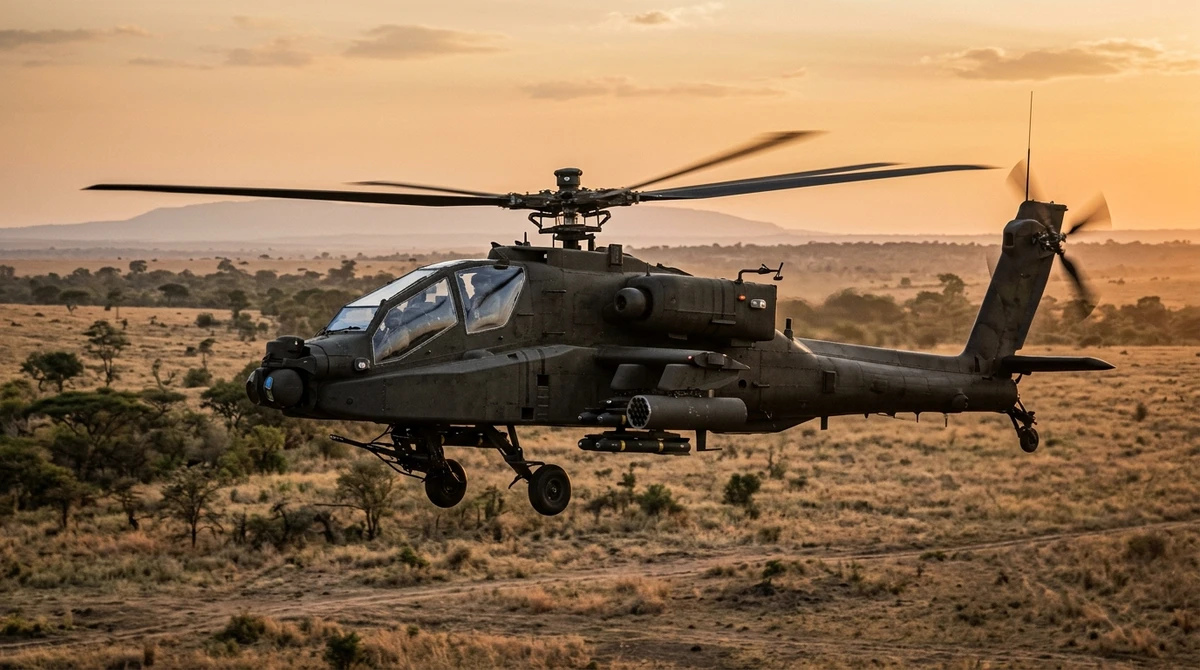
Australia Retires Its Tigers, Leaving Three Operators Among the World's 3,623 Attack Helicopters
The Australian Army has retired its Tiger attack helicopters, marking the fleet's sundown in Darwin on 30 September and leaving France, Germany and Spain as the only users; GlobalMilitary.net data counts 3,623 active attack helicopters in 81 countries.
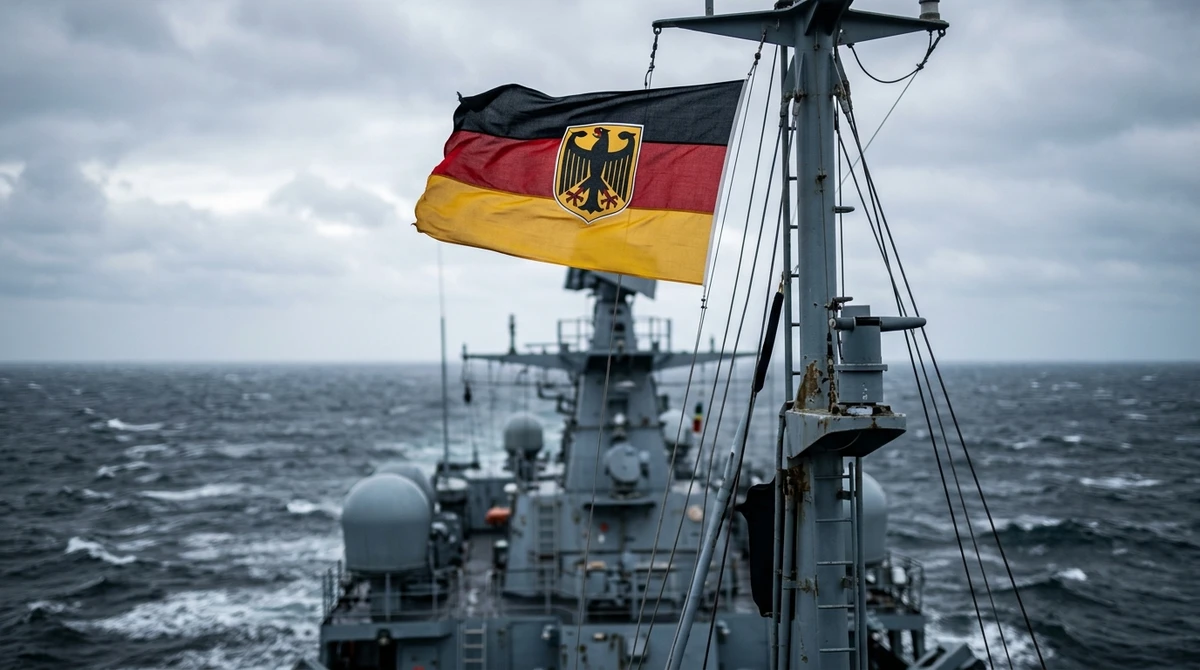
Germany Contracts Diehl to Arm Its Four F125 Frigates With IRIS-T SLM Air Defense Missiles
Diehl Defence and Germany's BAAINBw procurement office signed a contract on October 2, 2026 to adapt the IRIS-T SLM surface-to-air missile system for the German Navy's four Baden-Württemberg-class frigates, which were completed without a medium-range air defense missile.
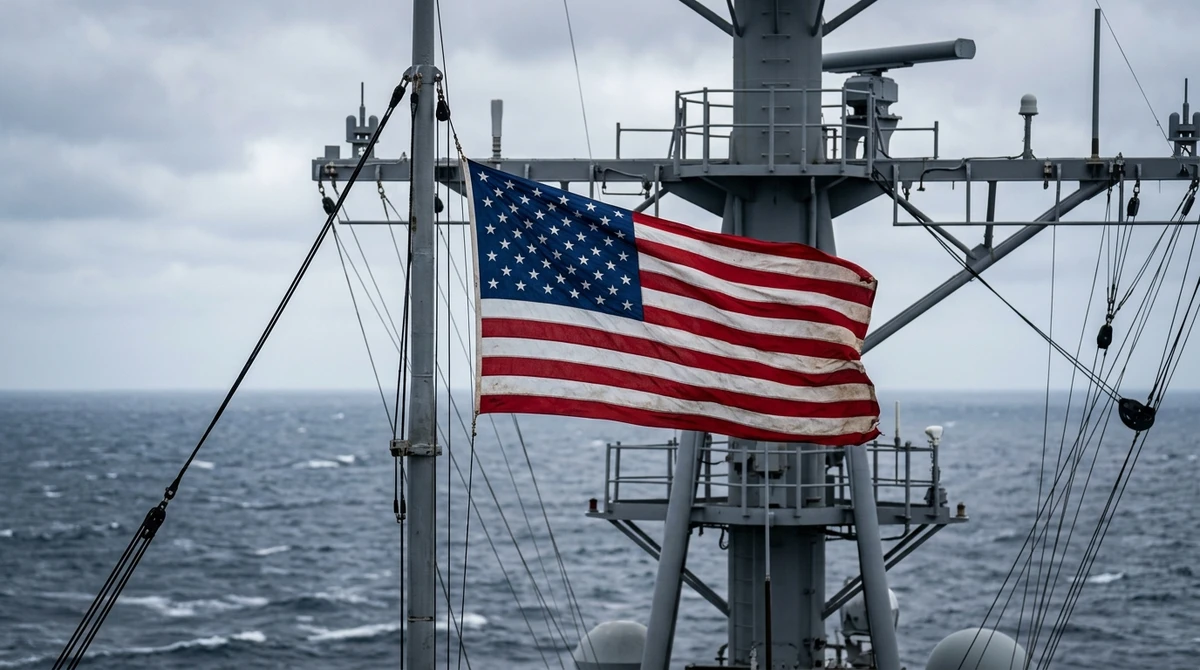
US Navy Awards Raytheon Up to $24.4 Billion Multiyear Contract for SM-6 Missiles
The US Navy on Oct. 1, 2026 awarded RTX's Raytheon unit a multiyear contract worth up to $24.4 billion for Standard Missile-6 interceptors, a five-year deal with two option years whose quantities remain undisclosed and whose funding Congress has yet to appropriate.
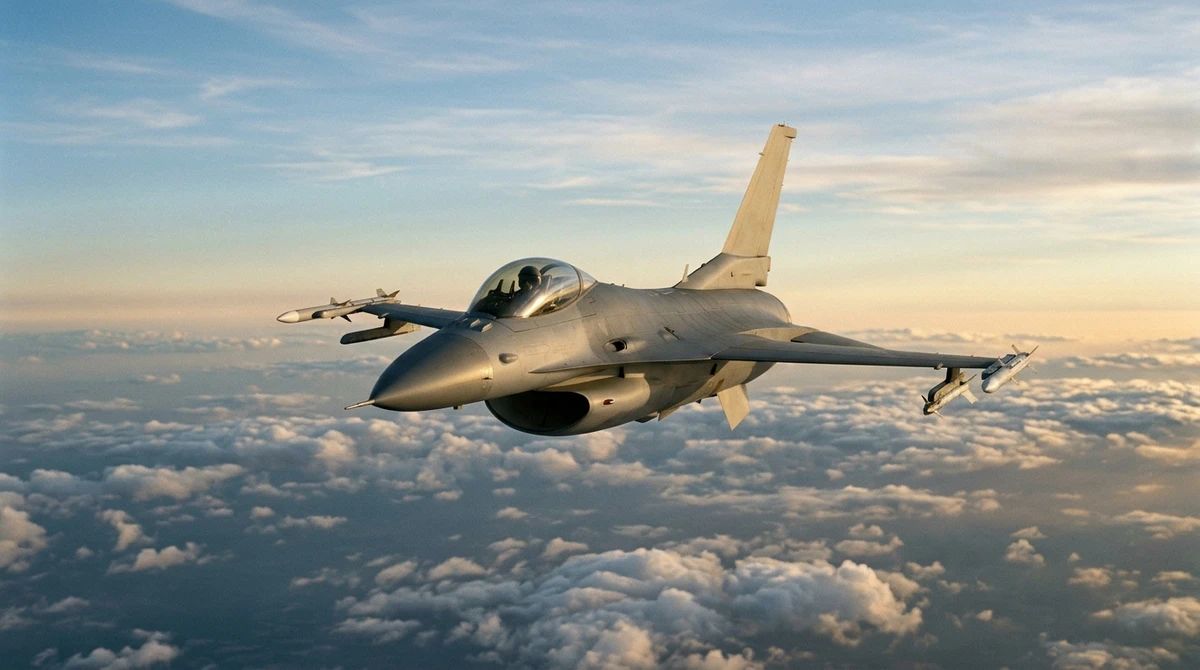
Pentagon Awards Raytheon Up to $20.7 Billion to Nearly Double AMRAAM Production
The Pentagon on 28 September announced a five-year AIM-120 AMRAAM production contract with RTX's Raytheon business worth up to $20.7 billion, an undefinitized award that Reuters described as provisional because Congress has not yet funded the full deal.
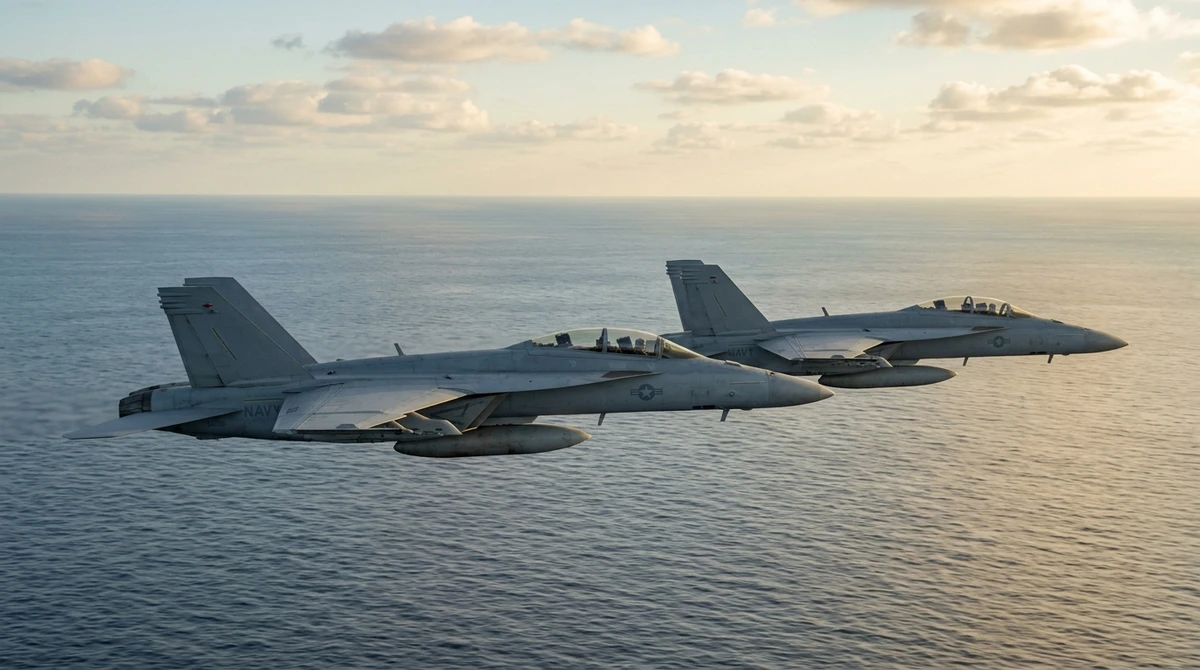
Boeing Wins US Navy's F/A-XX Sixth-Generation Fighter, Successor to 700 Super Hornets and Growlers
The Pentagon announced on September 29, 2026 that Boeing will build the F/A-XX, the US Navy's sixth-generation carrier-based fighter, under a full-scale development contract worth more than $20 billion to replace the F/A-18E/F Super Hornet and EA-18G Growler from the 2030s.