UK Confirms 2027 Steel Cut for First SSN-AUKUS Submarine and £15 Billion Warhead Investment
The UK government's Defence Nuclear Enterprise annual update, published September 15, 2026, says steel will be cut on the first SSN-AUKUS attack submarine in 2027 and confirms £15bn for the warhead program and £6bn for submarine infrastructure at Barrow-in-Furness and Raynesway.
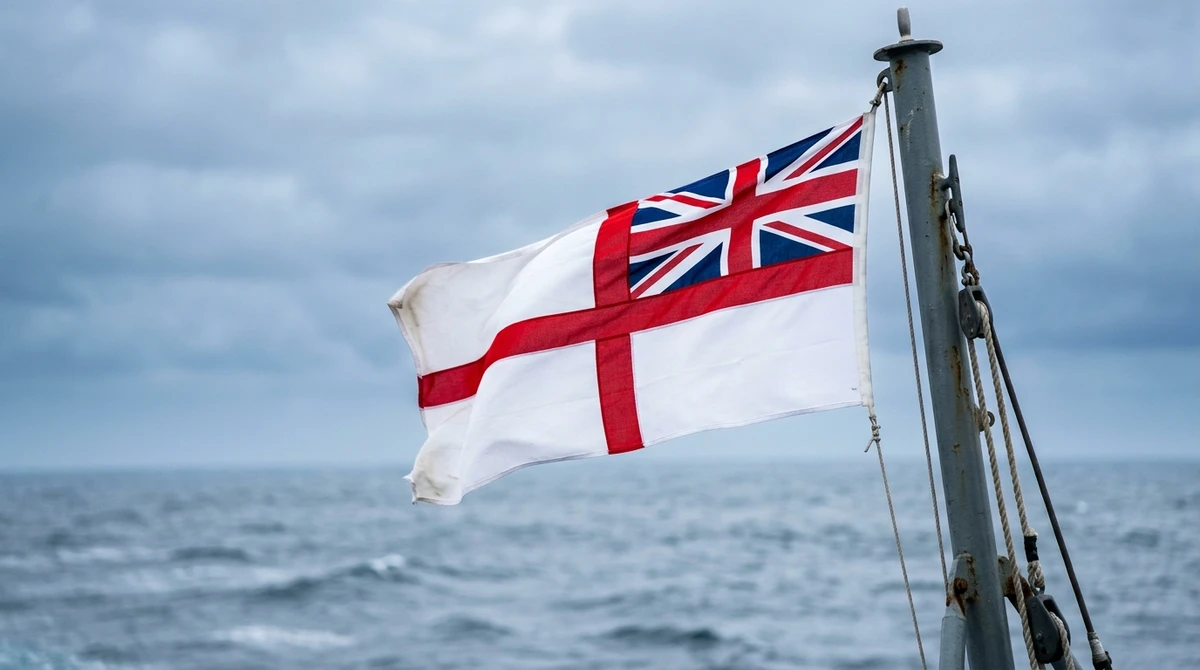
The United Kingdom government published its Defence Nuclear Enterprise 2026 Annual Update to Parliament on September 15, 2026, confirming that steel will be cut on the first UK SSN-AUKUS submarine in 2027 and setting out a £15bn investment in the warhead program alongside £6bn for submarine infrastructure at Barrow-in-Furness and Raynesway. Naval Technology reported the figures the same day.
"On current plans, steel will be cut on the first UK SSN-AUKUS submarine in 2027, marking the start of production," the report states. The program "remains focused on delivering the first Royal Navy SSN-AUKUS submarine into service in the late 2030s." Contracts worth about £4bn have already been placed, according to the update, supporting development of the capability and the industrial infrastructure needed for the next generation of attack submarines.
The size of the future fleet has not been fixed. Decisions on the total number of submarines to be procured "are expected to be taken before the end of the D2L2 phase in 2028," the report says, referring to the Detailed Design and Long Lead phase.
The stated objective is a continuous production cadence of one SSN-AUKUS submarine every 18 months, doubling the current build rate and enabling the parallel construction of SSN and SSBN classes. The modernization needed to reach that rate will entail an investment of approximately £6bn over the Spending Review period, the update says. UK boats will be built at BAE Systems' Barrow-in-Furness shipyard, with reactors supplied by Rolls-Royce at Raynesway. The Royal Australian Navy will also operate SSN-AUKUS submarines, built at Osborne Naval Shipyard in South Australia.
Both figures come from the Defence Investment Plan. The report describes the second as going "into infrastructure programmes in Barrow-in-Furness and Raynesway which will grow the capability of the enterprise to be able to produce a submarine every 18 months in the future."
On the ballistic-missile submarine side, the update reports that the Dreadnought class build program remains within the previous government estimate of £41bn, made up of £31bn plus £10bn contingency. Spend in the year to March 2026 was £3bn, bringing the total to £23.2bn. The program "continues to face significant pressures and associated risks given the complexity of this mega project and the wider economic environment," according to the report. HMS Dreadnought, the first of class, is due to complete sea trials and be ready to enter service in the early 2030s. Steel was cut on the fourth and final boat, HMS King George VI, at Barrow-in-Furness in September 2025, and an £8.4bn investment into the next stage of the build program was announced in July 2026. The boats will carry Trident II D5 missiles armed with sovereign UK nuclear warheads.
The Royal Navy's current attack submarine is the Astute class, first introduced in 2014 and equipped with Tomahawk cruise missiles and Spearfish torpedoes. HMS Agamemnon, the sixth boat of the class, was commissioned into the Royal Navy in September 2025.
GlobalMilitary.net's Royal Navy fleet inventory currently lists six Astute-class boats in service with one more on order, four Vanguard-class ballistic-missile submarines in service, and four Dreadnought-class boats on order. The UK nuclear forces page records a warhead inventory of 225.
The update also covers the legacy fleet. Since 1980, 23 nuclear-powered submarines have left service: 16, four of them defueled, are stored at Devonport Dockyard, and the remaining seven, all defueled, are at Rosyth Dockyard. On infrastructure, the concept design for SMITE2, a new submarine propulsion testing facility, was completed in early 2026, and remediation work at Ramsden Dock has advanced.
The next milestones are the 2027 steel cut at Barrow-in-Furness, which the report says will mark the start of SSN-AUKUS production, and the decision on the number of boats expected before the end of the D2L2 phase in 2028. The first Royal Navy SSN-AUKUS submarine is planned to enter service in the late 2030s, with HMS Dreadnought due to precede it in the early 2030s.
More News
All news →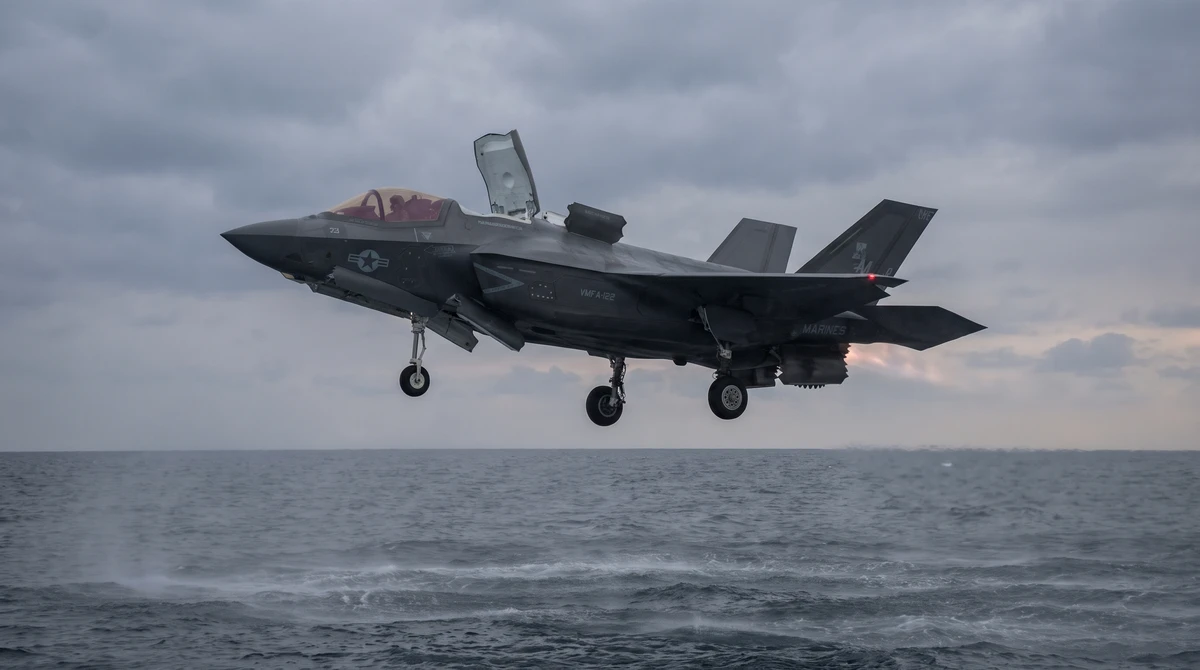
How the F-35B Lift Fan Hovers a Supersonic Jet Where the Harrier Needed Four Swiveling Nozzles
Twenty-five years after the Joint Strike Fighter award of 26 October 2001, how the F-35B's shaft-driven lift fan lets a supersonic fighter land vertically where the Harrier used four swiveling nozzles, and what the fan costs it in fuel, payload and price.
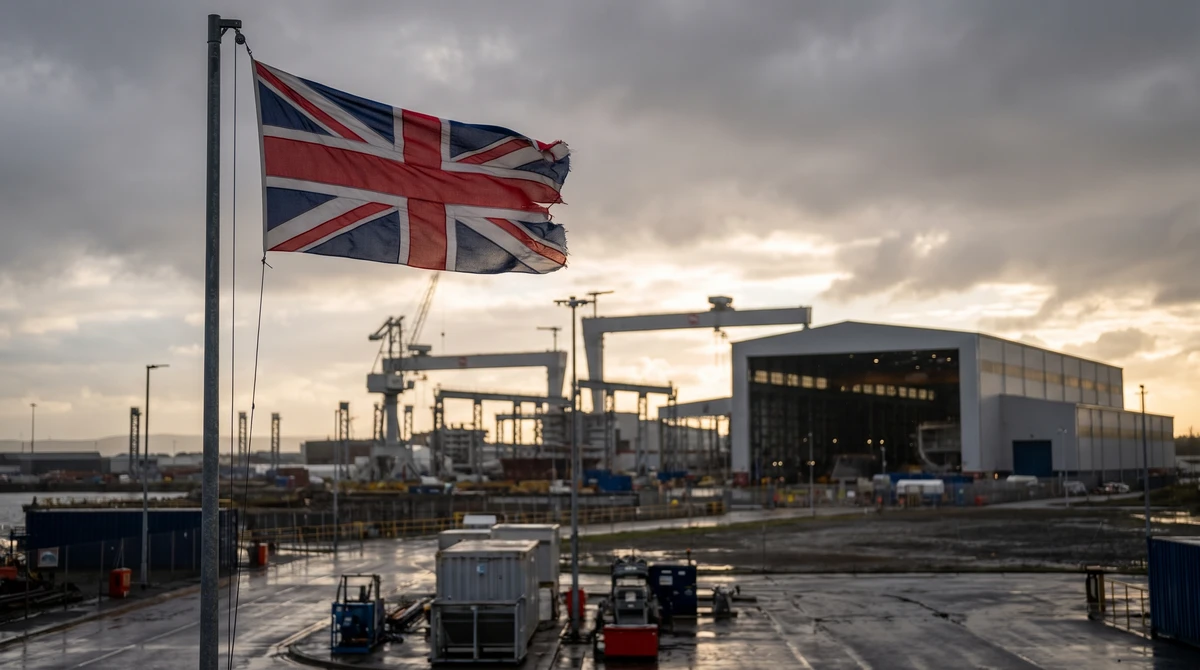
UK to Require Overseas Defense Suppliers to Invest Up to 100% of Contract Value in Britain From April 2027
The UK will require overseas firms winning defense contracts of £50 million or more to invest up to the full contract value in British jobs, factories and technology from April 2027, under an offset policy announced on 30 October 2026 that will not normally cover government-to-government deals.

Switzerland Shortlists Barak MX and SAMP/T NG for Second Long-Range Air Defense System, Keeps Patriot
The Federal Council on October 28 tasked the DDPS with continuing the evaluation of Israel's Barak MX and France's SAMP/T NG as a second long-range ground-based air defense system, to be fielded alongside a Patriot acquisition Bern says it will maintain despite delivery delays.
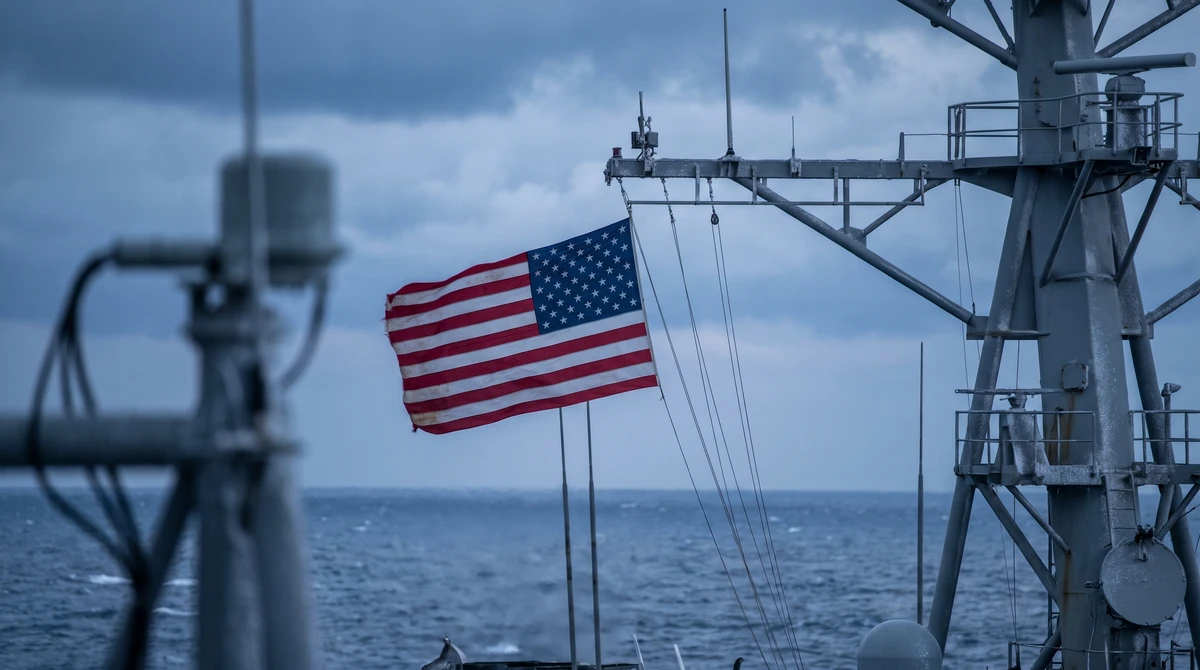
US Navy Has No Frigates in Service While 50 Other Navies Field 407 as Washington Weighs Foreign Designs
GlobalMilitary.net data shows the US Navy with no frigates in commission against 407 in 50 other fleets, as a White House-ordered plan for new surface combatants falls due in mid-November and foreign designs are offered.
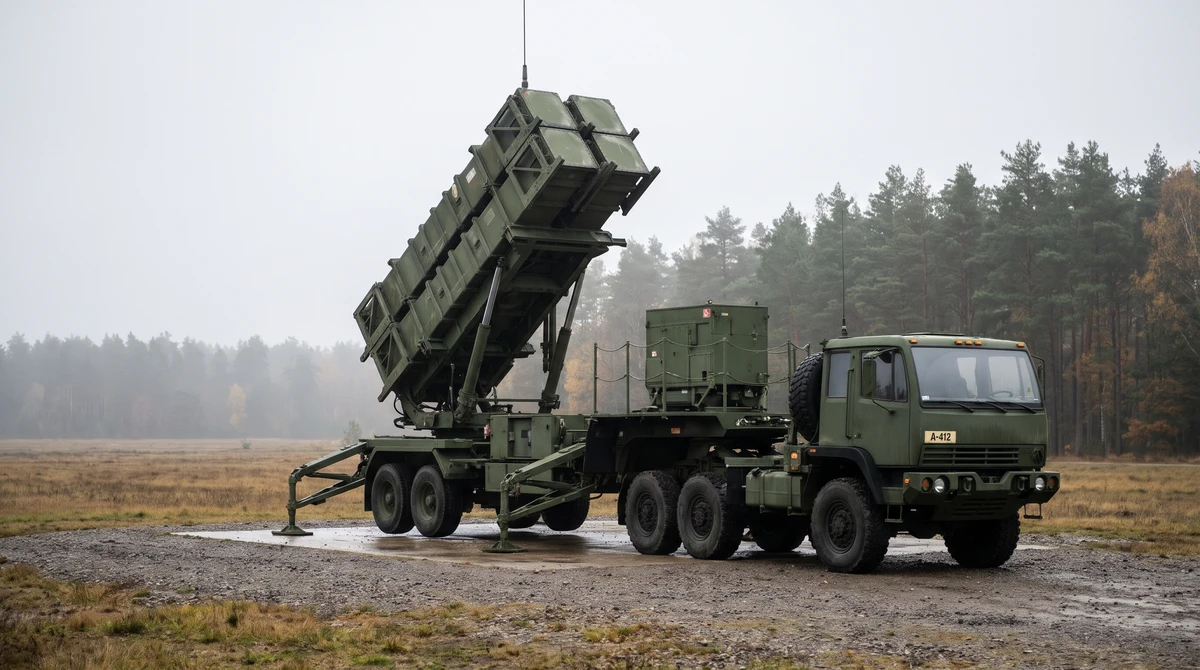
Pentagon Picks Poland to Host Europe's PAC-3 Missile Maintenance Facility
The US government and Lockheed Martin named Poland on October 27 as host of a European maintenance facility for PAC-3 Patriot interceptors, with Germany, the Netherlands and Sweden as original signatories to the agreement.
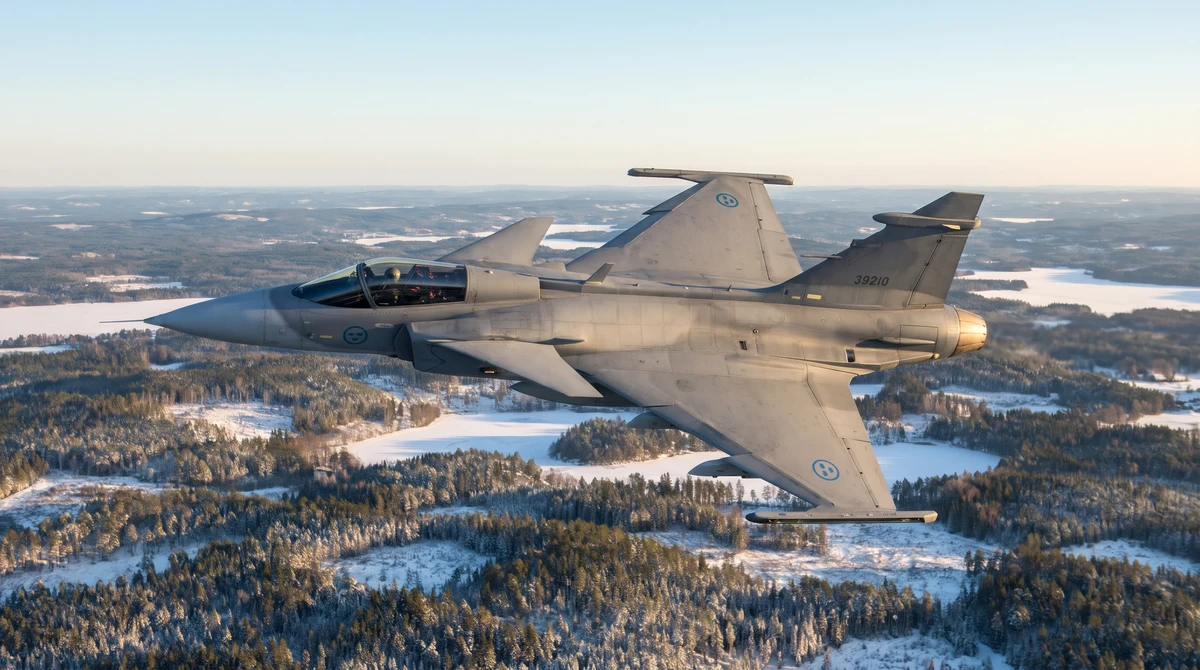
Saab Names CAE, IMP and Magellan as Gripen Partners for Canada as First CF-35As Arrive
Saab said on October 27, 2026 it would team with CAE, IMP Aerospace & Defence and Magellan Aerospace to assemble and support the Gripen E in Canada if Ottawa selects the type, days after the Royal Canadian Air Force took delivery of its first two F-35s in Arizona.