US Clears $1.96 Billion Sale of 20,000 APKWS Laser-Guided Rockets to Saudi Arabia
The US State Department approved a possible $1.96 billion sale of up to 20,000 APKWS II laser-guidance kits to Saudi Arabia on July 15, split evenly between air-to-air and air-to-ground versions, as Riyadh seeks a low-cost defense against Iranian and Houthi drones.
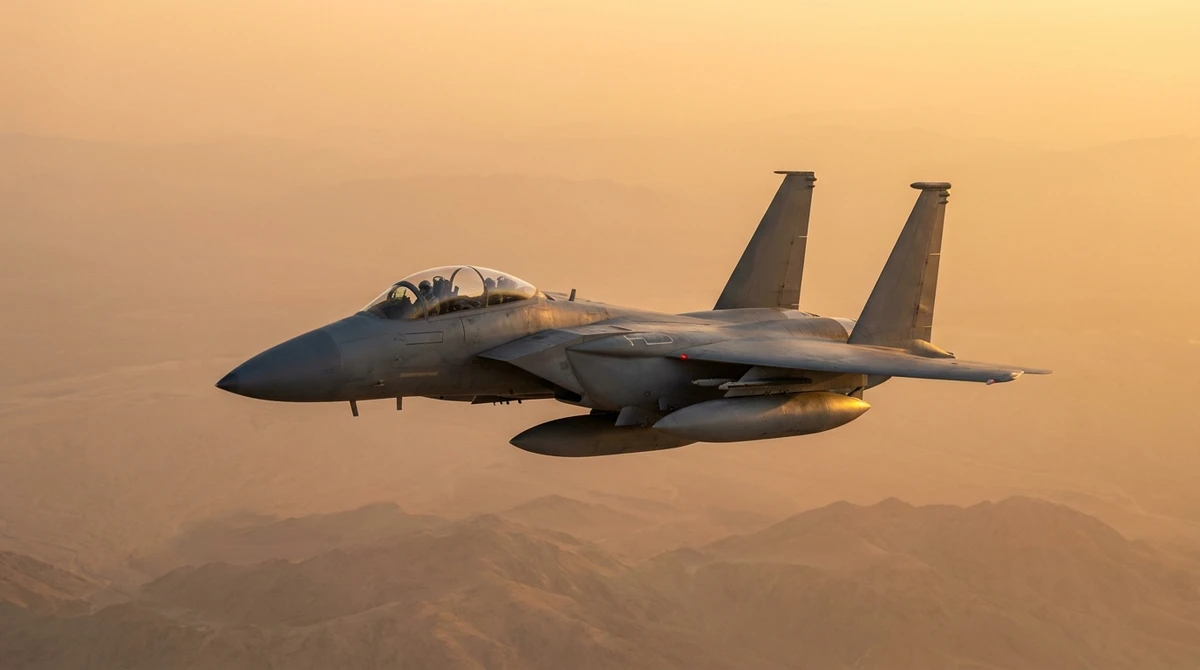
The US State Department on July 15 approved a possible Foreign Military Sale to Saudi Arabia of up to 20,000 Advanced Precision Kill Weapon System (APKWS II) laser-guidance kits, in a package valued at an estimated $1.96 billion. The Defense Security Cooperation Agency (DSCA) has notified Congress of the proposed sale.
The request covers up to 10,000 APKWS II air-to-air guidance sections and up to 10,000 air-to-ground guidance sections, along with LAU-131/A seven-shot 70mm rocket pods, Mk66 rocket motors, Mk-152 high-explosive warheads, proximity fuzes, WTU-1/B practice warheads, training and logistics support. BAE Systems is the principal contractor. In its notification, the State Department said the sale would support US foreign policy "by improving the security of a Major non-NATO Ally that is a force for political stability and economic progress in the Gulf Region."
APKWS II converts a standard unguided 70mm Hydra rocket into a precision weapon by inserting a laser-guidance section between the rocket motor and the warhead. At roughly $15,000-20,000 per guidance kit, it costs a fraction of a conventional air-to-air missile, which can run to more than $1 million per round. That economy is central to the air-to-air variant's emerging role as a counter-drone interceptor: US Air Force F-16s and F-15Es have employed laser-guided 70mm rockets against Houthi one-way attack drones over the Red Sea, and the proximity fuzes included in the Saudi package are designed for exactly that mission.
The approval comes as Gulf states face a renewed missile and drone threat. Breaking Defense noted the sale was cleared days after the collapse of a four-year truce between Saudi Arabia and Yemen's Houthi movement, while Iranian strikes during the ongoing conflict with the United States and Israel have hit neighboring countries hosting American forces, including a March strike on Ali Al Salem Air Base in Kuwait. A mass stockpile of cheap guided rockets would let Saudi crews engage drone swarms without expending scarce Patriot interceptors or high-end air-to-air missiles.
The Royal Saudi Air Force already fields the launch platforms to use them. Its combat fleet includes some 84 F-15SA multirole fighters alongside about 127 older F-15C/S Eagles, 71 Eurofighter Typhoons and 81 Tornado IDS strike aircraft, according to GlobalMilitary.net inventory data. The War Zone reports the F-15SA and Typhoon are expected to be the primary APKWS carriers, while Saudi Arabia's AH-64 Apache and AH-6i helicopter fleets are also compatible with the 70mm rocket family.
As with all Foreign Military Sale approvals, the notification is not a signed contract: quantities and value may change during negotiations, and the deal is subject to a congressional review period before Riyadh and Washington can conclude a letter of offer and acceptance. No delivery schedule has been announced.
More News
All news →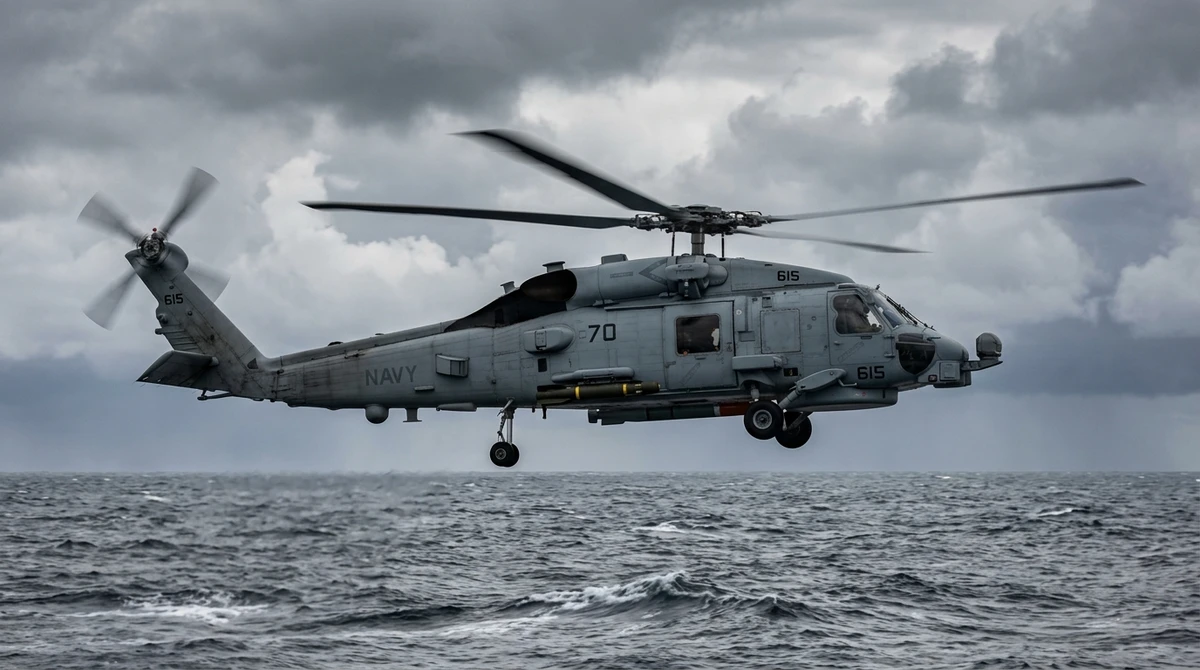
New Zealand's MH-60R Order Makes 15 Seahawk Operators; the SH-2 Seasprite Is Down to Three
New Zealand signed on 16 October to buy five MH-60R Seahawks, delivered from 2030, to replace its five SH-2G Super Seasprites, bringing the naval Seahawk family to 15 operators in GlobalMilitary.net's data while the Seasprite is left with 17 helicopters and three operators.

USS Theodore Roosevelt Turns 40 as It Prepares for Keen Sword Off Japan
The Nimitz-class carrier, docked at Yokosuka since 16 October with the cruiser USS Chosin and the destroyer USS Decatur, marks 40 years since its commissioning on 25 October 1986 ahead of the US-Japan exercise Keen Sword.
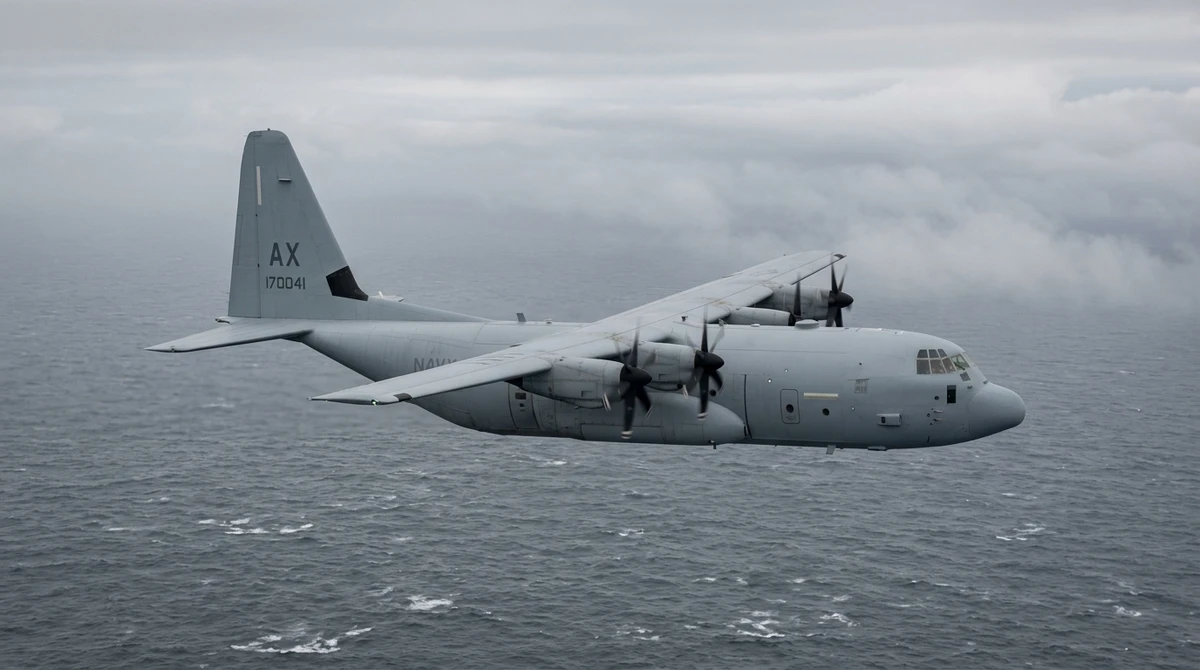
US Navy accepts first C-130J-30 airframe for E-130J Phoenix II TACAMO aircraft
The US Navy took delivery of a newly built Lockheed Martin C-130J-30 Super Hercules at Marietta, Georgia, on Oct. 15, the first of three airframes to be converted into E-130J Phoenix II aircraft that will replace the E-6B Mercury in the nuclear communications relay mission.
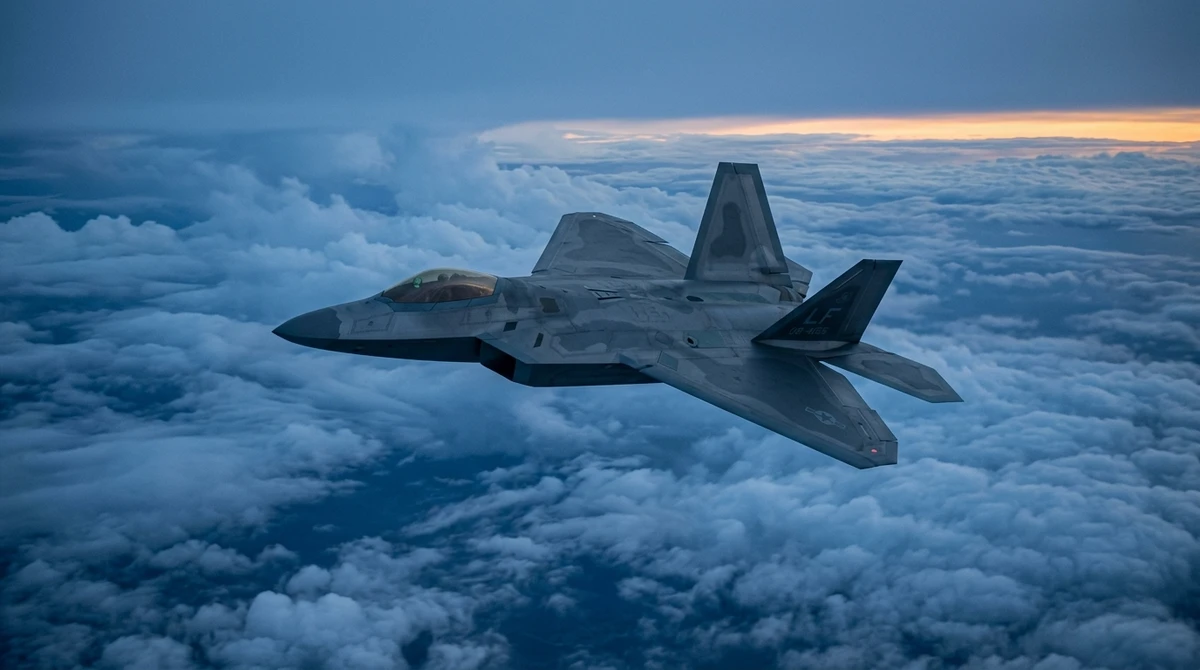
F-22 Pilot Takes In-Flight Command of an Anduril YFQ-44A Fury Drone
The U.S. Air Force said on October 16, 2026 that an F-22 Raptor pilot had taken airborne tactical command of an Anduril YFQ-44A Collaborative Combat Aircraft earlier this month; previous F-22 control tests had used a surrogate drone.
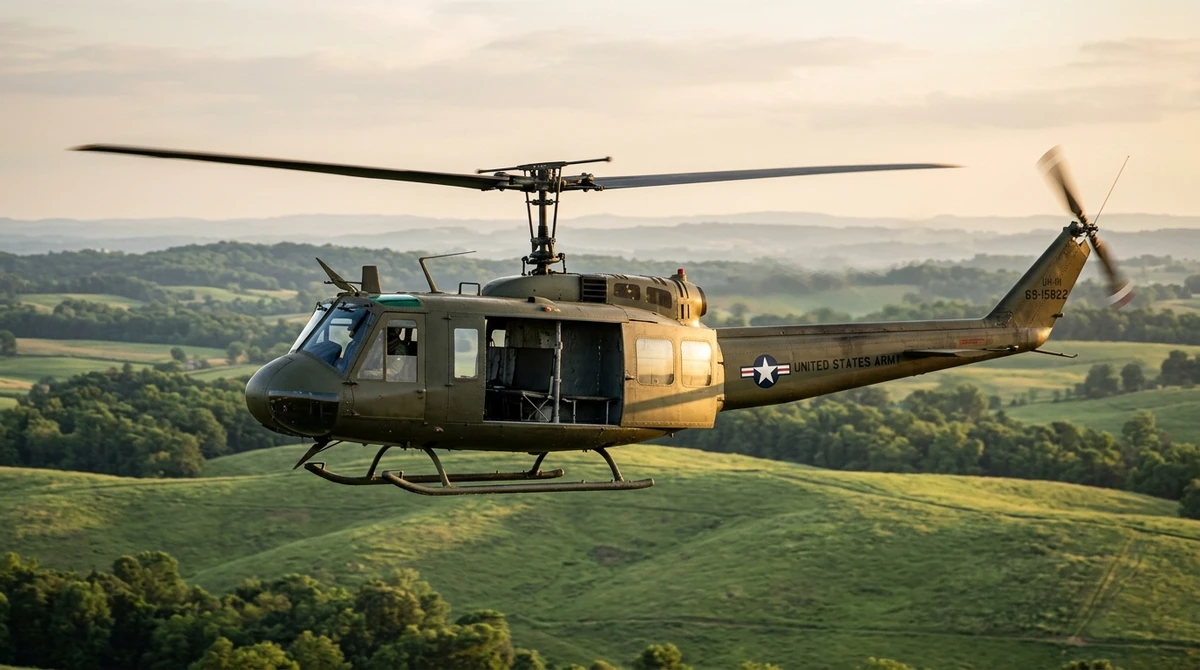
Bell UH-1 Huey Still Flies With 39 Countries 70 Years After Its First Flight
The XH-40 prototype of Bell's Huey first flew on 20 October 1956 at Fort Worth; 70 years on, GlobalMilitary.net inventory data counts 844 single-engine UH-1s active in 39 countries, 438 twin-engine UH-1N and Bell 212 derivatives in 29, and 167 UH-1Y Venoms in two.
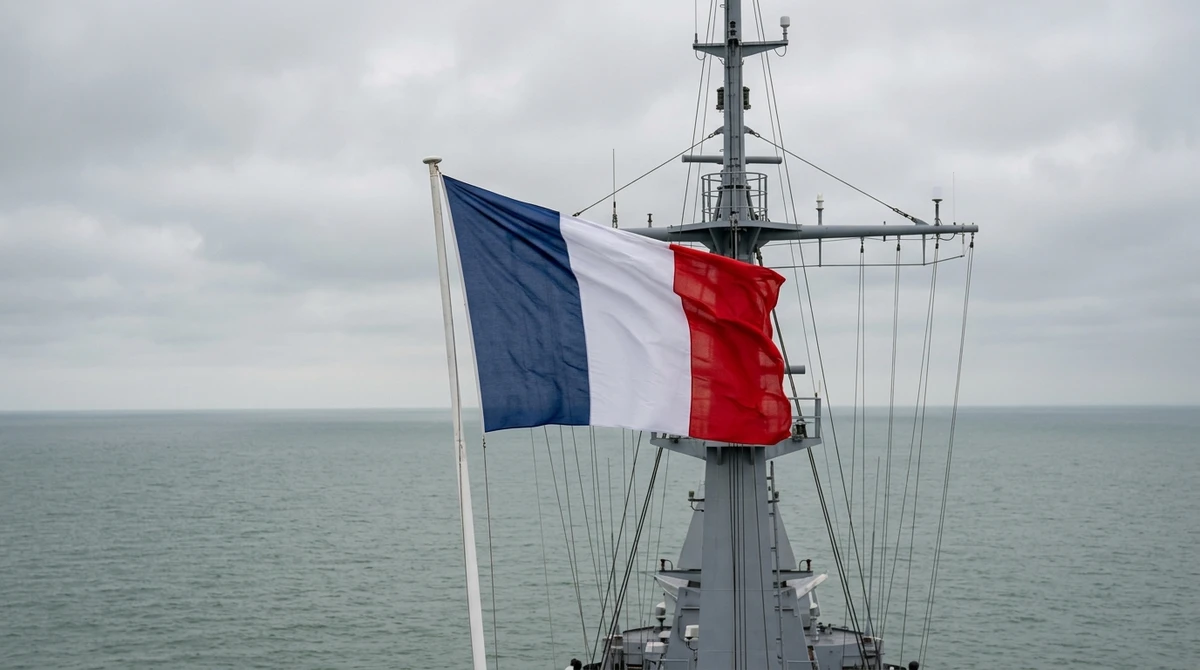
France Rolls Out Rubis, Fifth Suffren-Class Attack Submarine, as One 1980s Boat Remains in Service
France's procurement agency, the DGA, said on October 16 that Rubis, the fifth Suffren-class nuclear attack submarine, had begun its move from Naval Group's construction hall at Cherbourg to the launch system, with trials and delivery to the French Navy still ahead and no dates given.