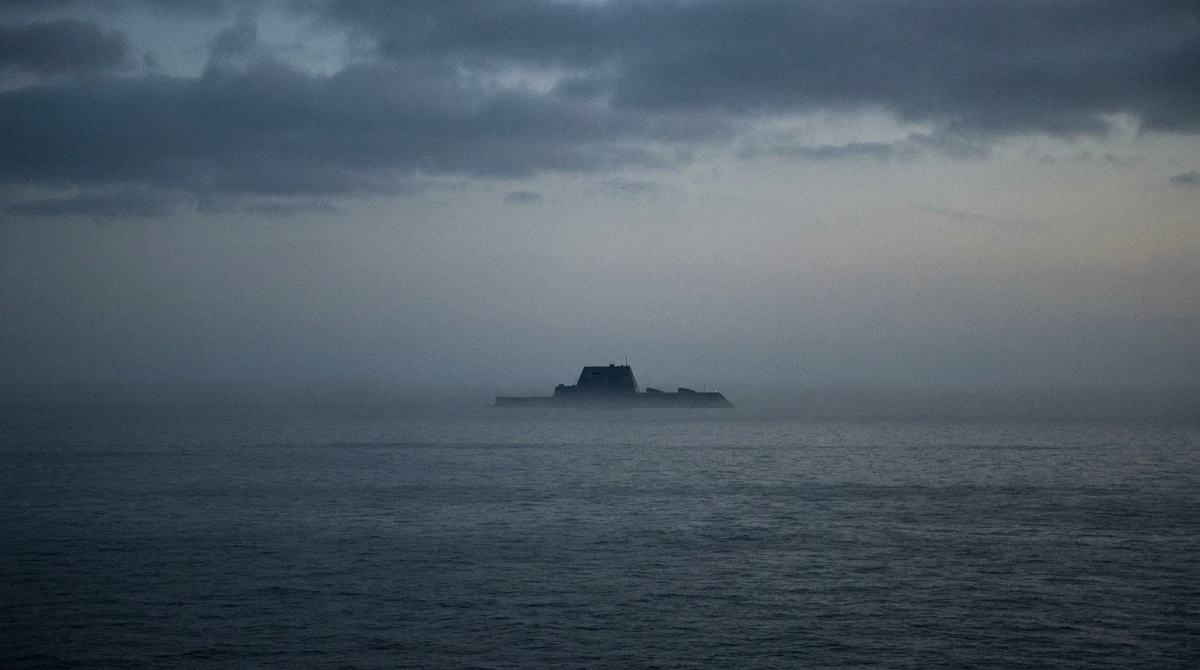
The U.S. Navy expects to formally return the stealth destroyer USS Zumwalt (DDG-1000) to the fleet by September 2026, following a modernization that makes it the service's first surface warship configured to fire hypersonic missiles, The War Zone reported on July 17.
The overhaul replaces the ship's two 155mm Advanced Gun Systems with four large-diameter launch tubes for the Intermediate-Range Conventional Prompt Strike (IRCPS) weapon, the Navy's version of the Army's Dark Eagle. Each tube holds three rounds packed via an Advanced Payload Module canister, for up to 12 missiles per ship. IRCPS is a multi-stage boost-glide weapon: an unpowered glide vehicle separates from its booster and maneuvers to the target at hypersonic speed. Each missile costs roughly $67 million as of April 2026.
The work has run about 10 months behind schedule. The Navy attributes the delay to unplanned tasks, including the first full shutdown of the ship's complex Integrated Power System since delivery and the need for more cabling than the original design anticipated. A contract modification with Huntington Ingalls added 230,000 hours at a cost of $20 million, and the estimate to convert all three ships rose from $1.8 billion to at least $2 billion. Lockheed Martin received a separate $1.35 billion award in April 2026 to field the weapon system.
Commissioned in 2016, the Zumwalt class comprises three U.S. Navy destroyers — USS Zumwalt, USS Michael Monsoor and the yet-to-be-delivered USS Lyndon B. Johnson. The 190-meter, roughly 16,000-ton tumblehome-hull ships were designed for land attack but saw their original Long Range Land Attack Projectile canceled over cost, leaving the guns without affordable ammunition. The hypersonic conversion repurposes the class as a long-range strike platform.
USS Zumwalt departed Pascagoula, Mississippi, in January 2026 for sea trials. The first at-sea live-fire test of the Conventional Prompt Strike missile is planned for 2027. USS Lyndon B. Johnson is scheduled for delivery in April 2027, and the upgrade of USS Michael Monsoor is expected to begin before the end of this year.
More News
All news →
ARRW Hypersonic Missile Enters Production as U.S. Fields 140 Bombers, Russia 116 and China 219 H-6s
The Department of the Air Force has moved the AGM-183A hypersonic missile into production for a U.S. bomber force of 140 aircraft, which GlobalMilitary.net's inventory sets against Russia's 116 bombers and China's 219 H-6s.
USS Colorado to Be First Virginia-Class Submarine Rotated to Australia Under AUKUS From Late 2027
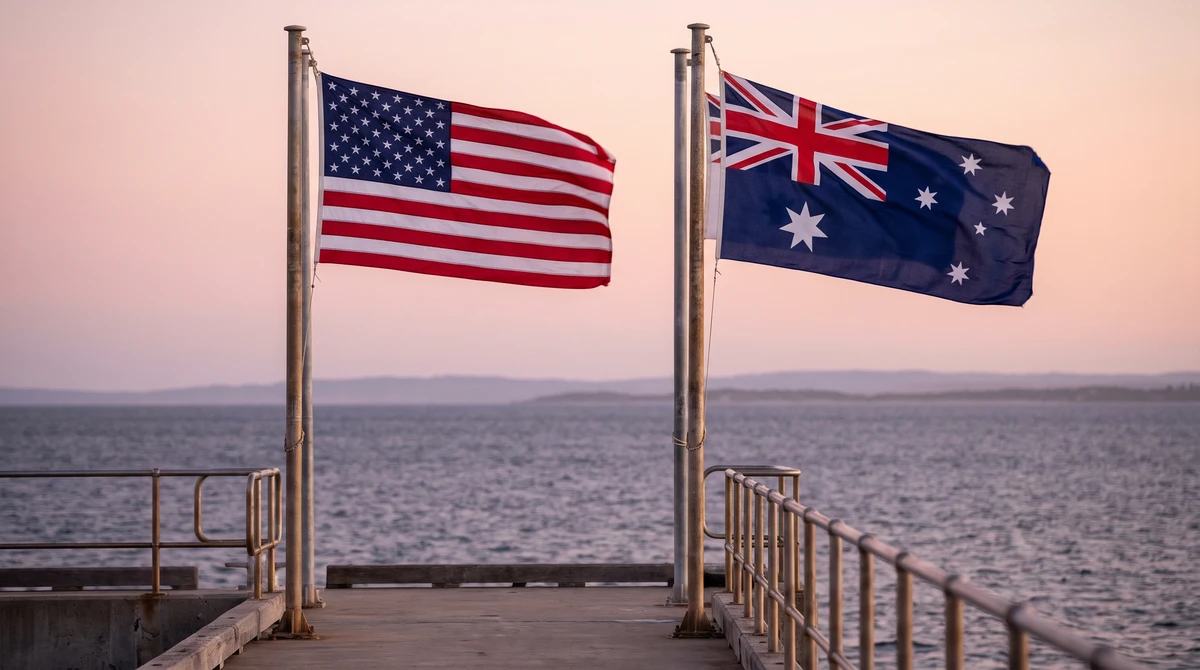
The United States, Australia and the United Kingdom said on October 26, 2026 that USS Colorado (SSN 788) will be the first U.S. Navy Virginia-class attack submarine assigned to Submarine Rotational Force-West at HMAS Stirling, Western Australia, beginning in late 2027.
Why 52-Caliber Howitzers Outrange the M777 as the UK and US Move to Make More 155mm Barrels
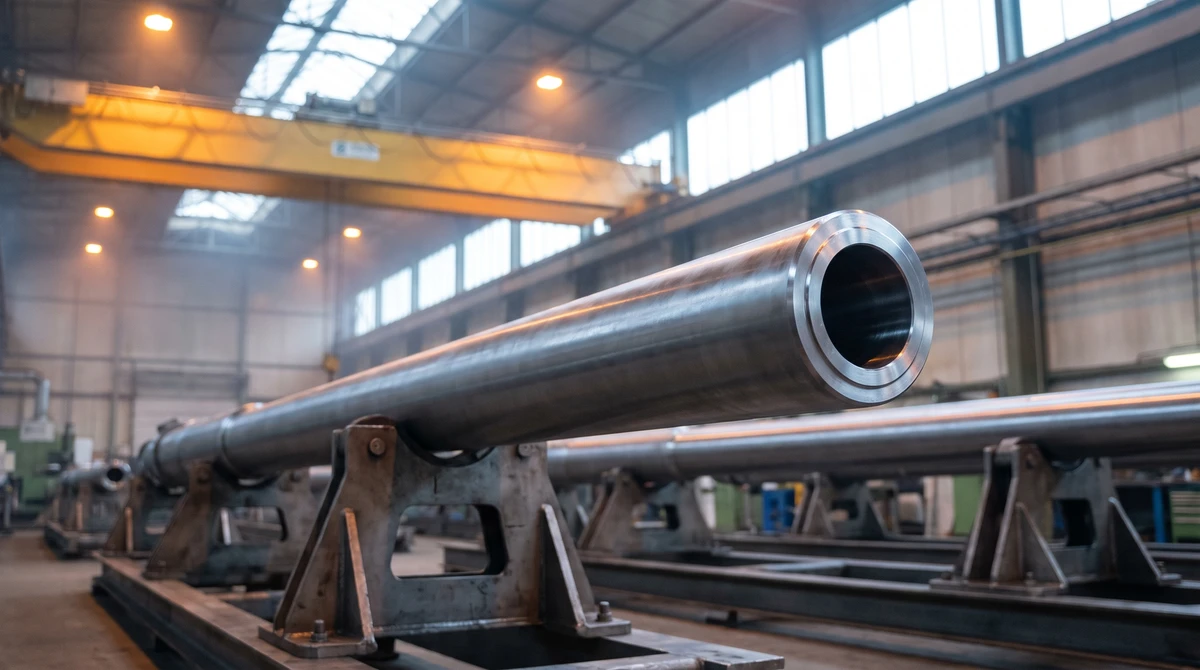
As the UK restarted 155mm barrel production on October 22, 2026 and the US Army sought new makers for its M777 and Paladin tubes, the reach of a howitzer comes down to barrel length in calibers first, then to what the shell itself can do.
F-35 at 25: The 2001 Joint Strike Fighter Award Promised 3,000 Jets and a First Delivery in 2008
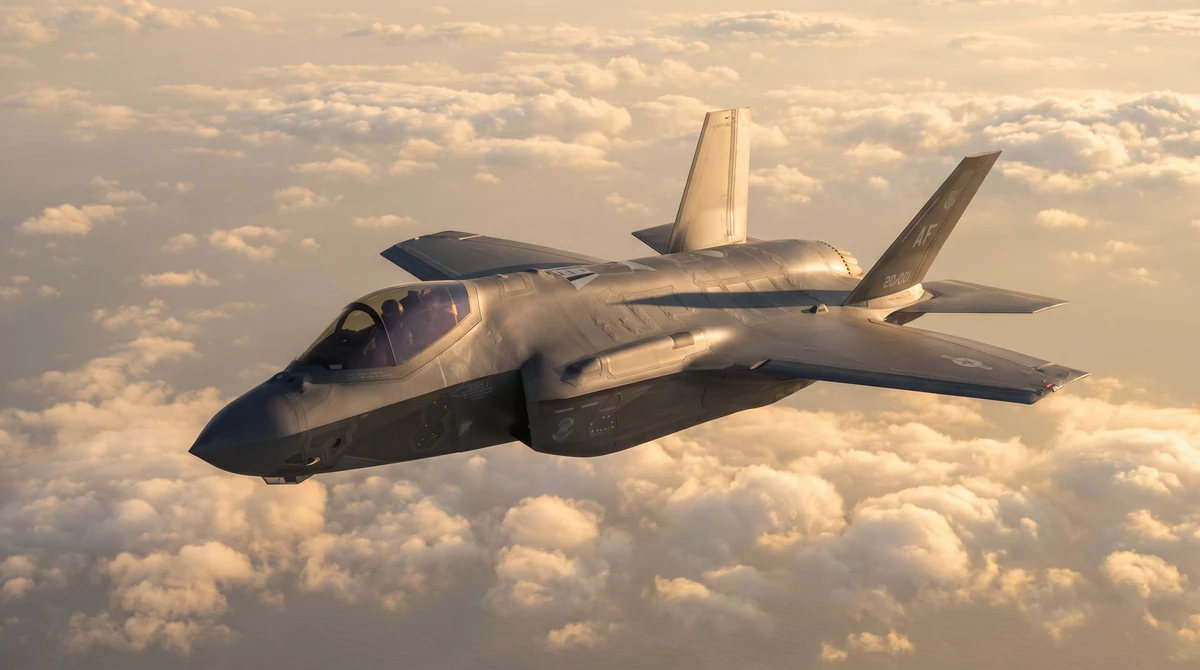
Twenty-five years after the Pentagon chose the Lockheed Martin-led team to build the Joint Strike Fighter on October 26, 2001, Lockheed counts more than 1,375 F-35s fielded, the Joint Program Office lists 20 partner and customer nations, and production lots 20 and higher remain under negotiation.
USS Pinckney Begins US Navy's First SPY-6(V)4 Radar Installation on an Arleigh Burke Destroyer
The US Navy said on October 22 that the Arleigh Burke-class destroyer USS Pinckney (DDG 91) has entered a Depot Modernization Period at General Dynamics NASSCO in San Diego, the service's first installation of the SPY-6(V)4 radar and HESC cooling plants under the DDG MOD 2.0 program.

UK Restarts Tank and Howitzer Barrel Production as US Army Seeks New 155mm Tube Makers
Rheinmetall UK has begun making 120mm and 155mm barrels in Telford, the Ministry of Defence said on 22 October, a day after a US Army contracting command posted a market survey for domestic makers of Paladin and M777 cannon tubes.