F-35 at 25: The 2001 Joint Strike Fighter Award Promised 3,000 Jets and a First Delivery in 2008
Twenty-five years after the Pentagon chose the Lockheed Martin-led team to build the Joint Strike Fighter on October 26, 2001, Lockheed counts more than 1,375 F-35s fielded, the Joint Program Office lists 20 partner and customer nations, and production lots 20 and higher remain under negotiation.
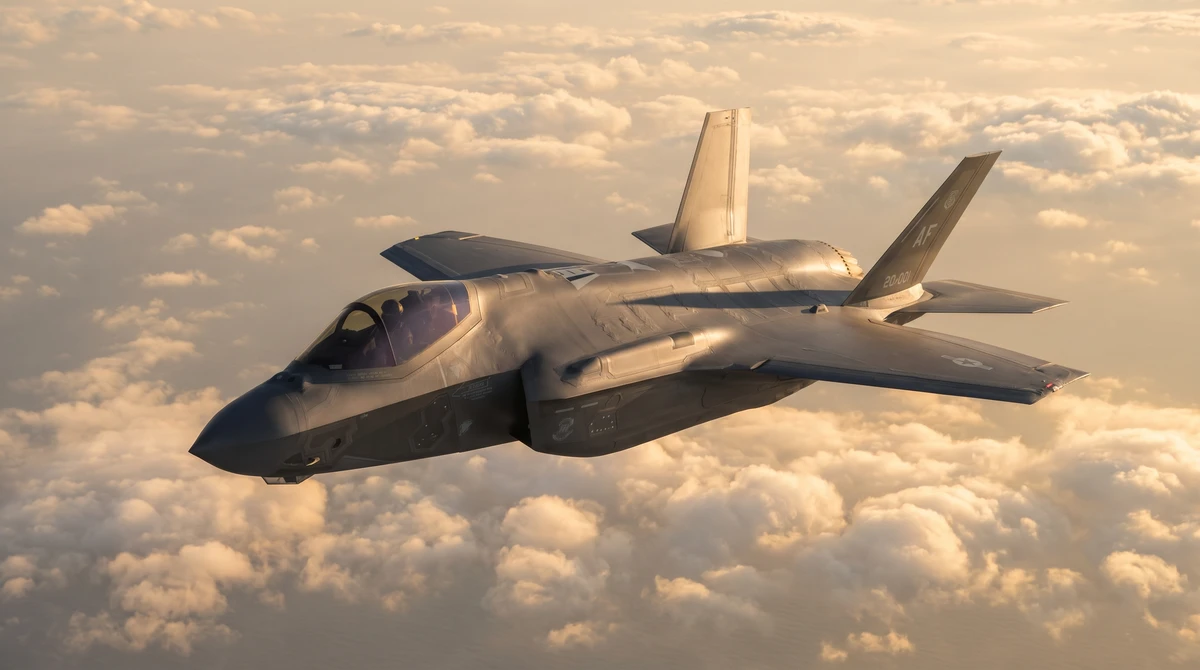
On October 26, 2001, the Pentagon announced that an international team led by Lockheed Martin had won the competition to build the Joint Strike Fighter, the aircraft that became the F-35 Lightning II. Twenty-five years later, the program the company then valued at approximately $200 billion has, by Lockheed Martin's own count, put more than 1,375 F-35s in the field, and the production contracts for lots 20 and higher are still under negotiation.
Lockheed Martin's release of that day described the JSF as "a stealthy, supersonic, multirole fighter designed for the U.S. Air Force, Navy and Marine Corps, as well as the U.K. Royal Air Force and Royal Navy." The team of Lockheed Martin, Northrop Grumman and BAE Systems was given the go-ahead to produce an initial 22 aircraft in a System Design and Development phase the company put at $25 billion; a second release the following week said the contract received that Friday was worth $18.9 billion. The award, announced by the Secretary of the Air Force, capped a four-year, $1 billion concept demonstration program in which Lockheed's X-35 had competed against Boeing's X-32.
The plan, as Lockheed Martin stated it, called for more than 3,000 aircraft over the life of the program, a first test flight in 2005 and the first operational JSF delivered in 2008, with final assembly at Fort Worth, Texas, and work in more than 27 states and in the United Kingdom. The new fighter was designed to replace the A-10, the AV-8 Harrier, the F-16 and the F/A-18. "Several other countries are considering participation," the release added, naming the Netherlands, Italy, Denmark, Norway, Canada and Turkey.
The F-35 Joint Program Office today lists eight partner nations, the United States, the United Kingdom, Italy, the Netherlands, Canada, Australia, Denmark and Norway, and twelve Foreign Military Sales customers with signed Letters of Offer and Acceptance: Israel, Japan, South Korea, Belgium, Poland, Singapore, Finland, Switzerland, Germany, the Czech Republic, Greece and Romania. Five of the six countries named in 2001 as considering participation are partners today; Turkey appears on neither list.
In its October 22 release on a new production framework, Lockheed Martin said the F-35 fleet operates from 42 bases worldwide, including 13 nations operating on home soil, and has surpassed a million flight hours. Its third-quarter results, published the same day, reported 43 F-35 deliveries in the quarter against 46 in the third quarter of 2025, and 94 in the first nine months of 2026 against 143 in the same period a year earlier. Lockheed Martin said it "remains in negotiations with the U.S. Government on the production contracts for F-35 lots 20 and higher."
GlobalMilitary.net's own inventory, replayed to today, counts 1,214 F-35s active across 16 countries, 724 of them in the US fleet. Australia follows with 72, Italy with 57, Japan with 54, the Netherlands and Norway with 52 each, Israel with 48 and the United Kingdom with 47; South Korea, Denmark, Belgium, Finland, Poland, Singapore, Canada and Germany hold the rest. A further 2,204 aircraft are on order across 18 countries, 1,592 of them for the United States; GMN traced how that backlog built up in an earlier order-book analysis. GMN counts each air arm's operational inventory as its sources report it, so its figure sits below Lockheed Martin's count of aircraft fielded; the two are not reconciled here.
The framework agreement announced on October 22 covers 850 US F-35s over 10 years at 156 a year, but it needs multiyear authority and appropriations from Congress before any contract can follow. In Canada, named in 2001 as a prospective participant, the Royal Canadian Air Force received its first two CF-35As on October 22. The aircraft were handed over at Luke Air Force Base, Arizona, where they will stay for training, with the first arrivals in Canada expected in 2028.
More News
All news →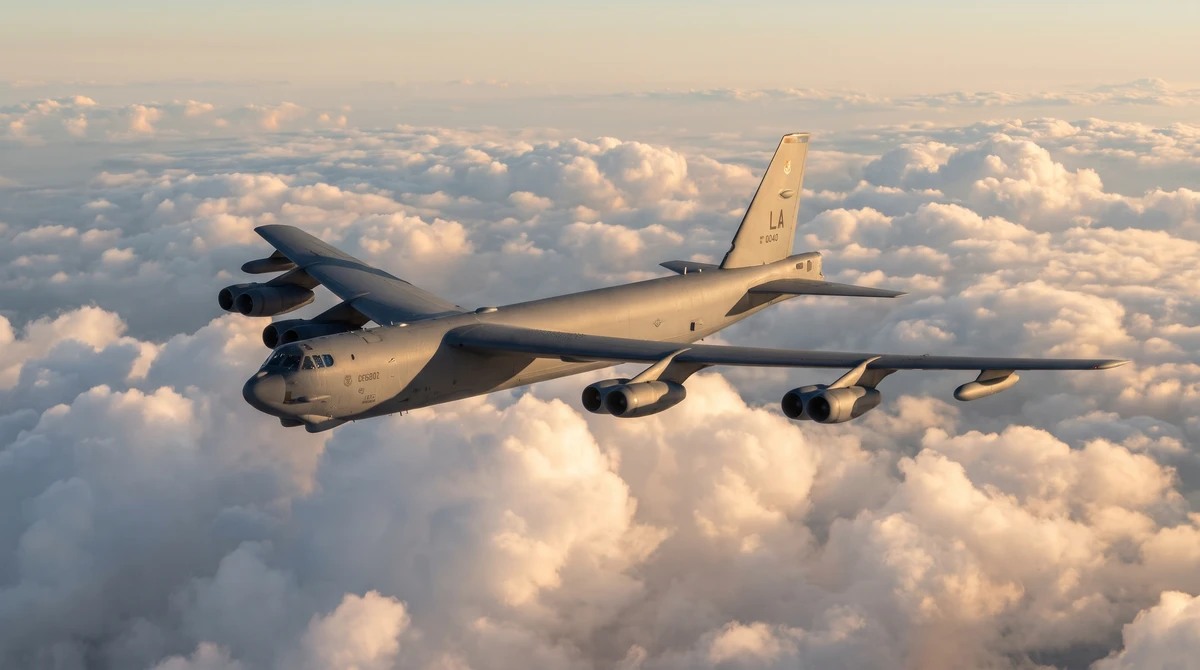
ARRW Hypersonic Missile Enters Production as U.S. Fields 140 Bombers, Russia 116 and China 219 H-6s
The Department of the Air Force has moved the AGM-183A hypersonic missile into production for a U.S. bomber force of 140 aircraft, which GlobalMilitary.net's inventory sets against Russia's 116 bombers and China's 219 H-6s.
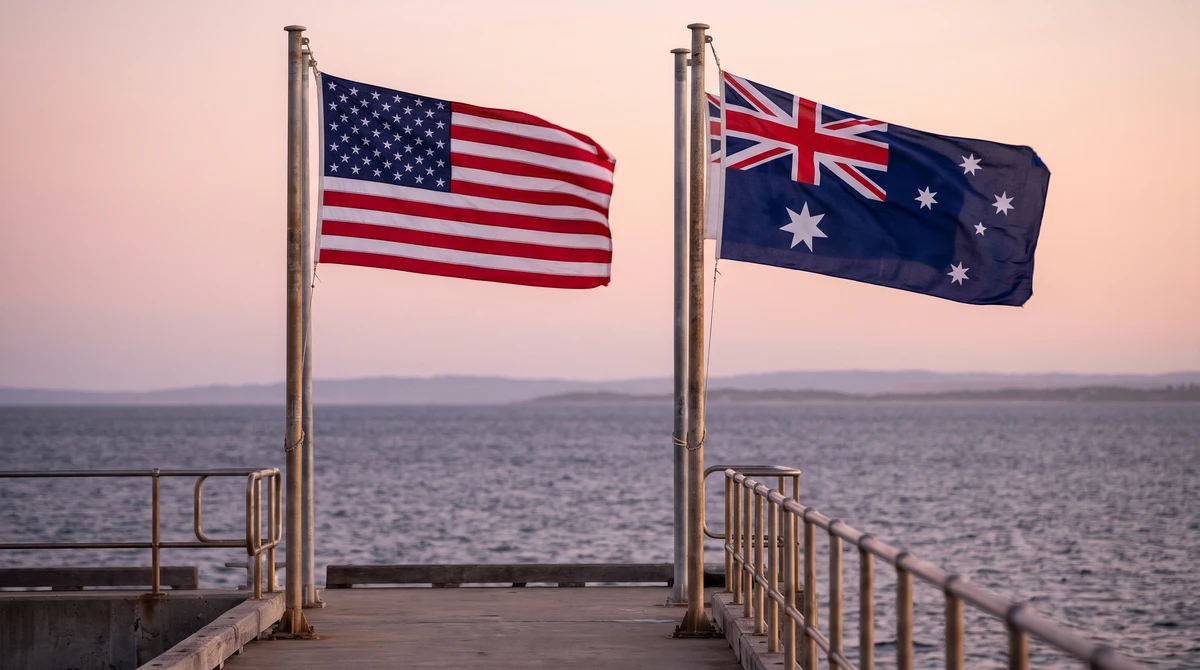
USS Colorado to Be First Virginia-Class Submarine Rotated to Australia Under AUKUS From Late 2027
The United States, Australia and the United Kingdom said on October 26, 2026 that USS Colorado (SSN 788) will be the first U.S. Navy Virginia-class attack submarine assigned to Submarine Rotational Force-West at HMAS Stirling, Western Australia, beginning in late 2027.
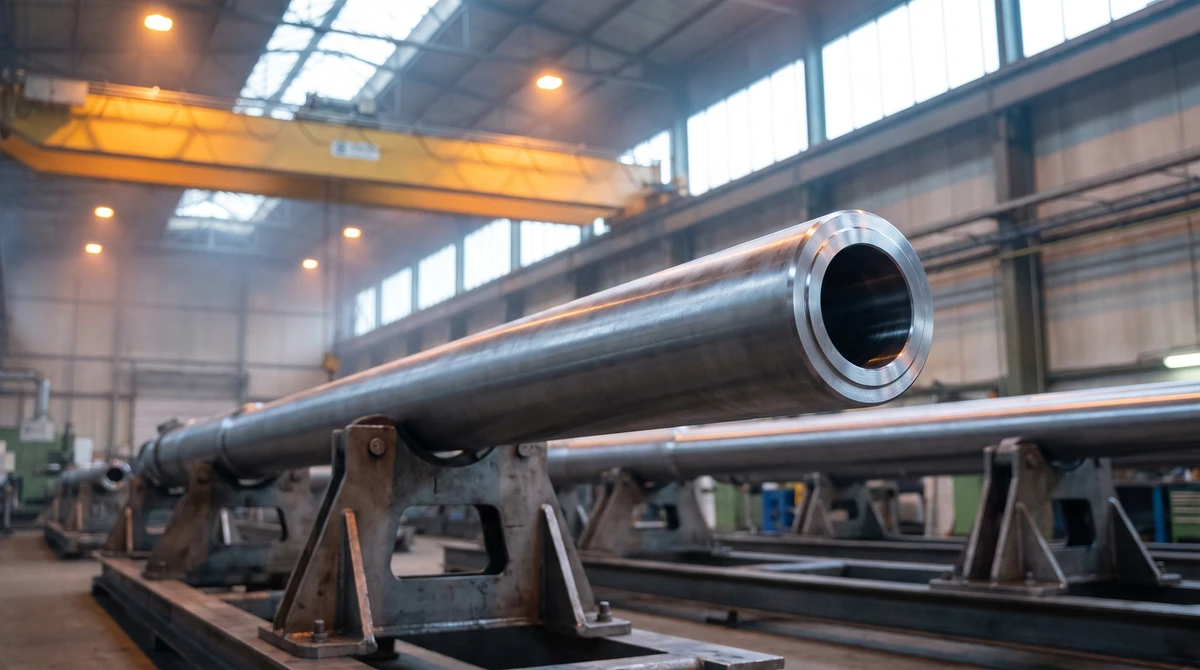
Why 52-Caliber Howitzers Outrange the M777 as the UK and US Move to Make More 155mm Barrels
As the UK restarted 155mm barrel production on October 22, 2026 and the US Army sought new makers for its M777 and Paladin tubes, the reach of a howitzer comes down to barrel length in calibers first, then to what the shell itself can do.
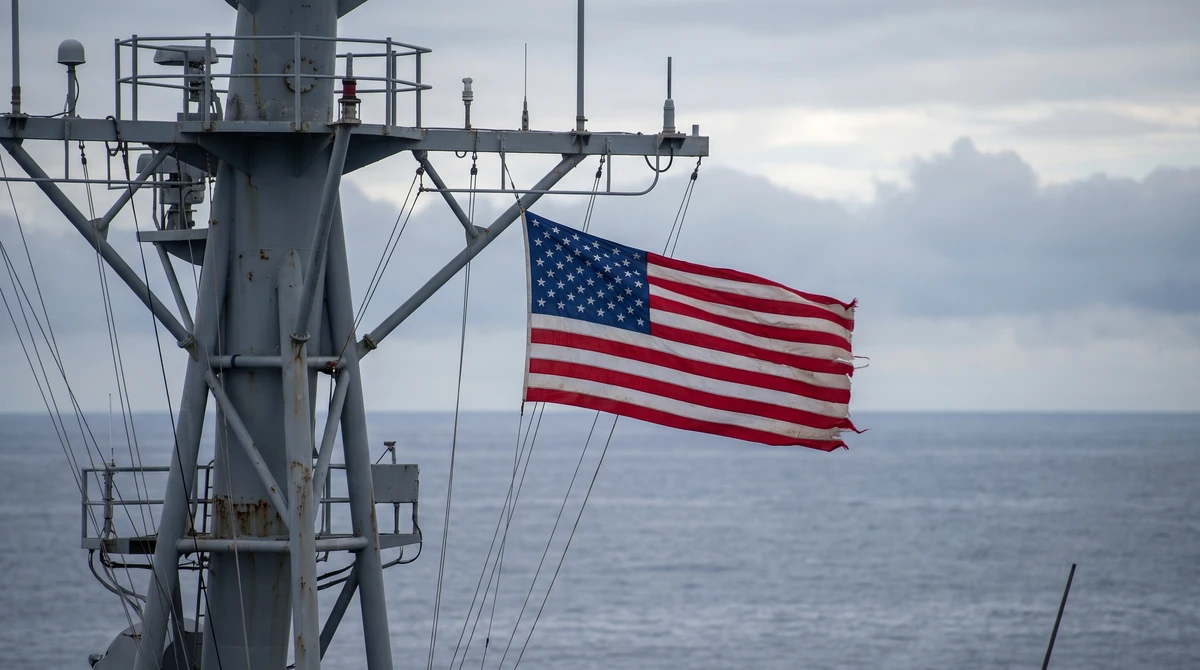
USS Pinckney Begins US Navy's First SPY-6(V)4 Radar Installation on an Arleigh Burke Destroyer
The US Navy said on October 22 that the Arleigh Burke-class destroyer USS Pinckney (DDG 91) has entered a Depot Modernization Period at General Dynamics NASSCO in San Diego, the service's first installation of the SPY-6(V)4 radar and HESC cooling plants under the DDG MOD 2.0 program.
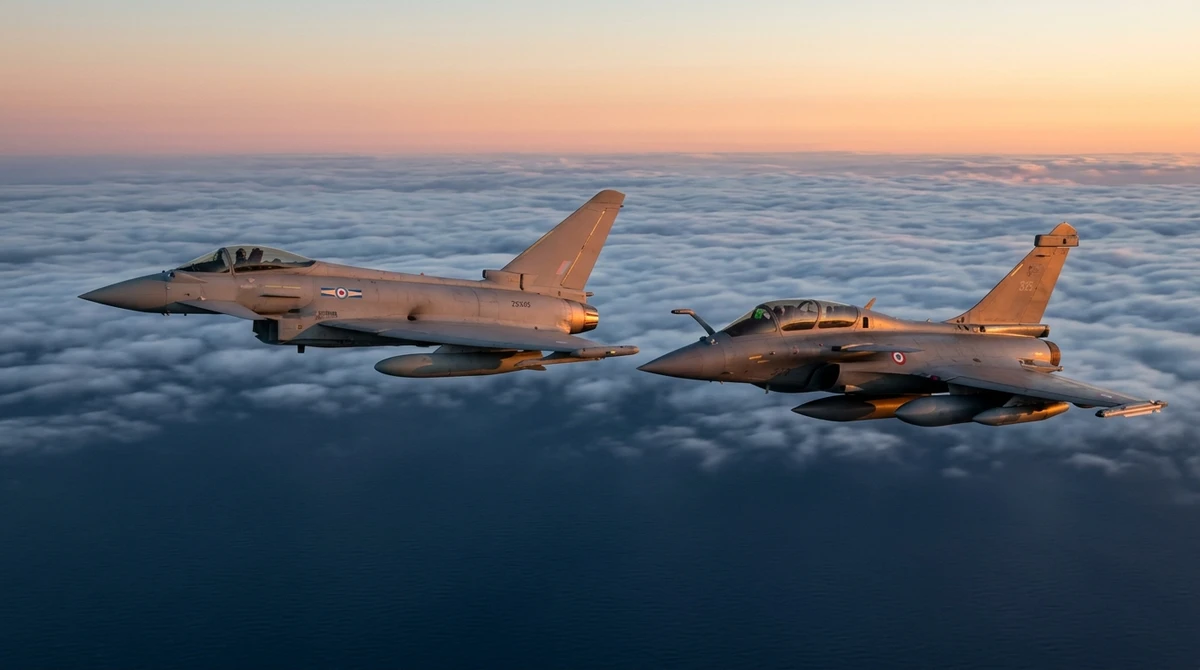
RAF Typhoons Escort French Rafales in First Joint Nuclear Strike Exercise
Royal Air Force Typhoons flew alongside French Rafales simulating a nuclear strike over the Mediterranean on 20-21 October, the first British participation in a French nuclear air exercise, the UK Ministry of Defence said on 23 October.
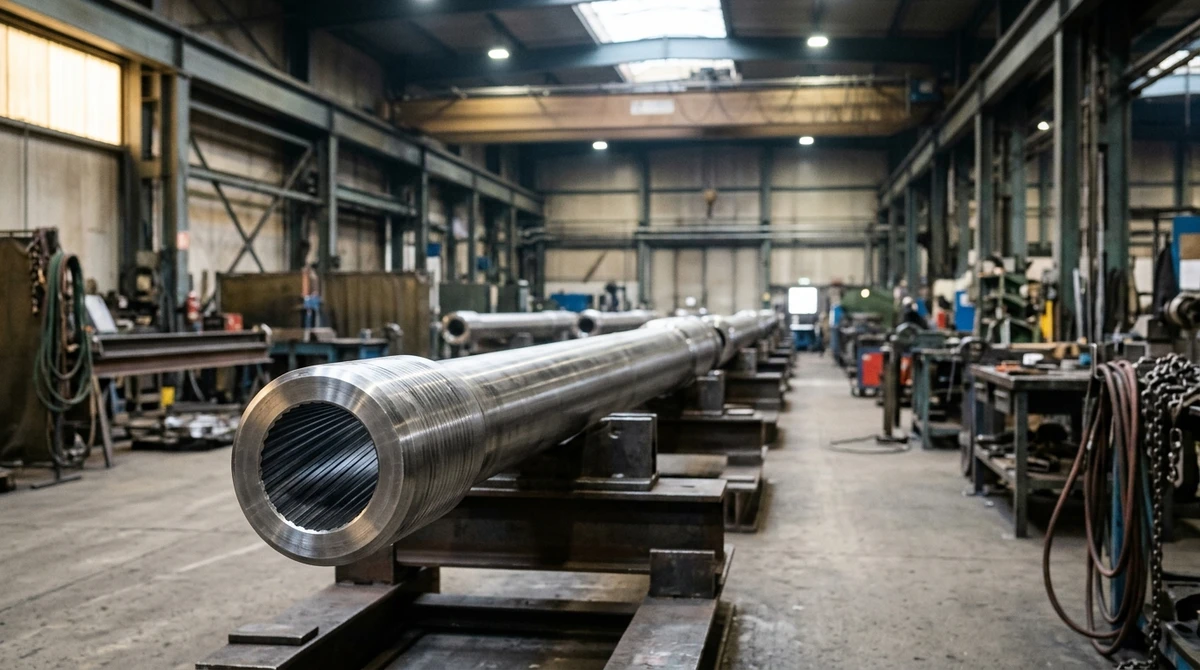
UK Restarts Tank and Howitzer Barrel Production as US Army Seeks New 155mm Tube Makers
Rheinmetall UK has begun making 120mm and 155mm barrels in Telford, the Ministry of Defence said on 22 October, a day after a US Army contracting command posted a market survey for domestic makers of Paladin and M777 cannon tubes.