Improved Kilo-class (Project 636)
Russian attack submarine, introduced in 1980, uses diesel-electric propulsion. Key figures: displacement 2,325 tons, length 73 m, top speed 12 knots, crew 52, unit cost $200M. In service with 4 navies — Russia (12), China (10), Vietnam (6) and 1 other.
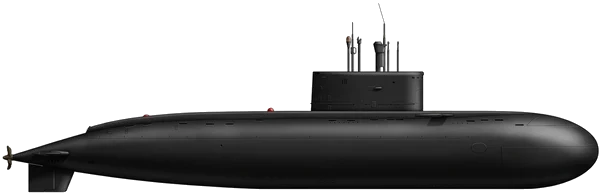
| Subtype | Attack submarine |
| Displacement | 2325 tons |
| Displacement submerged | 3075 tons |
| Crew | 52 members |
| Width | 9.9 m (32.5 ft) |
| Length | 72.6 m (238.2 ft) |
| Max. depth | 300 m (984.3 ft) |
| Propulsion | Diesel-electric propulsion; 2 × 1000 kW diesel generators; 1 × 5,500–6,800 shp (4,100–5,100 kW) propulsion motor; 1 × fixed-pitch 6-bladed or 7-bladed propeller |
| Range | 7,500 nm at 7 knots |
| Endurance | 45 days |
| Maximum speed | 12 knots |
| Max. speed submerged | 20 knots |
- 6 × 533 mm (21 in) torpedo tubes
- 18 torpedoes
- 4 Kalibr/Club land-attack cruise missile, anti-ship missile and anti-submarine missile (some versions)
- 24 mines
- 8 9K34 Strela-3 (SA-N-8 Gremlin) or 8 9K310 Igla-1 (SA-N-10 Gimlet) surface-to-air missiles
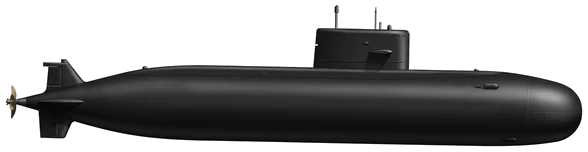
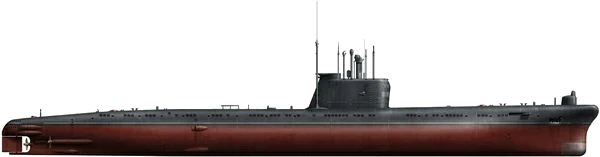
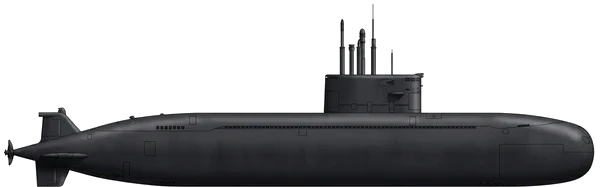
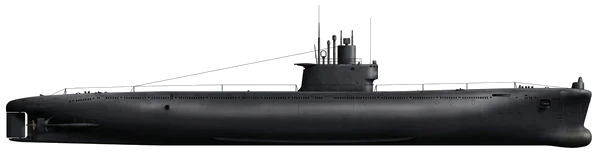
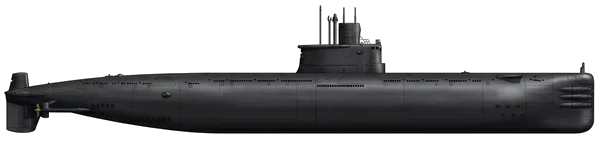
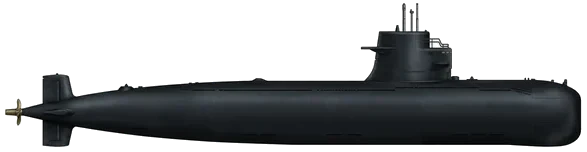
Description
The Kilo-class series consists of diesel-electric attack submarines originally developed in the Soviet Union during the 1970s. Initial units, designated Project 877, entered operational service in 1980 and were primarily intended for Warsaw Pact nations, earning them the nickname "Varshavyanka." Production transitioned in the mid-1990s to the more advanced Project 636, known as the Improved Kilo class, which offered increased speed and quieter operation. In the mid-2010s, a further updated variant, Project 636.3 or Improved Kilo II, was introduced. This latest iteration was produced in larger numbers to maintain naval strength following development delays in the class intended to succeed it.
These vessels are optimized for anti-shipping and anti-submarine warfare, particularly in relatively shallow waters. The hull and fins are covered with anechoic tiles designed to absorb active sonar pulses and dampen internal machinery noise, complicating detection by passive sonar. Target acquisition is managed through automated sonar systems that include mine detection and avoidance capabilities. While most units utilize traditional six or seven-bladed propellers, at least one variant was modified to test pump-jet propulsion. Armament is deployed through six torpedo tubes, which can launch torpedoes, mines, and—in modernized versions—cruise missiles for land-attack, anti-ship, and anti-submarine missions.
The class has seen extensive international proliferation, with dozens of units exported to navies in Asia, Africa, and Eastern Europe. Operational history includes a 2014 incident where a Chinese unit survived a rapid buoyancy loss during a combat readiness test. In a combat capacity, these submarines were first used to strike land targets in Syria during 2015, launching cruise missiles from the Mediterranean. More recently, units belonging to the Black Sea Fleet have been actively engaged in the invasion of Ukraine, conducting missile strikes from the sea. Several vessels have sustained damage or have been reported lost during this conflict, including units struck by missiles and drones while in port or undergoing repairs in dry docks. On 14-15 December 2025 Ukrainian forces struck the docked Project 636.3 boat B-271 Kolpino at Novorossiysk with underwater drones, the first attack of its kind on a submarine. British defence intelligence assessed that she was unable to sail under her own power, and satellite imagery of 16 December showed her sitting more than a metre below her normal waterline. Russia denied that any damage had occurred. Modern units continue to be delivered to replace aging original hulls in the Russian fleet.
Frequently Asked Questions
What type of ship is the Improved Kilo-class?
What is the displacement of the Improved Kilo-class?
What is the maximum speed of the Improved Kilo-class?
What is the range of the Improved Kilo-class?
How many crew members serve on the Improved Kilo-class?
Which countries operate the Improved Kilo-class?
How much does a Improved Kilo-class cost?
- OCT 22026 Updated Service entry year and boat list corrected to the Project 636 boats
- AUG 62026 Updated Description updated
- JAN 242026 Updated Range and max speed updated
- JAN 182026 Created Page created: Improved Kilo