Royal Danish Air Force
Key facts
| Official Name | Royal Danish Air Force |
| Local Name | Flyvevåbnet |
| Country | 🇩🇰 Denmark |
| World rank | #36 |
| Active aircraft | 87 as of 2026 |
| Aircraft on order | 6 |
| Roundel |
|

Global Air Force Index
| 💥 Strategic Bombers | 0 | Nuclear-capable strike aircraft (highest weight) |
| ✈️ Combat Aircraft | 57 | Fighters, multirole & attack aircraft |
| 🚁 Helicopters | 34 | Attack, transport & utility rotorcraft |
| 🛫 Transport | 7 | Strategic & tactical airlift |
| 📊 Total Active | 123 | All aircraft types |
Methodology: Square root scaled index weighted by aircraft combat capability. Strategic bombers score highest due to nuclear strike capability.
Aircraft by type in 2026
| Aircraft type | Active | |
|---|---|---|
 Helicopter
|
34 | |
 Training
|
25 | |
 Combat
|
21 | |
 Transport
|
7 | |
Origin countries of aircraft
| Country | Active Aircraft | |
|---|---|---|
| 🇺🇸 United States | 34 | |
| 🇸🇪 Sweden | 25 | |
| 🇬🇧 United Kingdom | 14 | |
| 🇮🇹 Italy | 14 | |
| 🇫🇷 France | 11 | |
| 🇨🇦 Canada | 3 | |
Evolution of Danish Air Force fleet
2 recent updates applied to this inventory
| Date | Aircraft | Active Δ | Ordered Δ |
|---|---|---|---|
| 18 Jan 2026 | F-16A | -31 | — |
| Officially decommissioned after 46 years of service; fleet retired in favor of F-35A. Details → | |||
| 18 Jan 2026 | F-16B | -10 | — |
| Officially decommissioned; two-seat training variants retired alongside the F-16A fleet. Details → | |||
Overview
The Royal Danish Air Force (Flyvevåbnet) is currently undergoing a structural transition centered on the replacement of its legacy fighter fleet and the expansion of its Arctic surveillance capabilities. The force is organized under Air Command Denmark, headquartered at Karup Air Base, which exercises operational control over three primary wings: Fighter Wing Skrydstrup, Air Transport Wing Aalborg, and Helicopter Wing Karup. These wings manage specialized squadrons tasked with air defense, transport, search and rescue (SAR), and maritime support.
The fighter inventory is transitioning from the F-16AM/BM Fighting Falcon to the F-35A Lightning II. Delivery of F-35A airframes to Skrydstrup Air Base is ongoing, with aircraft arriving from both the United States-based training detachment and the production line. As F-35A airframes achieve operational status, the remaining F-16 fleet is being phased out, with airframes designated for transfer to Ukraine and sale to Argentina. Fixed-wing transport requirements are met by C-130J-30 Super Hercules aircraft, while the CL-604 Challenger fleet performs maritime patrol, VIP transport, and sovereignty patrols. The rotary-wing inventory includes the EH101 Merlin, configured for long-range SAR and tactical troop transport, and the MH-60R Seahawk, which operates from Royal Danish Navy frigates and offshore patrol vessels. The AS550 C3 Fennec provides light utility and observation support for land forces, while initial pilot training is conducted on the T-17 Supporter.
Operational priorities are divided between domestic sovereignty, NATO collective defense, and Arctic security. The RDAF maintains a continuous Quick Reaction Alert (QRA) capability to intercept unauthorized aircraft within Danish and Greenlandic airspace. In 2025, the F-35A fleet assumed primary responsibility for national QRA duties. Maritime surveillance and SAR remain constant requirements, particularly in the North Sea and the North Atlantic. The RDAF frequently deploys detachments to support NATO Baltic Air Policing and enhanced Air Policing missions in Eastern Europe. In the Arctic region, the RDAF operates in conjunction with the Joint Arctic Command, utilizing C-130J and CL-604 aircraft for surveillance and logistical support to remote stations in Greenland.
Procurement efforts are focused on completing the F-35A acquisition and enhancing unmanned capabilities. Long-range Unmanned Aerial Vehicles (UAVs) are being integrated to increase persistent surveillance over the Arctic and Baltic regions. Recent upgrades have also been applied to the MH-60R Seahawk fleet to improve sensor suites and communication links for multi-domain operations. The Danish defense agreement for the mid-2020s outlines further investments in ground-based air defense systems to complement the air force's interceptor capabilities. Air transport capacity is being sustained through mid-life updates to the C-130J fleet, ensuring interoperability with NATO allies during international deployments and logistical missions.
Full inventory in 2026
Royal Danish Air Force
| Aircraft Type | Model | Origin Country | Model Year | Active | 𝚫 YoY | Ordered | ||
|---|---|---|---|---|---|---|---|---|
| Combat |
F-16A | 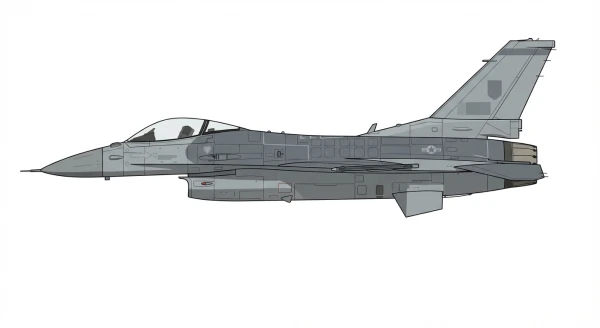 |
🇺🇸 | 1979 | 0 | -31 |
0 |
|
| Combat |
F-35A | 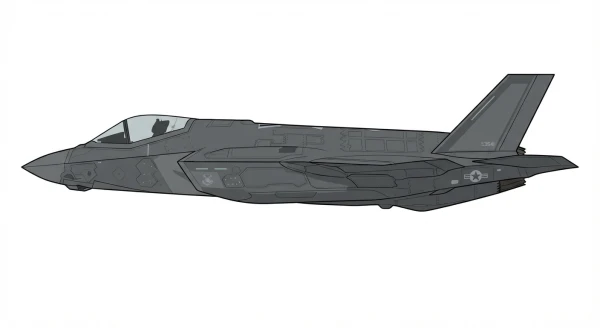 |
🇺🇸 | 2013 | 21 | 0 |
6 |
|
| Combat |
F-16B | |
🇺🇸 | 1979 | 0 | -10 |
0 |
|
| Helicopter |
AW101 | 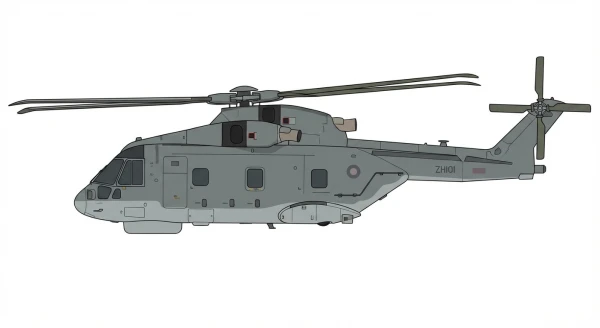 |
🇬🇧 🇮🇹 | 1999 | 14 | 0 |
0 |
|
| Helicopter |
H125M/AS550 | 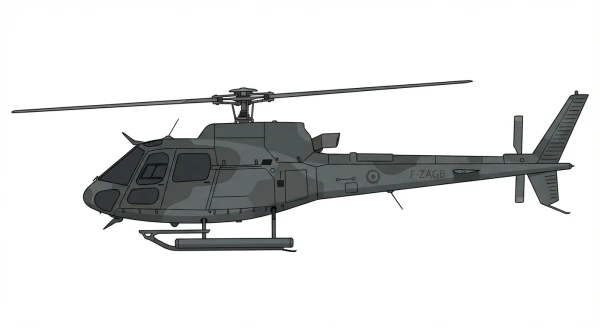 |
🇫🇷 | 1990 | 11 | 0 |
0 |
|
| Helicopter |
S-70/MH-60R | 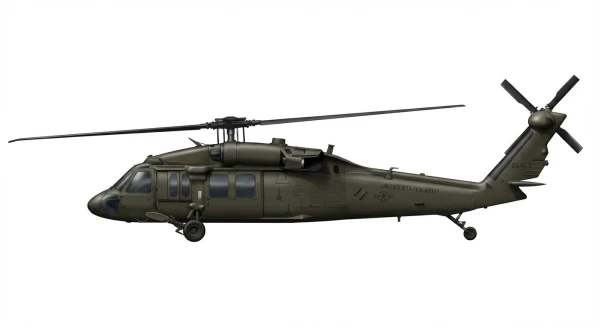 |
🇺🇸 | 1979 | 9 | 0 |
0 |
|
| Transport |
C-130J | 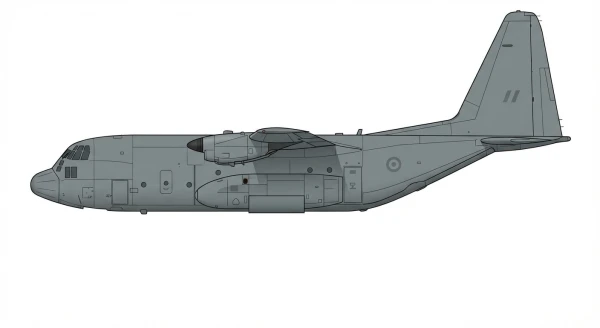 |
🇺🇸 | 1956 | 4 | 0 |
0 |
|
| Transport |
Challenger 604 | 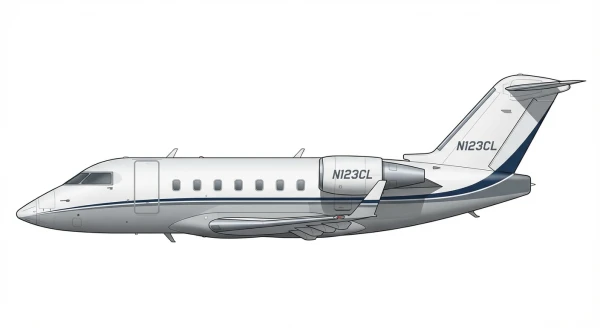 |
🇨🇦 | 1980 | 3 | 0 |
0 |
|
| Training |
MFI-17 | 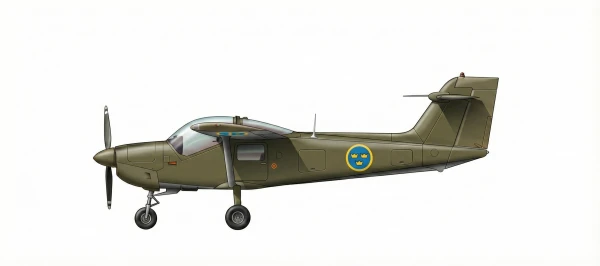 |
🇸🇪 | 1972 | 25 | 0 |
0 |
Frequently Asked Questions
How many aircraft does Denmark have?
How does Denmark's air force rank globally?
How many combat aircraft does Denmark operate?
How many military helicopters does Denmark have?
What is the Air Force Index of Denmark?
Where does Denmark get its military aircraft from?
Last updated on 18 January 2026. Suggest a change