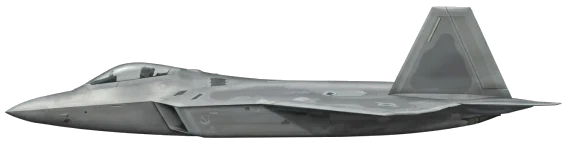
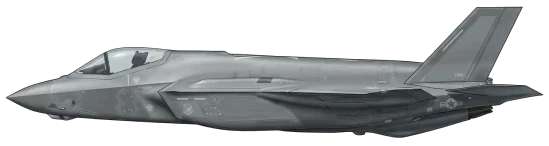
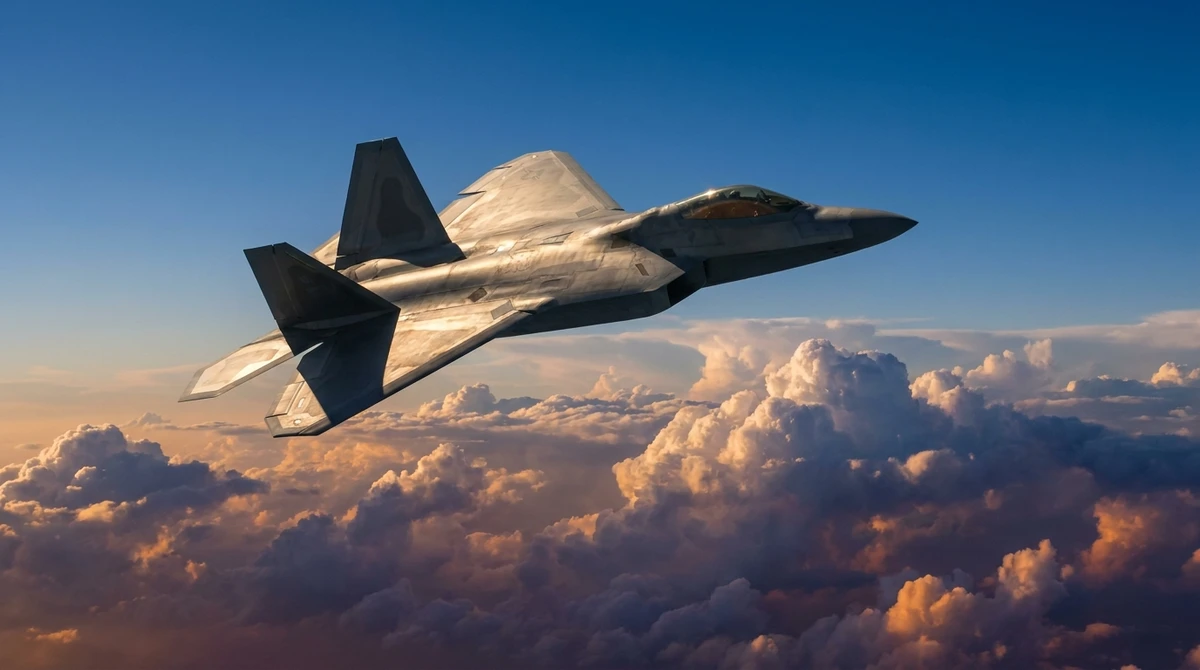
The Boeing F-47 is a planned sixth-generation air superiority fighter being developed for the United States Air Force under the Next Generation Air Dominance (NGAD) program, intended to succeed the Lockheed Martin F-22 Raptor. On 21 March 2025, President Donald Trump announced that Boeing had won the engineering and manufacturing development contract, worth more than $20 billion. The designation honors the P-47 Thunderbolt of World War II, the Air Force's founding year of 1947, and the 47th president.
Development
Most of the F-47's design remains classified. Air Force leaders have said it will offer significantly longer range and more advanced stealth than fifth-generation fighters, with higher availability and a smaller deployment footprint. Officially disclosed performance targets include a top speed above Mach 2 and a combat radius of more than 1,000 nautical miles (1,900 km). The fighter is designed to operate as a sensor-shooter alongside uncrewed Collaborative Combat Aircraft, and will be powered by a Next Generation Adaptive Propulsion engine, with GE Aerospace's XA102 and Pratt & Whitney's XA103 competing; both passed assembly readiness reviews in May 2026.
Experimental X-plane demonstrators supporting the program have flown since 2019-2020. Manufacturing of the first F-47 began in 2025 at Boeing's St. Louis plant, and first flight is expected in 2028. The Air Force plans to buy at least 185 aircraft, with fielding targeted for the early 2030s; cumulative program funding approached $8.5 billion by mid-2026.