US Air Force Confirms F-47 in Build at Boeing, First Flight Still Targeted for 2028
Gen. Dale White told an industry conference in Dayton on July 30 that the sixth-generation fighter has entered engineering and manufacturing development and that Boeing is building test aircraft, with first flight held to 2028.
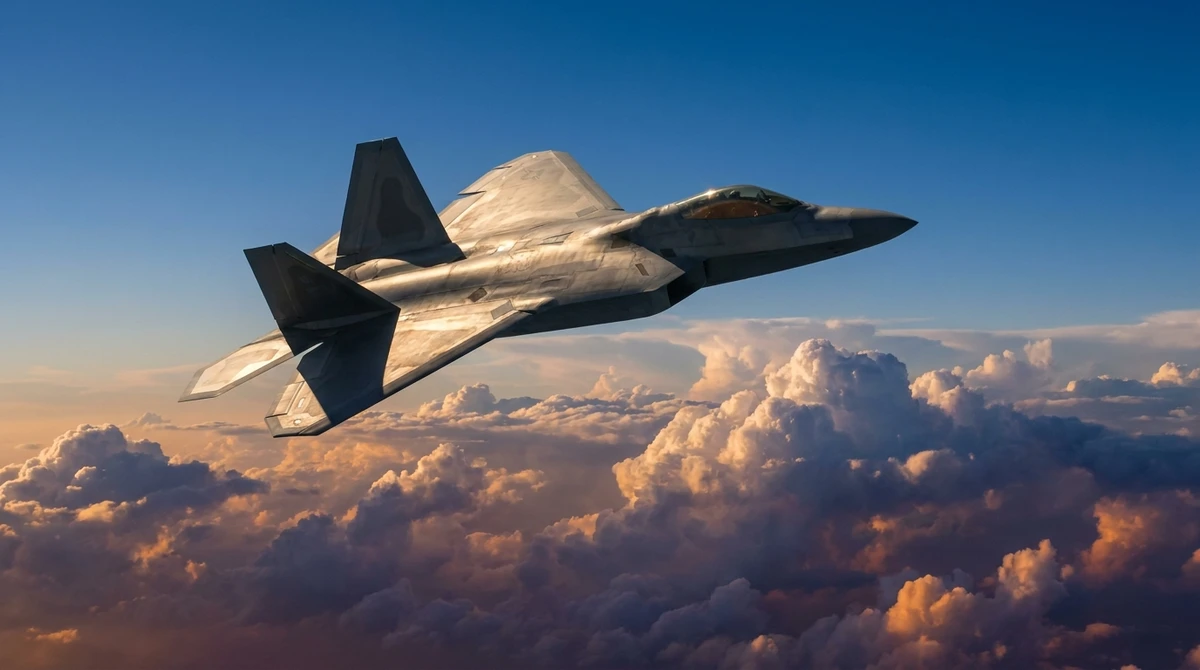
The U.S. Air Force said on July 30 that the F-47, its sixth-generation air dominance fighter, has entered engineering and manufacturing development and that Boeing has begun building test aircraft, with the program still tracking toward a first flight in 2028.
Gen. Dale White, the Air Force's director of critical major weapon systems programs, told the Life Cycle Industry Days conference in Dayton, Ohio, that the aircraft had reached the milestone with what he described as "unprecedented maturity." The EMD phase covers maturing, integrating and testing every element of the aircraft, and will deliver a small number of test airframes for evaluation along with priced options for low-rate initial production. "The F-47 will fly in this administration," White said, reiterating a schedule the service has held to since the contract award.
The program received $3.45 billion in fiscal 2026 and the Air Force has requested more than $5 billion for fiscal 2027. President Trump announced the F-47 in March 2025, naming Boeing as prime contractor and positioning the aircraft as the crewed centerpiece of the Next Generation Air Dominance family of systems, which also includes uncrewed collaborative combat aircraft intended to operate alongside it.
One question the service has not answered is what will power the first aircraft. The Next Generation Adaptive Propulsion effort, which is developing the adaptive-cycle engines intended for the type, is not expected to mature in step with the airframe, raising the prospect that early F-47s fly with interim powerplants of lower performance than the production standard. The Air Force has not publicly confirmed which engine will be fitted to the first flying prototype.
The service plans to procure at least 185 F-47s, a figure chosen to match the fleet the aircraft is meant to succeed. GlobalMilitary.net inventory data records 183 F-22 Raptors in Air Force service in 2026, out of 195 airframes built before production ended in 2011. Around 32 of those are early Block 20 jets flown for training rather than combat; the Air Force has repeatedly proposed retiring them to free money for NGAD, and Congress has repeatedly refused. The F-47 is not meant to displace the F-35, of which the Air Force fields 385 F-35As with more than 1,300 still on order, but to restore high-end air superiority capacity as the Raptor fleet ages without a replacement. Among the air forces of the world ranked by fleet size and capability, no other operator currently fields a dedicated air superiority stealth fighter of comparable scale.
Boeing is building the aircraft at its St. Louis defense campus, alongside the F/A-18E/F Super Hornet and F-15EX Eagle II lines, where a 1.1-million-square-foot expansion for F-47 production began opening this year and is due for completion in 2030. The Air Force has released no imagery of the airframe under construction and has disclosed neither the number of test articles nor the planned length of the flight-test campaign. The next confirmed milestone remains the 2028 first flight.
More News
All news →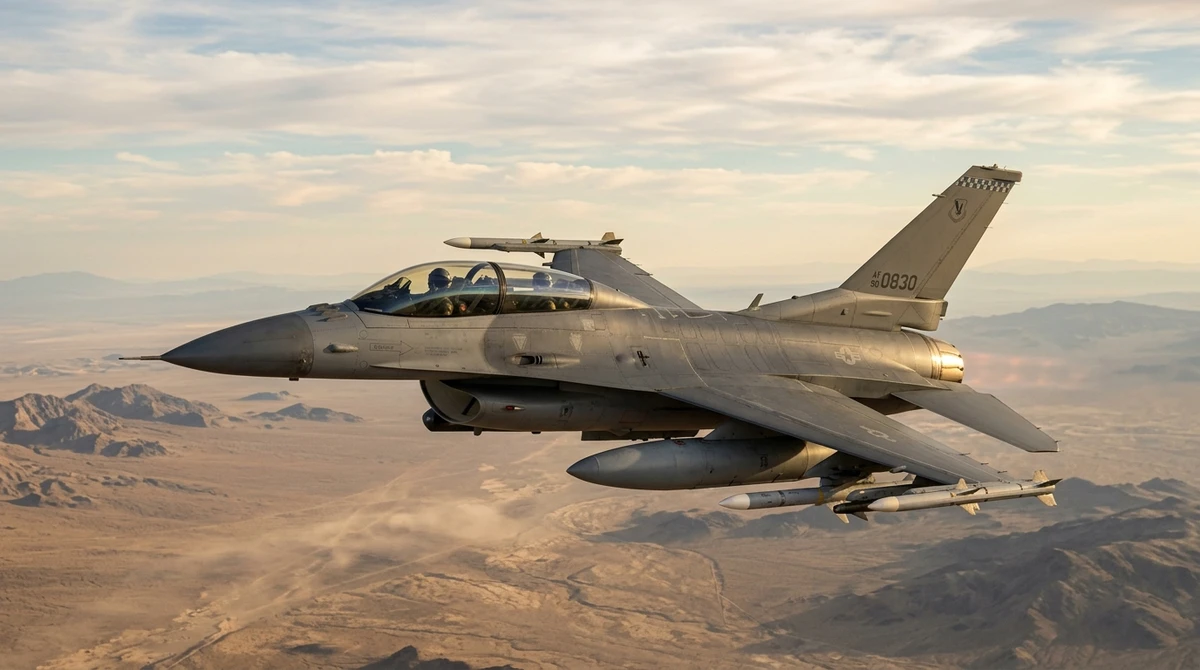
Morocco's First F-16 Block 72 Makes Maiden Flight, the First Pratt & Whitney-Powered Viper to Fly
Lockheed Martin said on October 6 that the Royal Moroccan Air Force's first F-16 Block 72, a two-seat F-16D, had flown from its Greenville, South Carolina, plant, the first flight of the Pratt & Whitney-engined version of the latest-generation Fighting Falcon.

First HACM Hypersonic Cruise Missile Flight Test Unit Released Over Australia
The U.S. Air Force says a Hypersonic Attack Cruise Missile flight test unit was released by the Royal Australian Air Force over an Australian test range, without disclosing the date, the launch aircraft or whether the scramjet-powered weapon achieved powered flight.

Spain Selects Airbus A321 as Platform for Three SIGINT Aircraft in €436M Program
Spain has chosen the Airbus A321 as the platform for three signals-intelligence aircraft for the Spanish Air and Space Force, restoring a dedicated airborne SIGINT capability the country has lacked since its Boeing 707 was retired in 2014.
P-3 Orion Fleet Down to 101 Aircraft in 12 Countries, Roughly Half Its 2022 Size
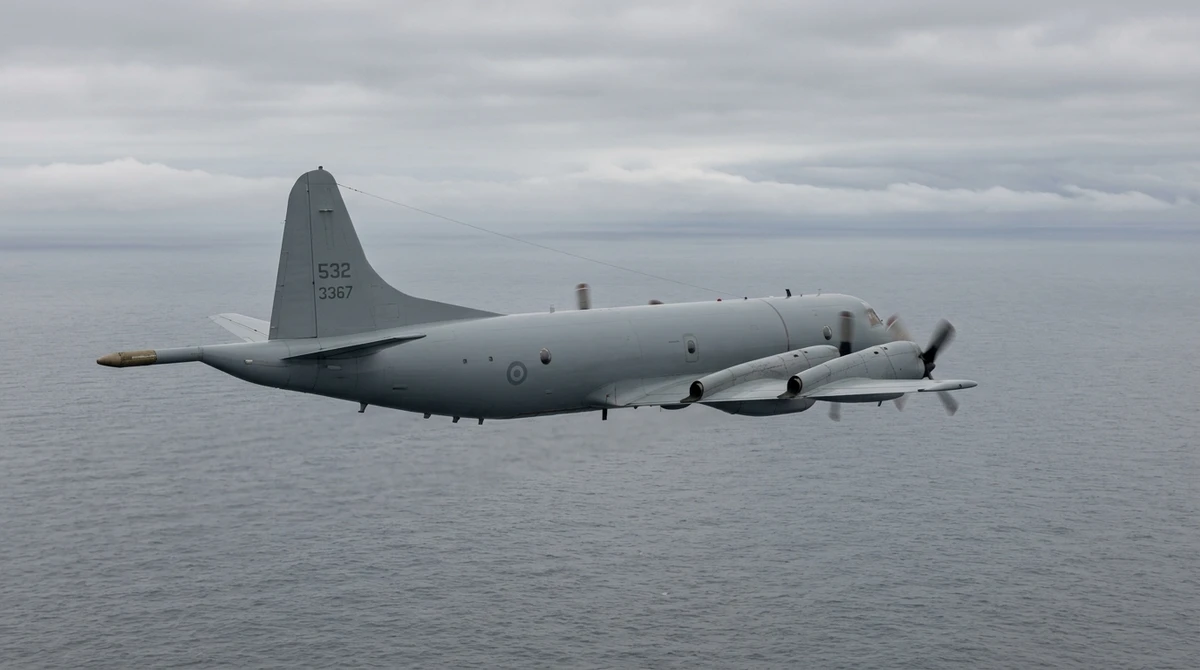
GlobalMilitary.net's inventory data counts 101 P-3 Orions in military service across 12 countries, down from 211 in 16 countries in its 2022 snapshot, as US agencies retire special-mission Orions and Japan draws down the largest remaining fleet.

Northrop Grumman's YFQ-48A Talon Blue Completes First Fully Autonomous Flight at Mojave
Northrop Grumman said on October 3, 2026 that its company-funded YFQ-48A Talon Blue had taxied, taken off, maneuvered and landed without pilot input at Mojave, California, as the US Air Force prepares to select designs for Increment 2 of its Collaborative Combat Aircraft program.
Australia Retires Its Tigers, Leaving Three Operators Among the World's 3,623 Attack Helicopters
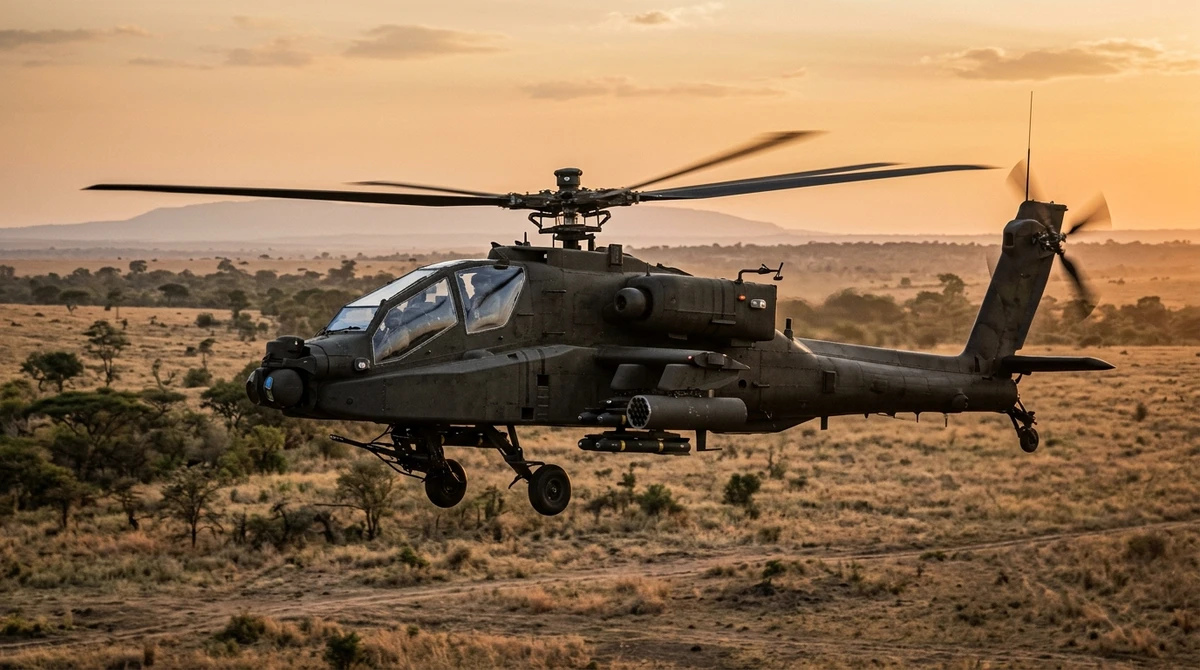
The Australian Army has retired its Tiger attack helicopters, marking the fleet's sundown in Darwin on 30 September and leaving France, Germany and Spain as the only users; GlobalMilitary.net data counts 3,623 active attack helicopters in 81 countries.