Ka-226 Hoodlum-C
Russian light utility helicopter, operational since late 20th century, frequently deployed for medical, policing and aerial work. Key figures: top speed 205 km/h, range 600 km, service ceiling 6,200 m, max takeoff weight 3,450 kg, built 269. In service with 2 air forces as of 2026 — Russia (36), Ukraine (1).
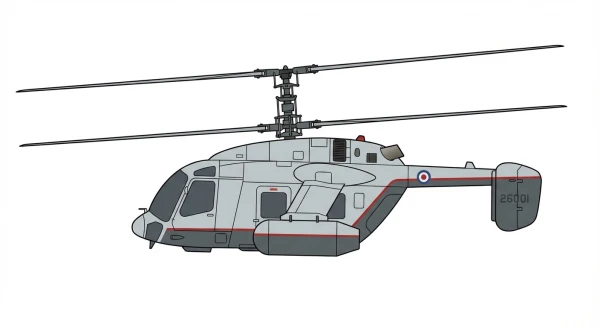
| Crew | 1 |
| Length | 8.1 m (26.6 ft) |
| Wingspan | 13 m (42.7 ft) |
| Height | 4.2 m (13.6 ft) |
| Empty weight | 1,950 kg (4,299 lbs) |
| Max. takeoff weight | 3,450 kg (7,606 lbs) |
| Powerplant | 2 × turboshafts Rolls-Royce 250-C20R2 336 kW each |
| Maximum speed | 205 km/h (127 mph) |
| Operational range | 600 km (373 mi) |
| Service ceiling | 6,200 m (20,341 ft) |
| Climb rate | 5.4 m/s (17.7 ft/s) |


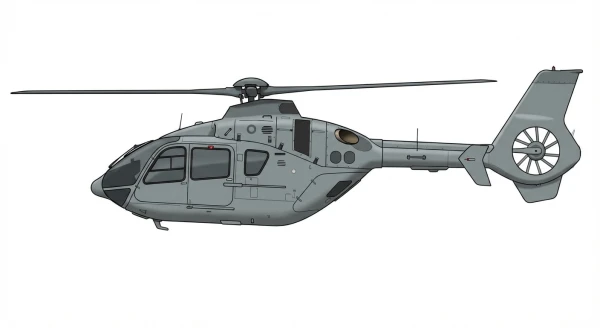
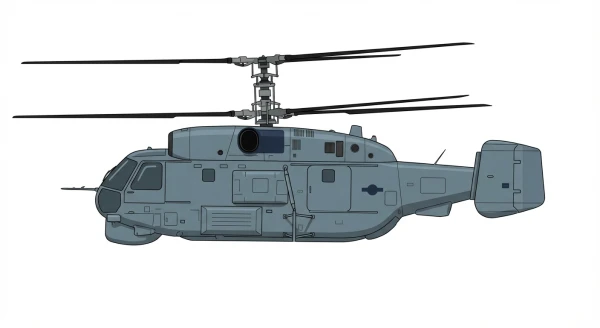
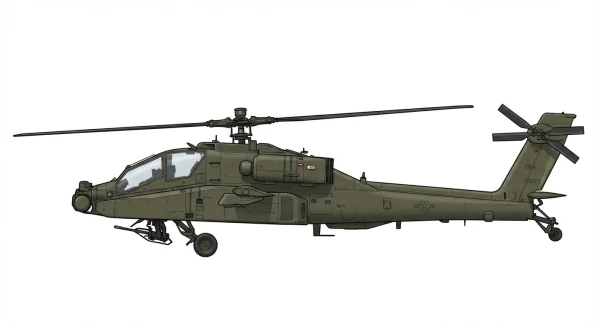
Description
Military aircraft utilized by the Soviet Union and the Commonwealth of Independent States (CIS) are presented, encompassing experimental, prototype, and operational aircraft. This includes indigenous Soviet designs, Soviet-produced copies of foreign designs, and foreign-produced aircraft that were integrated into the military forces of the USSR and its CIS successor states.
The timeframe considered begins with the year an aircraft entered military service. Production quantities provided encompass all variants of the aircraft type produced for the USSR.
Soviet or Russian names and designations are utilized. NATO reporting names are included for reference. The listing includes Fighters, Attack aircraft, Bombers, Reconnaissance aircraft, Maritime patrol aircraft, Airborne early warning and control aircraft, Electronic warfare aircraft, Transport and liaison aircraft, Tankers, Trainers, and Helicopters.
Variants
Main Variants:
-
Fighters: Designed for air-to-air combat and air superiority.
-
Attack: Focused on ground attack, close air support, and battlefield interdiction missions.
-
Bombers: Designed to drop large quantities of explosives on enemy targets.
-
Reconnaissance: Modified or purpose-built for intelligence gathering and surveillance.
-
Trainers: Used for pilot education, conversion, and proficiency training.
Frequently Asked Questions
What type of aircraft is the Ka-226 Hoodlum-C?
What is the maximum speed of the Ka-226 Hoodlum-C?
What is the range of the Ka-226 Hoodlum-C?
When did the Ka-226 Hoodlum-C first fly?
How many Ka-226 Hoodlum-C have been built?
Which countries operate the Ka-226 Hoodlum-C?
What is the service ceiling of the Ka-226 Hoodlum-C?
- AUG 52026 Updated Powerplant updated in a site-wide editorial pass
- APR 72026 Updated Sources and cross-references refreshed
- FEB 72026 Updated Ka-226 Hoodlum-C: range added; Ka-226 Hoodlum-C: wingspan added