Cuban Revolutionary Air Force
Key facts
| Official Name | Cuban Revolutionary Air Force |
| Local Name | Defensa Anti-Aérea y Fuerza Aérea Revolucionaria |
| Country | 🇨🇺 Cuba |
| World rank | #94 |
| Active aircraft | 40 as of 2026 |
| Aircraft on order | 0 |
| Roundel |
|

Global Air Force Index
| 💥 Strategic Bombers | 0 | Nuclear-capable strike aircraft (highest weight) |
| ✈️ Combat Aircraft | 16 | Fighters, multirole & attack aircraft |
| 🚁 Helicopters | 13 | Attack, transport & utility rotorcraft |
| 🛫 Transport | 7 | Strategic & tactical airlift |
| 📊 Total Active | 40 | All aircraft types |
Methodology: Square root scaled index weighted by aircraft combat capability. Strategic bombers score highest due to nuclear strike capability.
Aircraft by type in 2026
| Aircraft type | Active | |
|---|---|---|
 Combat
|
16 | |
 Helicopter
|
13 | |
 Transport
|
7 | |
 Training
|
4 | |
Origin countries of aircraft
| Country | Active Aircraft | |
|---|---|---|
| 🇨🇳 Ex-USSR | 34 | |
| 🇨🇿 Czech Republic | 4 | |
| 🇺🇦 Ukraine | 2 | |
Evolution of Cuban Air Force fleet
Overview
The Cuban Revolutionary Air and Air Defense Force (DAAFAR) is a shadow of its former self, having transitioned from one of Latin America's most potent air arms during the Cold War to a force with minimal operational capability today. The collapse of the Soviet Union eliminated Cuba's primary source of economic and military support, leading to a drastic and sustained decline in the serviceability and readiness of its aircraft. The force's structure remains, but its combat squadrons are severely depleted.
DAAFAR's operational capabilities have atrophied significantly due to the grounding of most of its combat aircraft. Of the fleets of MiG-21, MiG-23, and MiG-29 fighters acquired from the Soviet Union, only a small number remain theoretically operational. Reports suggest as few as three MiG-29s are in service, with a similarly small fraction of the once numerous MiG-21s being airworthy. The MiG-23 fleet is likely no longer in operation. Due to fuel and maintenance constraints, pilot proficiency is a significant concern. While top pilots for the remaining MiG-29s may fly 200-250 hours annually, others rely heavily on simulators to maintain basic skills. The transport and helicopter fleets, composed mainly of aging An-series aircraft and Mi-8/17/24 helicopters, face similar readiness challenges.
Consequently, Cuba's strategic doctrine has shifted from regional power projection to a purely defensive posture focused on territorial air defense. Unable to maintain a credible fighter deterrent, DAAFAR has prioritized ground-based air defense systems. This is evidenced by the most significant recent modernization effort: the upgrading of Soviet-era S-125 Pechora surface-to-air missile (SAM) systems. With technical assistance from Belarus, Cuba is converting these static SAM batteries into the mobile Pechora-2BM variant by mounting them on T-55 tank chassis. This modernization, confirmed in May 2025, includes new electronics, improved radar guidance, and an extended service life for the missiles, allowing them to engage low-flying aircraft as well as some surface targets.
Full inventory in 2026
Cuban Revolutionary Air and Air Defense Force
| Aircraft Type | Model | Origin Country | Model Year | Active | 𝚫 YoY | Ordered | ||
|---|---|---|---|---|---|---|---|---|
| Combat |
MiG-21 | 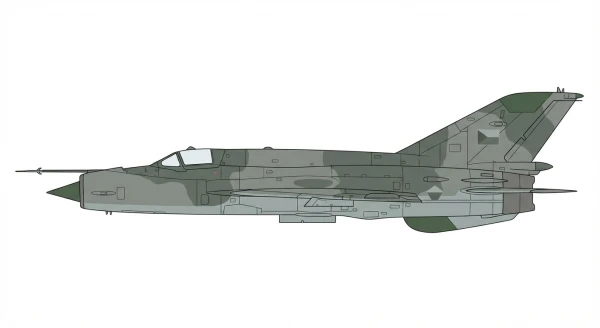 |
🇨🇳 | 1958 | 11 | 0 |
0 |
|
| Combat |
MiG-29 | 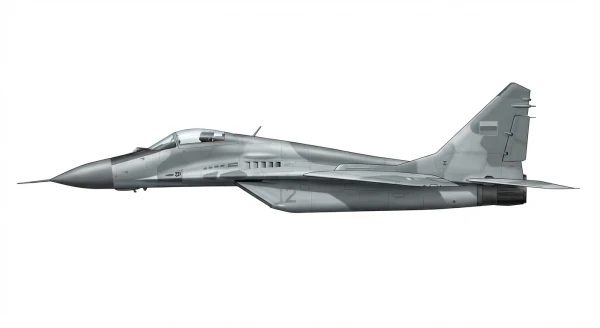 |
🇨🇳 | 1983 | 5 | +2 |
0 |
|
| Helicopter |
Mil Mi-17 | 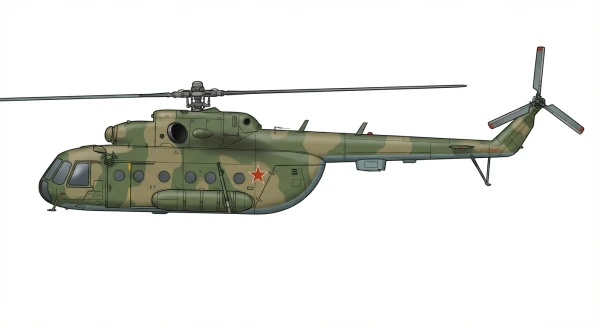 |
🇨🇳 | 1977 | 7 | +7 |
0 |
|
| Helicopter |
Mil Mi-24 | 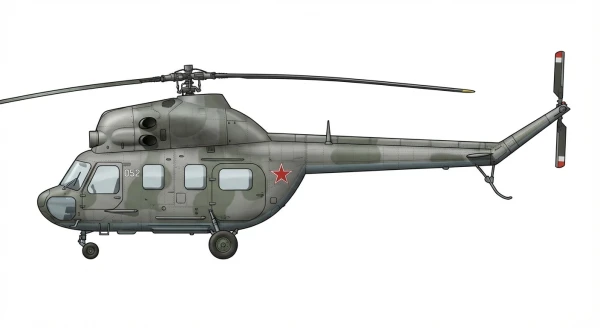 |
🇨🇳 | 1965 | 4 | +4 |
0 |
|
| Helicopter |
Mil Mi-8 | 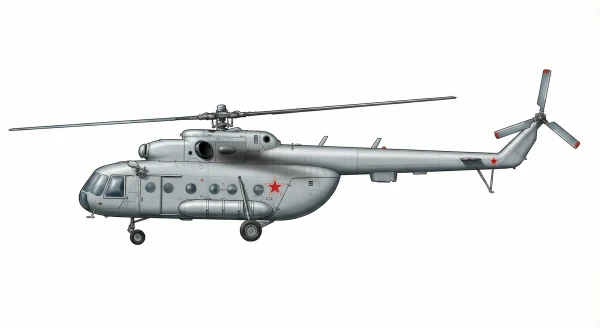 |
🇨🇳 | 1967 | 2 | +2 |
0 |
|
| Transport |
Antonov An-26 | 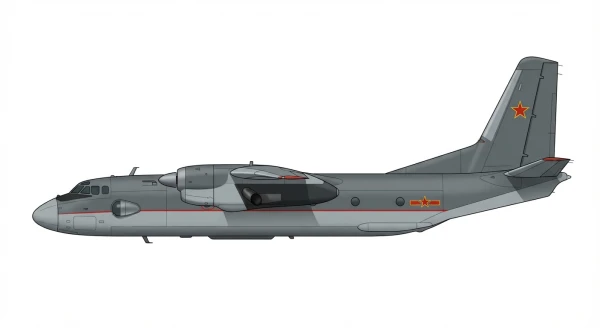 |
🇨🇳 | 1969 | 3 | +3 |
0 |
|
| Transport |
Ilyushin Il-76 | 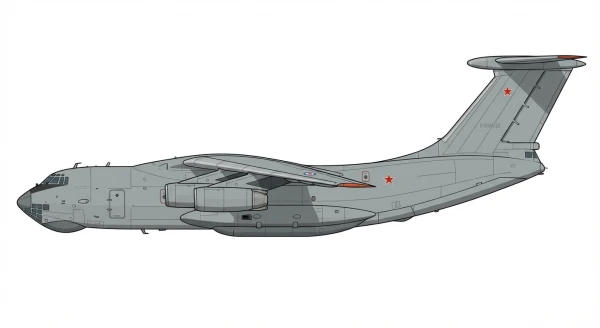 |
🇨🇳 | 1974 | 2 | +2 |
0 |
|
| Transport |
Antonov An-30 | 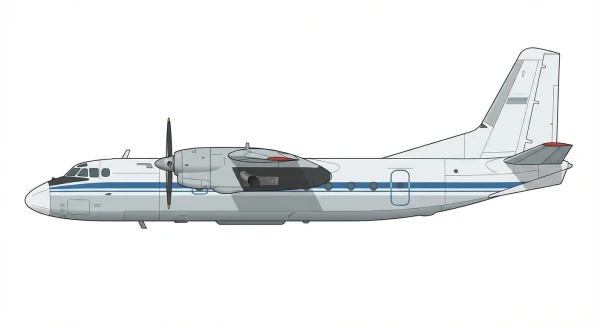 |
🇺🇦 | 1968 | 1 | +1 |
0 |
|
| Transport |
Antonov An-24 | 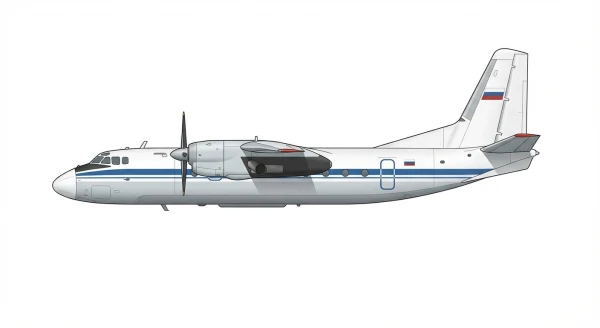 |
🇺🇦 | 1962 | 1 | +1 |
0 |
|
| Training |
Aero L-39 | 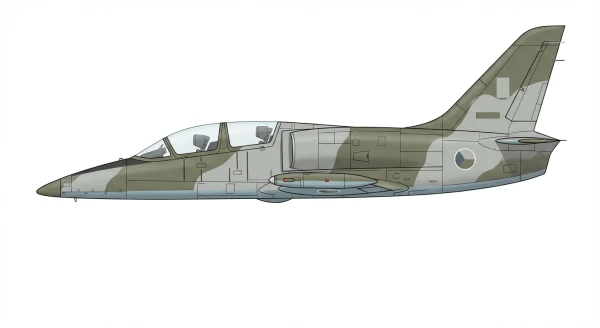 |
🇨🇿 | 1972 | 3 | +3 |
0 |
|
| Training |
Zlín Z 42 | 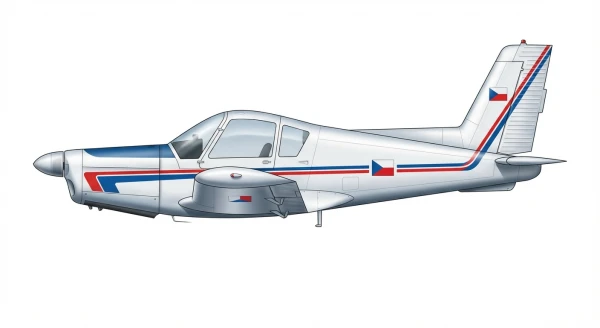 |
🇨🇿 | 1970 | 1 | +1 |
0 |
Frequently Asked Questions
How many aircraft does Cuba have?
How does Cuba's air force rank globally?
How many combat aircraft does Cuba operate?
How many military helicopters does Cuba have?
What is the Air Force Index of Cuba?
Where does Cuba get its military aircraft from?
Last updated on 26 January 2026. Suggest a change