Lebanon Army
The Lebanese Army fields 3,806 active armoured vehicles and artillery systems in 2026 — 302 main battle tanks, 48 infantry fighting vehicles, 1,400 armoured personnel carriers, 55 light armoured vehicles, 1,646 protected mobility vehicles, 12 self-propelled guns, 332 towed artillery pieces, 11 rocket launchers. It ranks #67 of 90 armies on the ARMS Index.
Full inventory in 2026
25 equipment types| Equipment | Variant | Active | Stored | Ordered | |
|---|---|---|---|---|---|
| Main Battle Tank | |||||
|
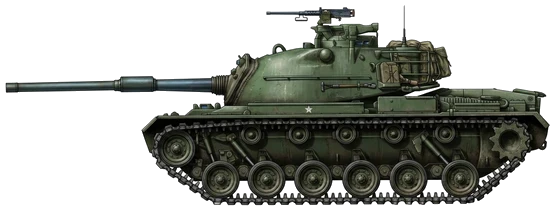
M48A5 Patton | — | 60 | — | — |
|
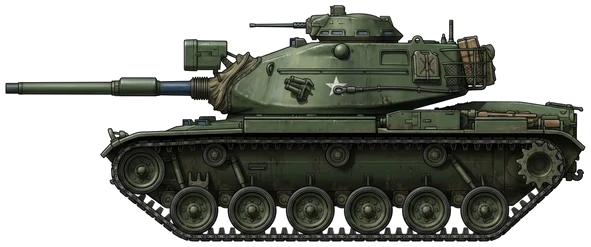
M60A3 Patton | TTS/IFCS | 10 | — | — |
|
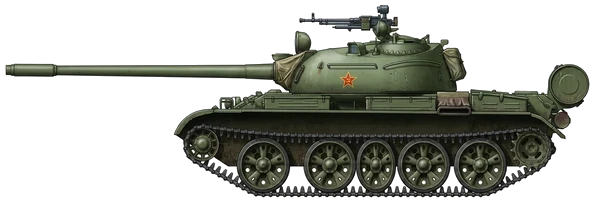
T-54 | T-54A/T-54B/T-54-2/T-54-3 | 185 | — | — |
|
|
T-55 | T-55A/T-55AM | 47 | — | — |
| Infantry Fighting Vehicle | |||||
|
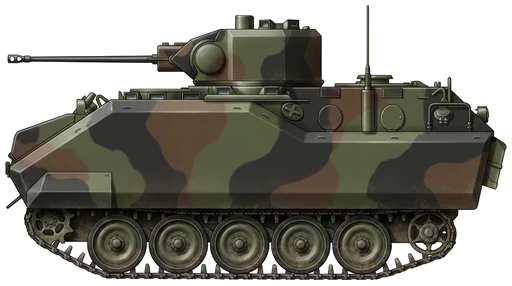
AIFV | AIFV-B-C25 | 16 | — | — |
|
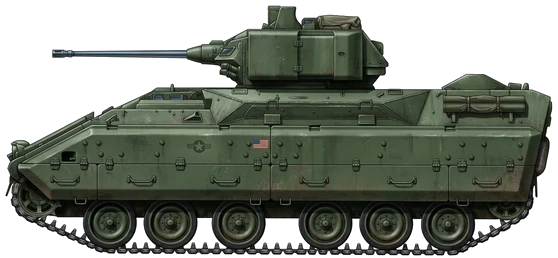
M2A2 Bradley | M2A2 ODS | 32 | — | — |
| Armored Personnel Carrier | |||||
|
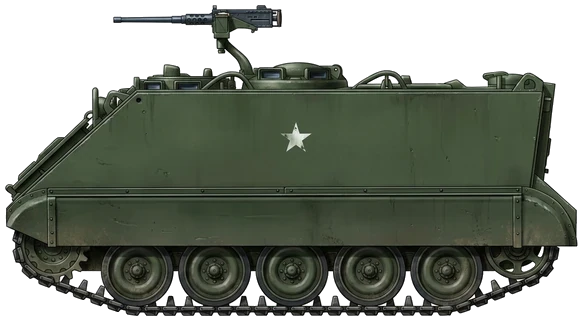
M113 | M113A1/A2/A3 | 1,300 | — | — |
| TM-170 Barracuda | — | 10 | — | — | |
|
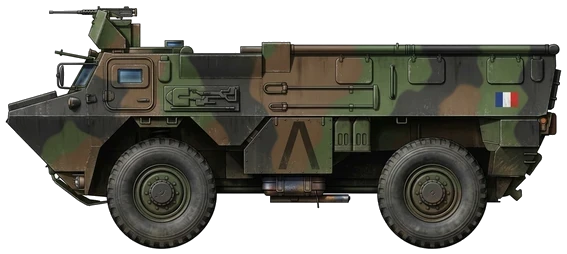
VAB | VTT | 90 | — | — |
| Light Armoured Vehicle | |||||
|
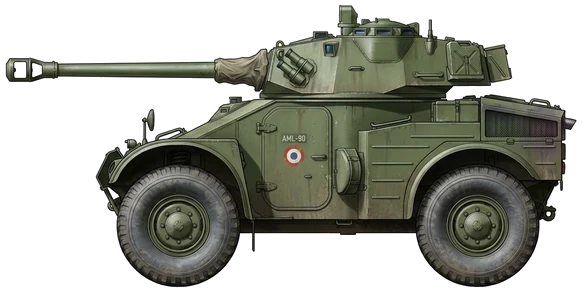
Panhard AML | AML-90 | 55 | — | — |
| Protected Mobility Vehicle | |||||
|
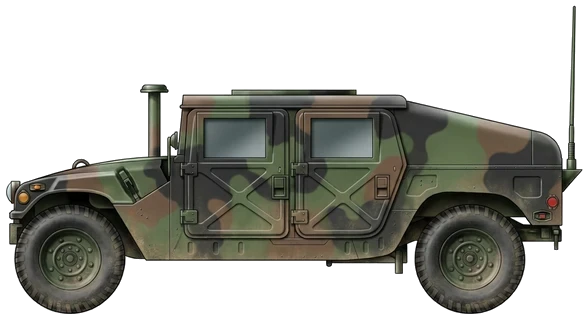
Humvee | M1151/M1165A1 up-armoured | 246 | — | — |
|
|
Humvee | M998/M1025/M1043/M1044/M1152 and others | 1,300 | — | — |
| Land Rover RWMIK | RWMIK+ | 100 | — | — | |
| Self-Propelled Artillery | |||||
|
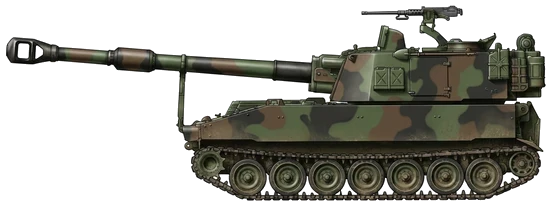
M109 | M109A3 | 12 | — | — |
| Towed Artillery | |||||
|
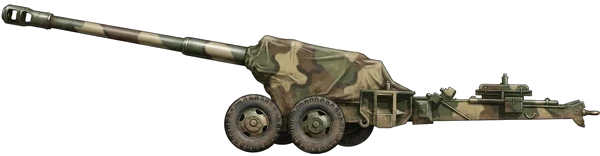
2A36 Giatsint-B | — | 6 | — | — |
|
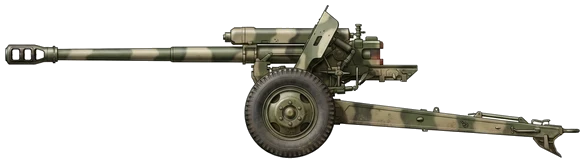
D-30 | — | 9 | — | — |
|
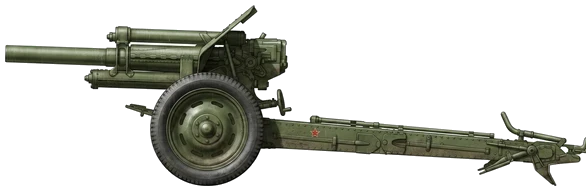
M-30 | — | 26 | — | — |
|
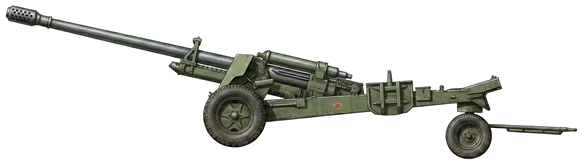
M-46 | — | 15 | — | — |
|
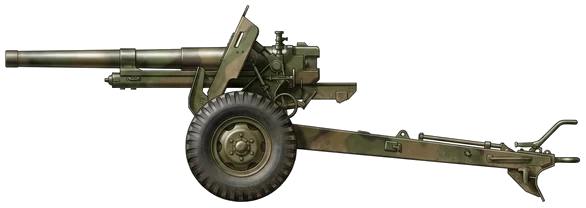
M101 | M101A1 | 15 | — | — |
| M102 | — | 10 | — | — | |
|
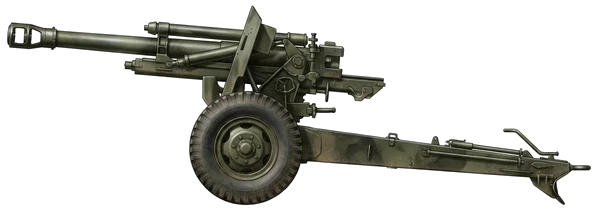
M114 | M114A1 | 18 | — | — |
|
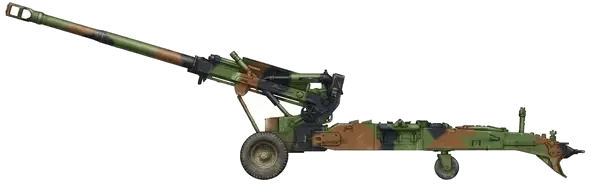
M198 | — | 219 | — | — |
| Model 50 | — | 14 | — | — | |
| Multiple Launch Rocket System | |||||
| BM-11 | 122mm, on M35A2 truck | 5 | — | — | |
|
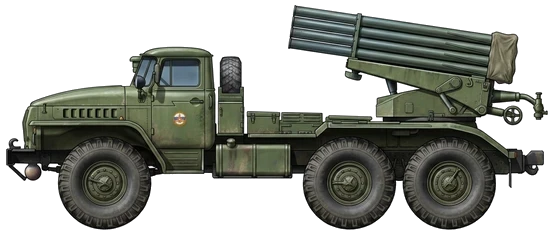
BM-21 Grad | 2B26 Grad-K | 6 | — | — |
Overview
The Lebanese Army is the land component of the Lebanese Armed Forces (LAF) and makes up the great majority of its personnel. Army Command and the Ministry of Defense are at Yarzeh, east of Beirut. Five regional commands cover Beirut, Mount Lebanon, the North, the Bekaa and the South. The line units are eleven numbered infantry brigades, five mechanized and six light, supported by six intervention regiments, two artillery regiments, the Republican Guard Brigade and the Logistics Brigade. Four Land Border Regiments hold the frontier with Syria from fortified observation towers built with British funding. The Commando Regiment (Maghaweer) and the Airborne Regiment are the army's special forces, and the Directorate of Intelligence runs the Counter-Sabotage Regiment.
Armored units operate M60A3 and M48A5 main battle tanks alongside older T-54s and T-55s. The M113 family is the most common armored vehicle. The mechanized force also includes M2A2 Bradley infantry fighting vehicles supplied by the United States, AIFV tracked vehicles, VAB wheeled APCs and AML-90 armored cars, while intervention and border units rely on large Humvee fleets. The artillery fields M109A3 self-propelled howitzers, towed M198, M114 and M101 howitzers, Soviet-designed D-30, M-30, M-46 and 2A36 guns, and BM-21 Grad rocket launchers. Anti-armor teams use TOW, Milan and Kornet missiles, and air defense relies on ZU-23-2 guns.
The army's missions are border security, counterterrorism, internal security and deployment in the south alongside UNIFIL. Its combat record includes the 2007 Nahr al-Bared campaign against Fatah al-Islam and Operation Fajr al-Joroud against the Islamic State around Ras Baalbek and Al-Qaa in 2017. After the November 2024 ceasefire between Israel and Hezbollah, the army recruited additional soldiers and reinforced the area south of the Litani River, taking over positions, tunnels and weapons depots under a US-chaired monitoring mechanism, and lost soldiers in explosions while clearing munitions sites. It also reinforced the border near Hermel after clashes between local clans and Syrian forces, and took over heavy weapons handed in from Palestinian refugee camps. In September 2025 the cabinet adopted the army's five-phase Homeland Shield plan for a state monopoly on weapons, and in January 2026 the army declared the first phase, south of the Litani, complete. When fighting between Israel and Hezbollah resumed in March 2026, the army pulled back from exposed border positions as Israeli ground forces advanced, and more than two dozen soldiers were killed. After the April ceasefire and a US-brokered framework agreement in June, it began redeploying in July 2026 to areas handed back by Israel. UNIFIL's mandate ends on 31 December 2026, and the peacekeepers withdraw within the following year.
Lebanon has no domestic arms industry, and the army depends on foreign financing and donations. The United States is the main supplier of vehicles, artillery, ammunition and training, and released a further aid package in 2025. The United Kingdom supports the Land Border Regiments, Qatar has funded salaries, fuel and vehicles, and France, the European Union and other Gulf states provide equipment and budget support through Lebanon's financial crisis.
Frequently Asked Questions
How many armoured vehicles does Lebanon have?
How many tanks does Lebanon have?
How much artillery does Lebanon have?
How does Lebanon's army rank globally?
How many active soldiers does Lebanon have?
- SEP 252026 Updated Army overview added: organisation, equipment, operations and modernisation
- SEP 232026 Updated Army inventory added: M113 and VAB carriers, M48A5 and T-55 tanks, Bradley IFVs, M198 howitzers and more.