Military Strength: 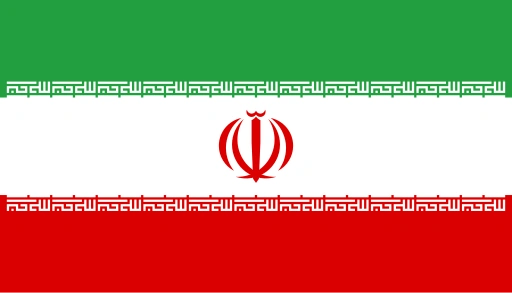 Iran vs
 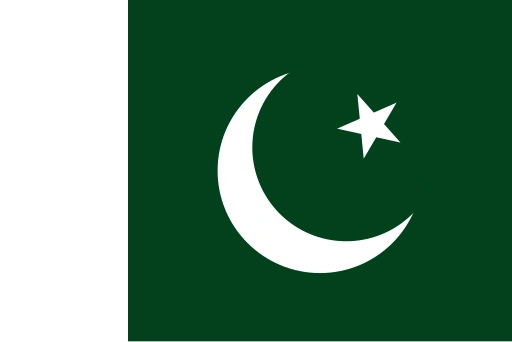 Pakistan
Pakistan (ranked #9 globally) holds a stronger overall military position than Iran (#26) on the ATLAS Index. Iran fields 610,000 active troops vs 660,000 for Pakistan, backed by 550,000 reserves and 291,000 paramilitary. Iran allocates $9.5B to defense compared to $9.3B for Pakistan.
| Iran | Pakistan | Ratio | |
|---|---|---|---|
| Defense budget | $9.5B | $9.3B | 🇮🇷 ≈ |
| – share of GDP | 2.0% | 2.5% | 🇵🇰 1.2× |
| Active personnel | 610,000 | 660,000 | 🇵🇰 1.1× |
| Combat aircraft | 255 | 485 | 🇵🇰 1.9× |
| Warships | 77 | 88 | 🇵🇰 1.1× |
| – submarines | 2 | 6 | 🇵🇰 3.0× |
| Main battle tanks | 1,513 | 2,704 | 🇵🇰 1.8× |
| Nuclear warheads | 0 | 170 | 🇵🇰 |
Show full breakdown · 11 more rowsHide the 11 extra rows
| Reserve troops | 350,000 | 550,000 | 🇵🇰 1.6× |
| Paramilitary forces | 40,000 | 291,000 | 🇵🇰 7.3× |
| Military aircraft (all types) | 666 | 1,542 | 🇵🇰 2.3× |
| – helicopters | 168 | 360 | 🇵🇰 2.1× |
| Budget share of govt spending | — | — | — |
| Budget per capita | $103 | $36 | 🇮🇷 2.8× |
| Population | 92.4M | 255.2M | 🇵🇰 2.8× |
| GDP | $363B | $407B | 🇵🇰 1.1× |
| GDP per capita | $3,924 | $1,596 | 🇮🇷 2.5× |
| Land area | 1,531,595 km² | 856,690 km² | 🇮🇷 1.8× |
| Coastline | 2,440 km | 1,046 km | 🇮🇷 2.3× |
Analyst Assessment
Trigger: Following a deadly cross-border attack by militants in Sistan-Baluchestan, IRGC forces launch "hot pursuit" drone strikes deep into Pakistani territory, hitting a Frontier Corps depot. Day 1-2: Pakistan invokes its air defense ADIZ. PAF J-10Cs intercept and shoot down Iranian Mohajer-6 drones. Artillery duels erupt along the 900km border. Iran fires a salvo of Fateh-110 ballistic missiles at Pakistani airbases near Quetta. Day 3-5: The PAF launches Operation Swift Retort II. Utilizing ZDK-03 AEW&C for battlespace management, JF-17s conduct standoff precision strikes on Iranian missile batteries using Ra'ad cruise missiles. Iranian Su-35s attempt to intercept but are outmaneuvered by BVR-equipped Pakistani fighters. Day 6-7: Pakistan Army mobilizes strike corps near the border but signals restraint. Iran, realizing its conventional air defense (Bavar-373) is degraded and facing implied nuclear signaling from Islamabad, agrees to third-party mediation via Beijing. Outcome: A tactical Pakistani victory driven by superior air-to-air integration; status quo ante bellum restored. ☢️ Nuclear Threshold: Pakistan’s active nuclear triad provides an absolute escalation ceiling. Iran cannot push a conventional conflict to an existential level without risking total annihilation, a deterrent Iran currently cannot match. 🦅 Proxy Activation: The IRGC maintains influence over Shia populations and militant groups regionally. In a conflict, Iran could attempt to ignite sectarian violence within Pakistan’s major cities, bypassing conventional military defenses to destabilize the state internally. 💻 Cyber & Drone Swarms: While Pakistan leads in conventional air power, Iran leads in cheap, mass-producible loitering munitions (Shahed series). A saturation attack on Pakistani refineries or power grids could inflict economic damage disproportionate to military strength. Pakistan holds a definitive conventional advantage due to a modernized air force, a coherent chain of command, and a functional nuclear deterrent. Iran’s strength lies in asymmetric attrition, but it lacks the conventional capacity to win a force-on-force engagement.