A-7 Corsair II Turns 60: Vought's Carrier Attack Jet First Flew on September 26, 1965
Sixty years after the Vought A-7 Corsair II prototype first flew on September 26, 1965, the single-engine light attack aircraft that served US carrier decks from the Vietnam War to the 1991 Gulf War marks its anniversary this week.
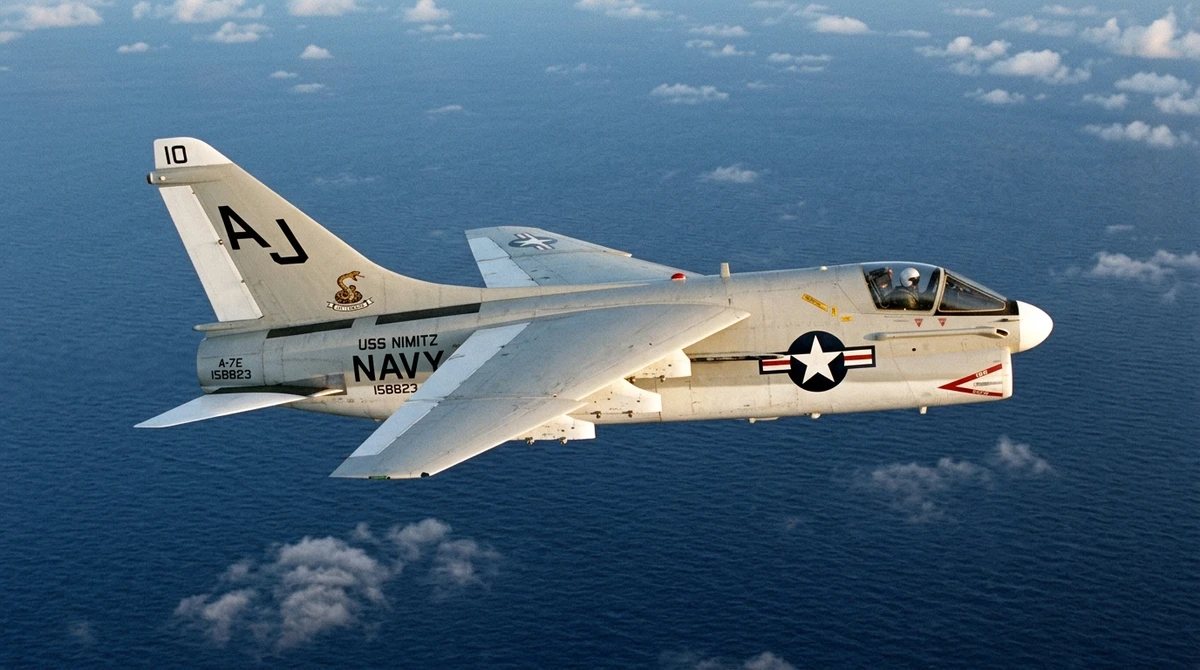
The A-7 Corsair II, the single-engine light attack aircraft that flew from US Navy carrier decks from the Vietnam War to the 1991 Gulf War, marks the 60th anniversary of its first flight this week. The Vought prototype took to the air on September 26, 1965, according to the aircraft's development history as recorded by Wikipedia.
Development moved quickly by the standards of the period. The type entered US Navy service in 1967 as a carrier-based light attack aircraft, and the US Air Force adopted its own land-based version, the A-7D, from 1968. The definitive naval variant, the A-7E, first flew on November 25, 1968, according to Wikipedia.
Production ran from 1965 to 1984 and totaled 1,545 airframes, according to GlobalMilitary.net's own database, making the Corsair II one of the more numerous tactical jets of its generation on either side of the Atlantic.
The aircraft's appearance was unmistakable. A short, blunt nose sat ahead of a large chin intake feeding a single turbofan engine: the Pratt & Whitney TF30 on the early Navy variants, and the TF41, a Rolls-Royce design built under license by Allison, on the Air Force and export variants, according to Wikipedia. The proportions earned the type an affectionate nickname among its crews, SLUF, for Short Little Ugly Fella.
What the airframe lacked in elegance it made up for in utility. The Corsair II was known for a strong load-carrying capacity relative to its size and for its bombing accuracy, qualities that suited the light attack role it was designed for. As a subsonic aircraft it was never intended to fight for air superiority; its purpose was to carry ordnance to a target and deliver it precisely, and by the accounts compiled on Wikipedia it did so across more than two decades of operations.
The combat record began in the Vietnam War in 1967, the same year the type reached the fleet, and closed with the 1991 Gulf War, where the Corsair II flew with both the US Navy and the Air National Guard. Between those two conflicts it served as a workhorse of American naval and land-based attack aviation, according to Wikipedia.
The type also found customers abroad. Greece and Portugal were among the last operators of the Corsair II, keeping it in service into the 2010s before retiring their fleets around 2014 and 2015, according to Wikipedia. Those retirements brought to a close a service life that had begun almost half a century earlier on the US Navy's carrier decks.
Sixty years on, the Corsair II occupies a distinct place in the history of naval aviation. It belongs to a period when the US Navy fielded dedicated light attack aircraft alongside its fighters, a division of labor that later gave way to multirole types able to do both jobs. The stub-nosed jet that first flew on September 26, 1965 was, in that sense, among the last of its kind: an aircraft built for one mission and, by the standards of its era, very good at it.
More News
All news →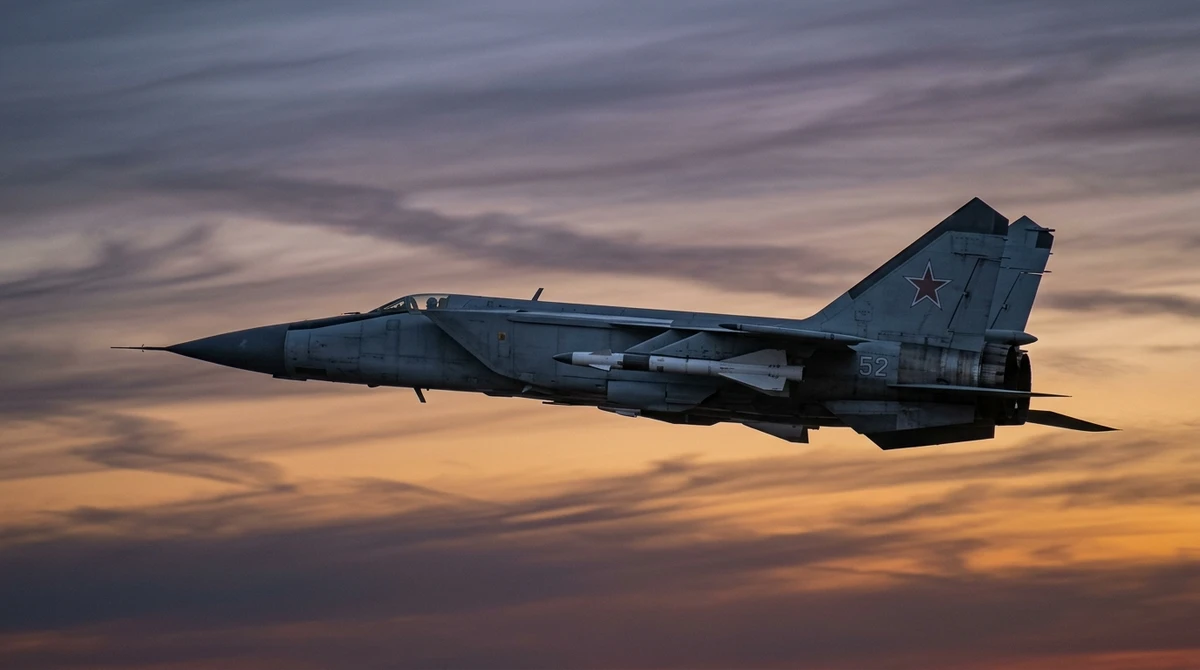
MiG-25 Defection at 50: A Soviet Pilot's Landing in Japan Exposed the Foxbat's Limits
This Sunday marks 50 years since a Soviet Air Defense Forces lieutenant flew a MiG-25P interceptor from Chuguyevka Air Base to Hakodate Airport in Hokkaido on 6 September 1976, giving the United States and Japan their first close look at the fastest combat aircraft in the Soviet inventory.
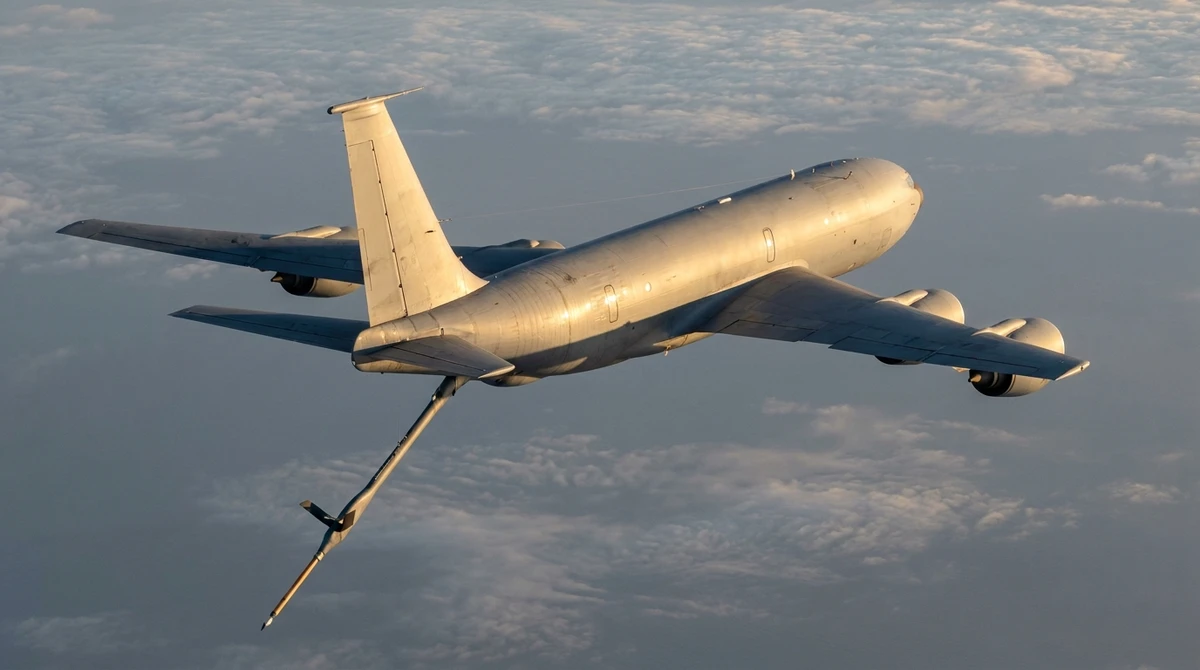
Seventy Years After Its First Flight, the KC-135 Is Still More Than Half the World's Tankers
The first Boeing KC-135A flew on August 31, 1956. Seventy years on, 385 Stratotankers remain in service with three air forces, 52 percent of the world's 740 dedicated tankers, and 2026 has already cost the fleet two airframes and damaged eight more.
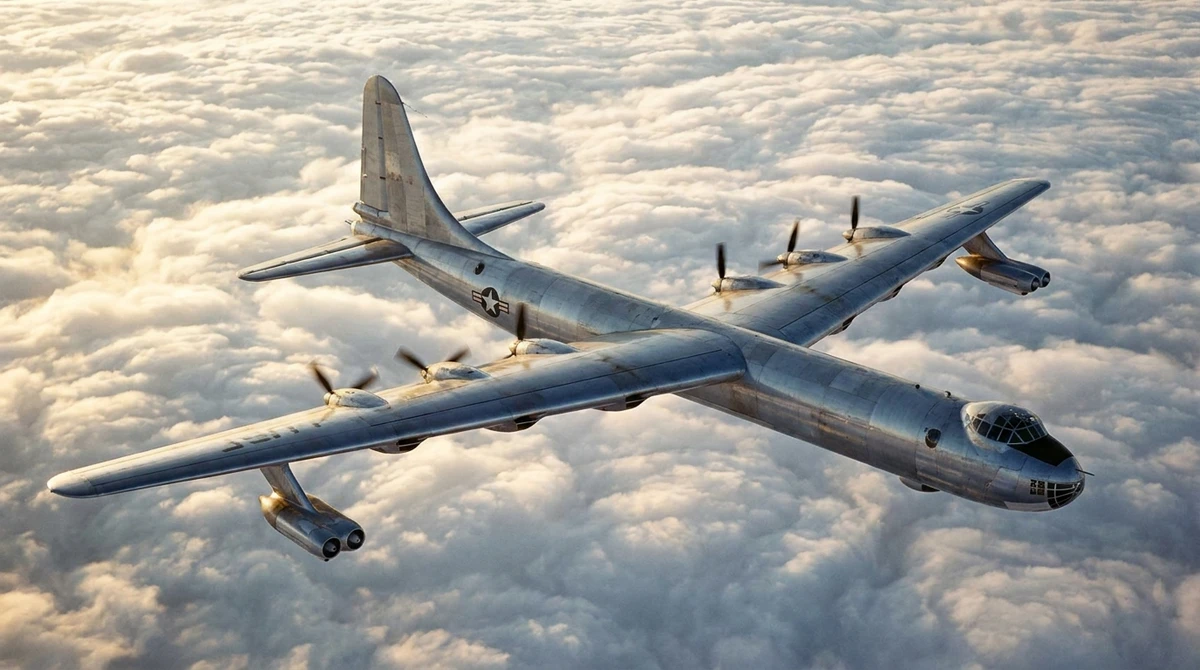
B-36 Peacemaker Turns 80: No Combat Aircraft Since Has Matched Its 70-Meter Wingspan
The Convair XB-36 made its first flight at Fort Worth on August 8, 1946. Eight decades on, the ten-engined Peacemaker still holds the longest wingspan of any combat aircraft ever built: 70 meters, 14 more than the B-52 that replaced it and 30 more than the incoming B-21 Raider.
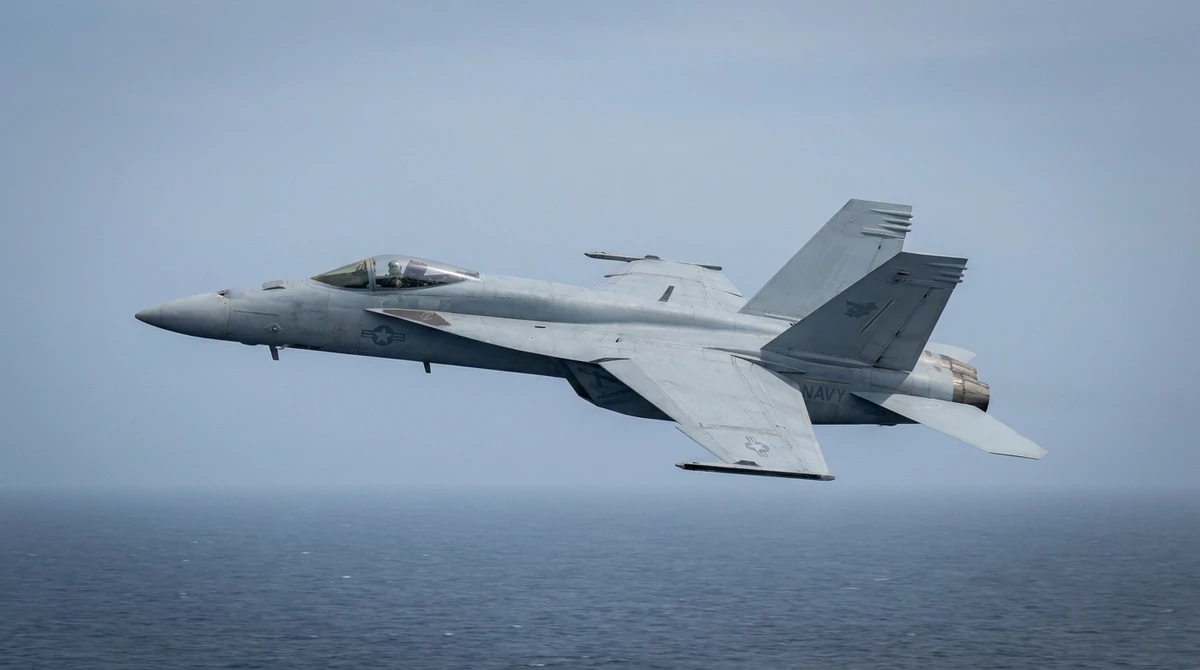
F/A-18E/F Super Hornet Marks 25 Years of US Navy Service as Production Nears Its End
A quarter-century after VFA-115 declared the type operational in September 2001, the Boeing F/A-18E/F Super Hornet remains the backbone of US carrier air wings even as the last new-build airframes approach delivery.
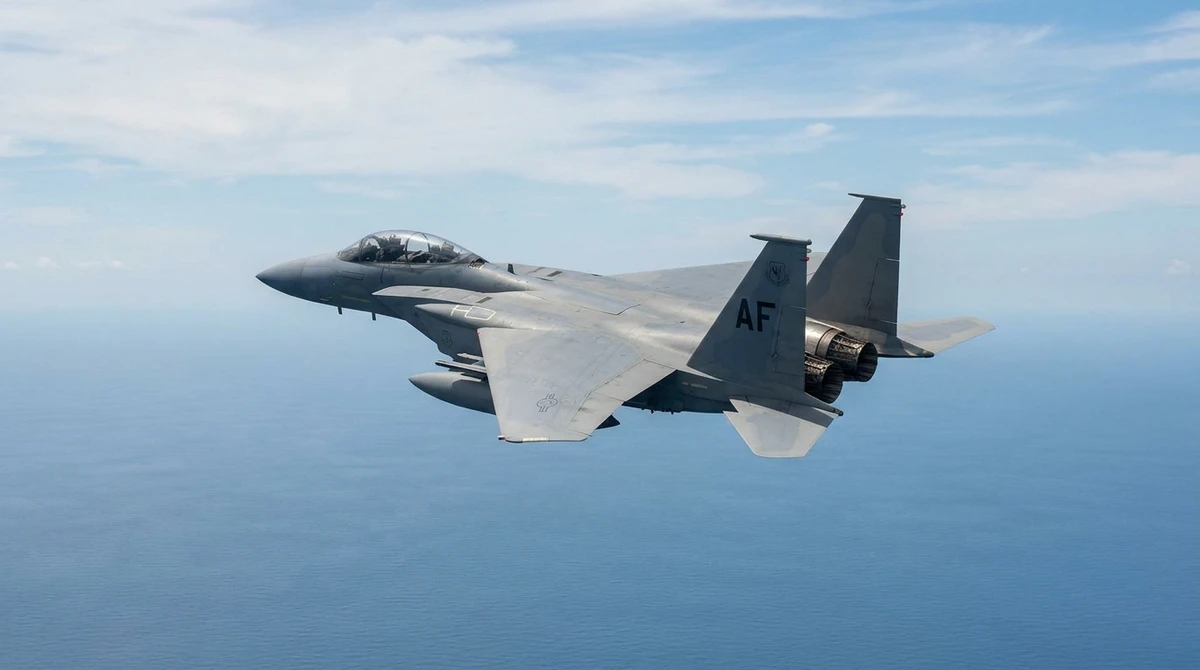
F-15 Eagle Marks 50 Years in US Air Force Service as F-15EX Production Ramps Up
Fifty years after the first operational F-15A arrived at Langley Air Force Base on January 9, 1976, the Eagle remains in frontline service with six air forces and in production as the F-15EX Eagle II.