Hawk Jet Trainer at 50: RAF Launches Replacement Program as US Navy Moves to Replace T-45 Goshawk
Fifty years after the Hawk entered Royal Air Force service in late 1976, the UK Ministry of Defence has opened a Jet Training System program to replace it and the US Navy is in source selection for a successor to its Hawk-derived T-45 Goshawk, with an award intended for fiscal 2027.
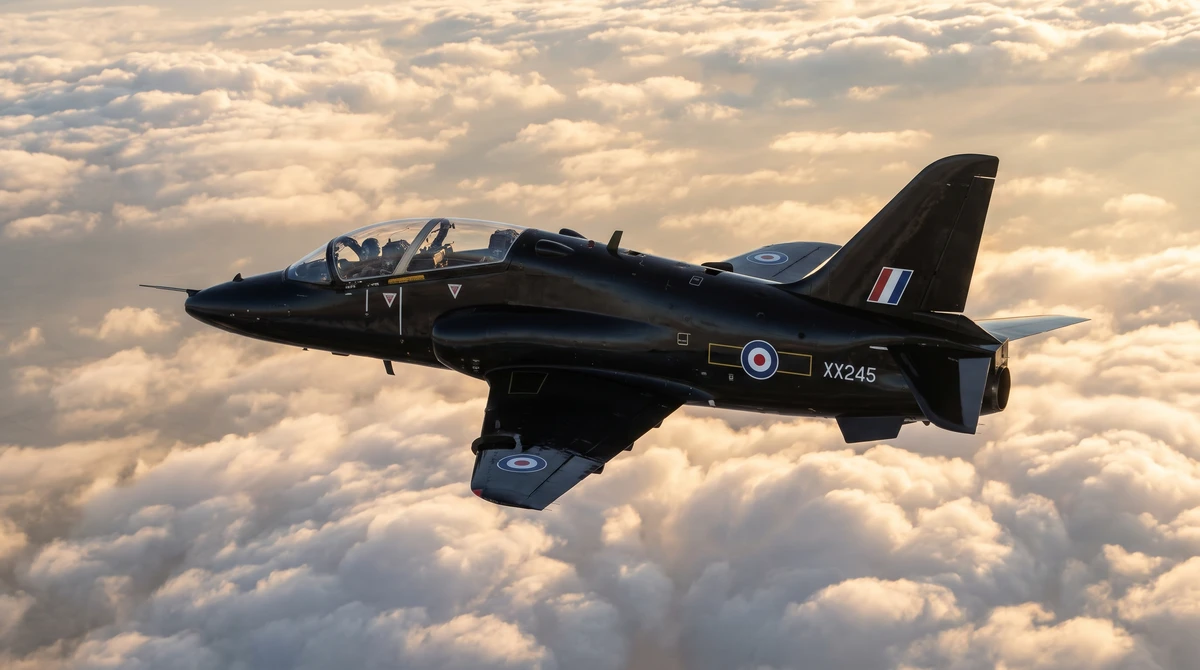
Fifty years after the Hawk entered Royal Air Force service in late 1976, both of the jet trainer's largest Western users are choosing what comes next. The United Kingdom has launched a program to replace its Hawk T2 fleet and the Red Arrows' Hawk T1, the Ministry of Defence said in written answers to Parliament, while the US Navy is in source selection for a successor to the Hawk-derived T-45 Goshawk, Breaking Defense reported on November 3.
Designed by Hawker Siddeley, the Hawk first flew as a prototype on August 21, 1974, and replaced the Folland Gnat and the Hawker Hunter in the RAF's advanced and weapons training roles. BAE Systems describes a global fleet of 650 aircraft in service in 16 countries and lists the type as remaining in service until the 2050s.
The Ministry of Defence told Parliament on July 10 that £860 million is being spent "to maintain the safe operation of the Hawk T1 and Hawk T2 until the arrival of the Jet Training System". That system, the MoD said in the same answer, will replace a Hawk T2 that "does not meet future training demands", ahead of the UK Military Flying Training System replacement due in 2033, and can also replace the Red Arrows' Hawk T1, due out of service in March 2030.
In a further answer on September 8, the MoD said the Defence Investment Plan 2026 had launched a program "to introduce a modernised fast-Jet Training System, which will also allow the Red Arrows display team to replace their ageing Hawk aircraft, with a significant UK workshare", with market engagement including a Request for Information for the Jet Training System published on August 6, which GlobalMilitary.net reported in August. In a separate answer the same day, the MoD said nine Hawks, three T1, four T1A and two T1W, had been withdrawn from service since 2024, with the airframes kept by QinetiQ for testing, scrapped, allocated to the RAF Museum at Cosford, kept as a gate guardian at RAF Waddington or used as training aids.
In the United States, the T-45 Goshawk, which entered Navy service in the early 1990s and trains Navy and Marine Corps jet aviators for carrier aviation, is to be succeeded through the Undergraduate Jet Training System (UJTS). Breaking Defense reported on November 3 that Sierra Nevada Corporation had withdrawn from the competition, saying it "could not responsibly bid the UJTS program under the current contract structure", leaving Textron Aviation Defense as the only known major competitor after Boeing and Lockheed Martin had earlier left the field. The program office told Breaking Defense that "the Government is in source selection with the intent to award the UJTS procurement in 4QFY27", which the outlet said places the award between July and the end of September 2027, after earlier targets of March and June 2027.
GlobalMilitary.net's inventories count 433 Hawks active with 14 air forces. India's air force operates the largest Hawk fleet, with 119 aircraft, followed by Saudi Arabia (81), the United Kingdom (45), Australia (33), Finland (31), Indonesia (28), South Africa (22), Oman (21), Malaysia (16), the United Arab Emirates (12), Qatar (9), Bahrain (6), Kuwait (6) and Zimbabwe (4). The US Navy fields 188 T-45 Goshawks, while the US Air Force's T-7 Red Hawk stands at three active with 349 on order. These are GlobalMilitary.net inventory counts; BAE Systems' 650 aircraft and 16 countries are the manufacturer's figures, and each is reported here as given by its source.
The RAF's advanced fast-jet training continues on the Hawk T2 at RAF Valley, and the Red Arrows continue to fly the Hawk T1. Three dates now frame the next decade: the UJTS award the US Navy intends for the fourth quarter of fiscal 2027, the Red Arrows' Hawk T1 out-of-service date of March 2030 and the UK Military Flying Training System replacement due in 2033.
More News
All news →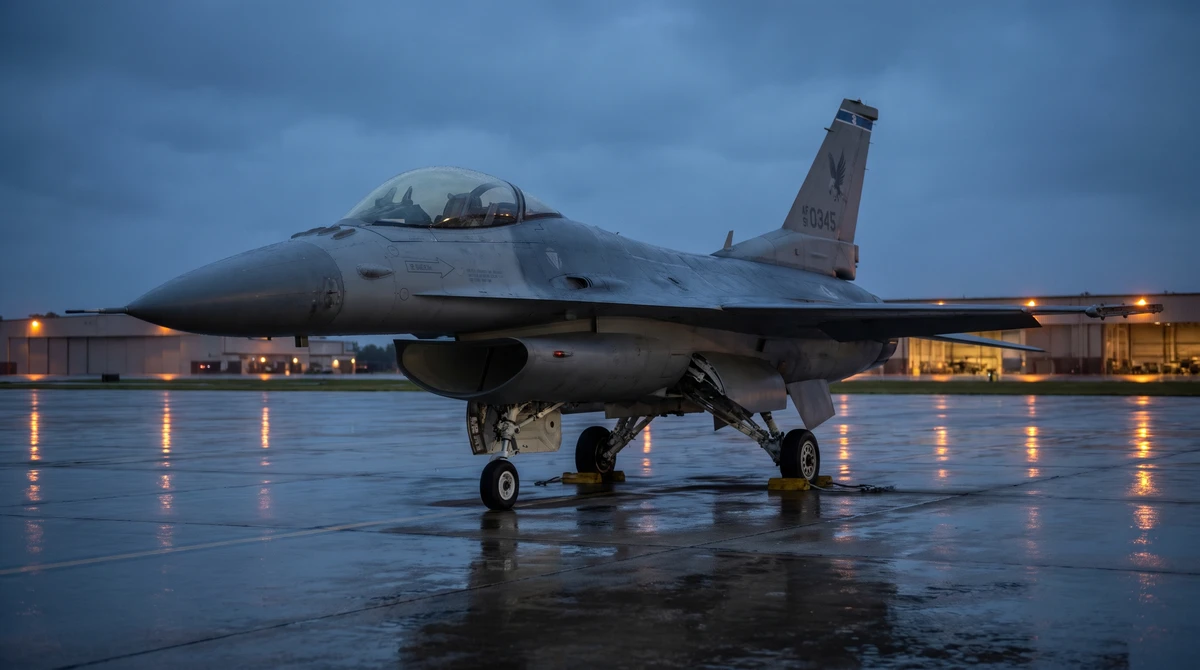
Military Aircraft Crashes in 2026 Reach 83 Logged Accidents Across 30 Countries
GlobalMilitary.net's log records 83 military aircraft crashes and 87 airframes lost in 30 countries between 1 January and 2 November 2026, after a run of fatal accidents in France, the Philippines and Bosnia in late October and a decade-high US Navy mishap count.
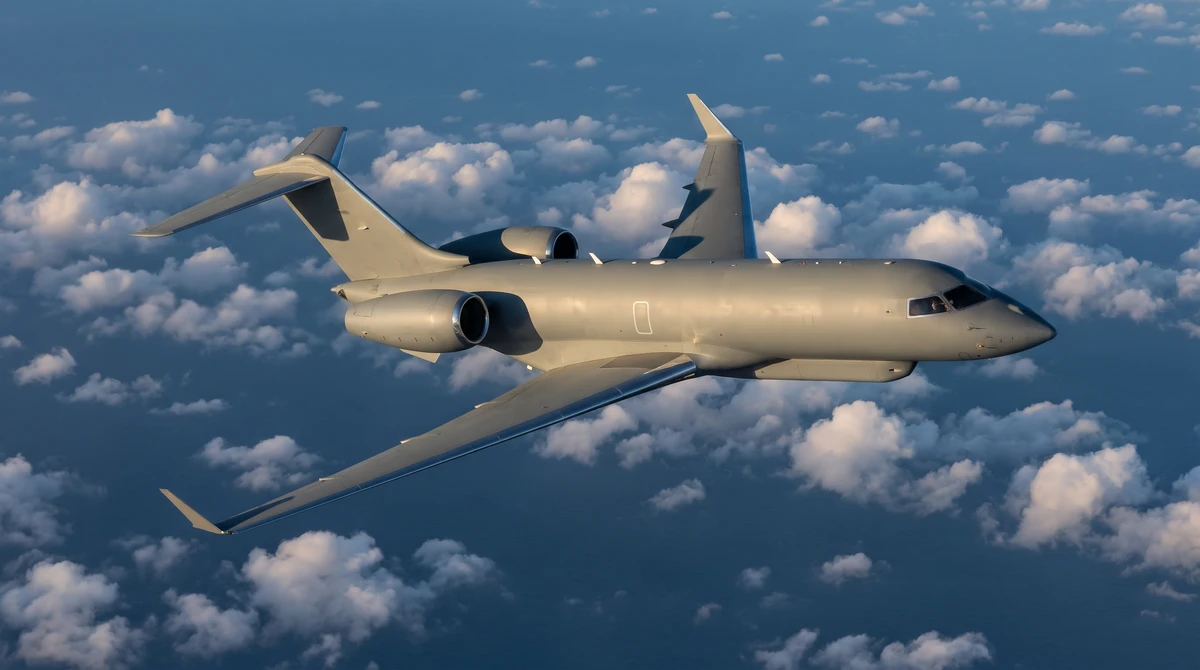
US Army's HADES Spy Jet Flies for the First Time, a Global 6500 Replacing Turboprop ISR
The US Army said on October 30 that HADES Prototype 1, an airborne intelligence aircraft built on a modified Bombardier Global 6500 business jet, made its first flight on September 11, moving the program into mission system integration and developmental flight testing.
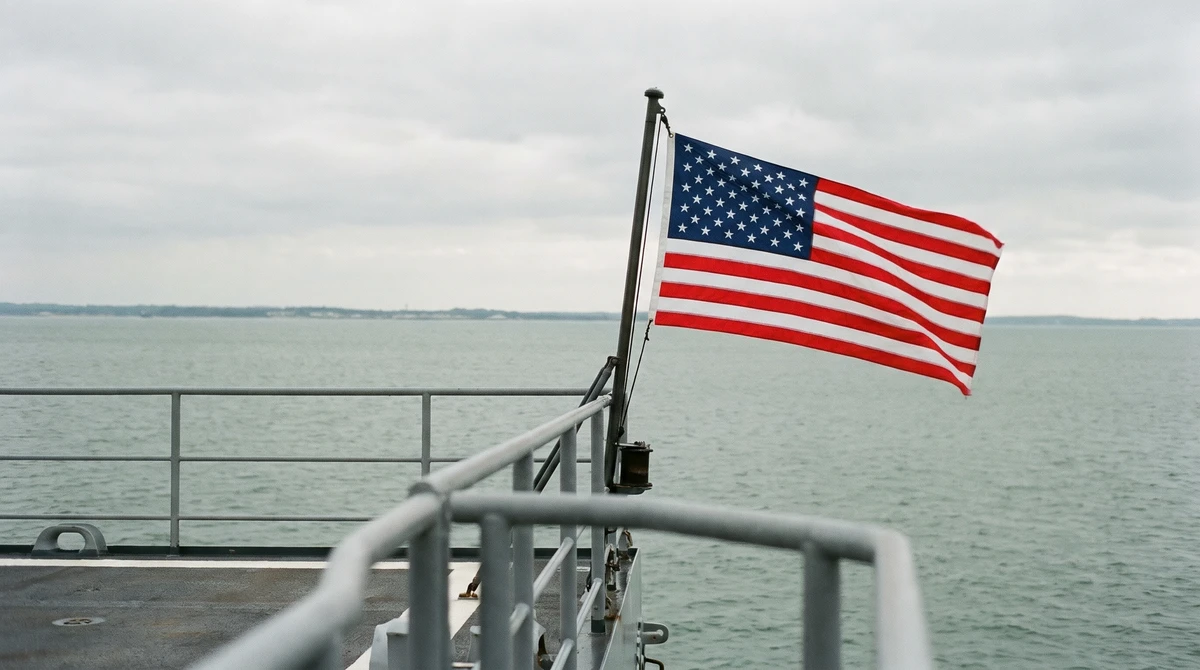
Hanwha Philly Shipyard Selected to Build Its First US Navy Ship, a $269 Million Medium Landing Ship
Hanwha Defense USA said on Oct. 29 that TOTE Services had chosen its Philly Shipyard to build one Medium Landing Ship for the US Navy and Marine Corps under TOTE's $2.2 billion construction-management contract, with options for three more vessels.
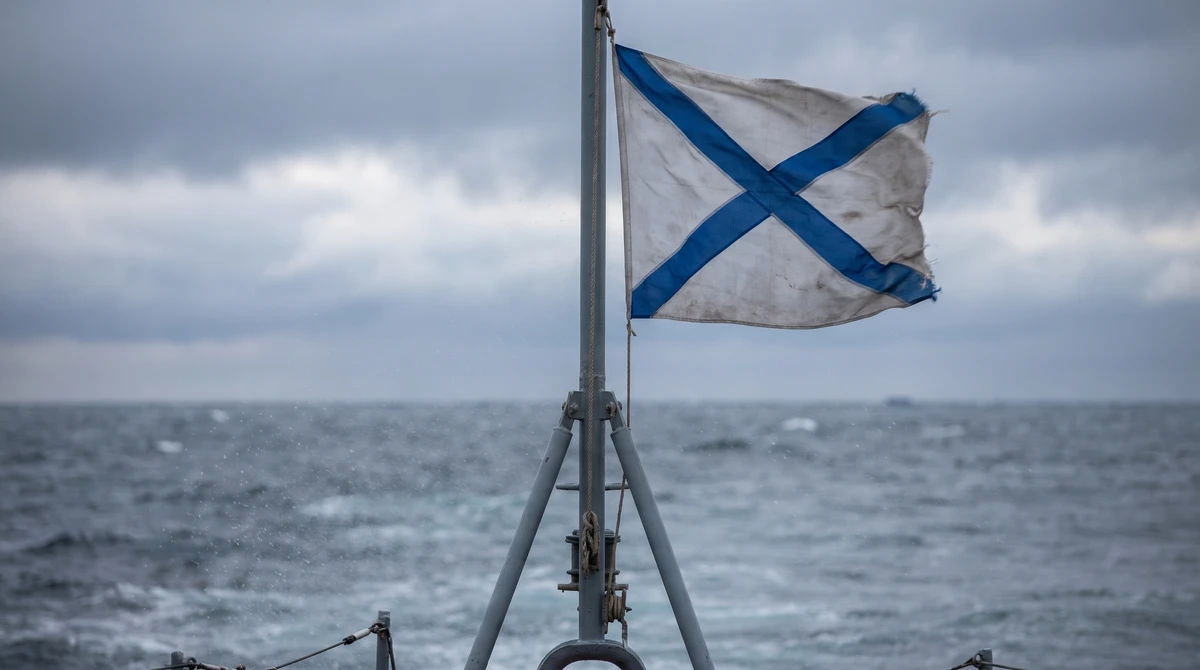
Russia Says Pacific Fleet Submarine Generalissimus Suvorov Fired Bulava Missile From Sea of Okhotsk
The Borey-class submarine Generalissimus Suvorov launched a Bulava intercontinental ballistic missile from a submerged position in the Sea of Okhotsk on October 28, the Russian Ministry of Defence said, in what the Russian Strategic Nuclear Forces project calls a rare Pacific Fleet firing.
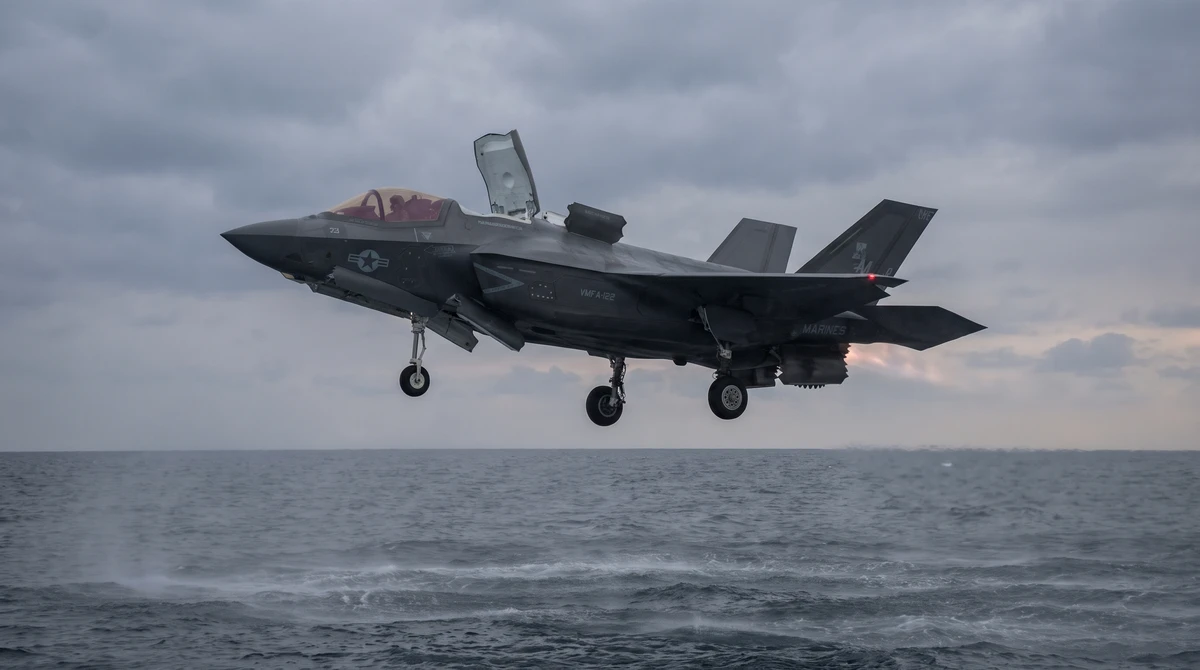
How the F-35B Lift Fan Hovers a Supersonic Jet Where the Harrier Needed Four Swiveling Nozzles
Twenty-five years after the Joint Strike Fighter award of 26 October 2001, how the F-35B's shaft-driven lift fan lets a supersonic fighter land vertically where the Harrier used four swiveling nozzles, and what the fan costs it in fuel, payload and price.
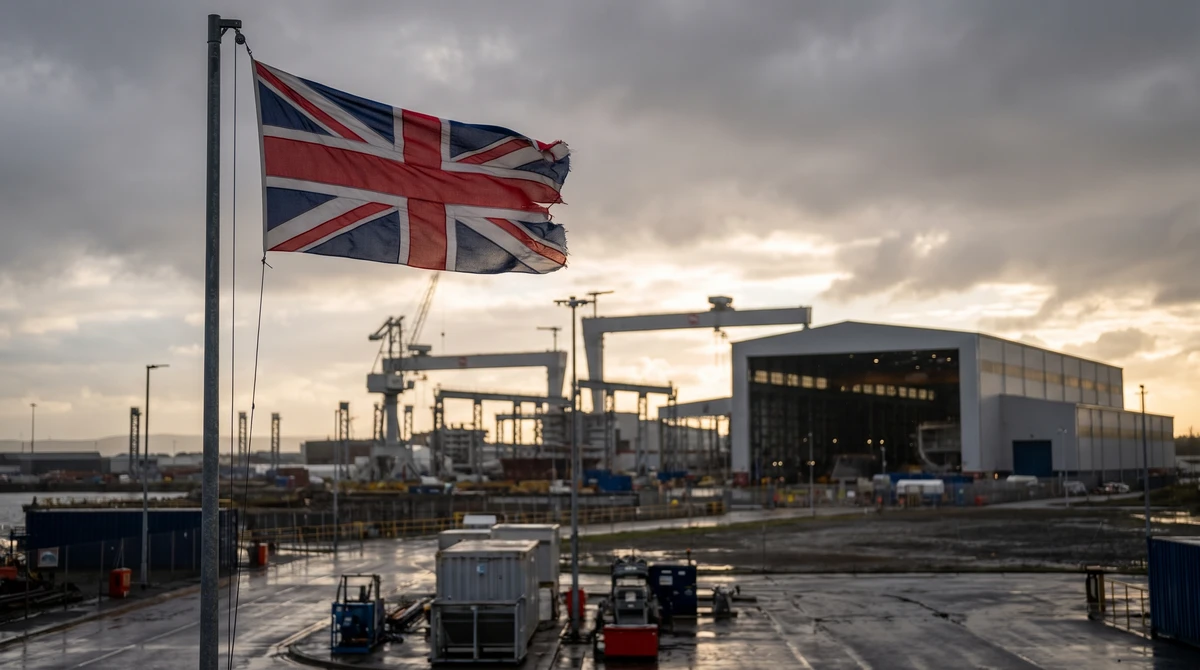
UK to Require Overseas Defense Suppliers to Invest Up to 100% of Contract Value in Britain From April 2027
The UK will require overseas firms winning defense contracts of £50 million or more to invest up to the full contract value in British jobs, factories and technology from April 2027, under an offset policy announced on 30 October 2026 that will not normally cover government-to-government deals.