Bell UH-1 Huey Still Flies With 39 Countries 70 Years After Its First Flight
The XH-40 prototype of Bell's Huey first flew on 20 October 1956 at Fort Worth; 70 years on, GlobalMilitary.net inventory data counts 844 single-engine UH-1s active in 39 countries, 438 twin-engine UH-1N and Bell 212 derivatives in 29, and 167 UH-1Y Venoms in two.
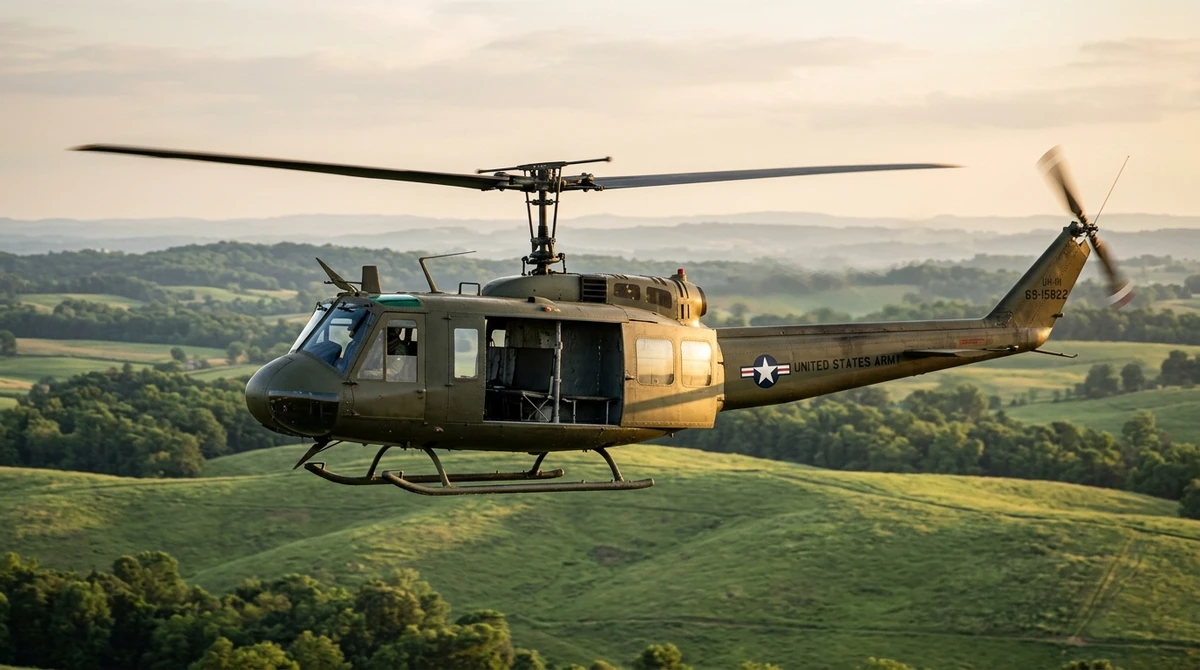
Seventy years after the XH-40 prototype made its first flight on 20 October 1956, the Bell UH-1 Huey remains in military service around the world. The anniversary falls on Tuesday, and the single-engine Huey is still in active service with 39 countries, while its latest descendant, the UH-1Y Venom, continues to fly with the U.S. Marine Corps.
According to Bell, the XH-40 was developed for the U.S. Army and made its first flight at the company's Fort Worth facility. It was designed to perform medical evacuations and was later used to move infantry quickly in its assault configuration; after modifications it was contracted into the Army inventory and designated UH-1. The National Wildfire Coordinating Group (NWCG), the U.S. interagency wildland-fire body that marks the date in its "This Day in History" series, calls the XH-40 the "granddaddy" of all Hueys and notes that the type was the first mass-produced helicopter powered by a jet turbine.
The name came from the designation rather than from the Army. The official Army name, Iroquois, was almost never used in practice, the NWCG writes; the original HU-1 designation gave rise to "Huey," and Bell began casting the nickname on the aircraft's anti-torque pedals. After 1962 the designation for all models became UH-1.
The Huey saw combat in Vietnam from 1962, first as a troop transport and medevac aircraft and later as an armed assault helicopter, according to the NWCG, which states that up to 900,000 wounded were medically evacuated by Huey during the war. The NWCG also notes that in 1970 the U.S. Marines wanted a more powerful two-engine version, citing concern about engine failure over water. The Huey airframe also gave rise to the AH-1 Cobra, the attack helicopter derived from it, while in the U.S. Army the UH-60 Black Hawk replaced the Huey as the utility helicopter.
By the NWCG's count, more than 16,000 Huey helicopters have been produced and the family has logged more than 27 million flight hours since 1956, a record the agency describes as "the most successful military aircraft in aviation history." The type is also a workhorse of wildland firefighting in the United States, where it shuttles crews, carries water buckets and sling loads, and inserts rappel teams.
According to GlobalMilitary.net's inventory data, 844 single-engine UH-1s remain in active service across 39 countries. Turkey operates the largest fleet, 172 across its air force and army, followed by Greece with 112, Japan's Ground Self-Defense Force with 93, Colombia with 84, Argentina with 50, Italy with 34 and the Philippines with 30. The twin-engine UH-1N and its Bell 212 derivatives add 438 active aircraft across 29 countries; the largest operators are the U.S. Air Force with 63, Thailand with 56 and Italy with 47.
The current production Huey is the UH-1Y Venom, of which 167 are in service: 160 with the United States, flown by the Marine Corps, and 7 with the Czech Republic, where a UH-1Y crashed in July 2026. Its attack sibling is the AH-1Z Viper. The aircraft that started the line has not been forgotten: Bell says the original "Number 1" XH-40 prototype was restored and unveiled at a ceremony hosted by the U.S. Army Aviation Center of Excellence at Fort Rucker, Alabama, on 20 October 2016, sixty years to the day after its first flight.
More News
All news →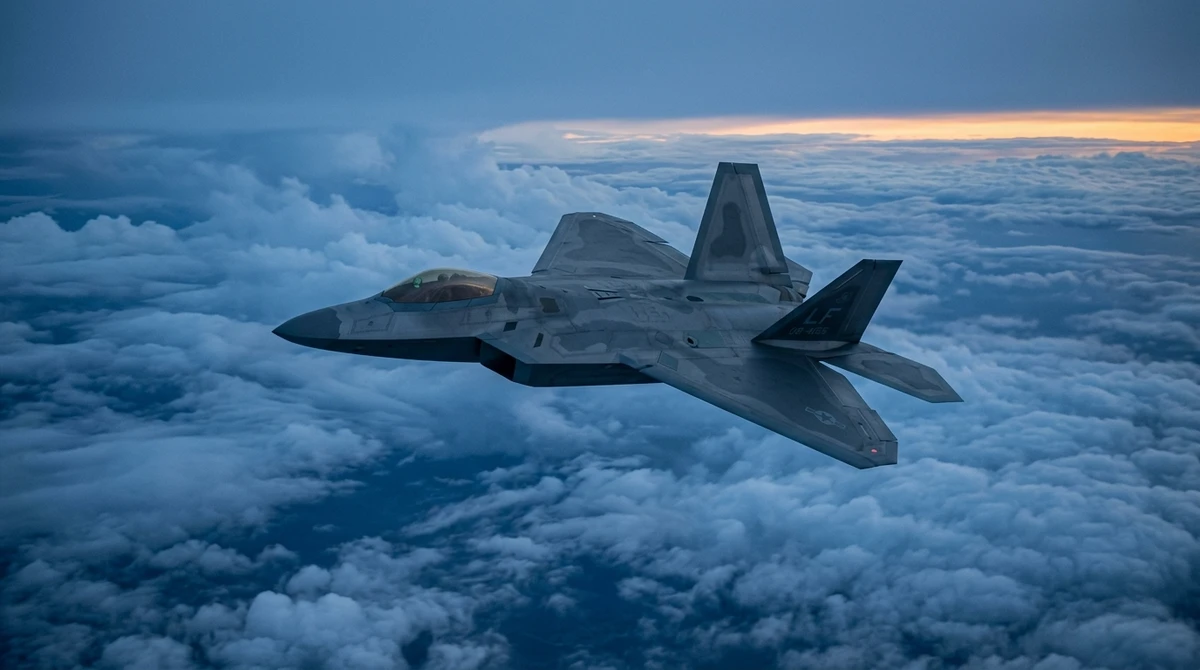
F-22 Pilot Takes In-Flight Command of an Anduril YFQ-44A Fury Drone
The U.S. Air Force said on October 16, 2026 that an F-22 Raptor pilot had taken airborne tactical command of an Anduril YFQ-44A Collaborative Combat Aircraft earlier this month; previous F-22 control tests had used a surrogate drone.
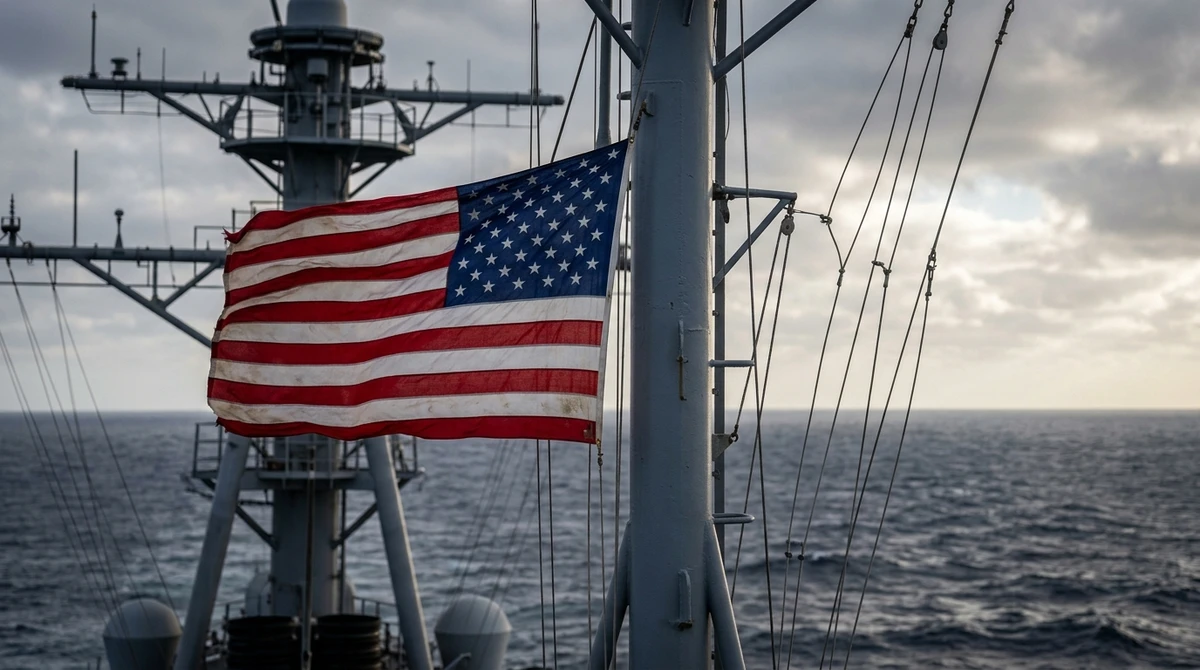
USS Zumwalt at 10: The Navy's Stealth Destroyer Trades Its Guns for Hypersonic Missile Tubes
Commissioned in Baltimore on October 15, 2016, the lead ship of a class cut from 32 hulls to three has spent most of the past three years in a Mississippi yard, where its two 155mm guns were removed to make room for 12 Conventional Prompt Strike hypersonic missiles.
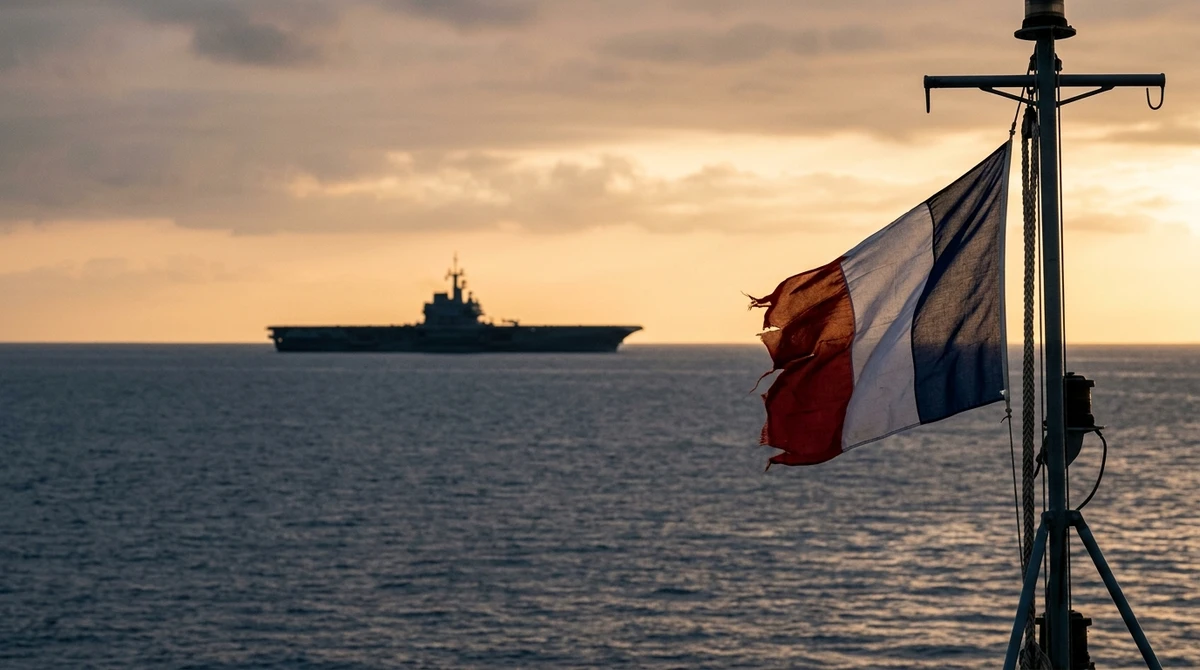
France Studies Keeping Charles de Gaulle Past 2038 as 24 Carriers Serve in Nine Navies
The French Navy's chief of staff told lawmakers on October 14 that studies due in early 2029 will decide whether the nuclear-powered Charles de Gaulle can sail on after its planned 2038 retirement, which would give France two carriers for the first time since the late 1990s.
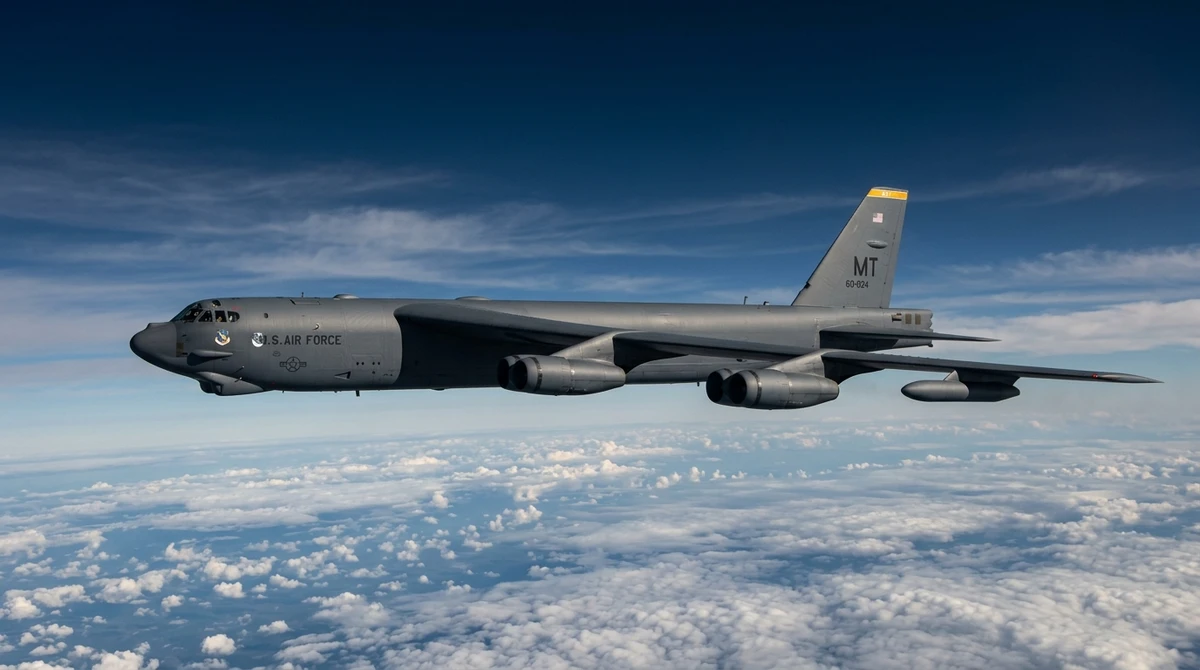
Why Hypersonic Glide Vehicles, Scramjet Cruise Missiles and the Kinzhal Are Three Different Weapons
Two flight tests in one week, the US Air Force's scramjet-powered HACM over Australia and South Korea's first hypersonic glide vehicle on October 8, shared one word for different machines; what sets them, and Russia's Kinzhal, apart is altitude, propulsion and maneuver, not speed.
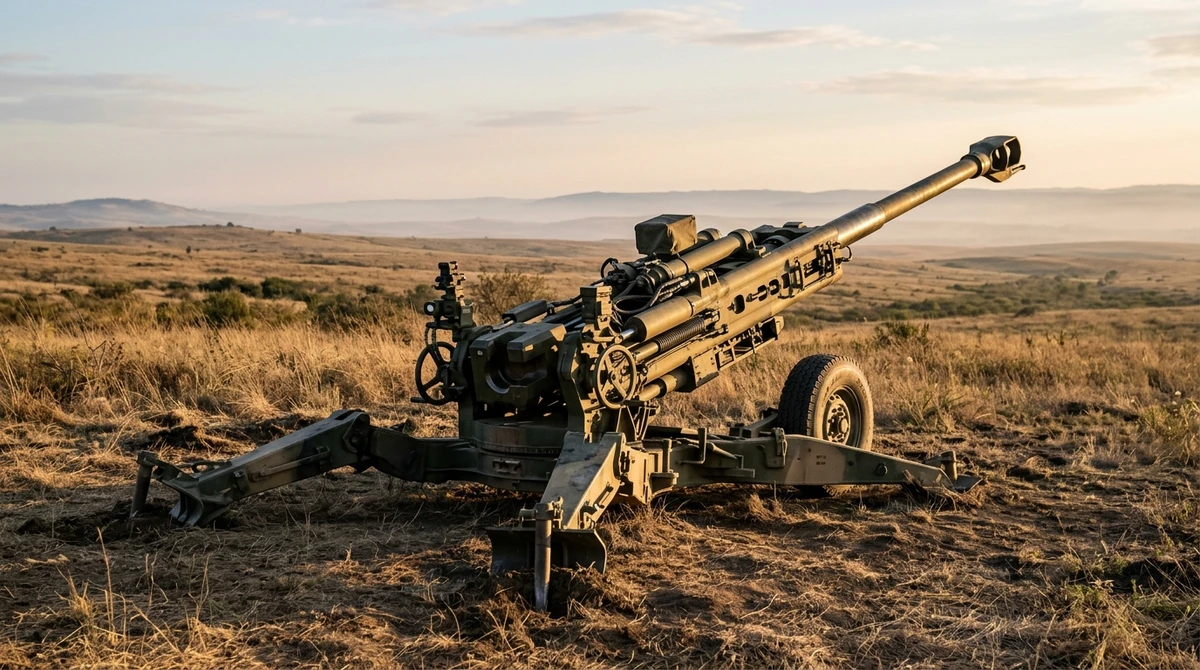
US Army Takes Delivery of First XM1776, Hanwha's Wheeled K9-Based Howitzer to Replace M777 in Select Units
The US Army has accepted the first prototype of its Mobile Tactical Cannon, a wheeled 155 mm howitzer derived from Hanwha's K9, and named it the XM1776 at the AUSA annual meeting in Washington on October 12, 2026, less than a year after issuing the solicitation.
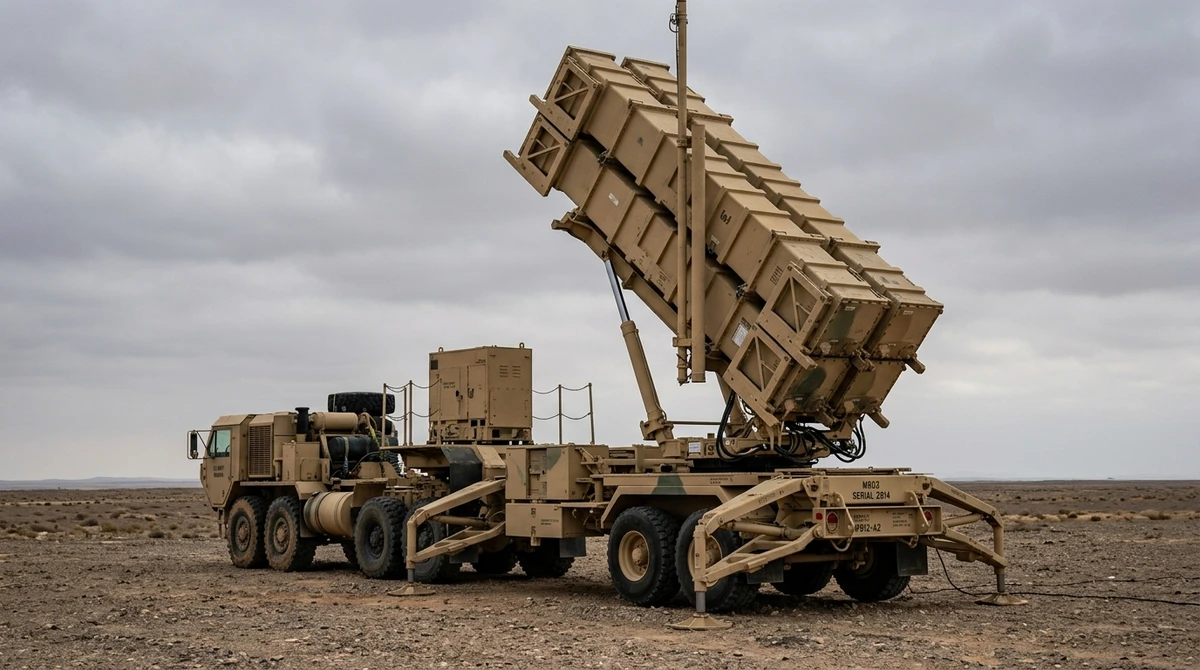
Lockheed Unveils PAC-3 Edge, a Next-Generation Patriot Interceptor for the Army's Future Interceptor Program
Lockheed Martin on October 9 unveiled PAC-3 Edge, its candidate for the US Army's Future Interceptor program and planned successor to the PAC-3 MSE Patriot missile, which it says the Army has moved to the next development stage, with testing planned for 2027 and fielding targeted by 2031.