USS Zumwalt at 10: The Navy's Stealth Destroyer Trades Its Guns for Hypersonic Missile Tubes
Commissioned in Baltimore on October 15, 2016, the lead ship of a class cut from 32 hulls to three has spent most of the past three years in a Mississippi yard, where its two 155mm guns were removed to make room for 12 Conventional Prompt Strike hypersonic missiles.
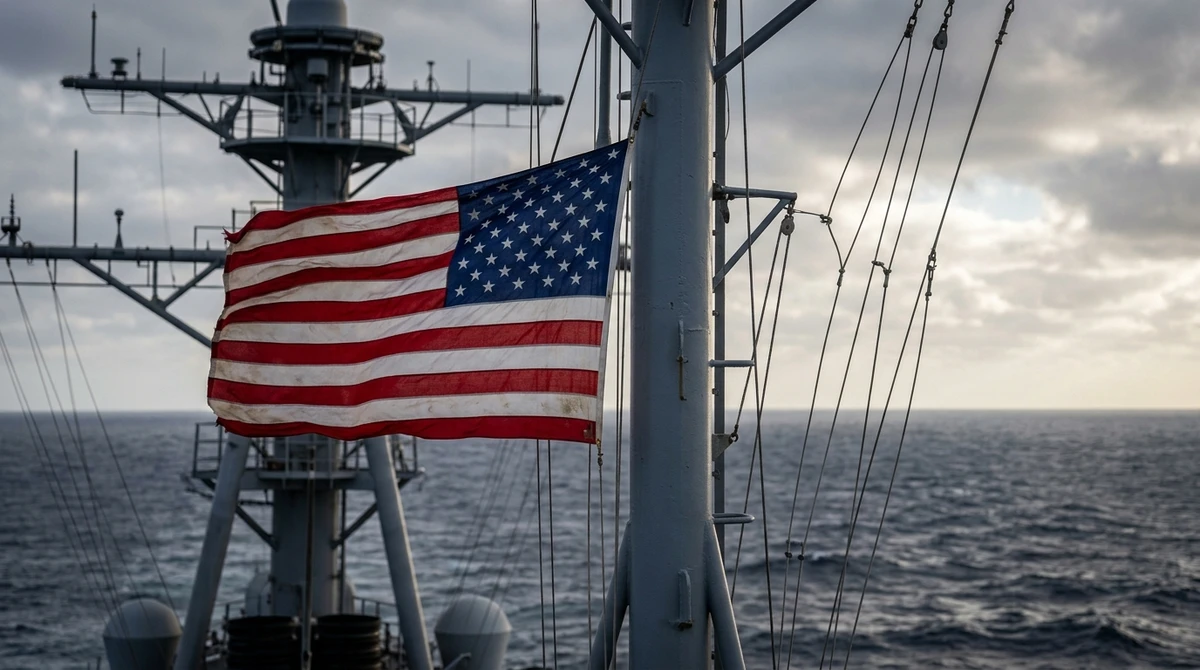
Ten years ago, on Saturday, October 15, 2016, the US Navy commissioned USS Zumwalt (DDG-1000) at North Locust Point in Baltimore, the lead ship of a class of multi-mission destroyers built around electric propulsion, a wave-piercing tumblehome hull and a stealth design, Maritime Executive reported at the time. A decade on, the ship has spent most of the past three years in a Mississippi shipyard, its two 155mm guns removed to make way for the Navy's first shipboard hypersonic missiles.
Built at Bath Iron Works in Bath, Maine, the Zumwalt displaced 15,995 metric tons on a 610-foot hull with a beam of 80.7 feet, according to Maritime Executive. It carried a crew of 147 plus a 28-person aviation detachment, had a sustained speed of 30 knots and an integrated power system generating about 78 megawatts, which Maritime Executive described as "almost as much as a nuclear-powered aircraft carrier." The destroyer is named for Admiral Elmo R. Zumwalt Jr., the 19th Chief of Naval Operations. After the ceremony it was to transit to San Diego, where installation of its combat systems would begin.
The class never reached its planned size: orders were cut from 32 ships to three, a reduction The War Zone said made the ships very expensive to acquire, operate and sustain. The Government Accountability Office's annual assessment in July 2026 put the unit cost at just over $10.6 billion including research and development, with total DDG-1000 acquisition cost at nearly $32 billion, The War Zone reported, while a new Flight III Arleigh Burke-class destroyer costs around $2.5 billion according to Congressional Budget Office data cited by the outlet. The War Zone also reported persistent technical difficulties, notably with the AN/SPY-3 radar.
Zumwalt began its Build Yard Modernization Period at HII's Ingalls Shipbuilding in Pascagoula, Mississippi, in 2023. Both 155mm Advanced Gun Systems were removed and the forward gun housing replaced by four large launch tubes for the Conventional Prompt Strike (CPS) hypersonic missile, each holding three missiles for a total of 12 per ship, Naval News and The War Zone reported. At the Surface Navy Association symposium in January, the Navy's program manager said Zumwalt would be reactivated in 2026 and would be the first US Navy vessel armed with hypersonic missiles, according to Naval News. CPS uses the same missile as the Army's Dark Eagle Long-Range Hypersonic Weapon, a booster carrying an unpowered boost-glide vehicle, and the Navy also plans to field it on Block V Virginia-class submarines, The War Zone reported.
The Government Accountability Office said in a report released on July 17 that the Navy is 24 months behind in modernizing the three ships for CPS, as Stars and Stripes, Baird Maritime and The War Zone reported. Zumwalt's modernization was 94 percent complete as of January 2026 but behind schedule because of unplanned work, including the first full shutdown and restart of the ship's integrated power system, the GAO said, adding that the Navy put 230,000 hours, worth $20 million, on the Huntington Ingalls contract in August 2025. The estimate to upgrade all three ships rose from $1.8 billion to at least $2 billion, according to the GAO report as quoted by The War Zone. The GAO also said Lockheed Martin can currently produce six to seven missiles a year against the 12 needed, and that the Navy's CPS program cost estimate rose from about $31 billion in 2020 to about $41 billion in 2024 while planned missile numbers fell from 262 to 224, about $67 million each.
The first CPS flight test from Zumwalt, originally planned for 2025, is now set for 2027, the GAO said. As GlobalMilitary.net reported in July, The War Zone said on July 17 that the Navy expected Zumwalt to be formally returned to service by September 2026. Sister ship USS Michael Monsoor (DDG-1001) was slated to begin its own modernization before the end of 2026, and delivery of the future USS Lyndon B. Johnson (DDG-1002) is scheduled for April 2027, The War Zone reported. GlobalMilitary.net data lists three ships in the Zumwalt class, with Zumwalt and Michael Monsoor carried as active and Lyndon B. Johnson as fitting out in the US Navy's destroyer fleet, alongside 76 active Arleigh Burke-class destroyers.
More News
All news →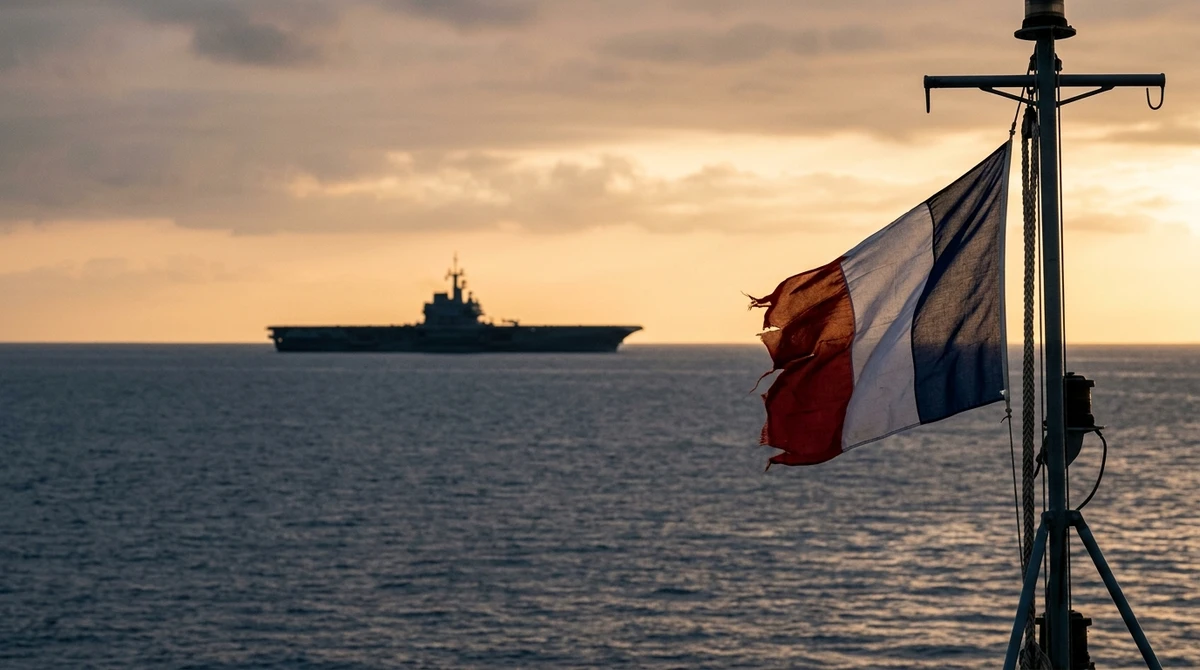
France Studies Keeping Charles de Gaulle Past 2038 as 24 Carriers Serve in Nine Navies
The French Navy's chief of staff told lawmakers on October 14 that studies due in early 2029 will decide whether the nuclear-powered Charles de Gaulle can sail on after its planned 2038 retirement, which would give France two carriers for the first time since the late 1990s.
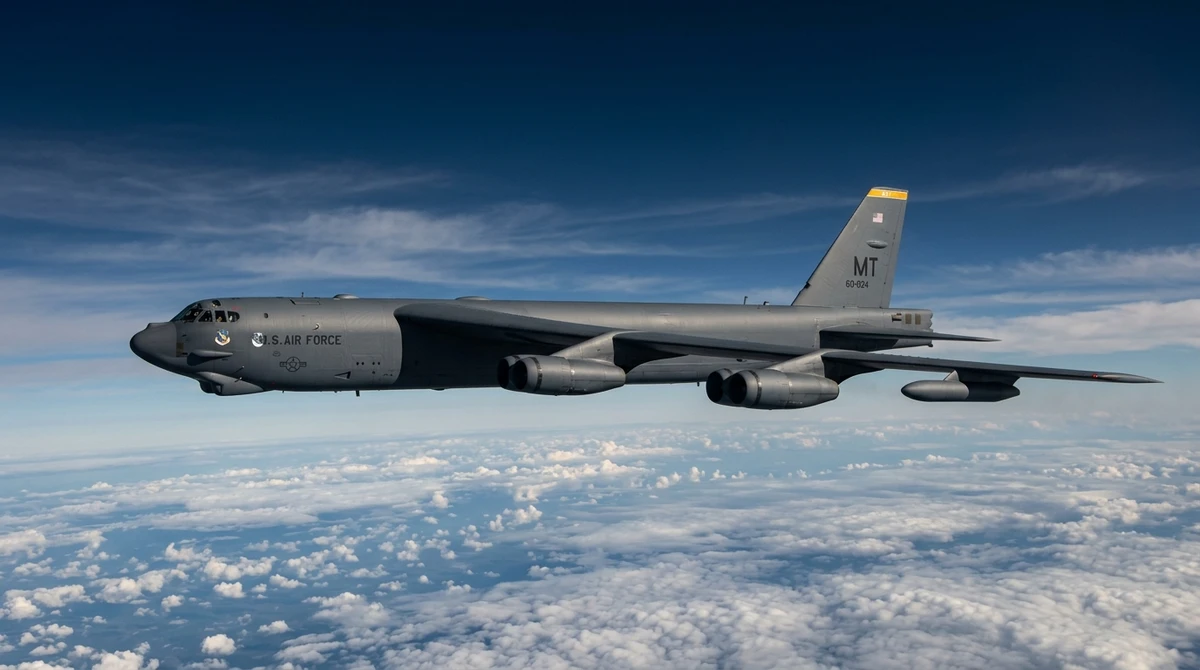
Why Hypersonic Glide Vehicles, Scramjet Cruise Missiles and the Kinzhal Are Three Different Weapons
Two flight tests in one week, the US Air Force's scramjet-powered HACM over Australia and South Korea's first hypersonic glide vehicle on October 8, shared one word for different machines; what sets them, and Russia's Kinzhal, apart is altitude, propulsion and maneuver, not speed.

US Army Takes Delivery of First XM1776, Hanwha's Wheeled K9-Based Howitzer to Replace M777 in Select Units
The US Army has accepted the first prototype of its Mobile Tactical Cannon, a wheeled 155 mm howitzer derived from Hanwha's K9, and named it the XM1776 at the AUSA annual meeting in Washington on October 12, 2026, less than a year after issuing the solicitation.
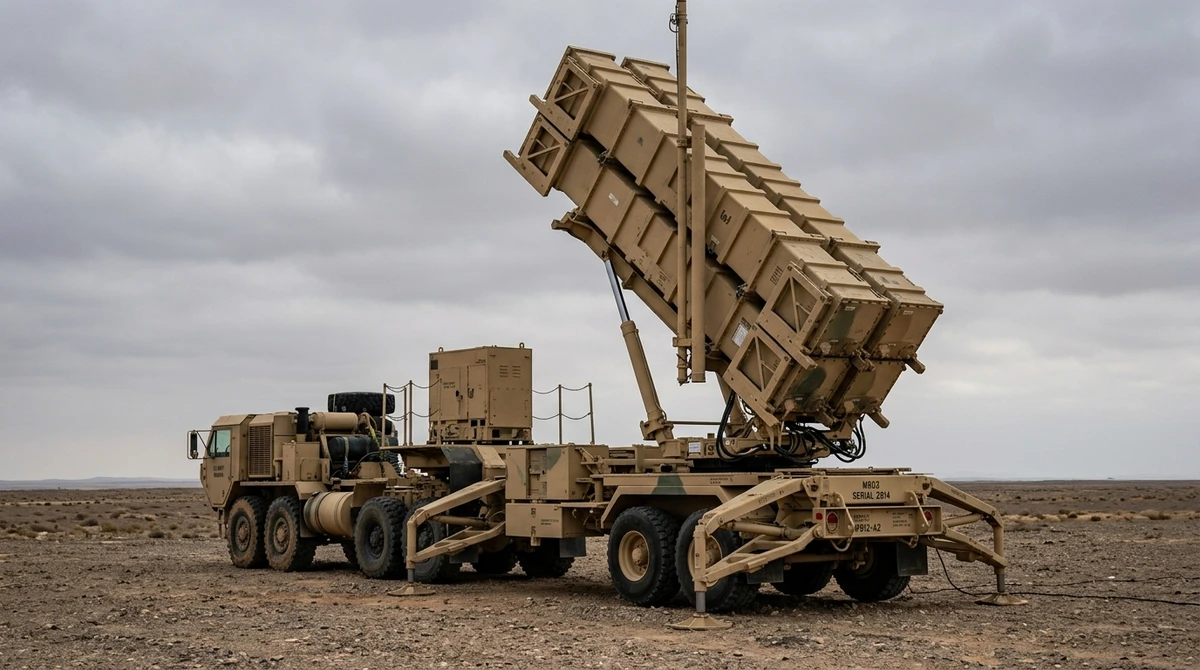
Lockheed Unveils PAC-3 Edge, a Next-Generation Patriot Interceptor for the Army's Future Interceptor Program
Lockheed Martin on October 9 unveiled PAC-3 Edge, its candidate for the US Army's Future Interceptor program and planned successor to the PAC-3 MSE Patriot missile, which it says the Army has moved to the next development stage, with testing planned for 2027 and fielding targeted by 2031.
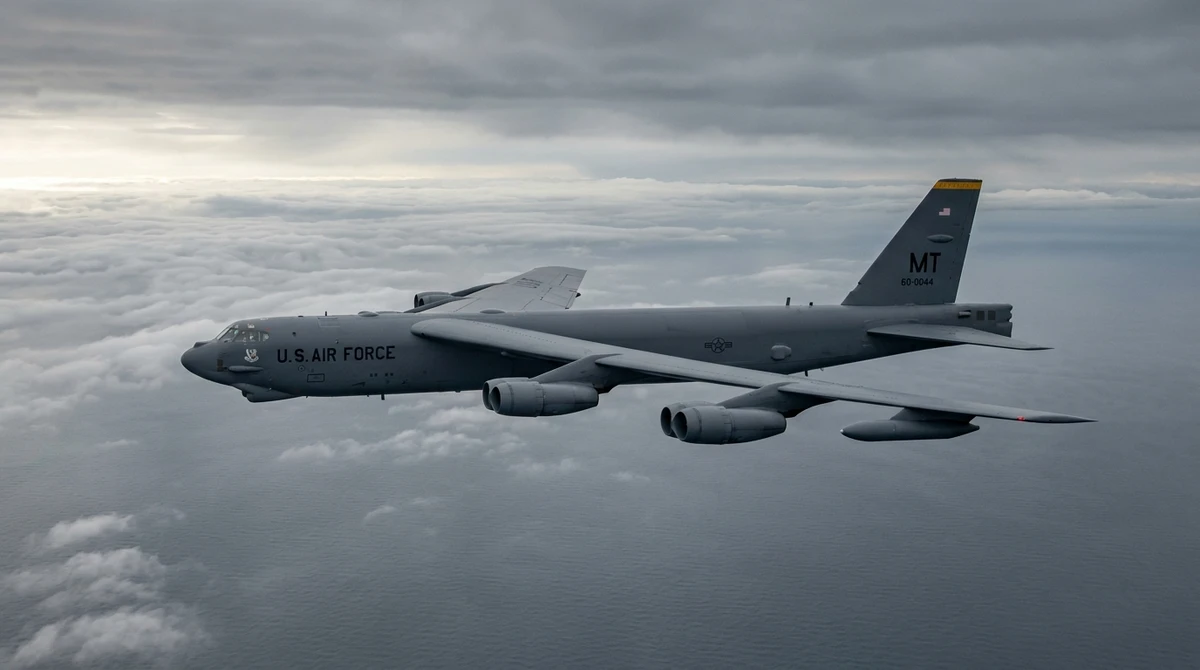
Navy Plans Sole-Source Lockheed Contract to Integrate LRASM Anti-Ship Missile on the B-52
Naval Air Systems Command said in an October 7 notice that it intends to negotiate a sole-source delivery order with Lockheed Martin to integrate the AGM-158C Long-Range Anti-Ship Missile on the US Air Force's B-52 bomber, The War Zone and Air & Space Forces Magazine reported.

Bombardier Global Express Turns 30 With More Military Jets on Order Than in Service
Thirty years after its first flight from Toronto on October 13, 1996, the Bombardier Global Express has become a platform for military special-mission aircraft, and GlobalMilitary.net's inventory data now counts more Global-based military aircraft on order than in service.