Boeing Wins the First Production Contract for the GBU-75, a Jet-Powered JDAM With 550-Kilometer Reach
The US Air Force awarded Boeing a $75 million contract on August 5, 2026 on behalf of the Navy, clearing the jet-powered JDAM for production. The GBU-75 pairs a turbojet and pop-out wings with a standard 500-pound bomb to reach targets 300 nautical miles away.
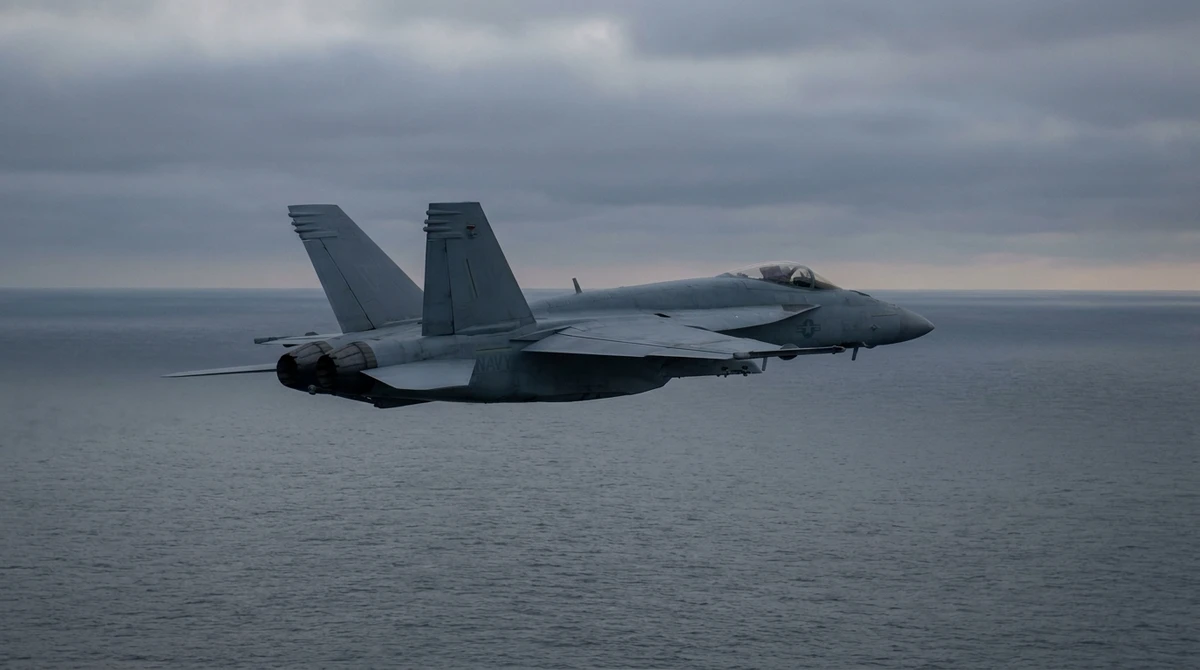
The US Air Force awarded Boeing a $75 million undefinitized contract on August 5, 2026 for the first production lot of the GBU-75/B, a jet-powered derivative of the Joint Direct Attack Munition. The award was placed on behalf of the US Navy, which will be the launch customer; the Air Force manages JDAM procurement for both services.
The weapon turns a bomb into something close to a small cruise missile. A standard 500-pound warhead is fitted with a guidance section, pop-out wings and a TDI-J85 turbojet, packaged as a Payload Delivery Unit designated BSU-111/B. Boeing states the result can hit targets more than 345 miles, or 300 nautical miles, from the release point. Production was cleared after the Navy carried out successful test launches from F/A-18E/F Super Hornets in April 2026.
The gain over the existing family is an order of magnitude. A baseline GBU-31 JDAM is an unpowered guidance kit bolted to a 2,000-pound bomb and glides only as far as its release altitude and speed allow. The winged JDAM-ER, the longest-reaching member of the family in GlobalMilitary.net's database, manages roughly 80 kilometres. The GBU-75 is credited with about 550 kilometres, which moves the carrier air wing's standoff envelope out beyond the reach of most shipborne surface-to-air systems.
Cost is the argument. The Navy's existing standoff weapons, the AGM-158C LRASM and the AGM-84 SLAM-ER, run to roughly $3 million a round, which limits how many can be bought and how freely they can be spent. Boeing is positioning the GBU-75 as a way to deliver long-range precision strike at a fraction of that price by reusing a bomb body, a guidance kit and an engine that are all already in production. The economics matter more than usual: reporting in early August indicated US forces expended virtually all of their long-range precision missile stocks during the 2026 Iran conflict, and the Pentagon has spent the summer signing deals to expand interceptor and munitions output.
The JDAM family has been extended repeatedly rather than replaced. It now spans the GBU-38 on a 500-pound body, the laser-guided GBU-54 LJDAM, and the GBU-62 QUICKSINK, an anti-ship variant developed to let a bomber sink a vessel with a cheap weapon rather than a torpedo. The GBU-75 continues that pattern, adding propulsion to a kit that has been in service since the late 1990s.
An undefinitized contract action allows work to start before terms are finalised, so the final value and quantities remain to be negotiated. Neither the Navy nor Boeing has announced an initial operational capability date.
More News
All news →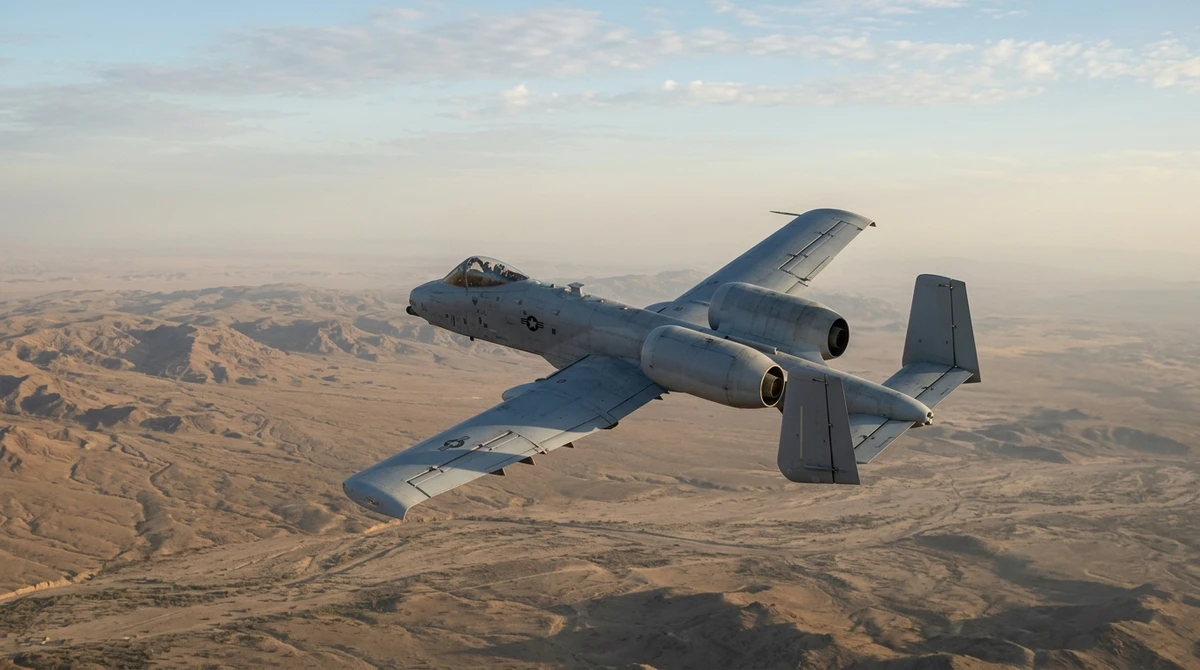
Davis-Monthan Inactivates Four A-10 Units, Ending the Base's Thunderbolt II Mission
The US Air Force inactivated four A-10 units at Davis-Monthan Air Force Base, Arizona, on September 18, 2026, ending the type's presence at the base while the FY2026 defense authorization act holds the fleet at no fewer than 103 aircraft through fiscal 2026.
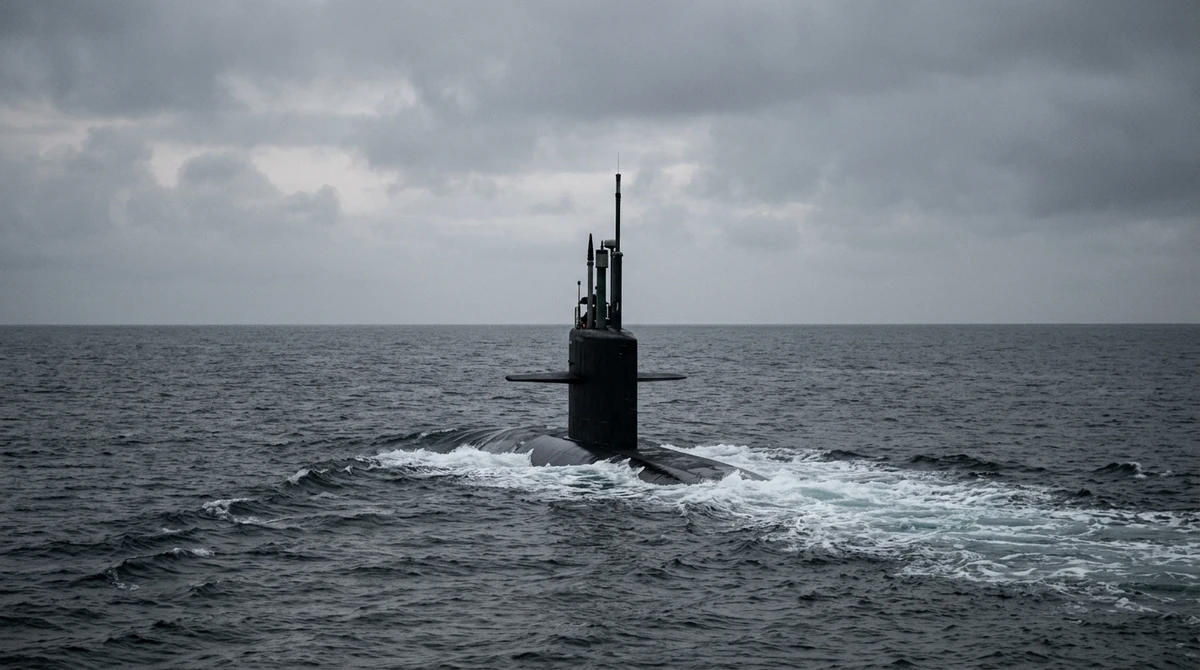
Nuclear vs Air-Independent Propulsion: How a Submarine Runs Without Air, and What Japan Is Weighing
After Japan's defense minister declined on September 11, 2026 to rule out nuclear-powered submarines, a technical explainer on how a reactor, a Stirling engine, a fuel cell and a lithium-ion battery each keep a boat under water, and what each one buys.

Latvia Picks Czech Morana Howitzers Over Sweden's Archer
Latvia's Cabinet of Ministers decided on September 15, 2026 to procure Excalibur Army's Morana 155 mm wheeled howitzers, setting aside a June 2025 letter of intent with Sweden for 18 BAE Systems Bofors Archer systems, the Ministry of Defence said.
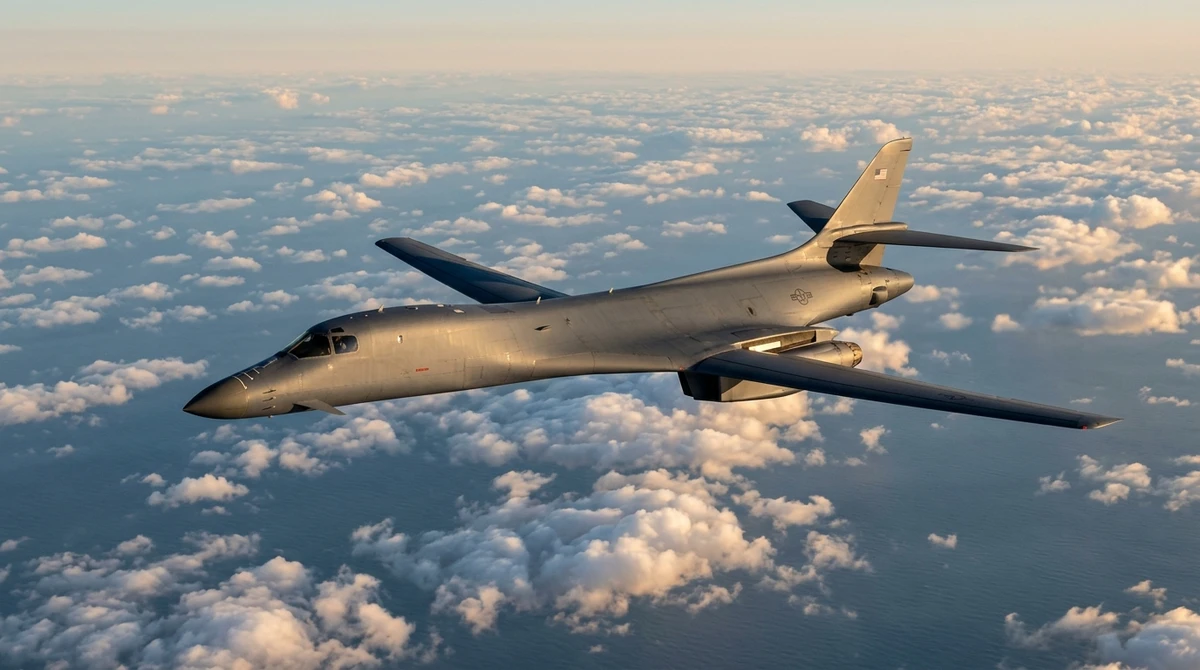
US Air Force to Extend B-1 and B-2 Service Lives With Only Three B-21s in the Fleet
Air Force Global Strike Command said on 17 September 2026 that the B-1 Lancer and B-2 Spirit will fly beyond their planned retirements, keeping a US bomber force built on 1955, 1986 and 1993 designs in service while the B-21 Raider arrives at three aircraft.
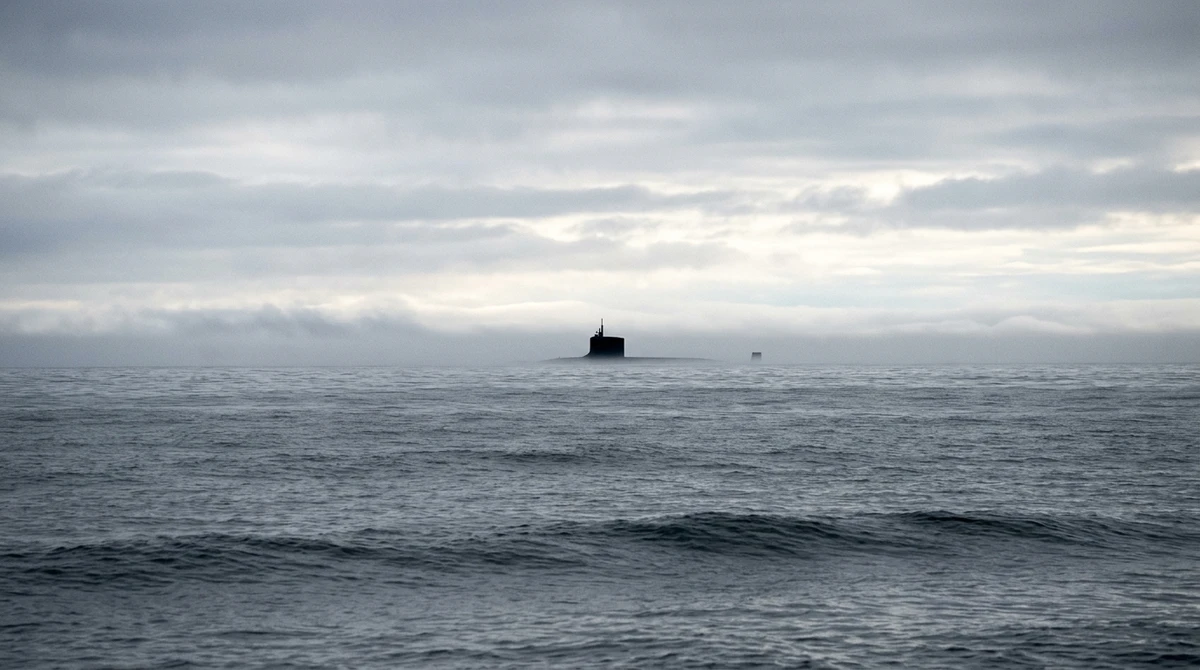
Japan Will Not Rule Out Nuclear-Powered Submarines as Six Navies Field 140 Between Them
Japan's defense minister said on 11 September 2026 that nuclear-powered submarines "will not be ruled out" in the year-end revision of the country's security documents, an option that would put the JMSDF alongside the six navies operating 140 nuclear boats today.
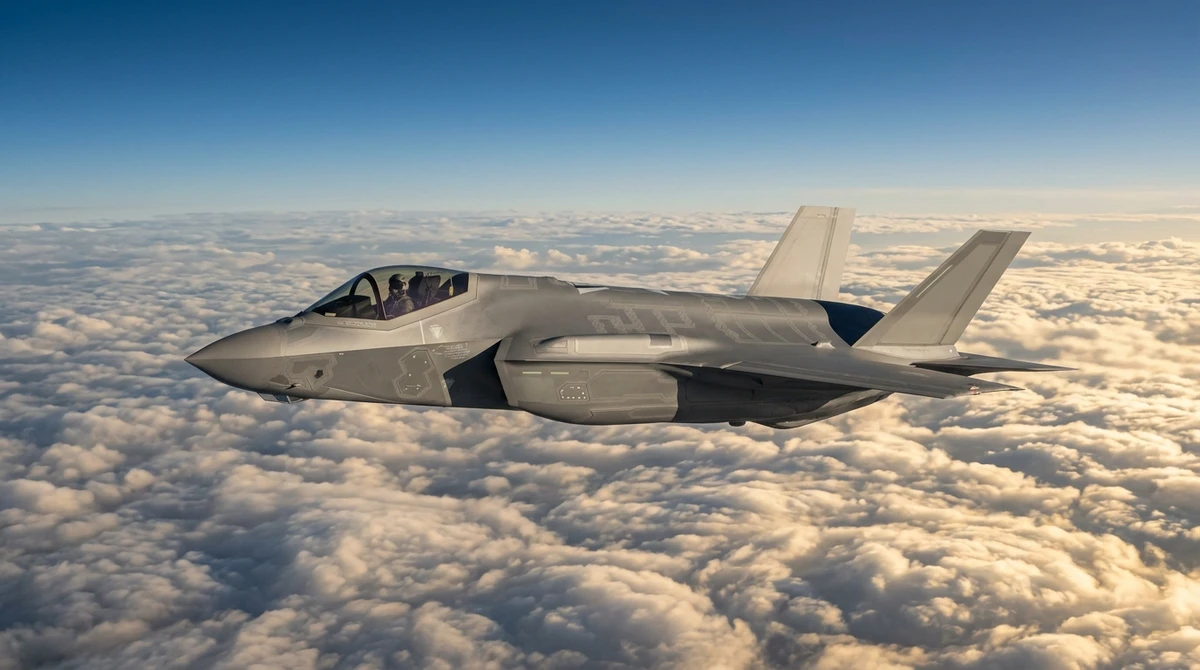
Saudi Arabia Cleared to Buy 48 F-35 Fighters in $24.3 Billion State Department Approval
The U.S. State Department on 17 September 2026 approved a possible Foreign Military Sale of 48 F-35 Lightning II fighters and 49 F135 engines to Saudi Arabia, a package estimated at $24.3 billion that now goes to Congress for review.