129 Aircraft Lost in the Iran War, and 36 of Them Are MQ-9 Reapers
GlobalMilitary.net's conflict tracker has logged 129 aircraft destroyed since the war began on February 28, 2026. Uncrewed aircraft account for 60 of them, and a single type, the General Atomics MQ-9 Reaper, for 36.
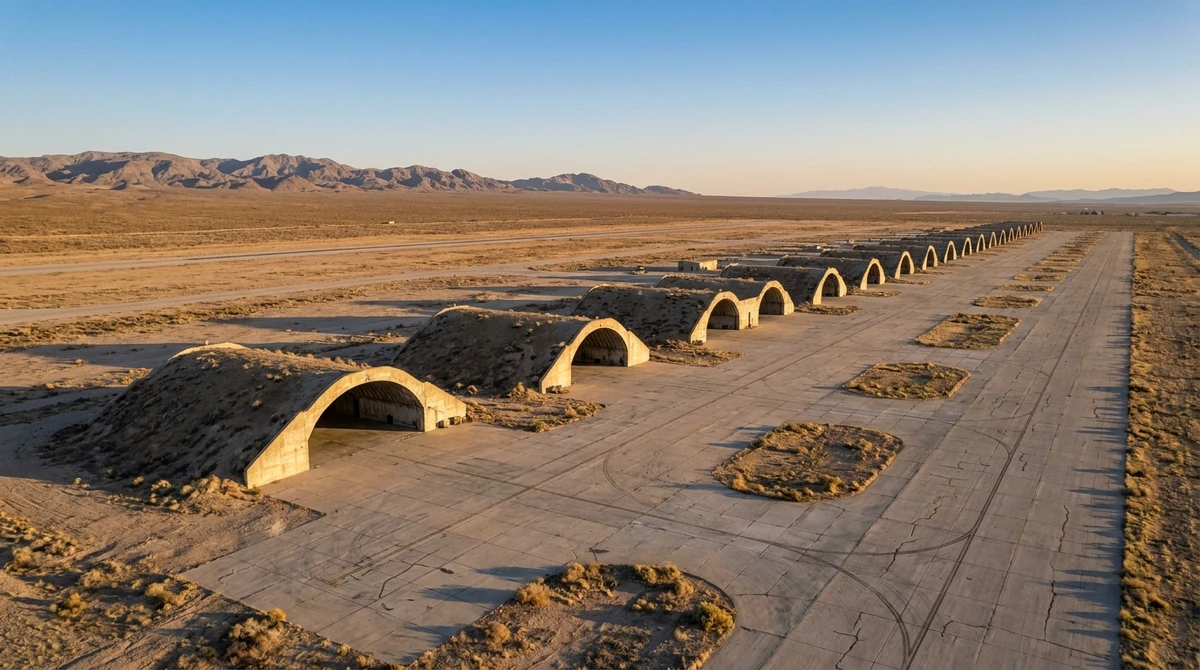
Five months into the war between the United States, Israel and Iran, the most-destroyed aircraft type is not a fighter. It is a propeller-driven, uncrewed surveillance and strike aircraft: the General Atomics MQ-9 Reaper. GlobalMilitary.net's 2026 Iran conflict tracker has recorded 36 Reapers destroyed across 28 separate events between February 28 and July 26, 2026, out of 129 aircraft lost by all belligerents combined.
That is 28 percent of every airframe lost in the war, on any side, accounted for by one type.
The pattern extends past the Reaper. Uncrewed aircraft make up 60 of the 129 losses, or 47 percent, logged across 51 events. Behind the MQ-9 Reaper come Israel's Elbit Hermes 900 with eight, the IAI Heron with six, the Hermes 450 with four and the Eitan with three, plus single losses of a US MQ-1 Predator and an MQ-4C Triton. Crewed types trail well behind: 26 combat aircraft, 16 transports, 15 helicopters and two trainers.
Most Reaper losses were shootdowns. GMN's records break down as 25 airframes shot down across 22 events, four destroyed on the ground, two lost to accidents and five covered by a single aggregate US report. The shootdowns are attributed overwhelmingly to Iranian air defenses, with the IRGC Aerospace Force claiming the majority, and cluster along the Persian Gulf coast and the Iraqi border: Qeshm Island, Asaluyeh, Dehloran, Khvormuj, Jam and Babylon governorate in central Iraq.
Strikes on the ground explain a meaningful share of the rest. Iranian ballistic missile attacks on Muwaffaq Salti Air Base near Azraq, Jordan, on July 17, and earlier on Ali Al Salem Air Base in Kuwait, destroyed Reapers parked or stored at those bases, The War Zone and other outlets reported, including an Italian Air Force MQ-9, the only non-US Reaper in the tally.
The figures broadly track outside reporting. A US official told ABC News on July 8 that Iran had downed roughly 30 US Reapers. GMN's count runs higher because it also captures airframes destroyed on the ground and losses by other operators. Air Force Times reported in May that the US Air Force MQ-9 inventory had fallen to about 135 aircraft after combat losses, in a fleet the service had already been trying to shrink and which is now shrinking faster than planned.
By operator, the tracker attributes 54 airframes to the United States, 51 to Iran, 21 to Israel and one each to Saudi Arabia, Italy and the United Arab Emirates. Iranian losses lean heavily toward older crewed types, among them the Chengdu F-7, the F-14 Tomcat, the Su-24 and the Il-76, and Iran has separately lost 29 naval vessels in GMN's records. Iran entered the war ranked 30th among the strongest militaries in the world, against first place for the United States and 13th for Israel.
Attrition is also spreading outward from the core theater. On July 26, Houthi forces shot down a Saudi-operated Bayraktar Akinci over Al-Jawf governorate in northern Yemen, an event Janes assessed as the first loss of the Turkish-built type in that conflict and which GMN has logged as Saudi Arabia's first air loss of the war.
The war entered its sixth month with fresh US strikes ordered on July 31 and no ceasefire in force. The uncrewed share of total losses has held near half since the spring, a ratio that reflects how much of the surveillance and strike workload over contested airspace both sides now hand to aircraft with nobody aboard.
More News
All news →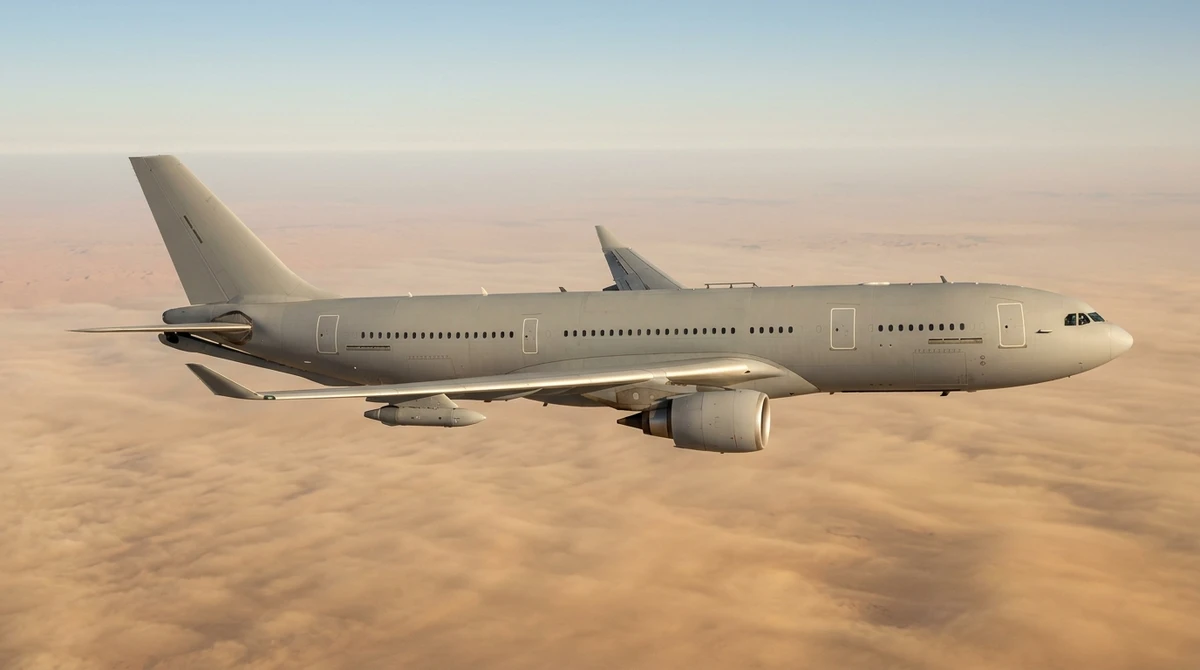
Boom or Drogue: Why the RAF Tanker Sent to Saudi Arabia Cannot Refuel Its F-15s
Britain announced on September 22, 2026 that it will send a Voyager tanker to Saudi Arabia, but its hose-and-drogue pods can serve only the Typhoons and Tornados, not the 232 F-15s that make up 60 percent of the Saudi combat fleet.
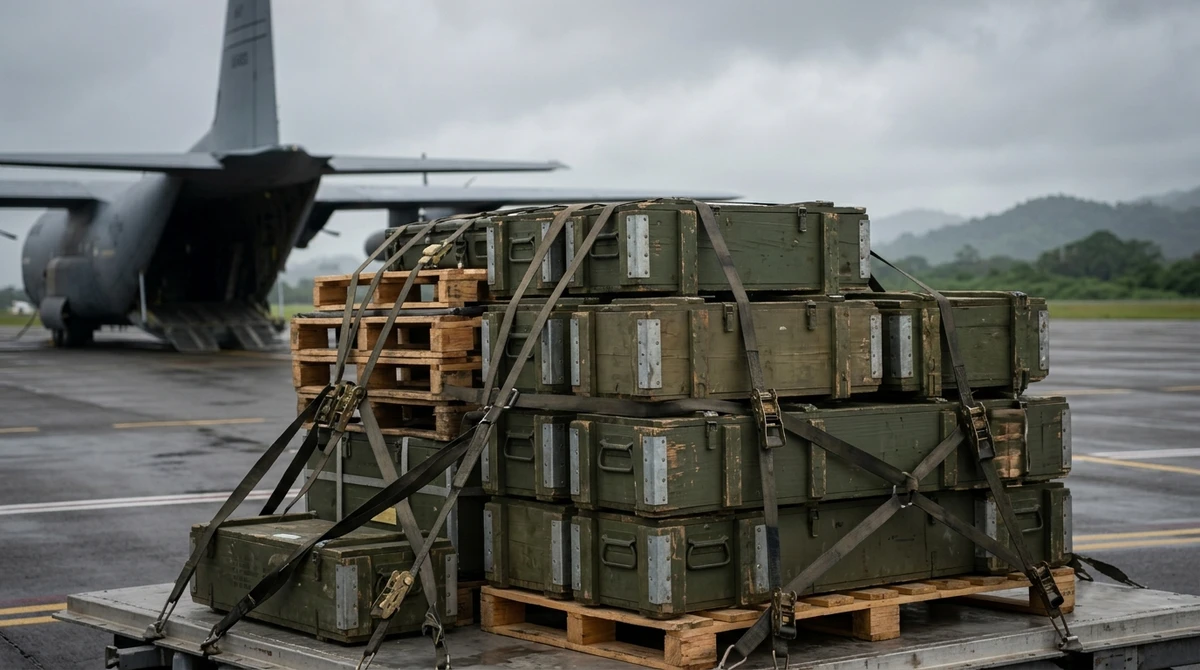
Guatemala Receives First Lot of More Than 2,000 M4A1 Carbines in First US Arms Purchase in Decades
Guatemala's army formally took delivery on 21 September 2026 of a first lot of more than 2,000 US-made M4A1 carbines at La Aurora International Airport in Guatemala City, the opening tranche of a US$5 million Foreign Military Sales order for a new jungle brigade in Petén.
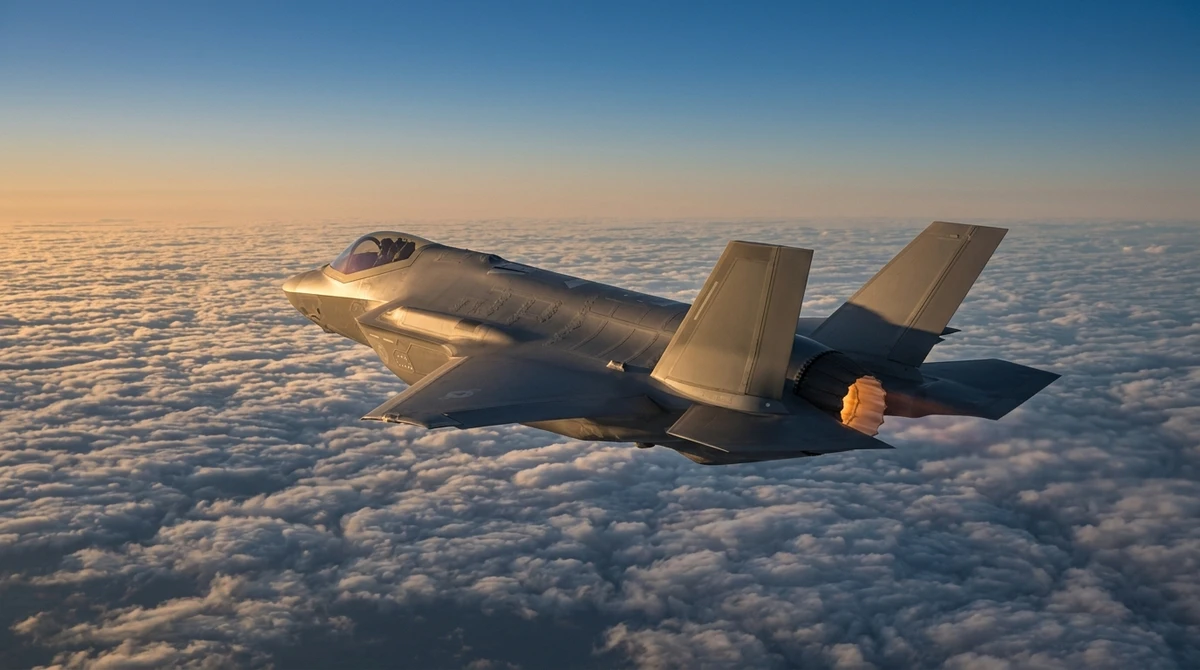
General Atomics Delivers FQ-42 Vengeance Uncrewed Fighter to Creech Air Force Base
General Atomics delivered one FQ-42 Vengeance uncrewed fighter to Creech Air Force Base, Nevada, on September 18, as the company says it is on track to build six a month and the Secretary of the Air Force expects at least 500 autonomous aircraft in service by 2032.
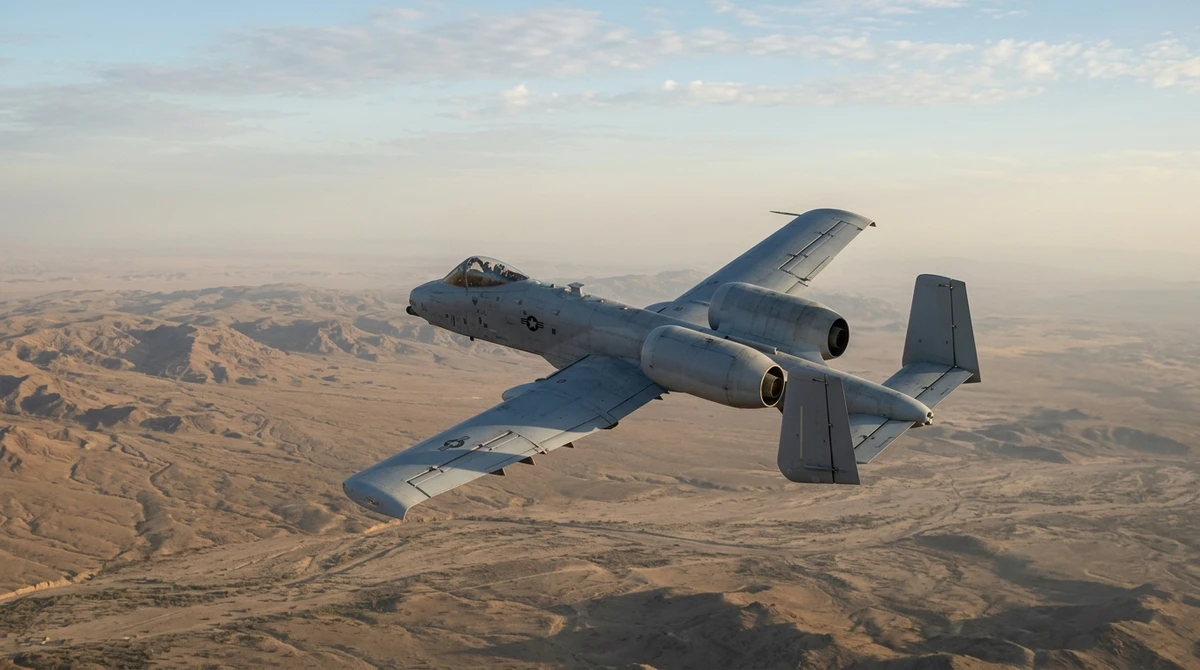
Davis-Monthan Inactivates Four A-10 Units, Ending the Base's Thunderbolt II Mission
The US Air Force inactivated four A-10 units at Davis-Monthan Air Force Base, Arizona, on September 18, 2026, ending the type's presence at the base while the FY2026 defense authorization act holds the fleet at no fewer than 103 aircraft through fiscal 2026.
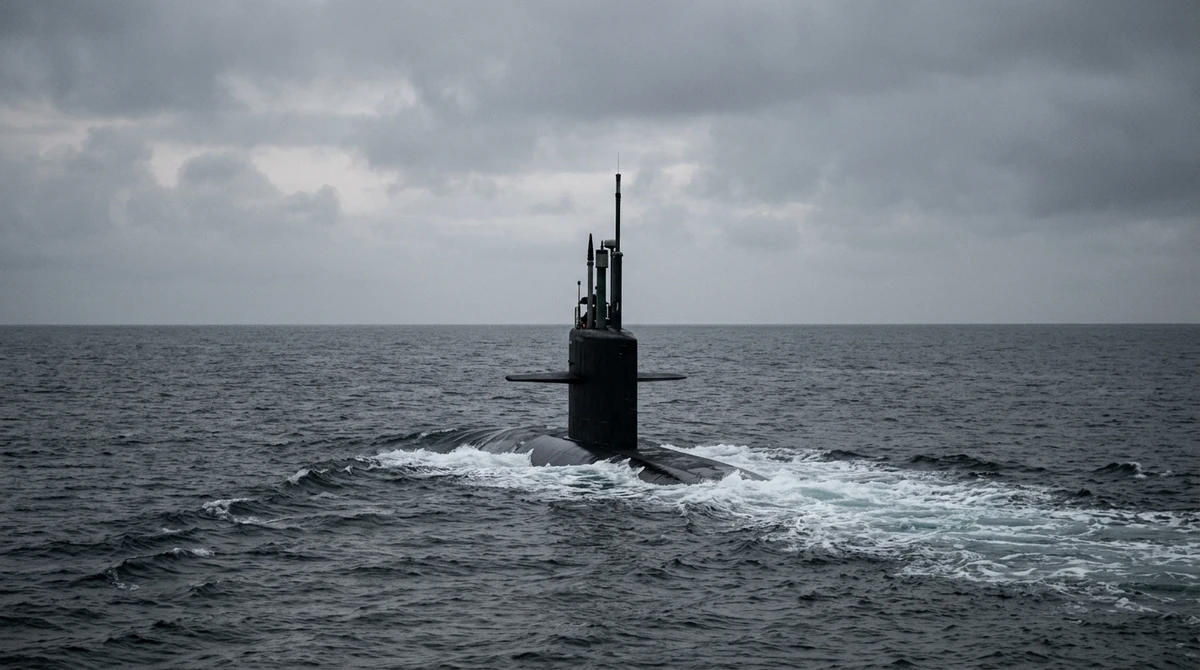
Nuclear vs Air-Independent Propulsion: How a Submarine Runs Without Air, and What Japan Is Weighing
After Japan's defense minister declined on September 11, 2026 to rule out nuclear-powered submarines, a technical explainer on how a reactor, a Stirling engine, a fuel cell and a lithium-ion battery each keep a boat under water, and what each one buys.
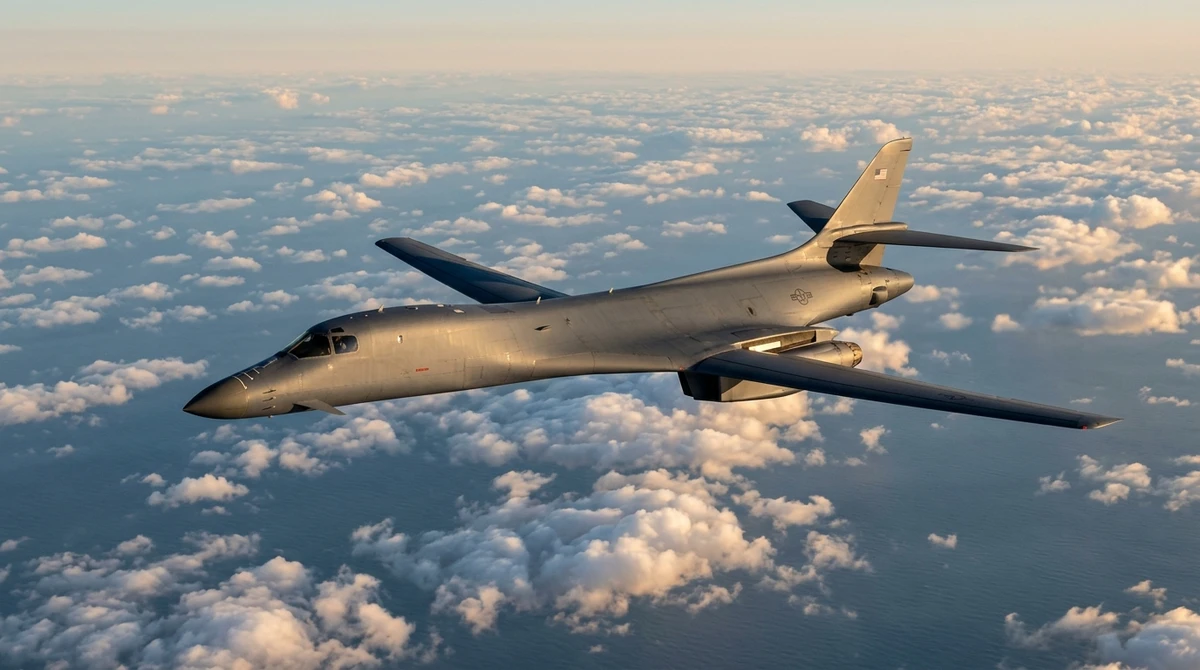
US Air Force to Extend B-1 and B-2 Service Lives With Only Three B-21s in the Fleet
Air Force Global Strike Command said on 17 September 2026 that the B-1 Lancer and B-2 Spirit will fly beyond their planned retirements, keeping a US bomber force built on 1955, 1986 and 1993 designs in service while the B-21 Raider arrives at three aircraft.