South Korea Approves Acquisition Strategy for Jangbogo N Nuclear-Powered Submarine
South Korea approved on November 6 the acquisition strategy for Jangbogo N, a domestically developed nuclear-powered submarine program due to start in 2027 with fielding in the late 2030s or later, the Defense Acquisition Program Administration said.
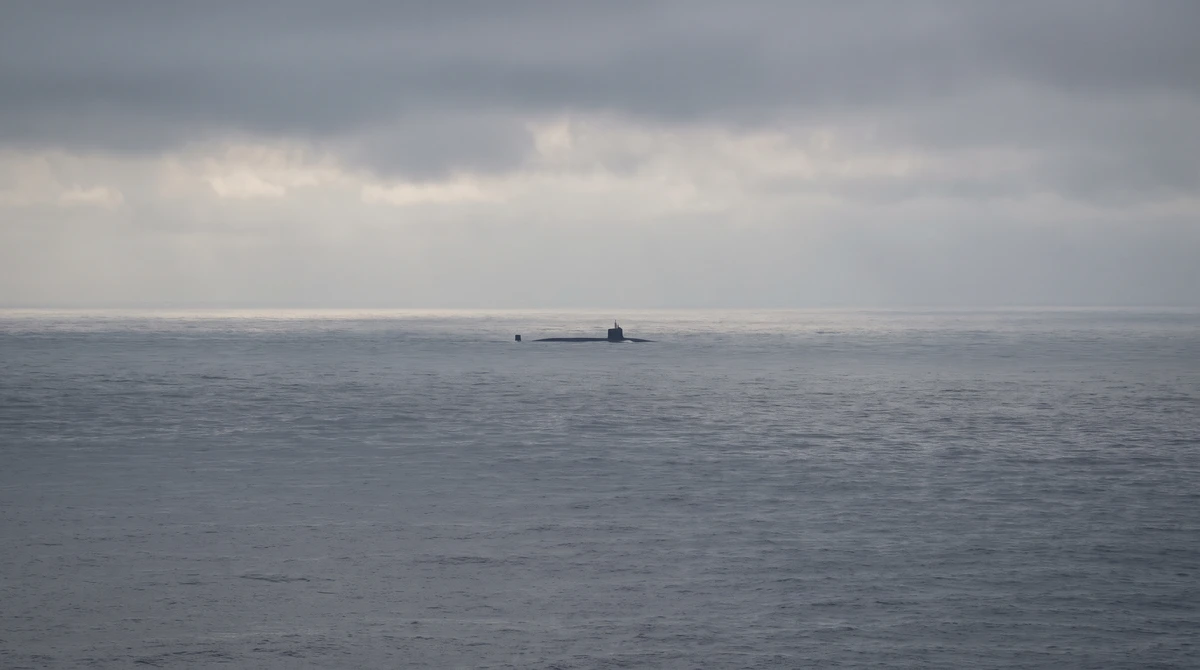
South Korea's Defense Project Promotion Committee approved the basic acquisition strategy for the Jangbogo N nuclear-powered submarine program at its 179th meeting, held at the Ministry of National Defense on Friday, November 6, 2026, the Defense Acquisition Program Administration (DAPA) said. DAPA said the program, designated KSS-III Batch-III, will acquire a nuclear-powered submarine through domestic research and development, starting in 2027 with fielding in the late 2030s or later. The total cost is under analysis and was not disclosed.
DAPA described the boat as offering improved operational capability over existing submarines, with long submerged endurance and high mobility, and said the program would strengthen deterrence against North Korean nuclear and missile threats, implement an "underwater kill chain" and reinforce self-reliant defense.
DAPA gave no displacement, quantity or fuel type. Korea JoongAng Daily reported on November 6 that a design of about 8,000 tons running on low-enriched uranium enriched below 20 percent is under consideration, and that the planning and budget minister had estimated the cost in May at about 28.9 trillion won ($21.3 billion). The newspaper said the program will start without the usual feasibility study, replaced by a separate in-depth review, and that hull design and construction will go to competitive bidding among domestic shipbuilders, with Hanwha Ocean and HD Hyundai Heavy Industries expected to compete, while the government will supply the reactor and main weapons to the builder. The government aims to launch the first boat in the mid-2030s and deploy it in the late 2030s, Korea JoongAng Daily reported, quoting a DAPA official who said the Dosan Ahn Changho class took about four years to design and five to build and expects the nuclear boat to take somewhat longer.
The fuel question is open. The Korea Times reported on November 8 that Seoul has not secured the nuclear fuel and cooperation it needs from the United States, and is pursuing a separate military nuclear cooperation arrangement under Section 91 of the US Atomic Energy Act rather than revising the existing nuclear cooperation agreement; a defense acquisition official told the newspaper the two countries have held one vice-ministerial consultation. Korea JoongAng Daily reported that talks with the United States on submarine fuel have stalled since June. The Korea Times added that Democrats won both chambers of Congress in the midterm elections the week before, and quoted a researcher warning that additional constraints could emerge given the number of nonproliferation advocates among Democrats.
The committee also selected Lockheed Martin's S-92A+ for the Command Helicopter-II program, replacing the current command helicopter from 2031 (2025 to 2031, about 873 billion won). Lockheed Martin's Sikorsky, which calls the program Presidential Helicopter II, said the Republic of Korea Air Force took delivery of three S-92s in 2007 and has flown them for nearly two decades of presidential transport, and that Korea Aviation Engineering & Maintenance Service, a Korea Aerospace Industries subsidiary, will complete the mission equipment in country. Sikorsky counts more than 300 S-92s delivered to 28 countries; the type is the basis of the US Marine Corps VH-92A.
The committee also approved the KTSSM-I Block-II tactical surface-to-surface guided weapon, a missile and launcher with range improved by about 30 percent or more over the current KTSSM to destroy early the tunnels and covered positions of enemy long-range artillery threatening the capital area (2028 to 2036, about 536 billion won). Strategies for a Harbor Patrol Boat-II and a mine-warfare unmanned surface vessel, and a revision of the TICN Block I-② radio program, passed as well.
South Korea's submarine fleet today counts 20 active boats, all conventionally powered. They comprise nine Sohn Won-il (KSS-II), eight Chang Bogo (KSS-I) and three Dosan Ahn Changho (KSS-III), with two more KSS-III boats fitting out and one on order. The Korea Times reported that the second KSS-III Batch-II boat, Seo Hui, was launched at Hanwha Ocean's Okpo shipyard in Geoje on November 3. Six navies operate nuclear-powered submarines: the United States, Russia, China, the United Kingdom, France and India; Japan has not ruled out joining them.
Next come the in-depth review, the competitive bid for the hull, DAPA's cost analysis and the fuel arrangement with Washington that Korea JoongAng Daily and the Korea Times both describe as unresolved.
More News
All news →
France Doubles FDI Frigates' Aster Missile Load to 32 as Saab Wins Sweden's FDI Weapons Fit
France's procurement agency, the DGA, finalized an order at Euronaval on November 6, 2026, to take each FDI frigate from 16 to 32 Aster air-defense missiles, while Saab announced the weapons fit for the four FDIs ordered by Sweden the same day.
USS Los Angeles at 50: 18 of the 62 Boats of the 688 Class Still Serve in the US Navy
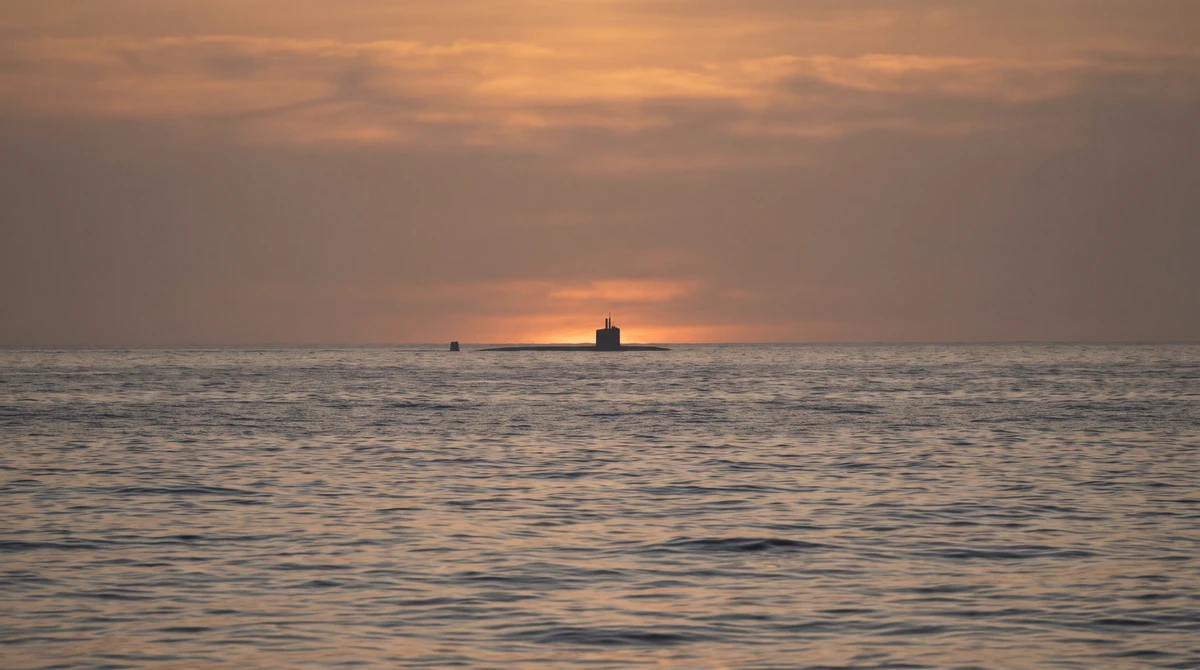
The lead boat of the US Navy's Los Angeles-class attack submarines was commissioned on 13 November 1976; fifty years on, 18 of the 62 boats built remain in commission while the Virginia class takes over, according to GlobalMilitary.net's inventory.
How Hot-Launch Mk 41 Cells and Cold-Launch Bulava Tubes Get a Missile Out of a Hull
The Mk 41 lights a missile's motor inside the ship and vents the blast through a plenum, while Bulava, Trident II and the S-300F are ejected before their motors ignite; DSIAC, Lockheed Martin and the US Navy spell out what each choice costs.
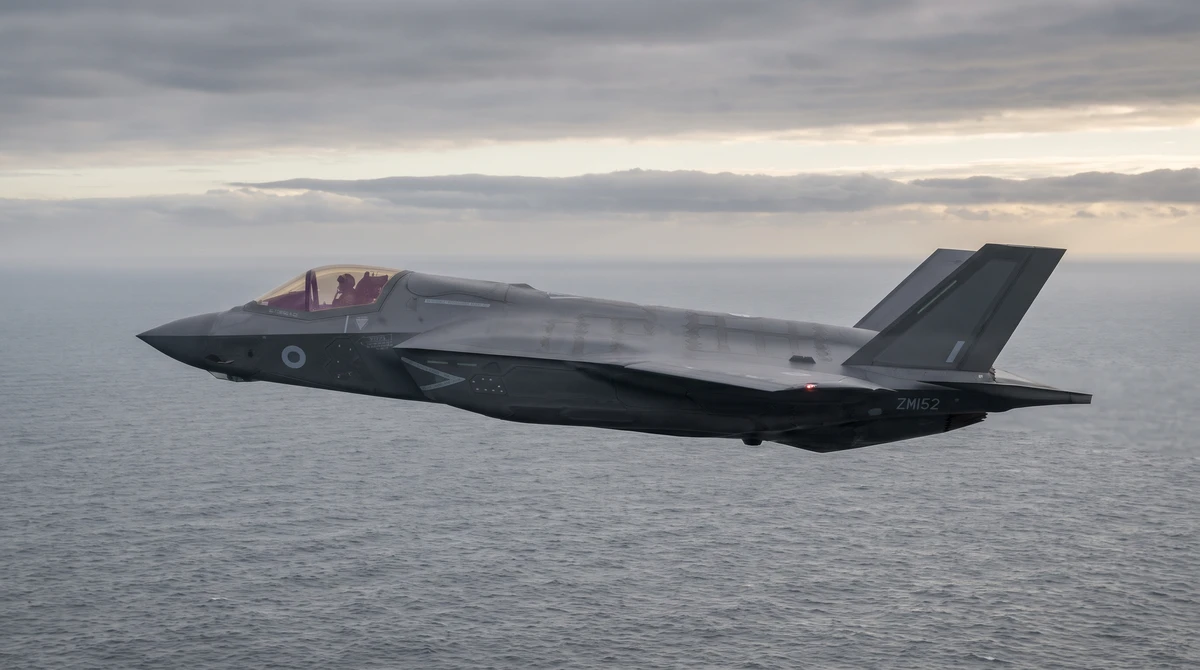
F-35B Completes First Meteor Missile Release From Its Internal Weapons Bay
An F-35B flown by a Royal Navy test pilot jettisoned an inert MBDA Meteor from its internal weapons bay at Naval Air Station Patuxent River, Maryland, on October 7, the F-35 Joint Program Office and MBDA said on November 5, the first of a series of trials ahead of live firings.
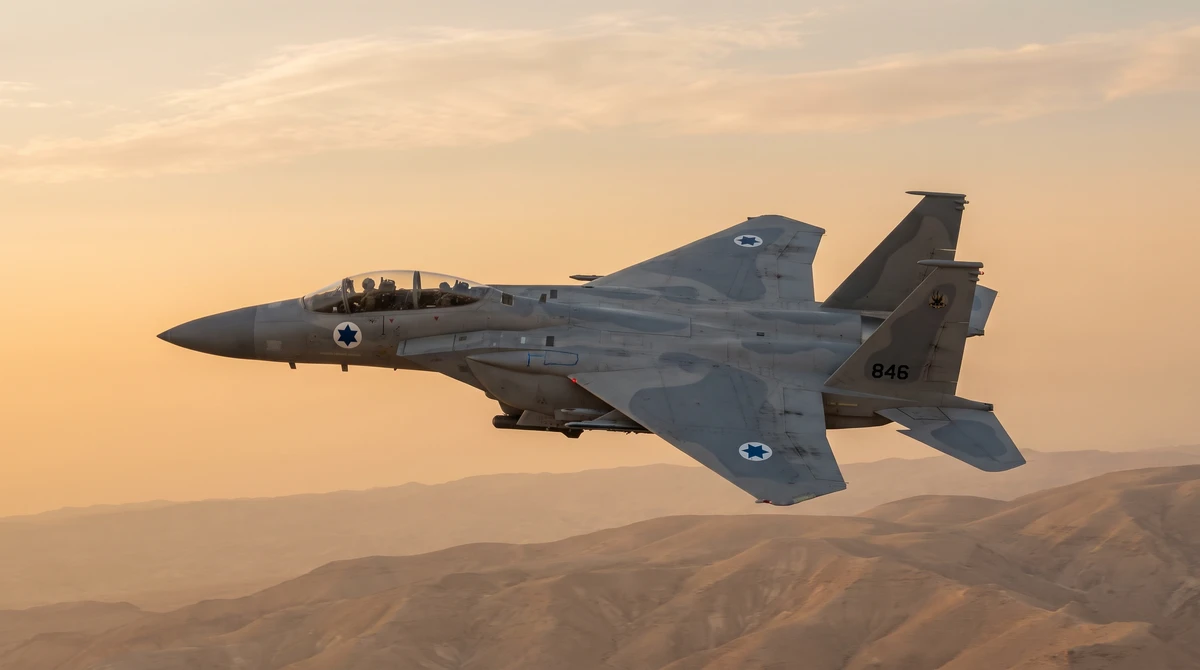
All 346 Israeli Air Force Combat Jets Are US-Built as Trump Says Aid Payments Will End This Year
President Trump said on November 3 that US payments to Israel of about $4 billion a year will end by year-end; GlobalMilitary.net data shows the Israeli Air Force, whose 346 combat aircraft are all US types, is the branch built on American equipment, while Israel's tanks are home-built.
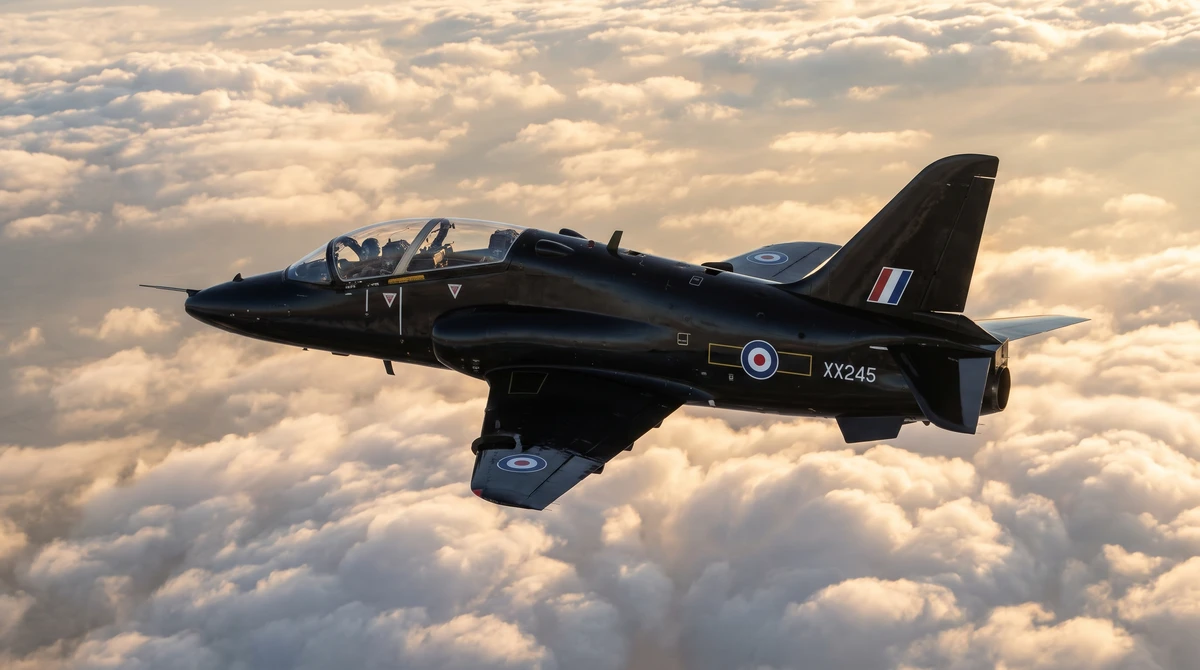
Hawk Jet Trainer at 50: RAF Launches Replacement Program as US Navy Moves to Replace T-45 Goshawk
Fifty years after the Hawk entered Royal Air Force service in late 1976, the UK Ministry of Defence has opened a Jet Training System program to replace it and the US Navy is in source selection for a successor to its Hawk-derived T-45 Goshawk, with an award intended for fiscal 2027.