Marine Corps Takes Delivery of Its Final MV-22B Osprey, Closing a 359-Aircraft Program
Bell-Boeing handed over the 359th and last MV-22B to the US Marine Corps at Amarillo, Texas, on July 28, 2026, ending two decades of production for the service. The Osprey will now be modernized rather than replaced, with the fleet expected to fly into the 2050s.
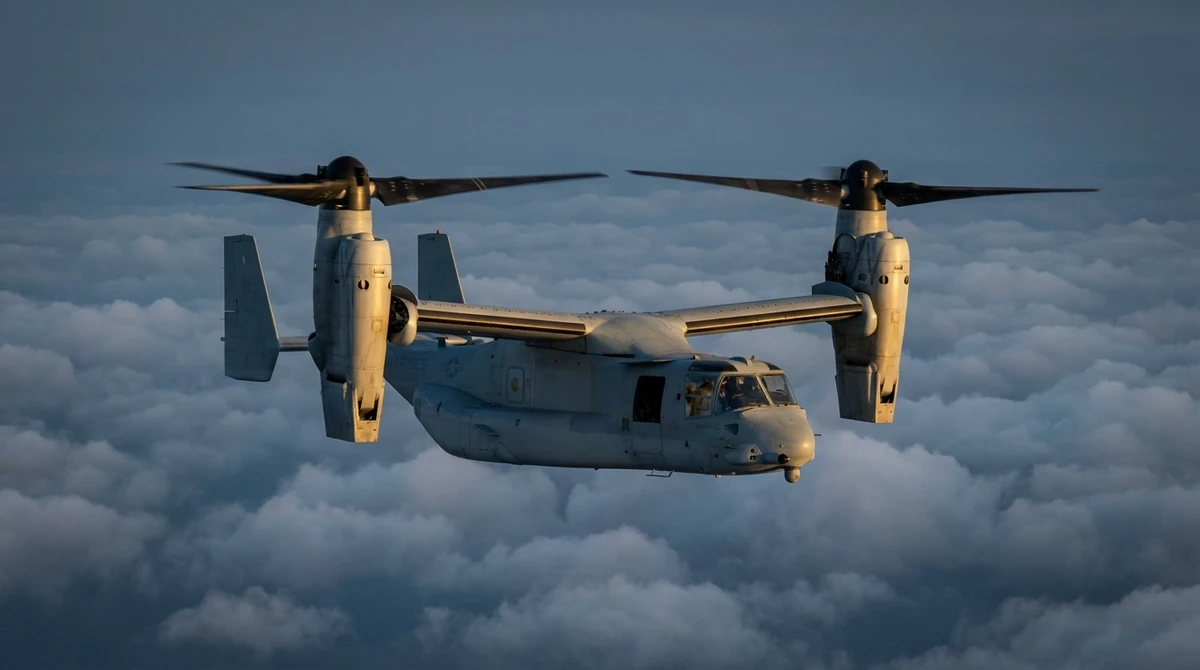
Bell-Boeing delivered the final MV-22B Osprey to the United States Marine Corps on July 28, 2026, closing a production line that supplied the service with 359 tiltrotors. The handover took place at the joint Bell-Boeing assembly plant in Amarillo, Texas, and the aircraft was accepted by Marine Medium Tiltrotor Squadron 162 of the 2nd Marine Aircraft Wing, based in North Carolina.
The delivery ends Marine Corps procurement of an aircraft that reshaped how the service moves troops off ships and between austere sites. Since reaching initial operational capability in 2007, the MV-22B fleet has logged more than 686,500 flight hours over 114 deployments, and the type now accounts for roughly 75 percent of all Marine Corps rotary-wing assault support.
"The MV-22B didn't just join our fleet; it fundamentally changed the way the Marine Air-Ground Task Force generates combat power," the deputy commandant for aviation said in a statement marking the delivery. He cautioned that the service "cannot assume that because the MV-22B transformed Marine aviation once, its evolution is complete."
Rather than open a replacement program, the Marine Corps intends to keep upgrading the fleet and operate the V-22 Osprey through 2055. Planned work covers nacelle wiring, mechanical components and maintenance burden. It also continues the response to the hard clutch engagement problem NAVAIR identified in the proprotor gearbox: a flight-hour restriction imposed on the input quill assembly in February 2023 has produced no further incidents, a new gearbox entered the fleet in 2025, and a redesigned quill assembly is in development. Aircraft below the flight-hour threshold remain under risk mitigation measures until their gearboxes are upgraded.
Osprey production has not stopped altogether. The Navy has taken 42 of its 53 CMV-22B carrier onboard delivery aircraft, with the last due in fiscal 2028, while the Air Force completed its 56-aircraft CV-22 buy in July 2025. Japan remains the only foreign operator of the type.
GMN inventory data puts the current worldwide V-22 force at 376 aircraft. The Marine Corps flies 288 MV-22Bs, by far the largest fleet, ahead of the Air Force with 52 CV-22s and the Navy with 19 CV/MV-22s and seven more on order. The Japan Ground Self-Defense Force fields 17. The concentration is extreme even by the standards of a country that leads most tallies of the air forces of the world ranked by fleet size: more than nine in ten V-22s in service anywhere belong to a US air arm.
The Osprey reached that position after one of the longest and most contested development programs in modern US aviation. The prototype first flew on March 19, 1989, weeks before the Secretary of Defense moved to cancel the program on affordability grounds; congressional support kept it funded through years of friction with the Pentagon. Crew training began in 2000 and the type was fielded in 2007, supplementing and then replacing the Marine Corps CH-46E Sea Knight. Its mix of vertical takeoff with turboprop cruise speed and range sharply extended the radius at which a Marine Air-Ground Task Force could put troops ashore.
With deliveries complete and no successor in development, the airframes handed over between 2007 and this week will have to carry the assault support mission for another three decades. The final delivery is logged in GMN's air force event tracker.
More News
All news →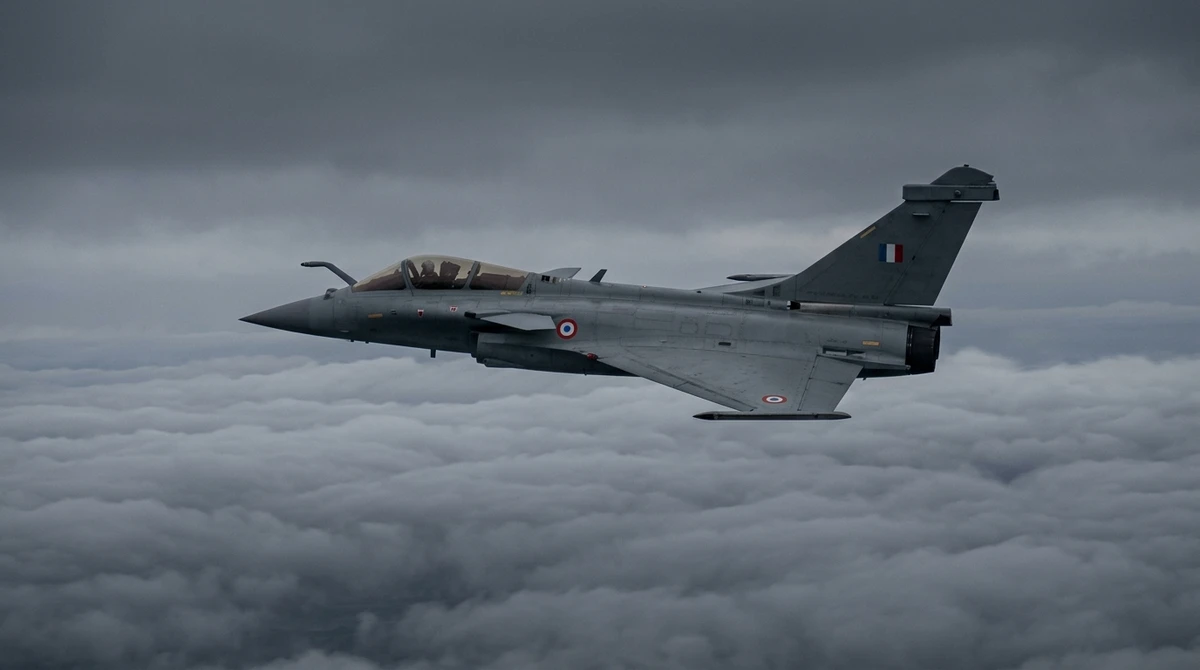
Finland Joins France's Forward Deterrence Initiative as Tenth European Participant
Finland's defense minister announced on Monday, September 14, 2026, that Finland is joining France's forward deterrence initiative, becoming the tenth European country to take part, as the two countries formalized a strategic partnership in Helsinki.
US Air Force Names Its First Two Collaborative Combat Aircraft Vengeance and Fury
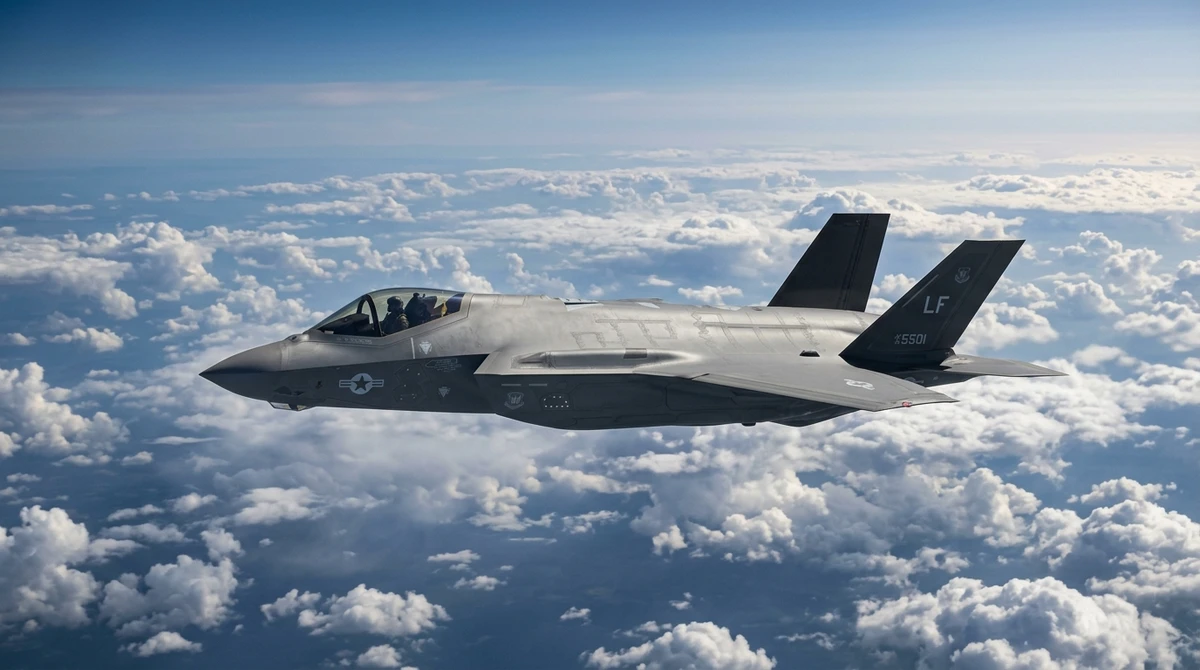
The Secretary of the Air Force announced on 14 September 2026 that General Atomics' FQ-42 is named Vengeance and Anduril Industries' FQ-44 is named Fury, as both uncrewed aircraft move into production toward a target of at least 500 in service by 2032.

Acting Navy Secretary Says Iran 'Blew the Hell Out of' Fifth Fleet Base in Bahrain
The acting US Secretary of the Navy told The Epoch Times on 9 September 2026 that Iranian strikes "blew the hell out of" Naval Support Activity Bahrain, headquarters of the Fifth Fleet, and that a task force is weighing whether to rebuild the base.

Hormuz Transits Average Three a Day in Early September, 96% Below the 2025 Norm
IMF PortWatch data published on GMN's Strait of Hormuz tracker shows commercial ship transits averaging 3.17 a day over 1-6 September 2026, against 85.5 a day in 2025; other counters read higher, but every independent count is a small fraction of the pre-war norm.

Sweden Orders M142 HIMARS in $729 Million Deal, Becoming the Program's 13th Operator
Sweden signed a SEK 7 billion ($729 million) Foreign Military Sales contract on September 7, 2026 for just over ten M142 HIMARS launchers and ammunition, announced at Ärna Air Base with Finland's defense minister, with first deliveries due in 2027.

USAF A-10 fleet down to 162 airframes as retirement date slips to 2030 amid Iran war deployment
GlobalMilitary.net's inventory data puts the US Air Force's A-10C fleet at 162 aircraft in 2026, down 43.6% since 2020, as the latest US force-structure proposal defers the type's final retirement to 30 September 2030 and the Warthog flies combat missions against Iran from Jordan.