NATO Selects Saab GlobalEye to Replace Aging E-3 AWACS Fleet
Eleven NATO allies announced on July 7, 2026, the joint procurement of up to 10 Saab GlobalEye aircraft to succeed the alliance's Boeing E-3 Sentry AWACS fleet, months after Boeing's E-7 Wedgetail was dropped as NATO's presumptive successor.
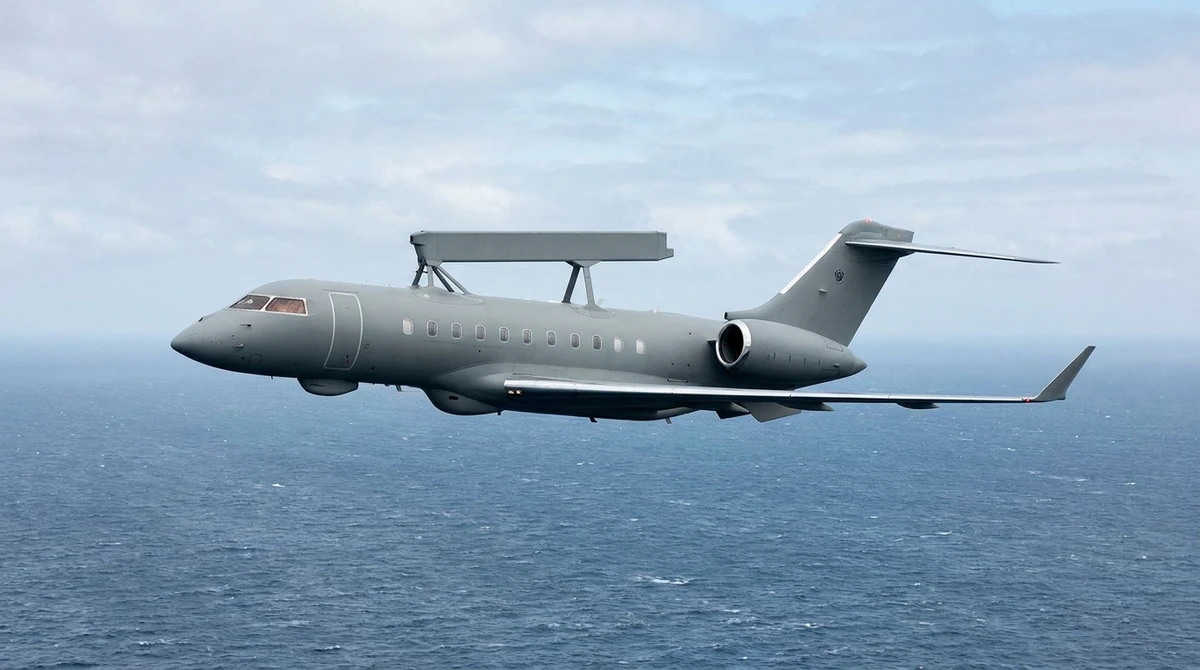
NATO announced on July 7, 2026, that eleven member states will jointly procure up to 10 Saab GlobalEye aircraft to replace the alliance's aging fleet of Boeing E-3 Sentry AWACS airborne early warning planes, Secretary General Mark Rutte said at the NATO Summit Defence Industry Forum in Ankara, Türkiye.
Belgium, Canada, Denmark, Germany, Latvia, Lithuania, Luxembourg, the Netherlands, Norway, Romania and Sweden are the allies behind the joint acquisition, according to NATO's official announcement. Saab confirmed it has not yet signed a contract or received a firm order; formal negotiations with the NATO Support and Procurement Agency (NSPA) are only now getting underway, with no fixed delivery schedule confirmed. Saab CEO Micael Johansson said the company is "confident that GlobalEye is the right choice for the Alliance, delivering proven capability, adaptability and long-term operational advantage." Swedish Prime Minister Ulf Kristersson said GlobalEye aircraft acquired under earlier national orders are expected to begin operating from Swedish bases by 2027, ahead of any NATO-wide deliveries.
The selection follows NATO's decision to drop Boeing's E-7 Wedgetail as its presumptive E-3 successor in November 2025, citing the loss of the program's "strategic and financial basis" amid uncertainty over the U.S. Air Force's own Wedgetail purchase. That left GlobalEye as the only Western jet-powered AEW&C aircraft still in production, built on a Bombardier Global 6500 business-jet airframe fitted with Saab's Erieye Extended Range radar and a multi-domain command-and-control suite. NATO says the system can track air, land and sea targets from a single platform, including low-observable threats, drone swarms, and ballistic and cruise missiles.
GlobalEye already flies for Sweden, its launch customer, and France, which ordered two aircraft in a roughly $1.3 billion deal finalized in December 2024; the United Arab Emirates operates an earlier Erieye-equipped variant. Canada opened its own negotiations for the aircraft in May 2026, and Germany and Poland have separately expressed interest in the platform. NATO's current E-3A fleet has flown from NATO Air Base Geilenkirchen, Germany since 1982 and is nearing the end of its operational life.
NSPA talks with Saab are expected to continue in the coming months, with initial GlobalEye deliveries to NATO not anticipated before 2030 and full operational capability targeted for 2031. The Ankara forum also produced a separate track in which eight allies launched a parallel cooperative project on national airborne early warning requirements outside the NATO-wide buy.
More News
All news →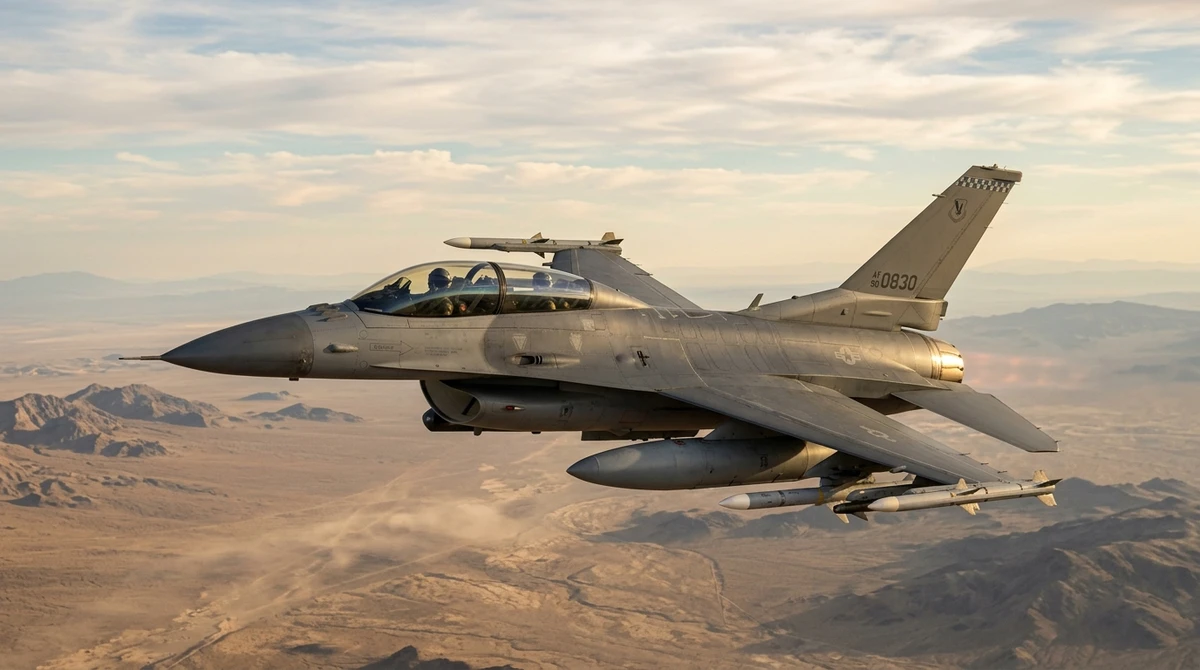
Morocco's First F-16 Block 72 Makes Maiden Flight, the First Pratt & Whitney-Powered Viper to Fly
Lockheed Martin said on October 6 that the Royal Moroccan Air Force's first F-16 Block 72, a two-seat F-16D, had flown from its Greenville, South Carolina, plant, the first flight of the Pratt & Whitney-engined version of the latest-generation Fighting Falcon.

Spain Selects Airbus A321 as Platform for Three SIGINT Aircraft in €436M Program
Spain has chosen the Airbus A321 as the platform for three signals-intelligence aircraft for the Spanish Air and Space Force, restoring a dedicated airborne SIGINT capability the country has lacked since its Boeing 707 was retired in 2014.
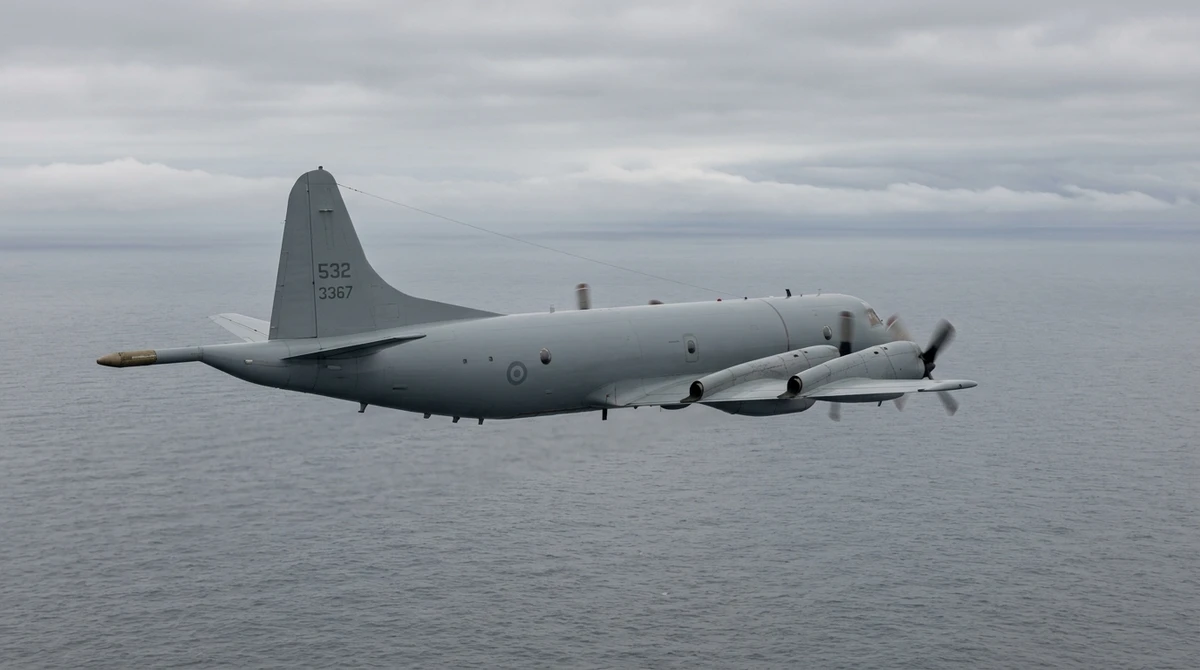
P-3 Orion Fleet Down to 101 Aircraft in 12 Countries, Roughly Half Its 2022 Size
GlobalMilitary.net's inventory data counts 101 P-3 Orions in military service across 12 countries, down from 211 in 16 countries in its 2022 snapshot, as US agencies retire special-mission Orions and Japan draws down the largest remaining fleet.

Northrop Grumman's YFQ-48A Talon Blue Completes First Fully Autonomous Flight at Mojave
Northrop Grumman said on October 3, 2026 that its company-funded YFQ-48A Talon Blue had taxied, taken off, maneuvered and landed without pilot input at Mojave, California, as the US Air Force prepares to select designs for Increment 2 of its Collaborative Combat Aircraft program.
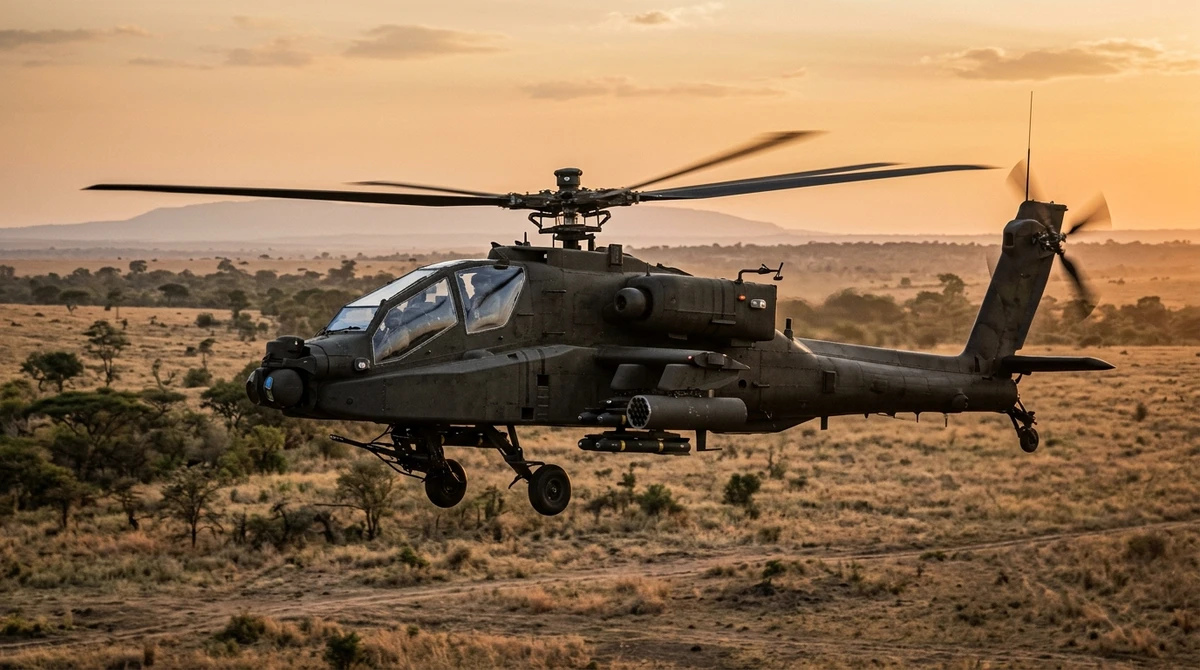
Australia Retires Its Tigers, Leaving Three Operators Among the World's 3,623 Attack Helicopters
The Australian Army has retired its Tiger attack helicopters, marking the fleet's sundown in Darwin on 30 September and leaving France, Germany and Spain as the only users; GlobalMilitary.net data counts 3,623 active attack helicopters in 81 countries.
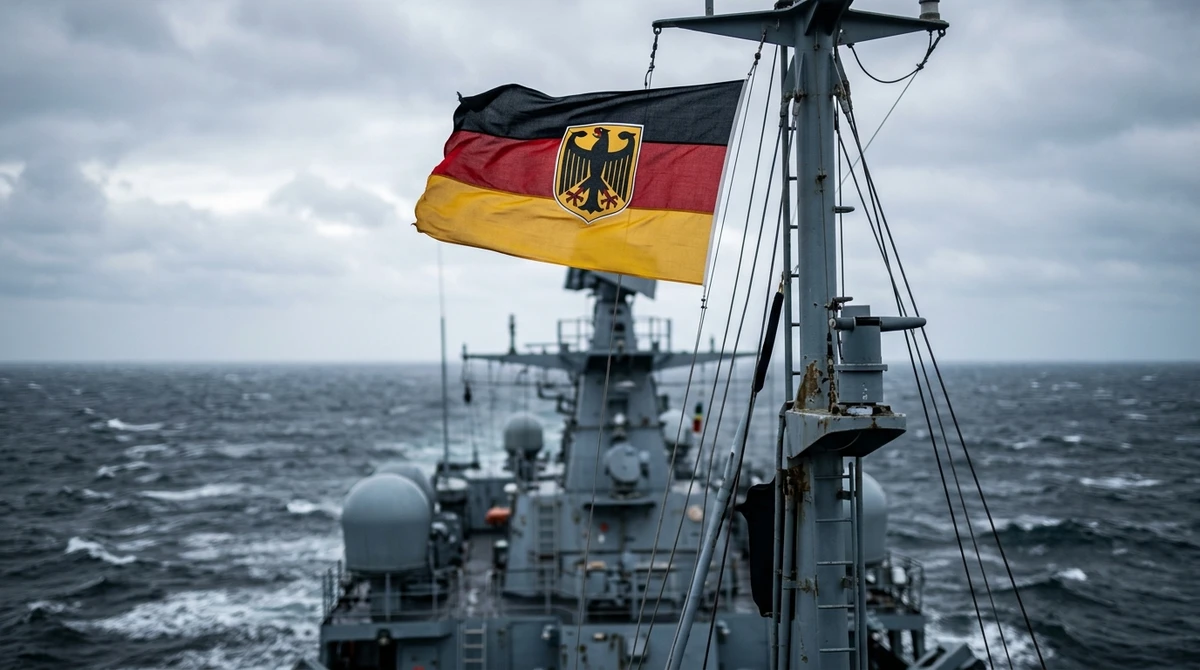
Germany Contracts Diehl to Arm Its Four F125 Frigates With IRIS-T SLM Air Defense Missiles
Diehl Defence and Germany's BAAINBw procurement office signed a contract on October 2, 2026 to adapt the IRIS-T SLM surface-to-air missile system for the German Navy's four Baden-Württemberg-class frigates, which were completed without a medium-range air defense missile.