GlobalMilitary.net Open-source military intelligence Updated daily
Europe ยท Oslo

Norway Military Forces

Open-source order of battle for 2026: 23,250 active troops, 111 aircraft, 60 warships, 764 ground vehicles.

World rank #34 Military index 45.2/100
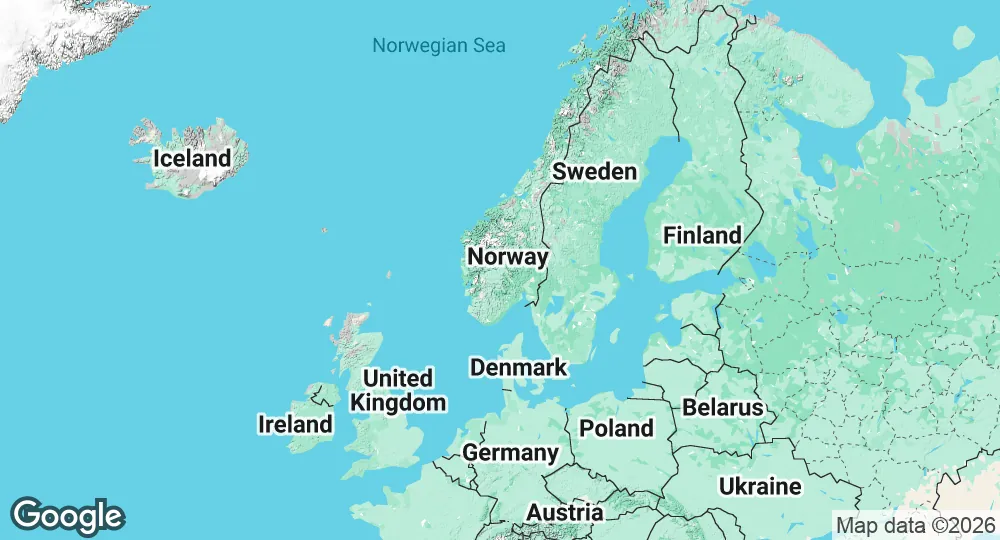
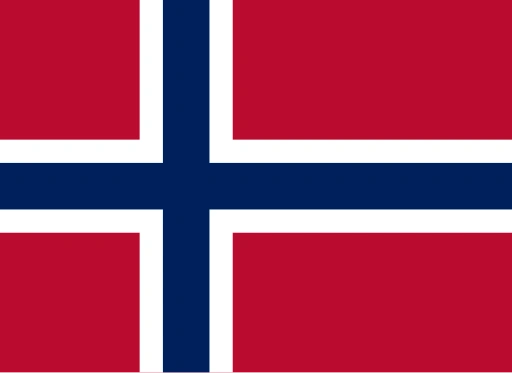
Map of Norway Flag of Norway
Active troops
23K
Reserve troops
40K
Defense budget
$16B2025
Share of GDP
3.4%
Population
5.6M2024

Armed Forces in 2026

Domain Strength Composition
Royal Norwegian Air Force 111 aircraft 52 combat 34 helicopters 11 air bases +6 on order
Royal Norwegian Navy 60 warships 10 major combatants 6 submarines
Ground Forces 764 vehicles 44 main battle tanks
Personnel 23,250 active 40,000 reserve

ARMS Index (Aggregate Rating of Military Strength)

Full ranking โ†’
Score & Pillar Breakdown World #34
45.2/ 100
Norway ranks #34 of 175 in the ARMS Index (Aggregate Rating of Military Strength) with a score of 45.2/100. The ARMS Index scores Norway's overall capability on a 0โ€“100 scale from verifiable data across six pillars: manpower, ground forces, naval power, air power, nuclear deterrent and defense budget, with a readiness modifier derived from budget per soldier.
Pillar Weight Score Basis
Manpower 15% 58.4 Active, reserve & paramilitary personnel
Ground forces 20% 43.8 Tanks, armor & artillery weighted by type
Naval power 20% 45.2 Weighted by hull type: carrier tiers, nuclear vs conventional submarines
Air power 25% 46.7 Weighted by aircraft type and fleet age
Nuclear deterrent 10% 0.0 No declared nuclear capability
Defense budget 10% 57.4 Annual spending, purchasing-power adjusted
Readiness modifier ×1.20 Budget per soldier: proxy for training, maintenance & technology

Country File

Defense Statistics & Key Metrics
Population5.6M (2024)
GDP$483.6 billion (2024)
GDP per capita$86,785
Military budget$16B (2025)
Share of GDP3.4% (2025)
Military spending per capita$2,951 (2025)
Inflation rate3.15% (2024)
Military Budget History
2021 โ€” $8.6B, 1.70% of GDP $8.6B 2021 2022 โ€” $8.9B, 1.50% of GDP $8.9B 2022 2023 โ€” $8.7B, 1.80% of GDP $8.7B 2023 2024 โ€” $11B, 2.30% of GDP $11B 2024 2025 โ€” $16B, 3.40% of GDP $16B 2025
Budget (US$) Share of GDP (0-5%)
Share of GDP (line): CIA World Factbook (public domain). Budget in US$ (bars): that share applied to World Bank GDP (CC BY 4.0). Estimates.
Geography
CapitalOslo
RegionEurope
Land area365,957 kmยฒ
Coastline83,281 km
Land borders2,551 km
Bordering countries3
CurrencyNOK
National Flag Adopted 1821
Flag of Norway
Aspect ratio8:11
ColorsRed, blue, white
Compare this Country
๐Ÿ‡ณ๐Ÿ‡ด Norway vs

Strategic Overview in 2026

Strategic Position

Norway occupies a specialized geopolitical position as NATO's northern anchor, sharing a land border with Russia and maintaining extensive maritime boundaries in the Arctic and North Atlantic. The primary security focus centers on the High North and the Barents Sea, where proximity to the Russian Northern Fleetโ€™s bases on the Kola Peninsula dictates defense priorities. Strategic doctrine is oriented toward maintaining situational awareness in the Arctic, ensuring freedom of navigation along maritime communication lines, and upholding national sovereignty through a combination of independent deterrence and collective defense.

As a founding member of NATO, Norway integrates its defense planning within the alliance's Northern Flank framework. Regional security is further coordinated through the Nordic Defense Cooperation (NORDEFCO), a partnership that has deepened since the accession of Finland and Sweden to NATO. This integration facilitates joint operational planning, shared airspace surveillance, and cross-border training exercises. Norway also participates in the UK-led Joint Expeditionary Force (JEF), enhancing its ability to respond to regional crises alongside European partners.

The Long-Term Defense Plan (2025โ€“2036) establishes the framework for national defense, prioritizing the surveillance of maritime territories and the strengthening of ground forces in the Finnmark region.

Military Forces

The Norwegian Armed Forces (Forsvaret) are organized into five primary branches: the Army, Royal Norwegian Navy, Royal Norwegian Air Force, Home Guard, and Cyber Defense Force. Operational command is centralized under the Chief of Defense and the Norwegian Joint Headquarters.

Personnel strength includes approximately 25,000 active-duty members, including military and civilian staff. This force is supplemented by a reserve component and the Home Guard, which maintains a strength of approximately 40,000 to 45,000 personnel. National service is compulsory for both men and women, providing a steady intake of conscripts that the government plans to increase to 13,500 annually by 2036.

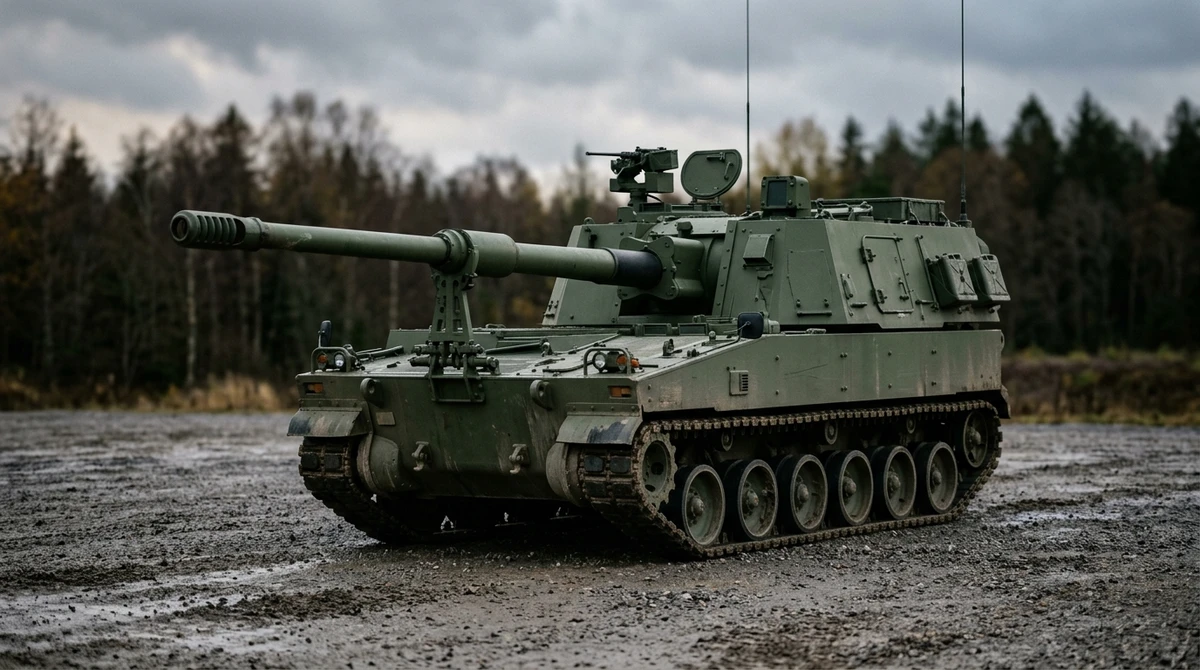
The Army is undergoing expansion from its historical core of a single brigade (Brigade Nord) to a three-brigade structure. In 2025, the Finnmark Brigade was formally established in Northern Norway to monitor the border region. The Army operates Leopard 2 main battle tanks, with Leopard 2A8 variants planned for future delivery. Other primary platforms include CV90 infantry fighting vehicles and K9 Thunder self-propelled artillery.

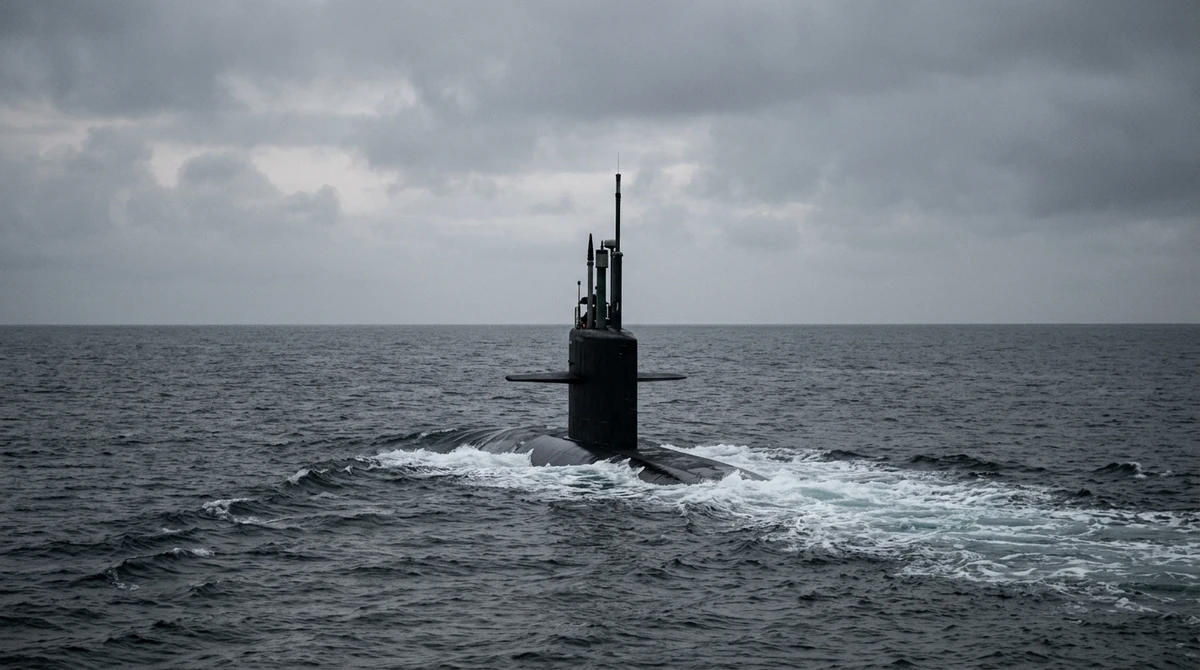
The Royal Norwegian Navy, which includes the Coast Guard, is focused on anti-submarine warfare (ASW) and coastal defense. It operates Fridtjof Nansen-class frigates and Skjold-class corvettes. In 2025, Norway selected the UK-designed Type 26 frigate as its future primary surface combatant, with plans to procure at least five vessels. Submarine capabilities rely on the Ula-class, which are being replaced by Type 212CD vessels developed in partnership with Germany.

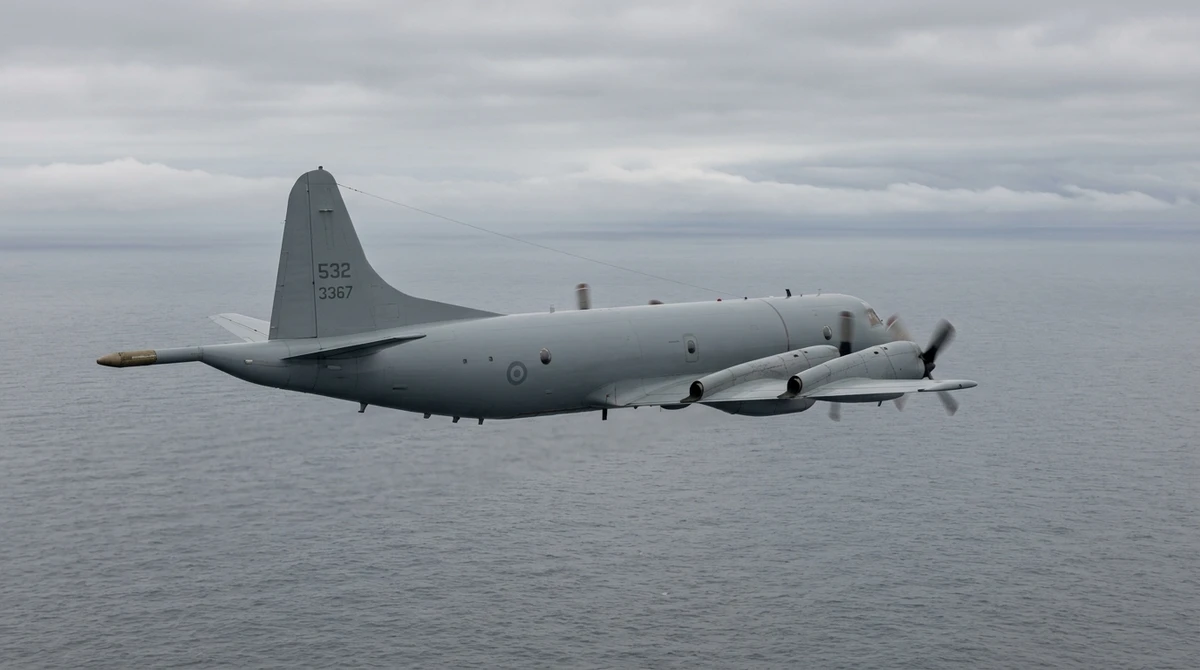
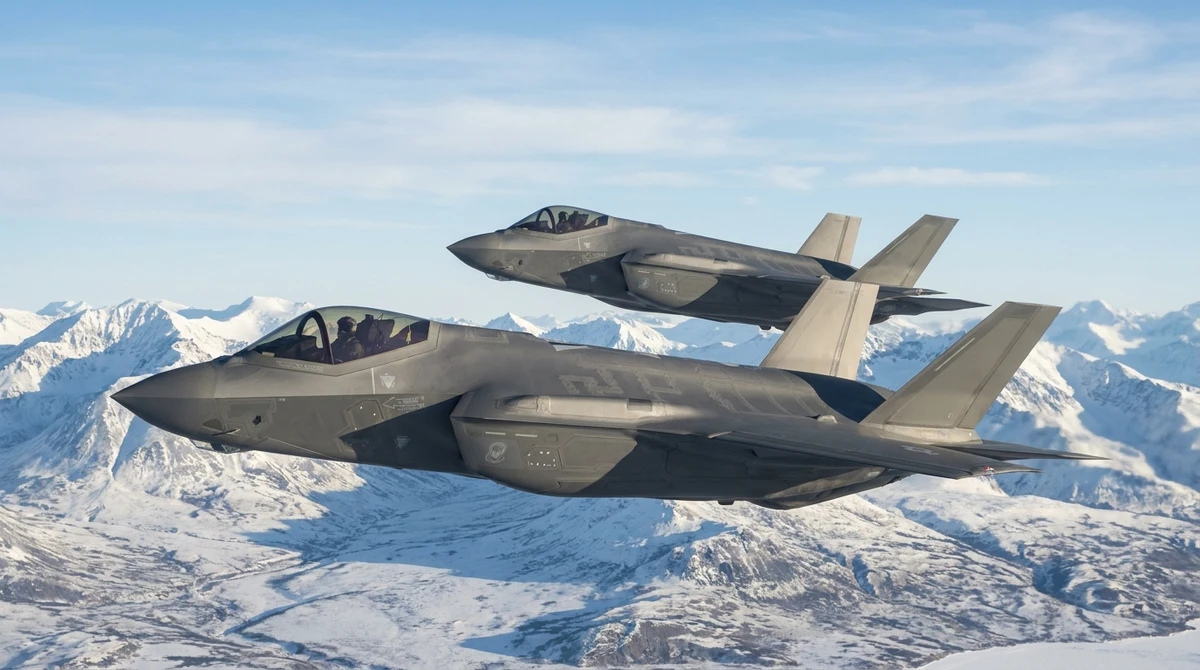
The Royal Norwegian Air Force completed the acquisition of its fleet of F-35A Lightning II fighters in 2025, making Norway the first partner nation to fulfill its full program of record for the type. Maritime patrol is conducted by P-8A Poseidon aircraft, while tactical airlift is provided by C-130J Hercules. Air defense is maintained via the National Advanced Surface-to-Air Missile System (NASAMS).

Special operations capabilities are provided by the Norwegian Special Operations Command (NORSOF), consisting of the Special Operations Commando (FSK) and the Naval Special Operations Commando (MJK).

Defense Industry

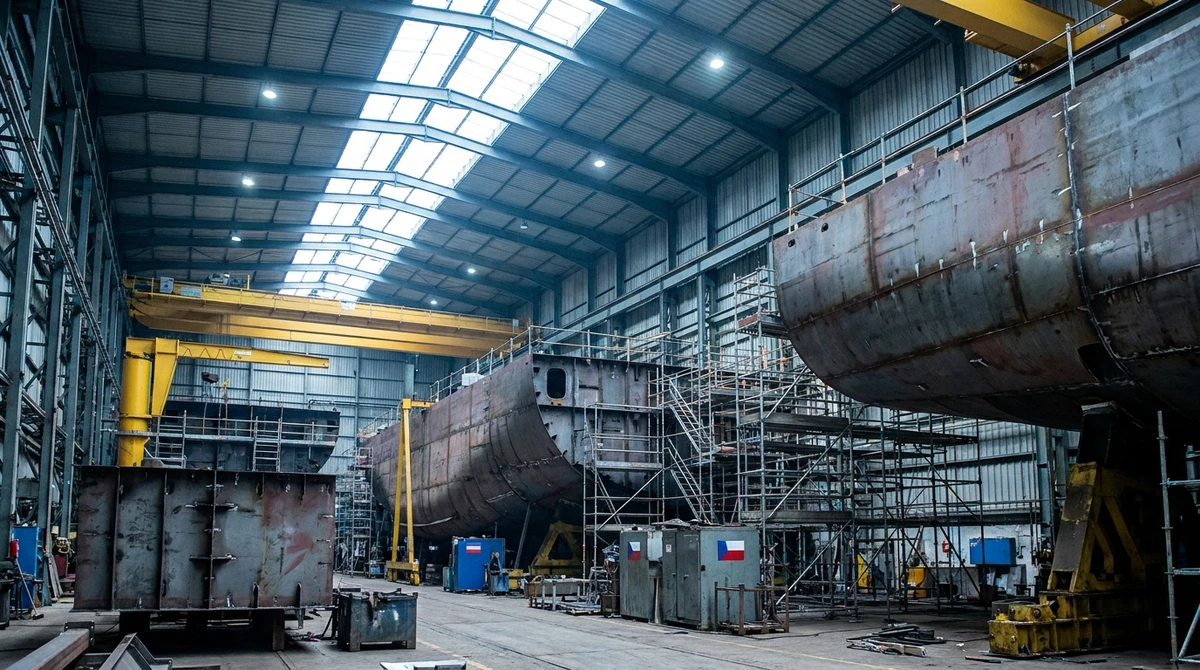
Norway maintains a specialized domestic defense industry led by Kongsberg Gruppen and Nammo. These companies produce advanced missile systems and ammunition for both national use and export.

Kongsberg is the manufacturer of the Naval Strike Missile (NSM) and the Joint Strike Missile (JSM), which are integrated into the F-35 platform. The company also co-produces the NASAMS air defense system. Nammo specializes in medium- and large-caliber ammunition, rocket motors, and the M72 Light Anti-Armor Weapon.

National defense procurement strategy emphasizes industrial cooperation, particularly for large programs like the Type 26 frigate acquisition. This agreement includes binding Industrial Cooperation Agreements (ICAs) requiring offsets equivalent to 100% of the contract value to support the domestic industrial base. While Norway relies on international partners for heavy armor and combat aircraft, it remains self-sufficient in specialized maritime technology, underwater sensors, and missile systems.

Strategic Trends

Defense spending is characterized by an upward trajectory defined in the 2025โ€“2036 Long-Term Defense Plan. In 2025, spending exceeded the NATO benchmark of 2% of GDP, with 2026 projections indicating a further increase to approximately 3.4% or 3.5% of GDP, depending on the inclusion of external military aid.

Modernization priorities are focused on the maritime and air domains. The Navy is executing a fleet renewal program that includes the introduction of Type 212CD submarines and the Type 26 frigate program, designed to counter modern underwater threats in the High North. The Air Force is prioritizing the full operational integration of the F-35 fleet and the procurement of long-range air defense systems to protect critical infrastructure.

The Army is executing a multi-year transition to a three-brigade force, requiring significant investment in recruitment, housing, and materiel. This expansion is a response to the perceived long-term threat posed by Russian military positioning. The Cyber Defense Force is receiving increased allocations to address hybrid threats and protect digital infrastructure against state-sponsored actors. Personnel retention and the expansion of educational capacity for officers remain consistent challenges as the military seeks to scale up its active force.
Population, GDP, Inflation and Personnel: World Bank.
Military Expenditure: CIA World Factbook. Last updated on 4 August 2026. Suggest a change

Norwegian Defense Manufacturing

Designed in Norway
Naval Shipbuilding 10 classes
Storm Patrol boatKobben Coastal submarineSkjold Coastal corvetteUla SubmarineFridtjof Nansen Multi-role frigateOslo FrigateBarentshav Offshore patrol vesselNordkapp Offshore patrol vesselHarstad Patrol and oil recovery vesselSvalbard Offshore patrol vessel
Missile Systems 3 systems
AGM-119 Penguin Anti-ShipNASAMS Surface-to-AirNSM Anti-Ship

In the News

All news โ†’
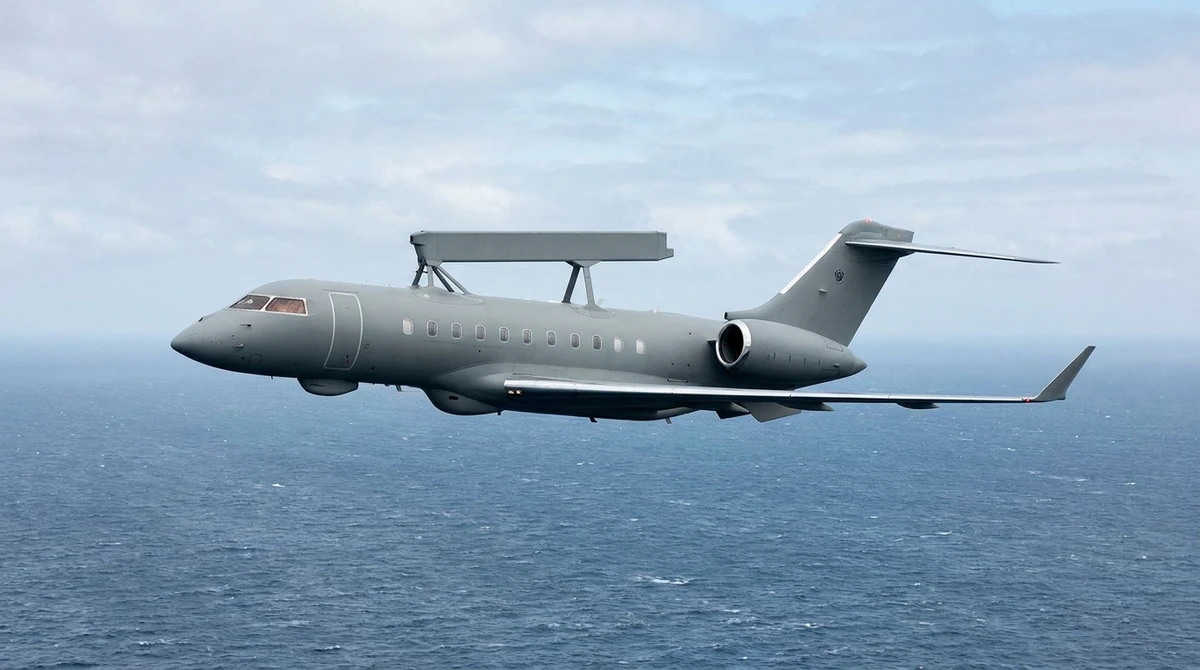
NATO Selects Saab GlobalEye to Replace Aging E-3 AWACS Fleet
JUL 10, 2026

NATO Selects Saab GlobalEye to Replace Aging E-3 AWACS Fleet

Eleven NATO allies announced on July 7, 2026, the joint procurement of up to 10 Saab GlobalEye aircraft to succeed the alliance's Boeing E-3 Sentry AWACS fleet, months after Boeing's E-7 Wedgetail was dropped as NATO's presumptive successor.

๐Ÿ‡ง๐Ÿ‡ช ๐Ÿ‡จ๐Ÿ‡ฆ ๐Ÿ‡ฉ๐Ÿ‡ช ๐Ÿ‡ฉ๐Ÿ‡ฐ ๐Ÿ‡ฑ๐Ÿ‡น ๐Ÿ‡ฑ๐Ÿ‡บ ๐Ÿ‡ฑ๐Ÿ‡ป ๐Ÿ‡ณ๐Ÿ‡ฑ ๐Ÿ‡ณ๐Ÿ‡ด ๐Ÿ‡ท๐Ÿ‡ด ๐Ÿ‡ธ๐Ÿ‡ช

Frequently Asked Questions

How large is Norway's military?
Norway has 23,250 active military personnel with an additional 40,000 in reserve. This includes army, navy, and air force service members.
What is Norway's defense budget?
Norway's annual defense budget is approximately $16.4 billion. This covers personnel costs, equipment procurement, operations, and maintenance of military forces.
How does Norway rank militarily in the world?
Norway ranks #34 globally on the ARMS Index with a score of 45.2 out of 100. This composite index measures military capability across manpower, ground forces, naval power, air power, nuclear deterrent, and defense budget, adjusted for equipment quality and readiness.
Does Norway have nuclear weapons?
No, Norway does not possess nuclear weapons and is a non-nuclear weapon state.
How many aircraft does Norway's air force have?
Norway operates 111 military aircraft including 52 combat aircraft. The fleet includes fighters, transport planes, helicopters, and training aircraft.
How large is Norway's navy?
Norway's navy operates 60 vessels including 6 submarines. The fleet includes surface combatants, support ships, and coastal patrol craft.
How many tanks does Norway have?
Norway operates approximately 44 main battle tanks. This figure includes both active inventory and reserve stocks available for mobilization.
What percentage of GDP does Norway spend on defense?
Norway spends approximately 3.4% of its GDP on defense. This meets the NATO target of 2% of GDP.
What is Norway's military personnel per capita?
Norway has approximately 4.2 active military personnel per 1,000 citizens. This ratio reflects the country's military manpower relative to its population of 5,572,279.
Does Norway have submarines?
Yes, Norway operates 6 submarines. The submarine fleet may include nuclear-powered attack submarines, ballistic missile submarines, and conventional diesel-electric boats depending on the country's naval doctrine.
Latest Data Updates
  1. AUG 42026 Updated Global Military Index updated in a site-wide editorial pass
  2. JUL 162026 Updated Global Military Index updated in a site-wide editorial pass
  3. JUN 162026 Updated Yearly statistics, military spending and 2 more fields updated
  4. JAN 232026 Updated Rank insignia updated (3 entries)
  5. JAN 212026 Updated Rank insignia updated (72 entries)
  6. JAN 172026 Updated Main battle tank count and Global Military Index updated
  7. JAN 132026 Updated Description updated