Northern Navies Initiative Joins 10 JEF Fleets With 25 Destroyers and Frigates and 19 Attack Submarines
The UK Ministry of Defence said on November 10 that the 10 Joint Expeditionary Force maritime nations signed a Northern Navies Initiative aboard HMS Prince of Wales in Oslo; GlobalMilitary.net's inventory counts 25 destroyers and frigates and 19 attack submarines among them.
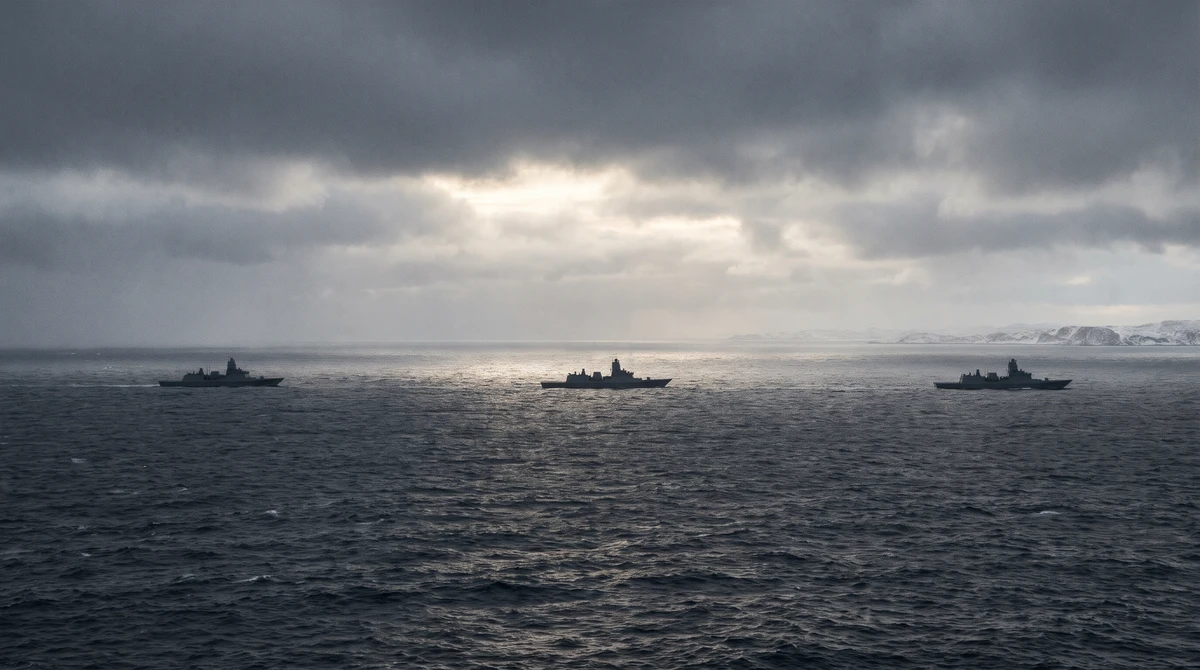
Representatives of all 10 Joint Expeditionary Force (JEF) maritime nations signed a Northern Navies Initiative agreement aboard the aircraft carrier HMS Prince of Wales at the International Sea Power Conference in Oslo, the UK Ministry of Defence said on November 10. The ministry said the agreement, signed for the Royal Navy by the First Sea Lord, is intended to make the JEF "NATO's maritime vanguard in the North Atlantic, High North and Baltic", able to act early in a crisis and then transition into NATO command.
According to the Ministry of Defence, the JEF navies will "operate in the same way, train to the same standard, plan together before a crisis" and develop compatible equipment that is "interoperable by design", so that future autonomous platforms plug into each other's command and control, "creating one large maritime force instead of 10 separate ones". The ministry gave two examples: a Royal Navy frigate could transfer operational responsibility to another JEF member, and a warship could repair, refuel and resupply in an allied port. It said the agreement delivers on a Statement of Intent proposed in London in April, and cited risks to critical undersea infrastructure and hybrid aggression.
GlobalMilitary.net's inventory shows what that single force would consist of today. The 10 nations, the United Kingdom, Denmark, Estonia, Finland, Iceland, Latvia, Lithuania, the Netherlands, Norway and Sweden, together field 25 destroyers and frigates and 19 attack submarines. The Northern and Baltic fleets of the Russian Navy count 9 major surface combatants and 16 attack submarines. The balance reverses for corvettes, where GMN data lists 30 Russian hulls in those two fleets against 13 in JEF navies.
The figures come from GMN's 2026 navy inventory snapshots, the same data behind its navy strength ranking, and count active hulls only; ships in refit or reserve are excluded. The Russian figures cover only the two fleets facing the JEF area and leave out ballistic-missile and special-purpose submarines. A hull count says nothing about tonnage, readiness or armament.
Four navies hold the destroyers and frigates
All 25 of the JEF's major surface combatants in GMN's inventory belong to four navies, and the Royal Navy alone accounts for 11 of them.
- United Kingdom, 11. Six Type 45 (Daring-class) destroyers and five Type 23 (Duke-class) frigates. The two Queen Elizabeth-class aircraft carriers are not part of the count.
- Denmark, 5. The Royal Danish Navy has three Iver Huitfeldt-class air-defense frigates and two Absalon-class frigates. Its four Thetis-class ocean patrol frigates are not counted in the 25.
- Netherlands, 5. The Royal Netherlands Navy operates four De Zeven Provinciën-class frigates and one Karel Doorman-class frigate.
- Norway, 4. The Royal Norwegian Navy fields four Fridtjof Nansen-class anti-submarine frigates.
The JEF's 13 corvettes sit in two navies. Norway has six of the Skjold class, and the Swedish Navy has seven, five Visby-class and two Göteborg-class.
The 19 attack submarines are also concentrated in four navies. The UK operates six Astute-class boats, the only nuclear-powered attack submarines in the group. Norway has six of the Ula class and the Netherlands three of the Walrus class. Sweden has four, three Gotland-class and one Södermanland-class. The UK's four Vanguard-class ballistic-missile submarines are excluded from the attack count.
The remaining signatories bring other types of ship. GMN's inventory lists no frigates, destroyers or submarines for the Finnish Navy, which has 18 mine-warfare vessels. The Estonian Navy is likewise made up of mine-warfare, patrol and support vessels, as is the Lithuanian Navy. Iceland has no navy, and Latvia's navy is not covered by GMN's inventory.
Russia's Northern and Baltic fleets
On the Russian side, GMN's inventory lists nine active major surface combatants across the two fleets. The Northern Fleet has one Slava-class cruiser, three Udaloy-class destroyers and three Admiral Gorshkov-class frigates. The Baltic Fleet has two Neustrashimy-class frigates. Corvettes make up most of the surface force, with 23 in the Baltic Fleet and seven in the Northern Fleet.
The submarine counts are closer, and the boats differ in kind. Of the 16 Russian attack submarines in GMN data, 11 are nuclear-powered. Five are cruise-missile submarines, two Oscar II and three Yasen. Six are nuclear-powered attack submarines, four Akula and two Victor III. The other five are diesel-electric, three Kilo and two Lada. Six of the JEF's 19 boats are nuclear-powered.
The Russian total excludes eight ballistic-missile submarines, three of the Borei class and five Delta IV, as well as the special-purpose submarines. Russia's submarines in these fleets are mostly nuclear-powered and larger than the conventional boats that make up most of the JEF total, so the comparison is a count of hulls and not a measure of relative strength.
Common equipment on order
The Ministry of Defence said the JEF navies will develop compatible equipment, and GMN's inventory already records some. The UK has eight Type 26 (City-class) anti-submarine frigates building or ordered, two fitting out and six more on order. Norway agreed in 2025 to buy at least five, which would put 13 hulls of the same class in two JEF navies. Both countries also fly the P-8A Poseidon maritime patrol aircraft, nine in the UK and five in Norway, 14 between them.
Other orders are national. The UK has five Type 31 general-purpose frigates building or ordered, two fitting out and three on order. The Netherlands has two new anti-submarine frigates and four Orka-class submarines on order. Norway has six Type 212CD submarines on order and Sweden two of the Blekinge class. Finland is building four Pohjanmaa-class corvettes, two fitting out and two on order.
A sensor network was announced at the same Oslo conference. The UK Ministry of Defence said on November 10 that the first phase of the Royal Navy's Atlantic Bastion program, called Atlantic Net, is a framework worth £90 million with UK company Ocean Infinity Solutions for a network of autonomous systems and sensors across the North Atlantic to detect Russian submarines. The ministry said the network would give submarine-hunting warships and Astute-class submarines earlier warning.
More News
All news →
Moldova Nearly Matches Romania in 2026 Airspace Incidents and Has No Combat Aircraft to Respond
Moldova's defense ministry counted 19 airspace violations in October, and GlobalMilitary.net's incident log, which records only established incursions, holds 31 Moldovan entries for 2026 against Romania's 32, most of them since August.
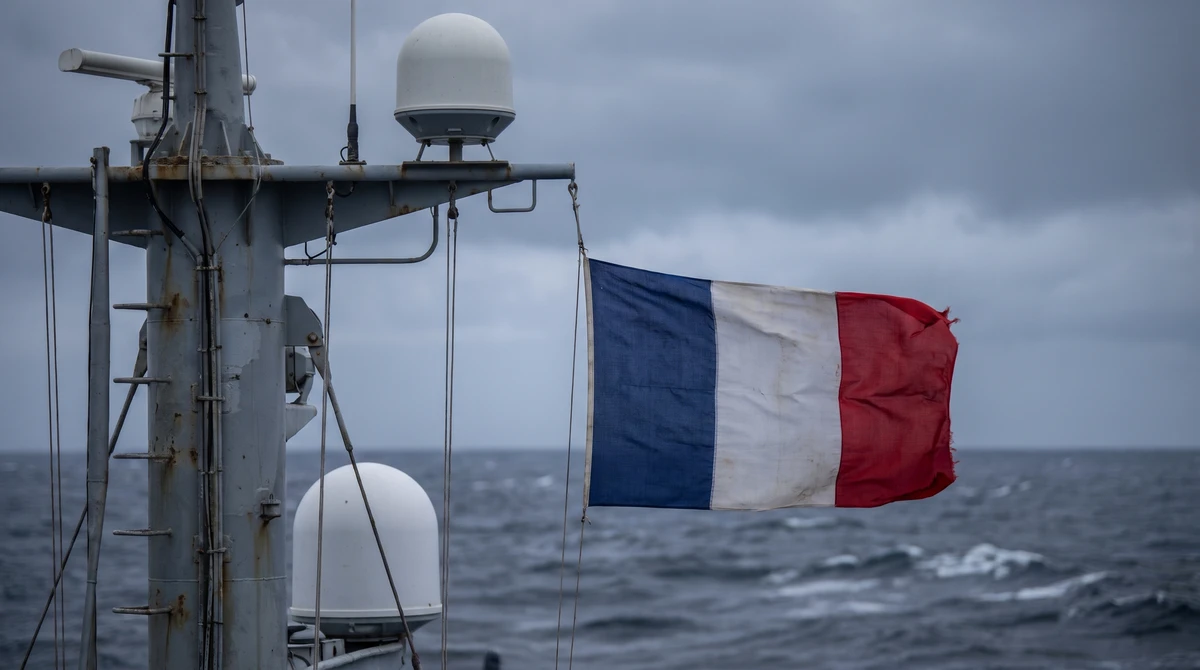
France Doubles FDI Frigates' Aster Missile Load to 32 as Saab Wins Sweden's FDI Weapons Fit
France's procurement agency, the DGA, finalized an order at Euronaval on November 6, 2026, to take each FDI frigate from 16 to 32 Aster air-defense missiles, while Saab announced the weapons fit for the four FDIs ordered by Sweden the same day.
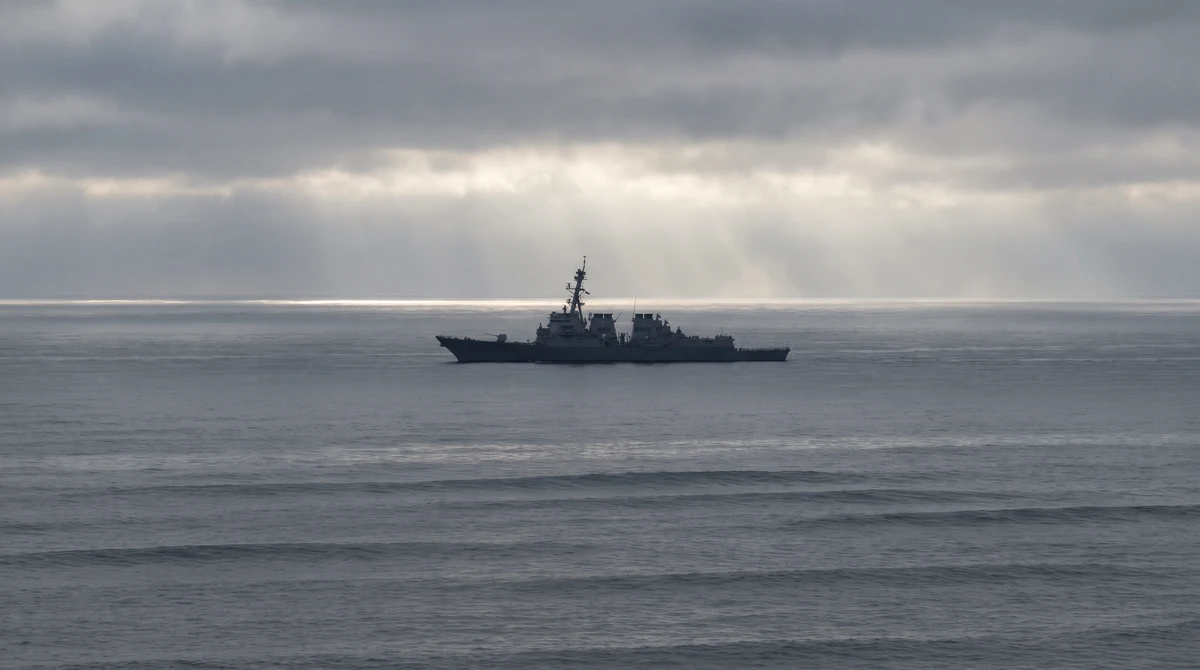
How Hot-Launch Mk 41 Cells and Cold-Launch Bulava Tubes Get a Missile Out of a Hull
The Mk 41 lights a missile's motor inside the ship and vents the blast through a plenum, while Bulava, Trident II and the S-300F are ejected before their motors ignite; DSIAC, Lockheed Martin and the US Navy spell out what each choice costs.
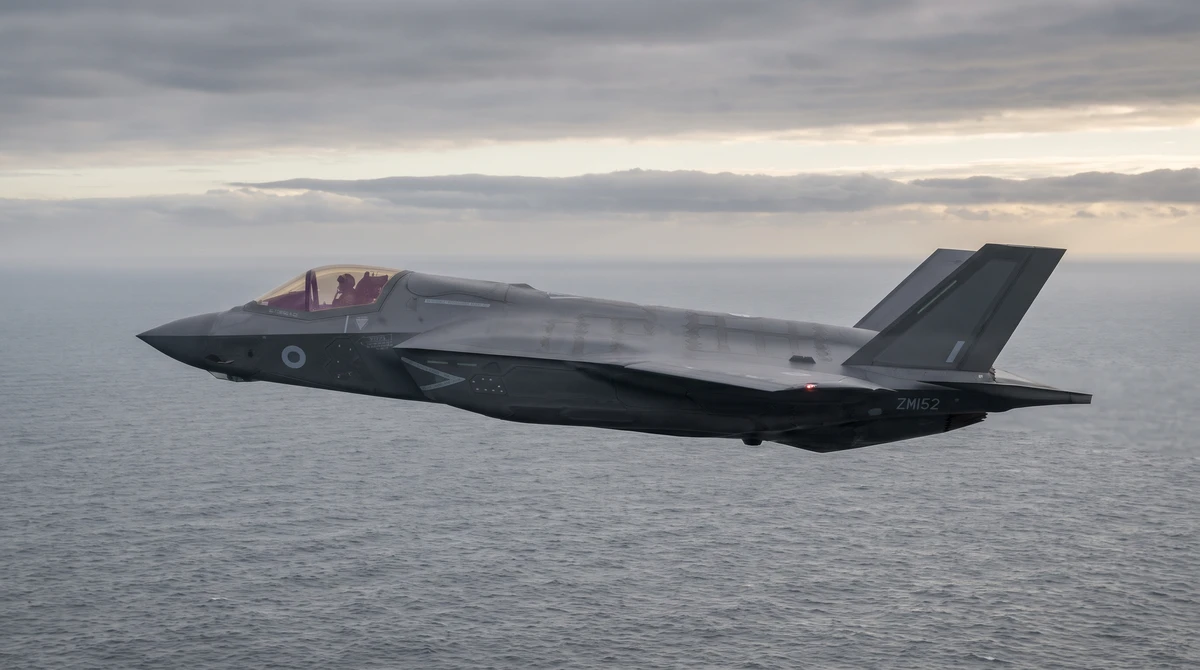
F-35B Completes First Meteor Missile Release From Its Internal Weapons Bay
An F-35B flown by a Royal Navy test pilot jettisoned an inert MBDA Meteor from its internal weapons bay at Naval Air Station Patuxent River, Maryland, on October 7, the F-35 Joint Program Office and MBDA said on November 5, the first of a series of trials ahead of live firings.
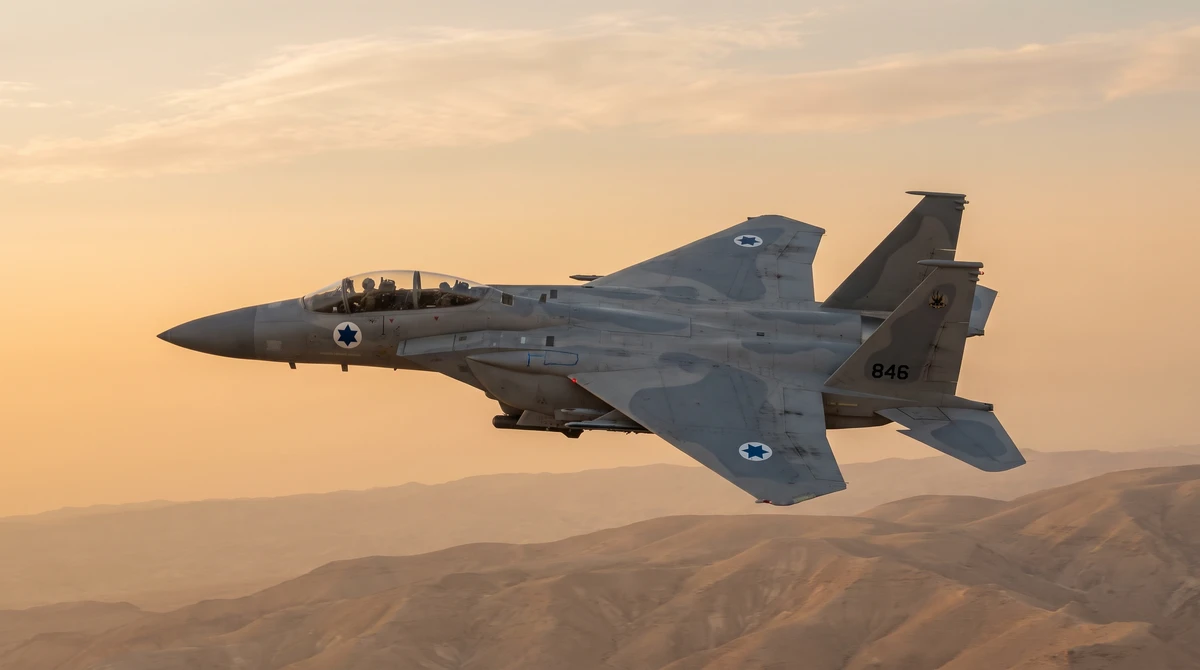
All 346 Israeli Air Force Combat Jets Are US-Built as Trump Says Aid Payments Will End This Year
President Trump said on November 3 that US payments to Israel of about $4 billion a year will end by year-end; GlobalMilitary.net data shows the Israeli Air Force, whose 346 combat aircraft are all US types, is the branch built on American equipment, while Israel's tanks are home-built.
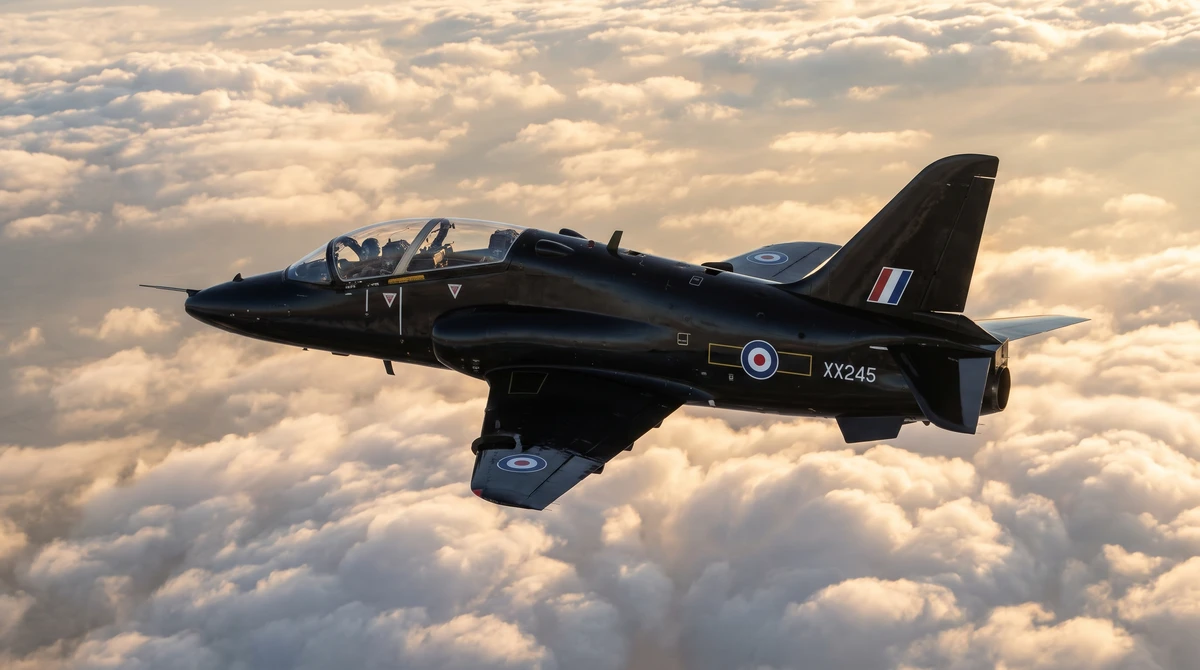
Hawk Jet Trainer at 50: RAF Launches Replacement Program as US Navy Moves to Replace T-45 Goshawk
Fifty years after the Hawk entered Royal Air Force service in late 1976, the UK Ministry of Defence has opened a Jet Training System program to replace it and the US Navy is in source selection for a successor to its Hawk-derived T-45 Goshawk, with an award intended for fiscal 2027.