UK Commits £8.4 Billion to Dreadnought Submarines in Fourth Production Phase
The government approved Delivery Phase 4 of the Dreadnought programme on 30 July, awarding BAE Systems £5.9 billion to build, integrate and test the four submarines that will carry Britain's nuclear deterrent from the early 2030s.
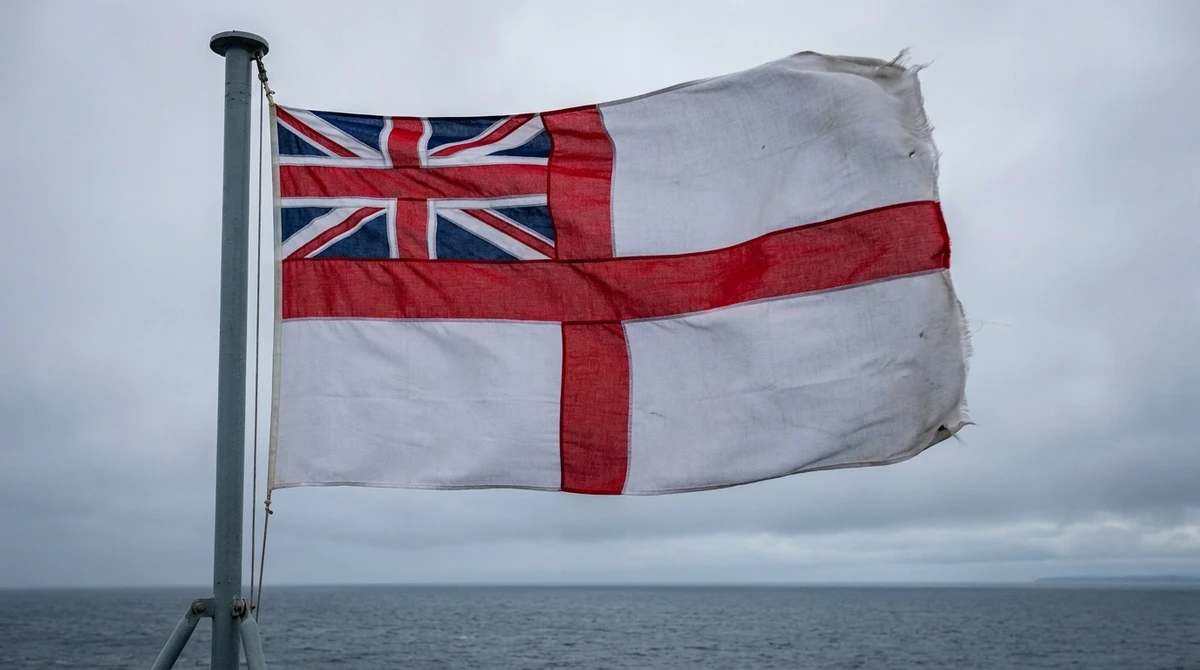
The British government committed around £8.4 billion to the fourth production phase of the Dreadnought-class ballistic missile submarine programme on 30 July 2026, the largest single tranche released so far for the four boats that will replace the Royal Navy's Vanguard class.
Prime Minister Andy Burnham announced Delivery Phase 4 during a visit to the BAE Systems yard at Barrow-in-Furness, accompanied by Defence Secretary Wes Streeting. Of the total, £5.9 billion goes directly to BAE Systems for construction, integration and testing. A further £2.5 billion funds the supply chain: long-lead items, nuclear propulsion equipment, missile compartment components, structural assemblies, electronics and specialist materials.
DP4 is tied to a defined set of milestones rather than being an open-ended funding line. It is intended to take the first boat, Dreadnought, through sea trials and into Royal Navy service in the early 2030s; bring the second, Valiant, to sea trials; and advance fabrication and outfitting of the third and fourth submarines, Warspite and King George VI, both in the early stages of construction at Barrow. Streeting framed the award as securing delivery of the class while backing British industry.
At roughly 17,200 tonnes submerged, the Dreadnought class will be the largest submarine ever built for the Royal Navy, powered by a Rolls-Royce PWR3 reactor and carrying Trident II D5 missiles in a Common Missile Compartment developed jointly with the United States. The Ministry of Defence says the wider Defence Nuclear Enterprise supports more than 6,000 British companies and around 47,000 jobs, with over 7,000 people working on the programme at BAE Systems alone. Cumulative supply chain spending has reached £8.9 billion across more than 1,500 UK suppliers, £1.3 billion of it in the last financial year.
The four boats replace the Vanguard class, commissioned between 1993 and 1999 and now the oldest element of the British deterrent. GlobalMilitary.net inventory data shows the Royal Navy operating those four SSBNs alongside six Astute-class attack submarines — a submarine force of ten hulls supporting a continuous at-sea deterrent that has run without a break since 1969. The United Kingdom ranks seventh in the global military power ranking, and the Dreadnought programme is by some distance its single largest defence project.
The award lands days after the US Navy placed a $76.6 billion order covering five Columbia-class SSBNs and nine Virginia-class attack boats, underlining that the Western sea-based deterrent is being recapitalised on both sides of the Atlantic at the same time. Both programmes draw on the same Common Missile Compartment design and, to a degree, the same stressed supplier base.
No in-service date has been given beyond "the early 2030s" for the first boat. The Vanguards are being life-extended to cover the gap, and the National Audit Office has flagged significant cost growth and resourcing pressures in the Dreadnought programme. DP4 funding runs until the fifth delivery phase is negotiated.
More News
All news →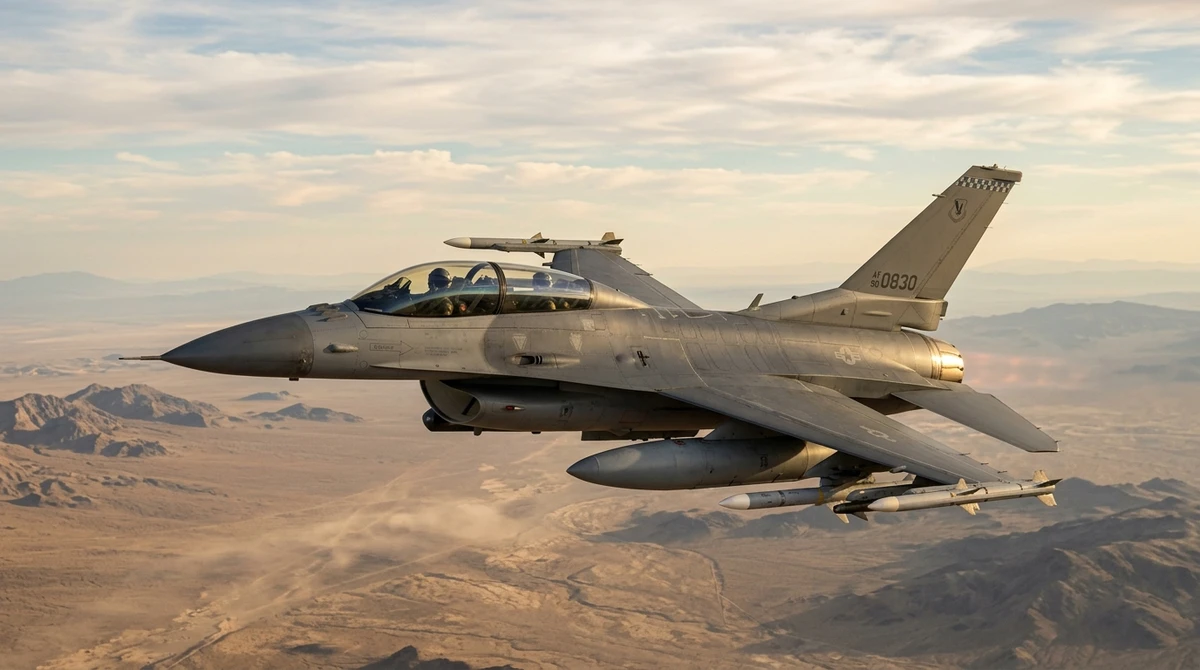
Morocco's First F-16 Block 72 Makes Maiden Flight, the First Pratt & Whitney-Powered Viper to Fly
Lockheed Martin said on October 6 that the Royal Moroccan Air Force's first F-16 Block 72, a two-seat F-16D, had flown from its Greenville, South Carolina, plant, the first flight of the Pratt & Whitney-engined version of the latest-generation Fighting Falcon.

Spain Selects Airbus A321 as Platform for Three SIGINT Aircraft in €436M Program
Spain has chosen the Airbus A321 as the platform for three signals-intelligence aircraft for the Spanish Air and Space Force, restoring a dedicated airborne SIGINT capability the country has lacked since its Boeing 707 was retired in 2014.

Northrop Grumman's YFQ-48A Talon Blue Completes First Fully Autonomous Flight at Mojave
Northrop Grumman said on October 3, 2026 that its company-funded YFQ-48A Talon Blue had taxied, taken off, maneuvered and landed without pilot input at Mojave, California, as the US Air Force prepares to select designs for Increment 2 of its Collaborative Combat Aircraft program.
Germany Contracts Diehl to Arm Its Four F125 Frigates With IRIS-T SLM Air Defense Missiles
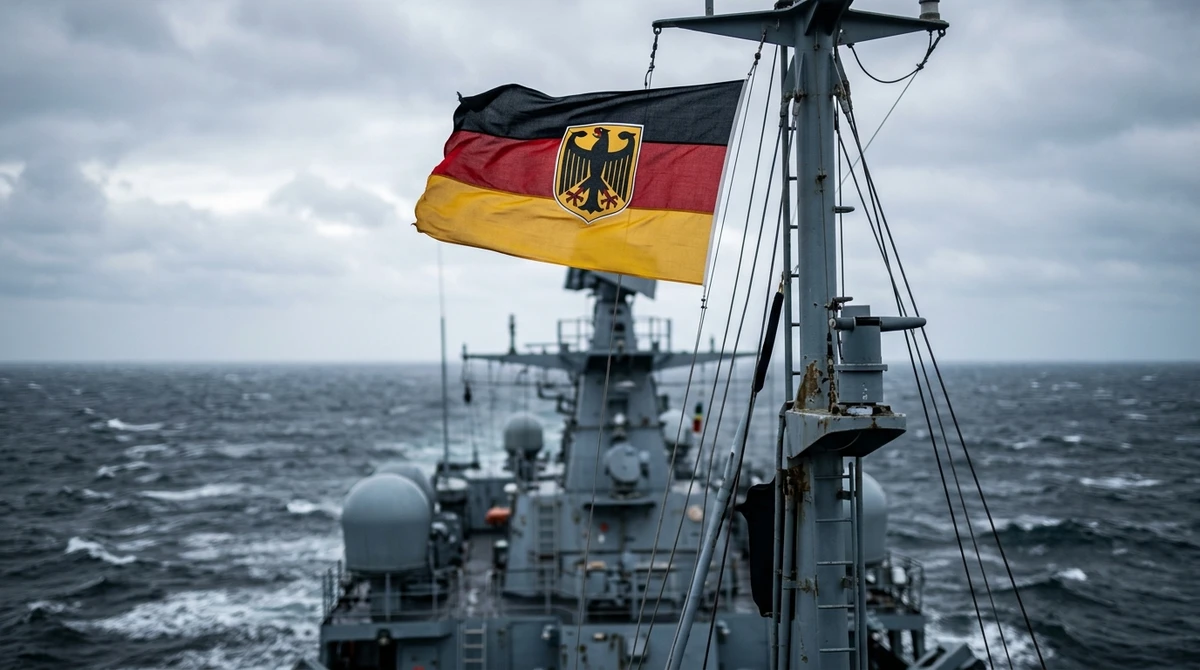
Diehl Defence and Germany's BAAINBw procurement office signed a contract on October 2, 2026 to adapt the IRIS-T SLM surface-to-air missile system for the German Navy's four Baden-Württemberg-class frigates, which were completed without a medium-range air defense missile.
US Navy Awards Raytheon Up to $24.4 Billion Multiyear Contract for SM-6 Missiles
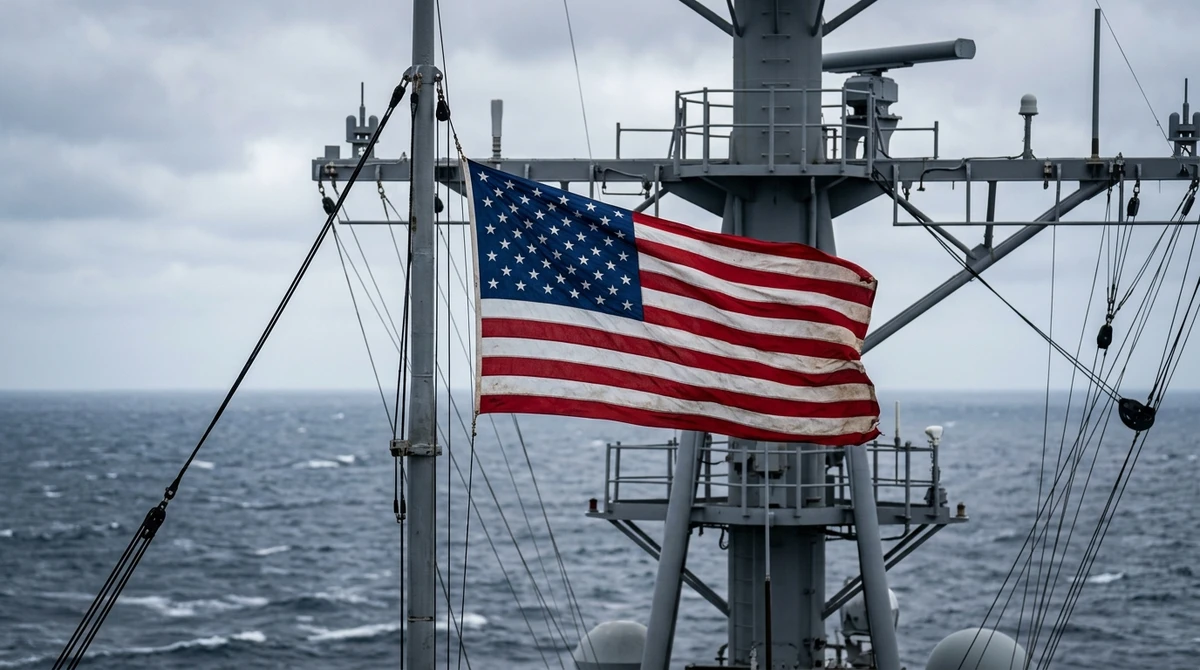
The US Navy on Oct. 1, 2026 awarded RTX's Raytheon unit a multiyear contract worth up to $24.4 billion for Standard Missile-6 interceptors, a five-year deal with two option years whose quantities remain undisclosed and whose funding Congress has yet to appropriate.
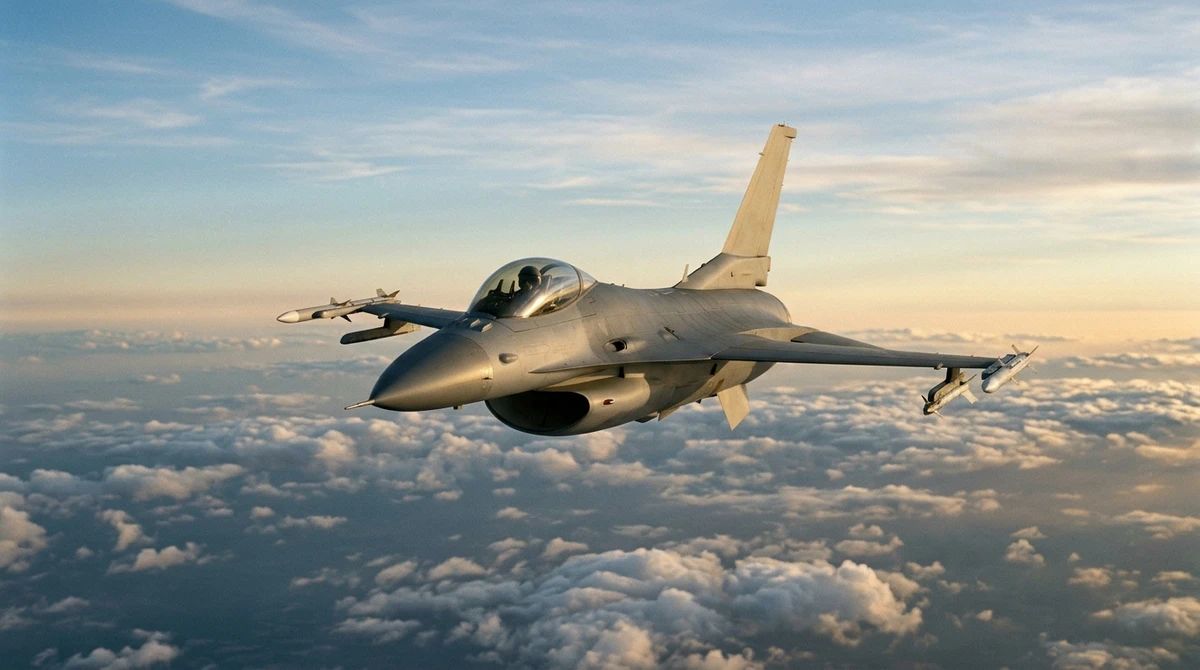
Pentagon Awards Raytheon Up to $20.7 Billion to Nearly Double AMRAAM Production
The Pentagon on 28 September announced a five-year AIM-120 AMRAAM production contract with RTX's Raytheon business worth up to $20.7 billion, an undefinitized award that Reuters described as provisional because Congress has not yet funded the full deal.