South Korea Signs 838-Billion-Won Contract to Build Its First Homegrown Aegis Destroyer
DAPA and Hanwha Ocean signed on 31 July for the detailed design and construction of the KDDX lead ship, unlocking a 7.8-trillion-won programme for six destroyers built around an entirely Korean combat system.

South Korea's Defense Acquisition Program Administration signed a 838 billion won ($581 million) contract with Hanwha Ocean on 31 July 2026 covering the detailed design and construction of the lead ship of the KDDX next-generation destroyer. The contract runs to 30 June 2032 and moves the wider 7.8 trillion won ($5.4 billion) programme from selection into steel.
DAPA named Hanwha Ocean preferred bidder on 1 July after a contest with HD Hyundai Heavy Industries that ended unusually. According to the evaluation results reported by Naval News and Janes, HD HHI scored 0.6425 points higher on the technical evaluation, but a 1.2-point deduction applied by DAPA under the security provisions of its bid-evaluation criteria reversed the ranking: Hanwha Ocean finished on 93.9542 points against 93.3675, a margin of 0.5867. HD HHI had traditionally led South Korean surface combatant programmes, making the outcome a notable shift in the country's naval shipbuilding landscape.
KDDX covers six stealth destroyers in the 6,000-tonne class, replacing the three ageing Gwanggaeto the Great (KDX-I) ships. What sets the programme apart is that both the hull and the combat system are Korean: an integrated dual-band S/X-band phased-array radar housed in an integrated mast, an indigenous combat management system and sonar suite, KVLS-I and KVLS-II vertical launch cells, and integrated electric propulsion intended to cut the acoustic signature. Basic design was completed in December 2023.
The detailed design phase now converts those parameters into production drawings while folding in three additions DAPA has emphasised: digital twin-based modelling of the ship, a multi-layered counter-drone architecture, and an embedded 5G network for network-centric operations. Delivery of the first ship to the Republic of Korea Navy is planned for 2032, with the remaining five to follow.
The Republic of Korea Navy currently fields four Sejong the Great (KDX-III) destroyers, which use the American Aegis combat system and SPY-1D radar, alongside six Chungmugong Yi Sun-sin (KDX-II) ships and three KDX-I. KDDX is therefore not a replacement for the KDX-III Aegis ships but a mid-tier successor built on sovereign technology — the point of the programme as much as the capability itself. South Korea ranks sixth in the global military power ranking.
The signature also matters for Hanwha Ocean's export ambitions. The yard has been pushing Korean surface combatants and submarines into overseas competitions, and a domestically designed radar and combat system removes the third-party release constraints that come with American or European equipment. Construction of the lead ship begins under the contract signed on 31 July; follow-on ships will be contracted separately.
More News
All news →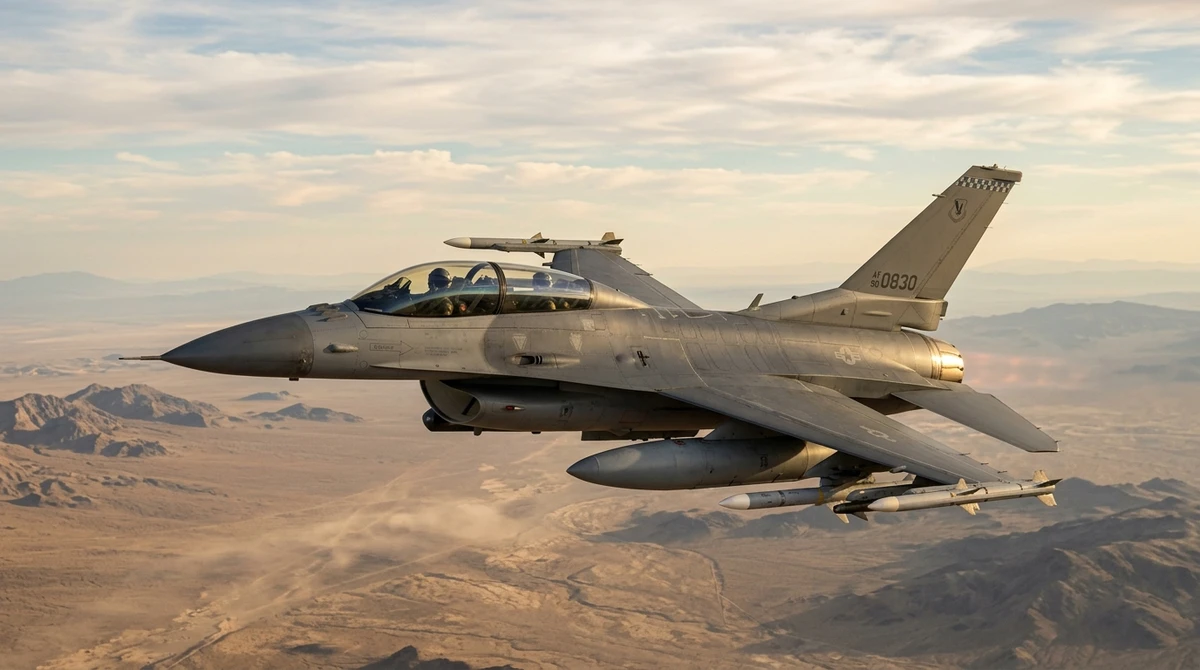
Morocco's First F-16 Block 72 Makes Maiden Flight, the First Pratt & Whitney-Powered Viper to Fly
Lockheed Martin said on October 6 that the Royal Moroccan Air Force's first F-16 Block 72, a two-seat F-16D, had flown from its Greenville, South Carolina, plant, the first flight of the Pratt & Whitney-engined version of the latest-generation Fighting Falcon.

Spain Selects Airbus A321 as Platform for Three SIGINT Aircraft in €436M Program
Spain has chosen the Airbus A321 as the platform for three signals-intelligence aircraft for the Spanish Air and Space Force, restoring a dedicated airborne SIGINT capability the country has lacked since its Boeing 707 was retired in 2014.
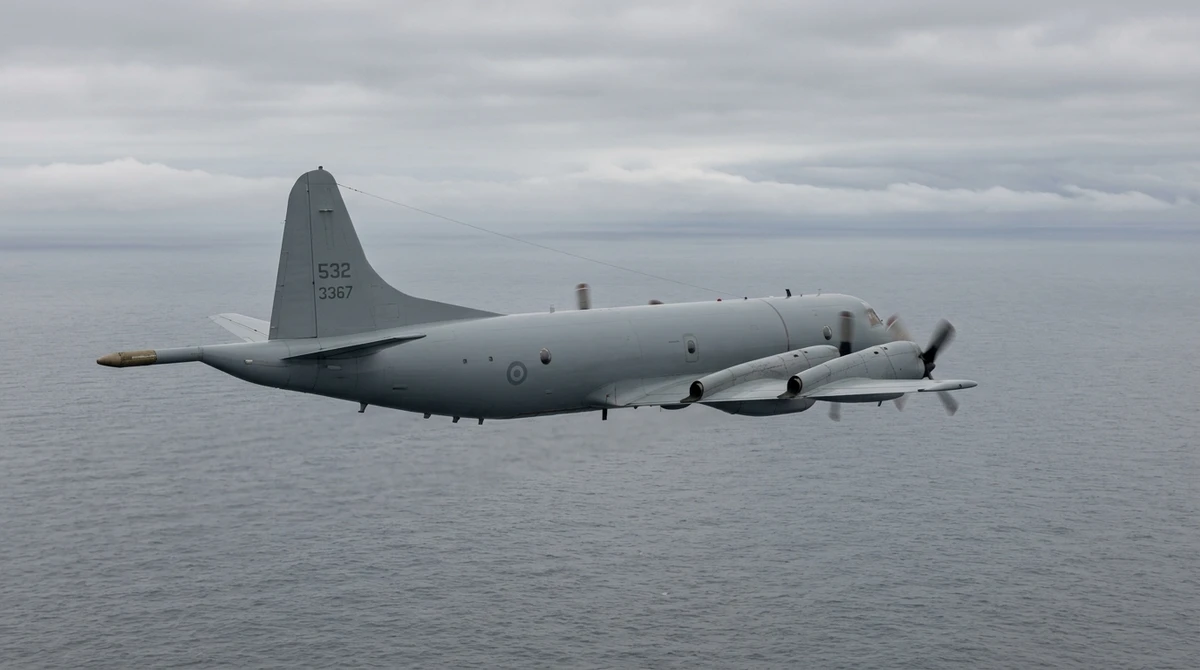
P-3 Orion Fleet Down to 101 Aircraft in 12 Countries, Roughly Half Its 2022 Size
GlobalMilitary.net's inventory data counts 101 P-3 Orions in military service across 12 countries, down from 211 in 16 countries in its 2022 snapshot, as US agencies retire special-mission Orions and Japan draws down the largest remaining fleet.

Northrop Grumman's YFQ-48A Talon Blue Completes First Fully Autonomous Flight at Mojave
Northrop Grumman said on October 3, 2026 that its company-funded YFQ-48A Talon Blue had taxied, taken off, maneuvered and landed without pilot input at Mojave, California, as the US Air Force prepares to select designs for Increment 2 of its Collaborative Combat Aircraft program.
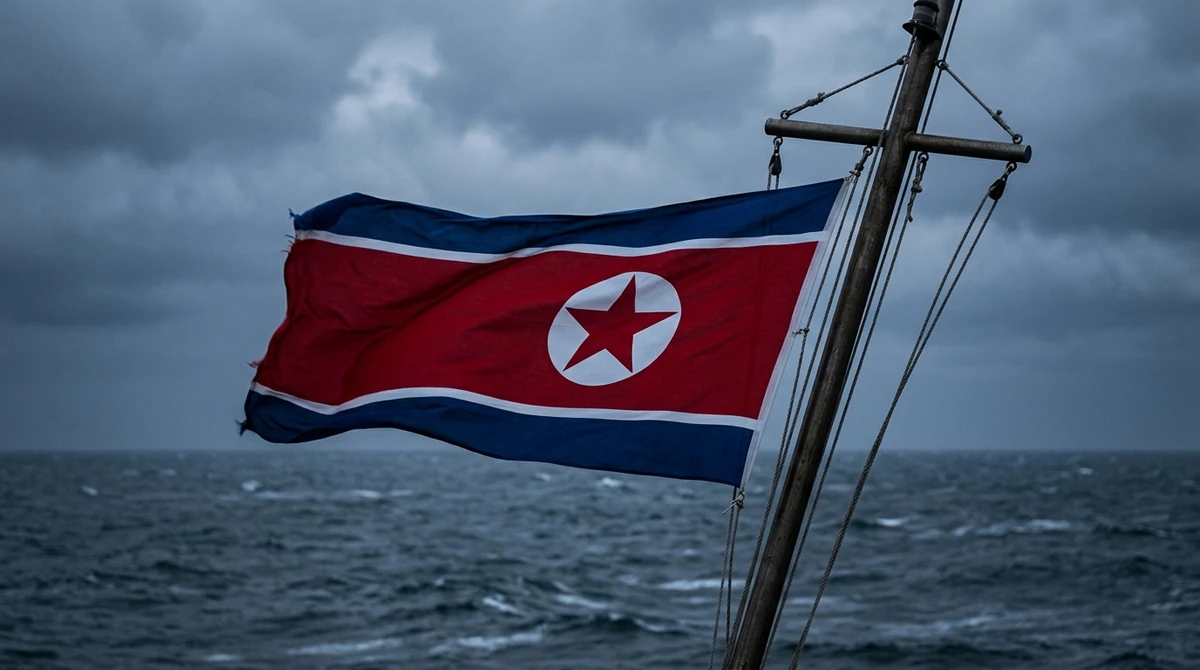
North Korea Says Hypersonic Missile Drill Hit Target 1,000 km Away; Seoul Tracked More Than 700 km
North Korea says a Saturday launch from the Wonsan area was a drill of its hypersonic strategic weapon system that struck a target 1,000 km away; South Korea's Joint Chiefs of Staff tracked a single ballistic missile flying more than 700 km into the East Sea.
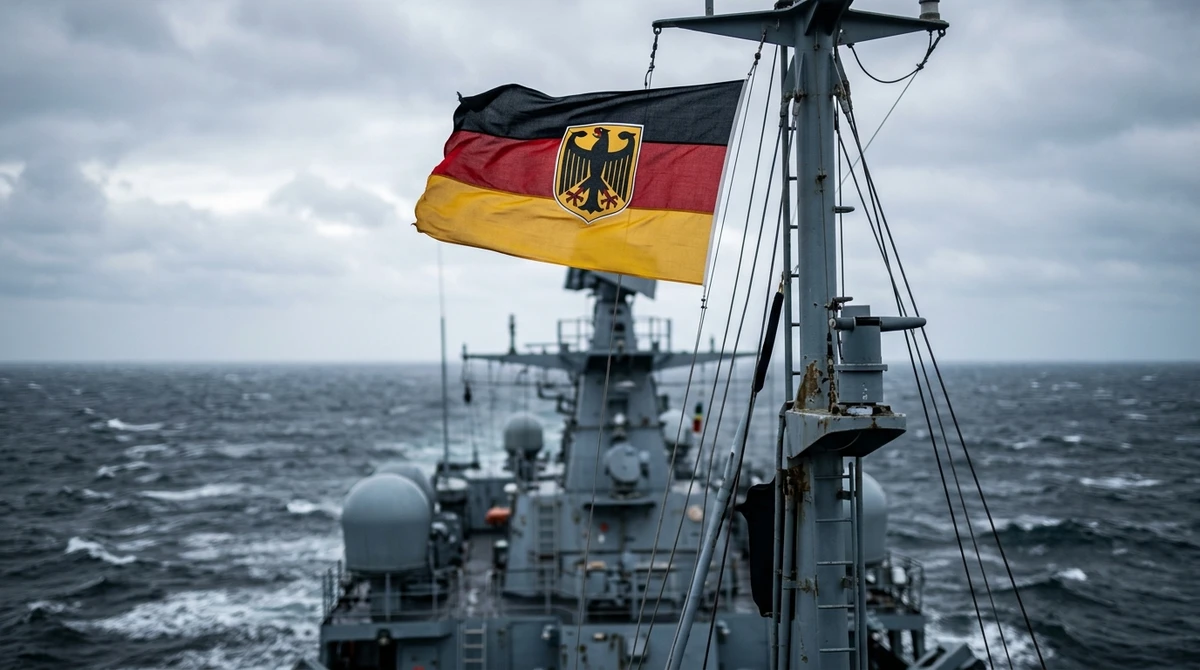
Germany Contracts Diehl to Arm Its Four F125 Frigates With IRIS-T SLM Air Defense Missiles
Diehl Defence and Germany's BAAINBw procurement office signed a contract on October 2, 2026 to adapt the IRIS-T SLM surface-to-air missile system for the German Navy's four Baden-Württemberg-class frigates, which were completed without a medium-range air defense missile.