GlobalMilitary.net Open-source military intelligence Updated daily
Asia · Seoul

South Korea Military Forces

South Korea ranks #5 of 170 militaries worldwide in 2026, with 500,000 active troops. The South Korean Army fields 13,232 ground vehicles, including 1,814 main battle tanks; the Air Force flies 1,566 aircraft, including 374 combat aircraft; the Navy operates 112 warships, including 20 submarines. South Korea has no nuclear weapons.

World rank #5 ATLAS index 60.2/100
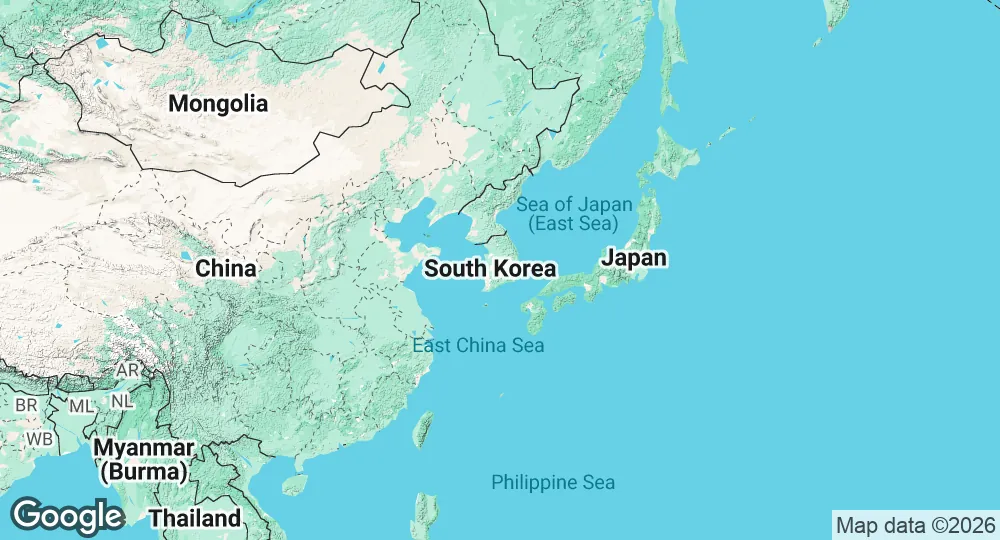
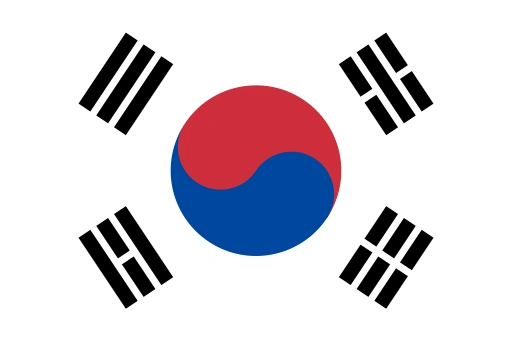
Map of South Korea Flag of South Korea
Active troops
500K
Reserve troops
3.1M
Defense budget
$43B2025
Share of GDP
2.3%
Population
51.7M2025

Armed Forces in 2026

Domain Strength Composition
Republic of Korea Air Force 1,566 aircraft 374 combat 869 helicopters 22 air bases +389 on order
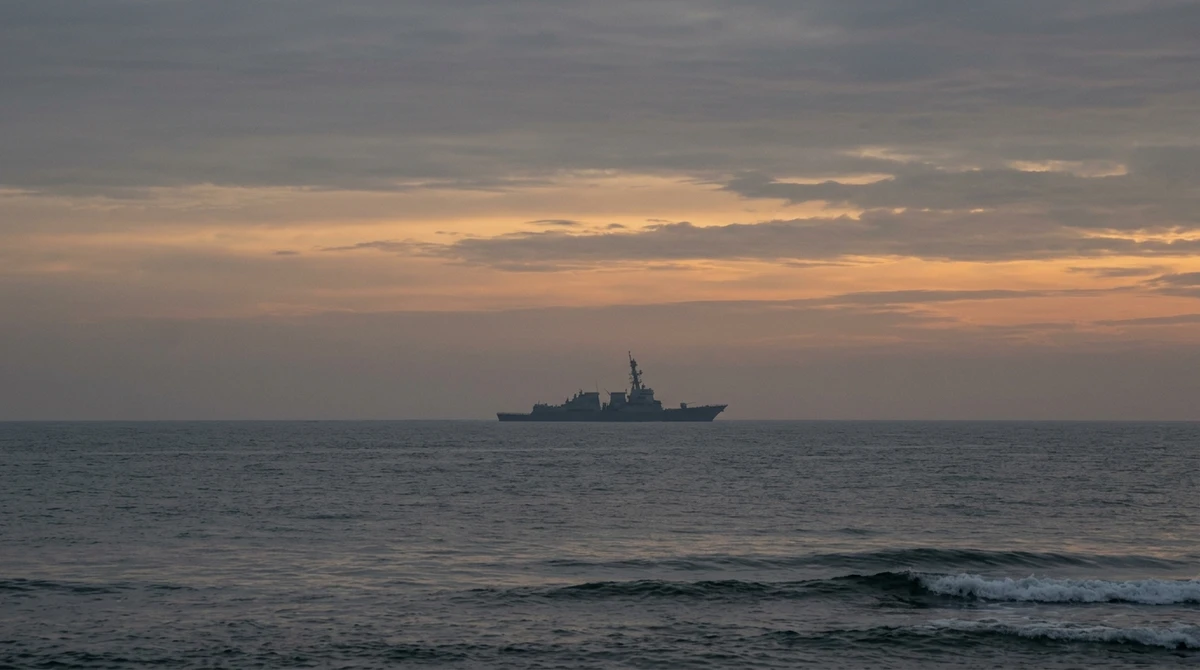
Republic of Korea Navy 112 warships 51 major combatants 20 submarines 3 naval bases
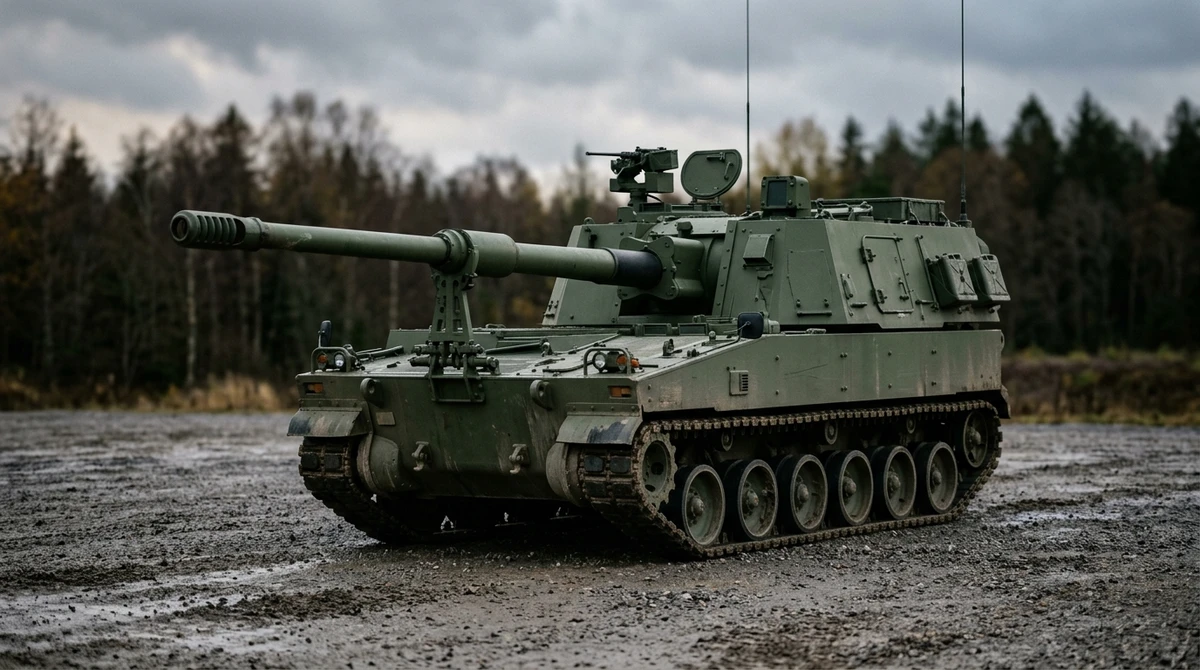
Ground Forces 13,232 vehicles 1,814 main battle tanks
Personnel 500,000 active 3,100,000 reserve 3,013,500 paramilitary

ATLAS Index (Aggregate Total of Land, Air and Sea strength)

Full ranking →
Score & Pillar Breakdown World #5
60.2/ 100
South Korea ranks #5 of 170 in the ATLAS Index (Aggregate Total of Land, Air and Sea strength) with a score of 60.2/100. The ATLAS Index scores South Korea's overall capability on a 0–100 scale from verifiable data across six pillars: manpower, ground forces, naval power, air power, nuclear deterrent and defense budget, each conventional pillar read after the availability proxy of its branch index (budget per point of the force).
Pillar Weight Score Basis
Manpower 10% 99.6 Active, reserve & paramilitary personnel
Ground forces 20% 75.9 ARMS inventory power: armour & artillery by type and era, attack helicopters, armament
Naval power 20% 63.2 SEAS inventory power: hulls by type, size and era, air wing, sustainment, armament
Air power 25% 53.4 AIRS inventory power: aircraft by type and generation, enablers, armament
Nuclear deterrent 10% 0.0 No declared nuclear capability
Defense budget 15% 55.7 Annual spending, purchasing-power adjusted
Availability modifier ground ×1.04 · naval ×0.97 · air ×1.02 Budget per point of each force, from the branch indexes

Country File

Defense Statistics & Key Metrics
Population51.7M (2025)
GDP$1.9 trillion (2025)
GDP per capita$36,227
Military budget$43B (2025)
Share of GDP2.3% (2025)
Military spending per capita$835 (2025)
Inflation rate2.12% (2025)
Military Budget History
2021 — $44B, 2.40% of GDP $44B 2021 2022 — $43B, 2.40% of GDP $43B 2022 2023 — $44B, 2.40% of GDP $44B 2023 2024 — $45B, 2.40% of GDP $45B 2024 2025 — $43B, 2.30% of GDP $43B 2025
Budget (US$) Share of GDP (0-2.5%)
Share of GDP (line): CIA World Factbook (public domain). Budget in US$ (bars): that share applied to World Bank GDP (CC BY 4.0). Estimates.
Geography
CapitalSeoul
RegionAsia
Land area99,909 km²
Coastline2,413 km
Land borders238 km
Bordering countries1
CurrencyKRW
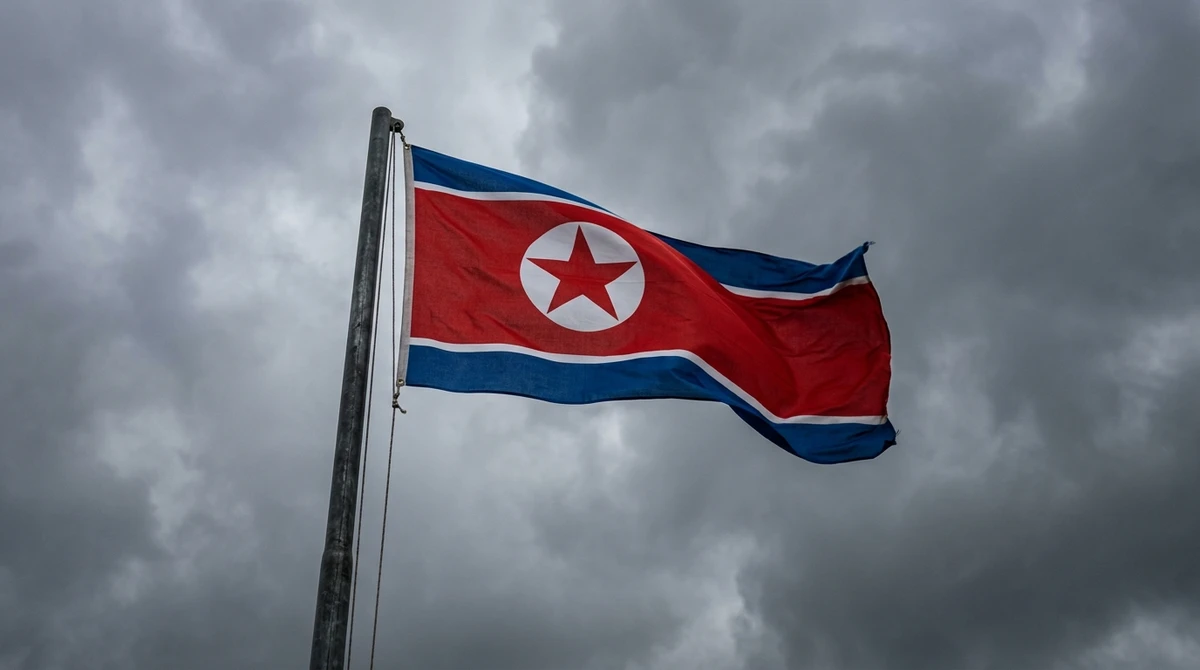
National Flag Adopted 1948
Flag of South Korea
Aspect ratio2:3
ColorsRed, blue, white, black
Compare this Country
🇰🇷 South Korea vs

Strategic Overview in 2026

Strategic Position

The Republic of Korea (ROK) is located on the southern half of the Korean Peninsula, bordered to the north by the Democratic People’s Republic of Korea (DPRK) along a 248-kilometer Military Demarcation Line. The primary security concern is the DPRK’s nuclear and ballistic missile program. Defense doctrine is centered on the Three-Axis System, which comprises:

  • Kill Chain: A preemptive strike capability intended to target DPRK missile infrastructure and command centers upon detection of an imminent launch.
  • Korea Air and Missile Defense (KAMD): A multi-layered system designed to intercept incoming missiles at various altitudes.
  • Korea Massive Punishment and Retaliation (KMPR): A retaliatory plan targeting DPRK leadership and military headquarters.

The ROK maintains a bilateral Mutual Defense Treaty with the United States, providing the framework for the ROK-US Combined Forces Command (CFC). The United Nations Command (UNC) oversees the maintenance of the 1953 Armistice Agreement. Current strategic priorities involve the transition of Wartime Operational Control (OPCON) from the United States to the ROK and the expansion of maritime and space-based surveillance.

Military Forces

The Republic of Korea Armed Forces are managed by the Ministry of National Defense (MND) and directed by the Joint Chiefs of Staff (JCS). The ROK Strategic Command, established recently, coordinates the assets involved in the Three-Axis System.

Active personnel numbers are approximately 450,000, with a reserve force of approximately 3,100,000.

Republic of Korea Army (ROKA)

The ROKA is the largest branch and is structured into the Ground Operations Command and the Second Operations Command. Equipment includes:

  • K2 Black Panther and K1A2 main battle tanks
  • K21 infantry fighting vehicles
  • K9 Thunder 155mm self-propelled howitzers
  • Chunmoo multiple rocket launchers
  • Hyunmoo-series short-range ballistic and cruise missiles

Republic of Korea Navy (ROKN)

The ROKN focuses on coastal defense and the protection of sea lines of communication. The ROK Marine Corps (ROKMC) operates as a quasi-fourth service under the Navy, currently undergoing a structural shift to increase the Marine commandant’s supervisory authority. Naval assets include:

  • Sejong the Great-class (KDX-III) Aegis-equipped destroyers
  • Chungmugong Yi Sun-sin-class (KDX-II) destroyers
  • Dosan Ahn Changho-class (KSS-III) submarines equipped with vertical launch systems
  • Dokdo-class amphibious assault ships

Republic of Korea Air Force (ROKAF)

The ROKAF maintains air superiority and provides precision strike capabilities. Equipment includes:

Defense Industry

South Korea maintains a high degree of self-sufficiency in defense procurement, with domestic manufacturers providing the majority of land and naval systems. Defense exports reached $15.4 billion in 2025, positioning the ROK among the world's top arms exporters.

  • Hanwha Aerospace: Produces the K9 Thunder howitzer and engines for the KF-21.
  • Korea Aerospace Industries (KAI): Manages the KF-21, FA-50, and KUH-1 Surion helicopter programs.
  • Hyundai Rotem: Manufactures the K2 Black Panther tank and K808 armored vehicles.
  • LIG Nex1: Specializes in missile systems, including the Cheongung-II surface-to-air missile.
  • Hanwha Ocean and HD Hyundai Heavy Industries: Construct major surface combatants and submarines.

The government has established programs to integrate domestic technology start-ups into the defense supply chain, focusing on sovereign capacity in AI and satellite technology.

Strategic Trends

The ROK is implementing the "Defense Innovation 4.0" initiative to transition toward a technology-centric force. This shift is driven by a shrinking manpower pool caused by demographic decline. Procurement priorities emphasize unmanned systems, with a stated goal of developing 500,000 military drones by the end of 2026.

The 2026 defense budget is 65.8 trillion won (approximately $44.7 billion), representing a 7.5% increase over 2025. This allocation includes 19.9 trillion won for capability enhancement, specifically for the mass production of the KF-21 fighter and the acquisition of SM-3 shipborne interceptors. Current spending is approximately 2.5% of GDP, with a long-term target of 3.5% by 2035 to align with increased regional security requirements.
Population, GDP, Inflation and Personnel: World Bank.
Military Expenditure: CIA World Factbook. Last updated on 25 September 2026. Suggest a change

South Korean Defense Manufacturing

Designed in South Korea
Naval Shipbuilding 22 classes
Gumdoksuri Patrol boatPohang CorvetteChang Bogo Diesel-electric attack submarineUlsan FrigateDaegu Guided-missile frigateChungmugong Yi Sun-sin DestroyerGanggyeong MinehunterIncheon Guided-missile frigateYangyang MinesweeperChungnam Guided-missile frigateDonghae CorvetteSejong the Great Guided-missile destroyerSolgae Air-cushioned landing craftDosan Ahn Changho Attack submarine with ballistic missile launching capabilitiesGwanggaeto the Great DestroyerDokdo Landing platform helicopterJose Rizal FrigateMiguel Malvar Guided missile frigateBhumibol Adulyadej FrigateSoyang Fast combat support shipBangabandhu Guided-missile frigatePSMM-5 Missile patrol vessel
Military Vehicles 7 models
K200 Armored personnel carrierK9 Thunder 155 mm self-propelled howitzerK1A1 Rokit Heavy Main Battle TankK21 Infantry fighting vehicleK2 Black Panther Heavy Main Battle TankK239 Chunmoo Self-propelled multiple launch rocket systemK151 Raycolt Light utility vehicle
Missile Systems 4 systems
Hyunmoo-2 BallisticHyunmoo-3 CruiseHyunmoo-4 BallisticKM-SAM Cheongung Surface-to-Air
Firearms 5 models
K-3 Machine gunK-7 Submachine gunK1 Assault rifleK2 Assault rifleUSAS-12 Combat shotgun

In the News

All news →
North Korea Fires Two Short-Range Ballistic Missiles Toward the East Sea
SEP 21, 2026

North Korea Fires Two Short-Range Ballistic Missiles Toward the East Sea

North Korea launched two short-range ballistic missiles from the Wonsan area toward the East Sea on September 20, 2026, one flying about 450 km and the other more than 600 km, South Korea's Joint Chiefs of Staff said; Japan said neither landed in its territorial waters.

🇯🇵 🇰🇷 🇰🇵

Frequently Asked Questions

How large is South Korea's military?
South Korea has 500,000 active military personnel with an additional 3,100,000 in reserve. This includes army, navy, and air force service members.
What is South Korea's defense budget?
South Korea's annual defense budget is approximately $43.1 billion. This covers personnel costs, equipment procurement, operations, and maintenance of military forces.
How does South Korea rank militarily in the world?
South Korea ranks #5 globally on the ATLAS Index with a score of 60.2 out of 100. This composite index measures military capability across manpower, ground forces, naval power, air power, nuclear deterrent, and defense budget, adjusted for equipment quality and readiness.
Does South Korea have nuclear weapons?
No, South Korea does not possess nuclear weapons and is a non-nuclear weapon state.
How many aircraft does South Korea's air force have?
South Korea operates 1,566 military aircraft including 374 combat aircraft. The fleet includes fighters, transport planes, helicopters, and training aircraft.
How large is South Korea's navy?
South Korea's navy operates 150 vessels including 20 submarines. The fleet includes surface combatants, support ships, and coastal patrol craft.
How many tanks does South Korea have?
South Korea operates approximately 1,814 main battle tanks. This figure includes both active inventory and reserve stocks available for mobilization.
What percentage of GDP does South Korea spend on defense?
South Korea spends approximately 2.3% of its GDP on defense. This meets the NATO target of 2% of GDP.
What is South Korea's military personnel per capita?
South Korea has approximately 9.7 active military personnel per 1,000 citizens. This ratio reflects the country's military manpower relative to its population of 51,684,564.
Does South Korea have submarines?
Yes, South Korea operates 20 submarines. The submarine fleet may include nuclear-powered attack submarines, ballistic missile submarines, and conventional diesel-electric boats depending on the country's naval doctrine.
Does South Korea have paramilitary forces?
Yes, South Korea maintains 3,013,500 paramilitary personnel. These forces typically include gendarmerie, border guards, coast guard, and internal security troops that supplement regular military capabilities.
Latest Data Updates
  1. SEP 252026 Updated Population, GDP and inflation added for 2025; GDP series revised
  2. AUG 42026 Updated Global Military Index updated in a site-wide editorial pass
  3. AUG 32026 Updated Global Military Index updated
  4. JUL 162026 Updated Global Military Index updated in a site-wide editorial pass
  5. JUN 162026 Updated Yearly statistics, military spending and 2 more fields updated
  6. APR 182026 Updated Description updated
  7. JAN 232026 Updated Rank insignia updated (1 entry)