Taiwan Cabinet Approves NT$145.7 Billion Defense Supplement Funding Drones and Chiang Kung Missiles
Taiwan's Cabinet on September 3, 2026 approved a NT$145.7 billion (US$4.6 billion) defense allocation within a NT$607.63 billion supplementary budget, covering two classified programs, three uncrewed-systems programs and the Chiang Kung anti-ballistic missile system, pending a legislative vote.

Taiwan's Cabinet on Thursday, September 3, 2026 approved a supplementary budget of NT$607.63 billion (US$19.13 billion), of which NT$145.7 billion, about US$4.6 billion, is allocated to defense. The proposal now goes to the legislature, which in May cut the government's earlier multi-year defense package.
According to the South China Morning Post, the allocation pushes Taiwan's total defense-related spending for the year past NT$1 trillion for the first time and raises defense spending from 3.32% of GDP to about 3.83%, a level the newspaper describes as the highest in decades. The same report says the supplementary budget addresses gaps created when opposition lawmakers cut the government's proposed eight-year NT$1.25 trillion defense package by NT$470 billion in May 2026.
Of the NT$145.7 billion, NT$133.4 billion is classed as military investment and NT$12.3 billion as other allocations. The military investment breaks down as follows:
- Two classified programs: NT$64.5 billion
- Three uncrewed-systems programs: NT$55.9 billion
- Seven national defense programs, including the Chiang Kung ("Strong Bow") missile system: NT$13 billion
The Taipei Times separately reports NT$7.3 billion earmarked for ammunition replenishment. The two classified programs, at NT$64.5 billion the largest single line in the package, have not been described publicly.
The three uncrewed-systems programs cover coastal attack drones, coastal surveillance and reconnaissance drones, and small one-way unmanned surface vessels. Reuters reports that the plans incorporate more than 40,000 coastal attack drones, more than 600 coastal surveillance and reconnaissance drones, and a first batch of more than 100 small one-way drone boats. The drone boats would be a new category of uncrewed craft alongside the crewed hulls listed in GMN's inventory of Taiwan's navy.
Chiang Kung is a domestically developed medium-altitude anti-tactical ballistic missile system. Taiwan's defense ministry has previously identified it as the medium-tier anti-tactical ballistic missile system in this package.
The spending sits against a wide gap in resources with China, which views the island as its own territory. GlobalMilitary.net's database records Taiwan's military expenditure at US$18.19 billion for 2025, with 169,000 active troops across its army, navy and air force. China's military expenditure stands at US$281.16 billion in the 2024 figure, with 2,035,000 active troops; the two figures are from different years and are not directly comparable with the GDP percentages cited above, which count Taiwan's special budgets. On GMN's ranking of countries by military power, the ATLAS index scores China at 89.88 and Taiwan at 47.0. Taiwan's air force fields 714 active aircraft in GMN's 2026 inventory, and the full head-to-head is on the China vs Taiwan comparison page.
The uncrewed and missile-defense programs are being funded while PLA activity around the island continues at a steady pace. GMN's own tally on the China-Taiwan standoff tracker records, from January 1 to September 5, 2026 (248 days recorded), 1,801 PLA aircraft detected around Taiwan, 1,284 aircraft entering Taiwan's air defense identification zone and 427 median-line crossings. Those counts are the site's tally of the defense ministry's daily reports and cover the year to date only.
The Cabinet's approval is not the final step. The supplementary budget still requires passage by Taiwan's legislature, the same body that cut the government's eight-year defense package in May 2026, and no vote date has been reported.
More News
All news →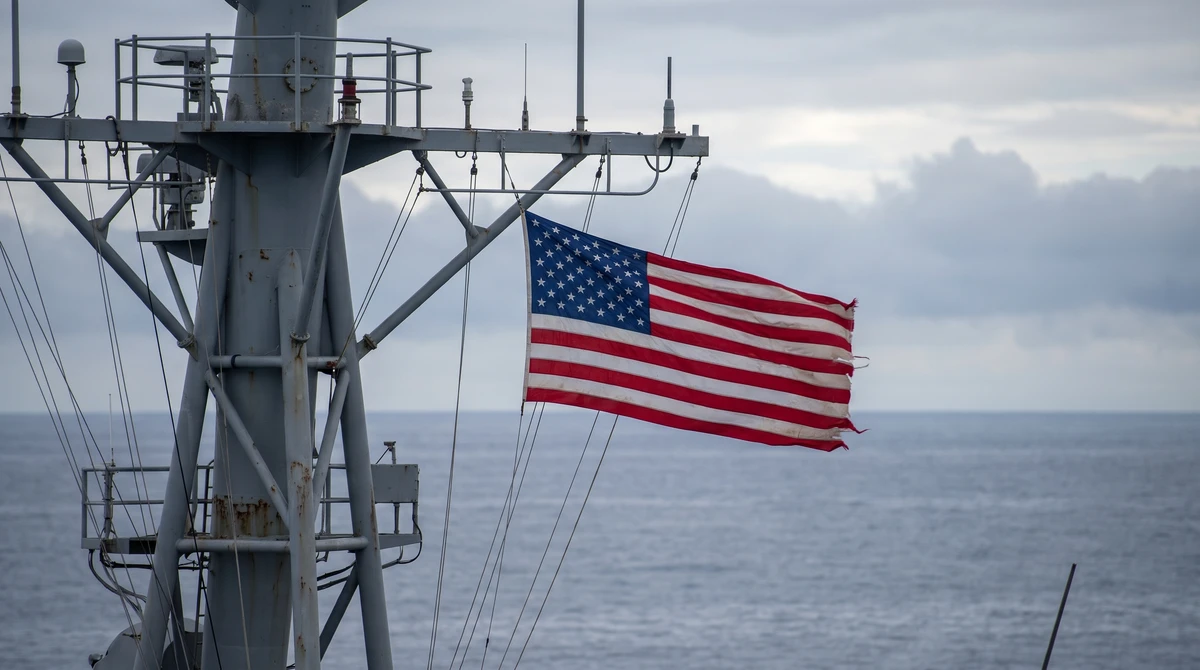
USS Pinckney Begins US Navy's First SPY-6(V)4 Radar Installation on an Arleigh Burke Destroyer
The US Navy said on October 22 that the Arleigh Burke-class destroyer USS Pinckney (DDG 91) has entered a Depot Modernization Period at General Dynamics NASSCO in San Diego, the service's first installation of the SPY-6(V)4 radar and HESC cooling plants under the DDG MOD 2.0 program.

UK Restarts Tank and Howitzer Barrel Production as US Army Seeks New 155mm Tube Makers
Rheinmetall UK has begun making 120mm and 155mm barrels in Telford, the Ministry of Defence said on 22 October, a day after a US Army contracting command posted a market survey for domestic makers of Paladin and M777 cannon tubes.
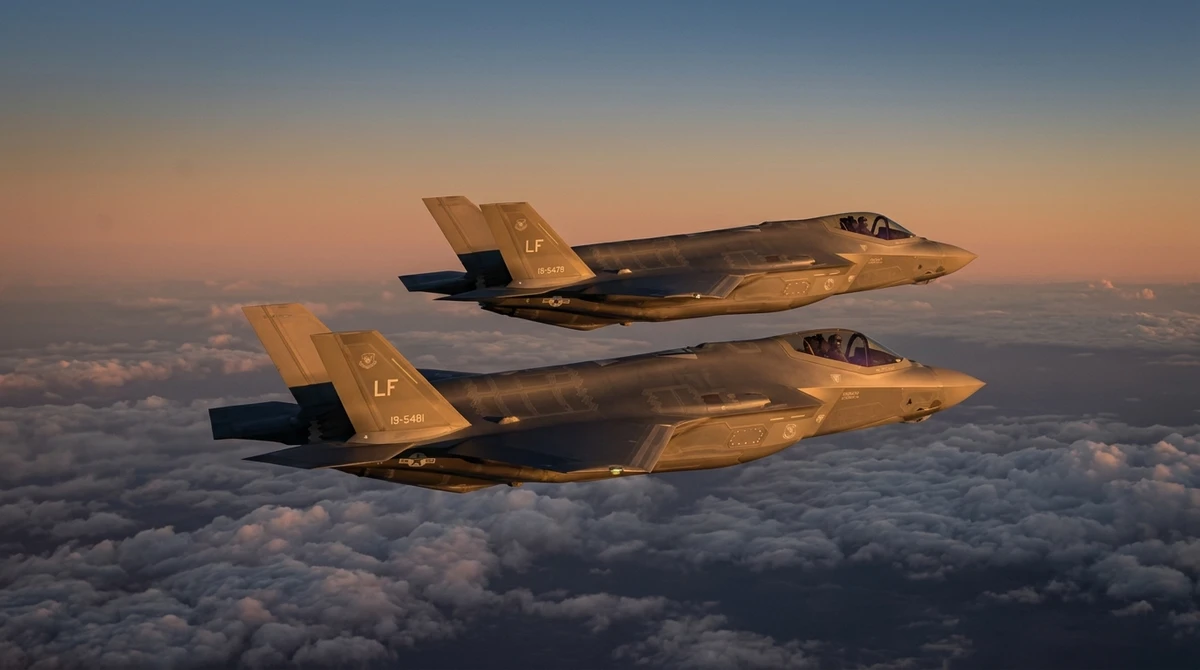
Pentagon and Lockheed Martin Unveil 10-Year F-35 Framework for 850 US Jets, Pending Congress
The Department of War and Lockheed Martin announced on October 22 a framework agreement covering 850 US F-35s over 10 years at a steady 156 aircraft a year, an arrangement that requires multiyear authority and appropriations from Congress before any contract is awarded.
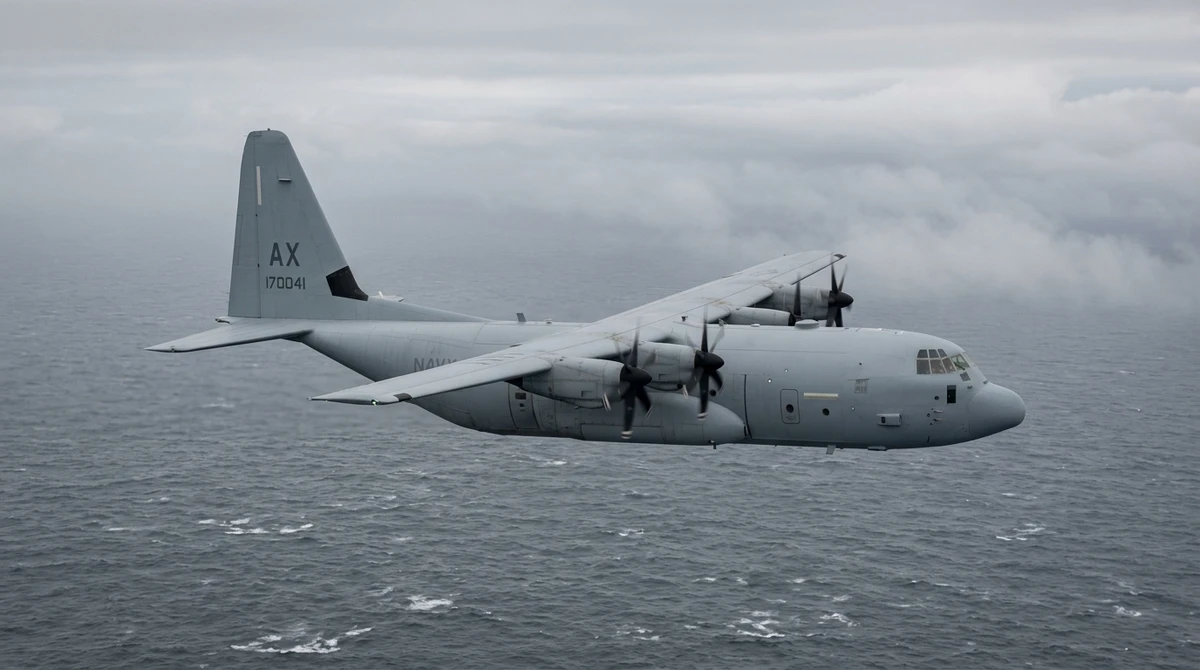
US Navy accepts first C-130J-30 airframe for E-130J Phoenix II TACAMO aircraft
The US Navy took delivery of a newly built Lockheed Martin C-130J-30 Super Hercules at Marietta, Georgia, on Oct. 15, the first of three airframes to be converted into E-130J Phoenix II aircraft that will replace the E-6B Mercury in the nuclear communications relay mission.
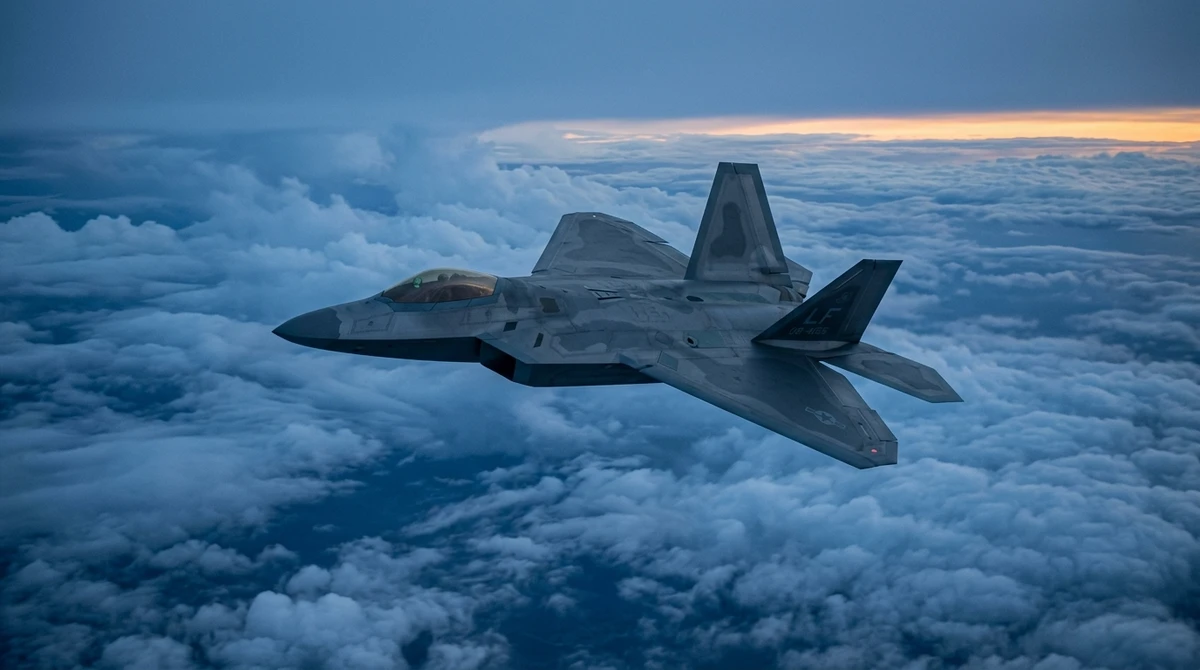
F-22 Pilot Takes In-Flight Command of an Anduril YFQ-44A Fury Drone
The U.S. Air Force said on October 16, 2026 that an F-22 Raptor pilot had taken airborne tactical command of an Anduril YFQ-44A Collaborative Combat Aircraft earlier this month; previous F-22 control tests had used a surrogate drone.

France Rolls Out Rubis, Fifth Suffren-Class Attack Submarine, as One 1980s Boat Remains in Service
France's procurement agency, the DGA, said on October 16 that Rubis, the fifth Suffren-class nuclear attack submarine, had begun its move from Naval Group's construction hall at Cherbourg to the launch system, with trials and delivery to the French Navy still ahead and no dates given.